

Top Tweets for #phoretic

Please like my new YouTube #video, which shows interesting #interactions between #arthropods on a #dandelion #inflorescence:
https://t.co/vl1pkclz5K
It's about a #phoretic #mite that is persistently waiting on an inflorescence for a #transport opportunity. #Phoresy, also known as #phoresis, is a life-style strategy in which a smaller organism relies on being transported by a larger organism to #travel from one #habitat to the next. This strategy occurs in various #mitetaxa, including the #Mesostigmata, the Trombidiformes, the paraphyletic Oribatida, and the #Astigmata.
The mite featured in my video belongs to the Mesostigmata and extends the phoretic strategy by relying on leaving a host and essentially waiting at a #transferstation for a new opportunity to get on another host.
The dandelion inflorescence can be a #complexhabitat with astonishing #biodiversity. Arthropods such as insects are particularly common. Some species remain there permanently, feeding on the petals and reproducing there; others are only brief visitors seeking #nectar and pollen.
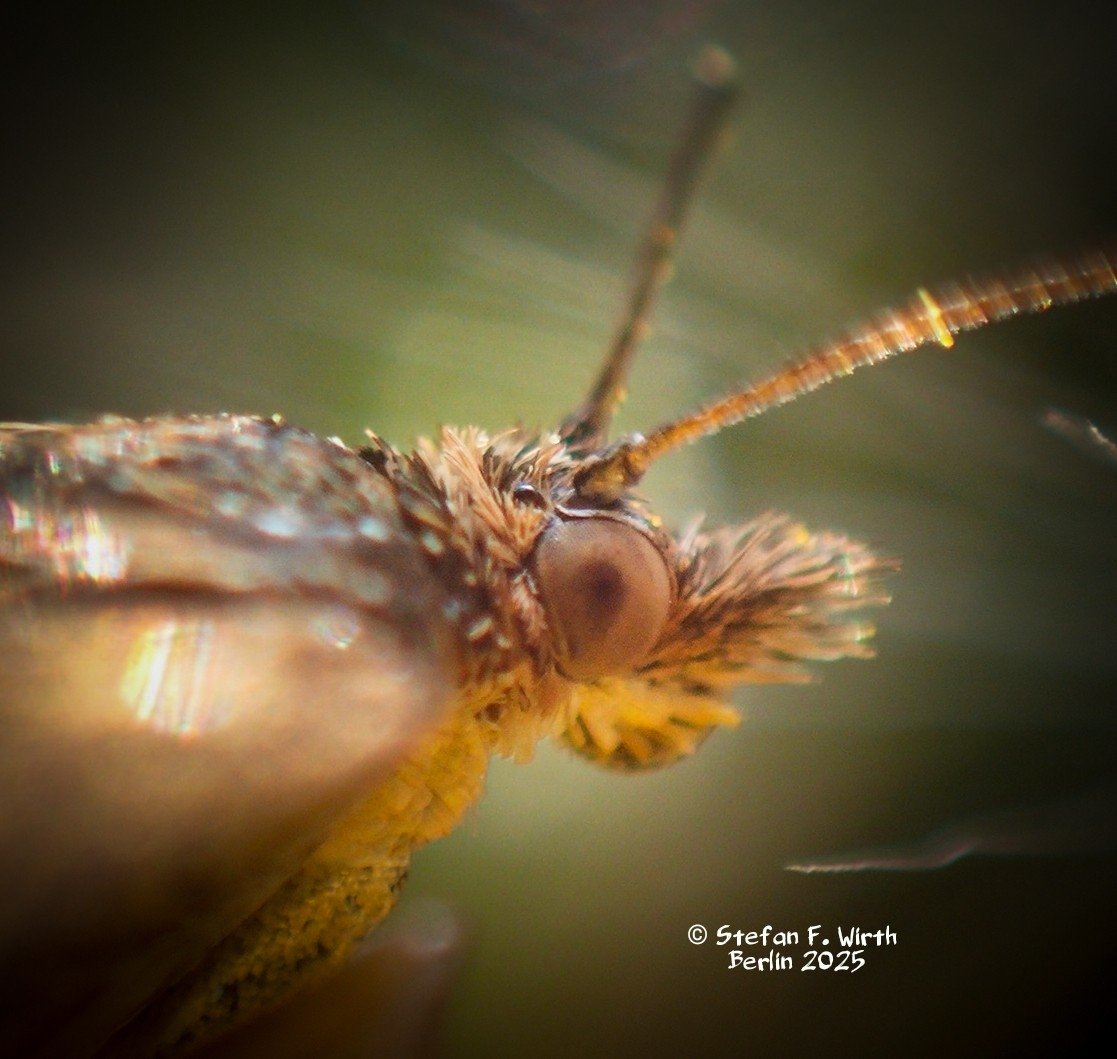
At the end of April 2025, I noticed that dandelions were predominantly #blooming in a dry #meadow in the Rehberge #urbanpark in #Berlin. The #moth #Pyrausta #despicata was often seen on the inflorescences, feeding on nectar.
I originally wanted to document this with video shots from many #closeup #perspectives. However, I was unexpectedly confronted with interactions between three different arthropods, which I documented in my video.
A mite of the #Parasitidae (Mesostigmata), possibly of the genus #Parasitellus, initially waited motionless at the edge of the inflorescence before seemingly launching an attack against the significantly larger moth. The moth reacted to the touch with a sudden, abrupt recoil.
What was the mite doing there and why did it attack the moth? The apparent attack was in reality the mite testing the moth to see if it could be a suitable carrier. With hair-like sensory organs on its legs, the mite quickly recognized that the moth was unsuitable as a carrier. This is because mites of the Parasitidae (Mesostigmata), in particular the genus Parasitellus, use the inflorescence as a transfer station from one carrier to the next. This strategy is called phoresy and was closer explained abive. Mites of the genus Parasitellus normally live in bumblebee nests. To spread from nest to nest, bumblebees are used as carriers. Since the same bumblebee will always fly to its own nest, the mite descends while its carrier visits a flower and waits there for a new carrier from another nest.
The moth needs to fear dangerous predators, as it is helplessly exposed while feeding on a flowerhead. For this reason the moth reacts with abrupt evasive maneuvers as soon as it feels touched by another animal. It makes no difference to it whether it is touched by a mite searching for its carrier or by the beetle Olibrus bicolor that accidentally comes too close. Numerous predators use flowers to overpower unsuspecting prey. These include, for example, free hunting crab spiders (Thomisidae) or hornets (Vespidae, Hymenoptera). But that's not all, the moth is also in danger when taking flight from the inflorescence, for example from the orb web of the #spider #Tetragnatha cf. extensa, which can be seen at the beginning of my video #documentation.
The authors J. M. Kolster et al. (2024) investigated the host range of mites of the genus Parasitellus that are associated with wild bees (Apiformes). They used DNA data from the mites, i.a.. to determine their #hostspecificity, which they found to be restricted to bumblebees of the genus #Bombus
©#StefanFWirth, April/September 2025, Berlin
Reference
J. M. Kolster et al. (2024):
https://t.co/MAYwtZWjw9
Photos:
Video frames of my YouTube Video about a Parasitidae mite on a inflorescence of dandelion:
a) dandelion
b) Head detail in side view of moth Pyrausta despicata
c) Moth P. despicata
d) Mite of Parasitidae approaching P. despicata


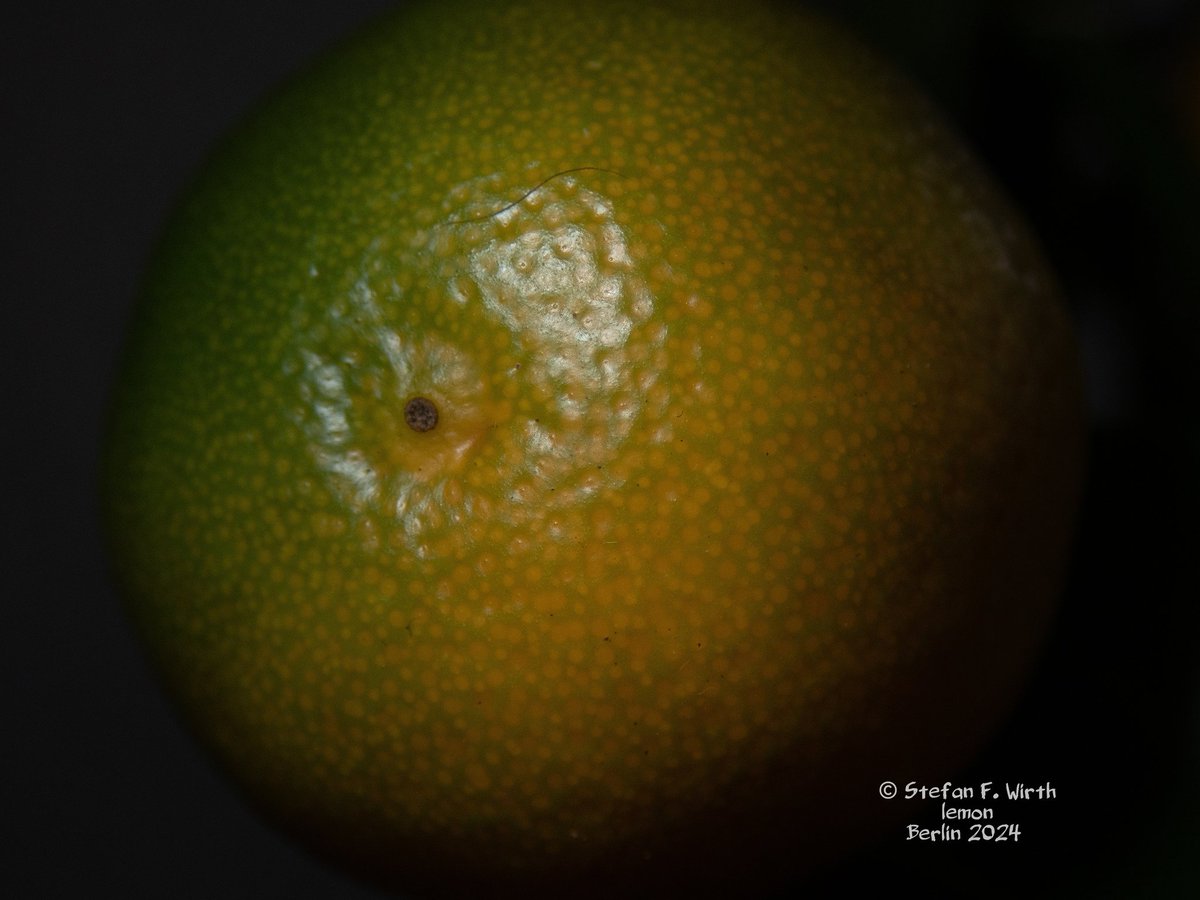
#Lemontree #Citrus × #limon, its fruits, their insecticidal effect, about #endophytic organisms and the #rottingfruits as habitat for #phoretic mites (#Histiostomatidae).
© #StefanFWirth Berlin2024
My #blog on #biologe + #literature
https://t.co/H1PRC1nkSq
Photos © S. F. Wirth



#Beetles and their #phoretic #mites: Beetles of the #Passalidae (Scarabaeoidea) represent a biological peculiarity within the Coleoptera: they form #social colonies (better subsocial mostly focused in #broodcare), in which all stages of development live in a tunnel system in wood. The beetles are wood eaters and prepare crushed wood mixed with saliva for their brood. As in the social Hymenoptera, the burrow systems of the Passalidae are attractive habitats for phoretic #nematodes and mites.
The advantage for phoretic organisms in nests of social insects is that such a nest has a variety of tiny microhabitats that can serve as a suitable development site for mites and nematodes. For the phoretic stage of #distribution, this means living in a perfectly developed "subway system" , where there is always a "train line" that heads for the nearest suitable microhabitat, if you as a mite are lucky you might even catch a taxi shuttle that takes you without a stopover directly to the final destination. Because phoretic organisms such as mites are adapted through #evolution to attach to larger insects or arthropods by means of a dispersal stage with the sole aim of being dispersed by them. Different stages in different taxa of mites have become specialized in the dispersal mode, for example deutonymphs or adult animals.
Phoretic mites can usually be recognized by the fact that they do not feed on their #hosts. #Development and #feeding take place at the target site where the mite leaves its carrier, but note: in case they indeed leave the living transporter again (see further below) .
On beetles of the Passalidae, phoretic mites have been described from different taxa, namely members of the #Mesostigmata (#Parasitiformes), the Paraphyletic #Oribatida (Acariformes, Sarcoptiformes) and #Astigmata, e. g. #Canestriniidae or #Histiostomatidae (#Acariformes, #Sarcoptiformes). I assume that the diversity of mites in individual species of the Passalidae is still largely unexplored.
Due to their size, mites of the #Megisthanidae (Mesotigmata) are particularly conspicuous on adult Passalidae. The predatory mites need areas with beetle frass for their development. Life-cycle information on #Megisthanus #floridanus was published by Butler & Hunter (1968): https://t.co/grjEMq0JCT
But also #Klinckowstroemiidae represent Mesostigmata phoretically on Passalidae, as e.g. published by J. Schuster et al. (2023): https://t.co/JEnk3vx9xG
Mites of the Oribatida were not closer studied for a long time in regard of #phoresy as that ability was only poorly known. A significant pioneering work is by R. Norten (1980). Since then only few findings on phoretic Oribatida were published, e.g.on #Paraleius #leontonychus on #barkbeetles, where I co-authored: Pernek et al. (2011): https://t.co/oH3aEsfRTr
Meanwhile the recognition of phoretic oribatids increased and new species were even described from Passalidae as in Ermilov (2019): https://t.co/TyeRxvRZFY
As is all too often the case in modern acarological research, there is a lack of biological data on all those mite species that do not appear as human pests. Because actually, as in the 1968 paper cited above, it would have to be examined under laboratory conditions where exactly the mites actually continue to develop to understand their #lifestyle.
Some of the mites declared as phoretic might be #necromenic instead, which derived from phoresy: as I described for #Histiostoma #polypori (Histiostomatidae, Astigmata) in #earwig nests (2009): https://t.co/ka8P4KbGcm
Astigmata e.g. found on Passalidae: Canestriniidae in the paper by Summers & Schuster (1981): https://t.co/9XklwXJJuu
Also #Acaridae and Histiostomatidae were found on #Mexican Passalidae, paper by P. L. Barrios-Torres et al. (2015): https://t.co/q14vlFpKGu
© #StefanFWirth Berlin 2023
Photo: Adult Bessbug (#Odontotaenius #disjunctus), author PiccoloNamek, 2005, licensed under the Creative Commons Attribution-Share Alike 3.0 Unported license.

Let's revisit the #interaction between #phoretic #mites and #ants that was mentioned in my previous post. It's about avoiding misunderstandings.
The phoretic #mite #Forcellinia #wasmanni (#Astigmata, #Acaridae), which occurs among other ant species on the ant #Myrmica #rudinodis, develops in the ant nest. The phoretic #dispersal stage (#deutonymph) is spread by ant #workers in the ant #nest to sites with suitable developmental conditions for the mite.
For this, the deutonymph needs suitable conditions in order to be able to attach to the ants avoiding the ant's resistance. To do this, it uses a behavior I call "#pupa #guarding": it attaches to ant pupae and waits in this position until the adult ant hatches. During this procedure the deutonymph immediately climbs on the young adult ant (detailed observations to this are still missing).
Here is a snippet from my #video from 2015.
© #StefanFWirth #Berlin 2023
Link to full video:
https://t.co/yb4yQ1Cs3H
I discovered #mite #Histiostoma #palustre 2001 in the #Berlin #gravelpitarea #ImJagen86 and published the #description 2003. It is #phoretic with Hydrophilidae beetles in bank #mud with a male #diphenism with highly #modified or normal #legs2©#StefanFWirth
https://t.co/gYb6ClG3sv

#Photos from my current #video studies: #phoretic dispersal stage (#deutonymph) of #mite #Histiostoma sp.(H. #feroniarum complex), #alive, with a systematically important pattern of #ventral #apodems: origins for well visible leg #musculature. #Berlin Rehberge ©#Stefan #F #Wirth

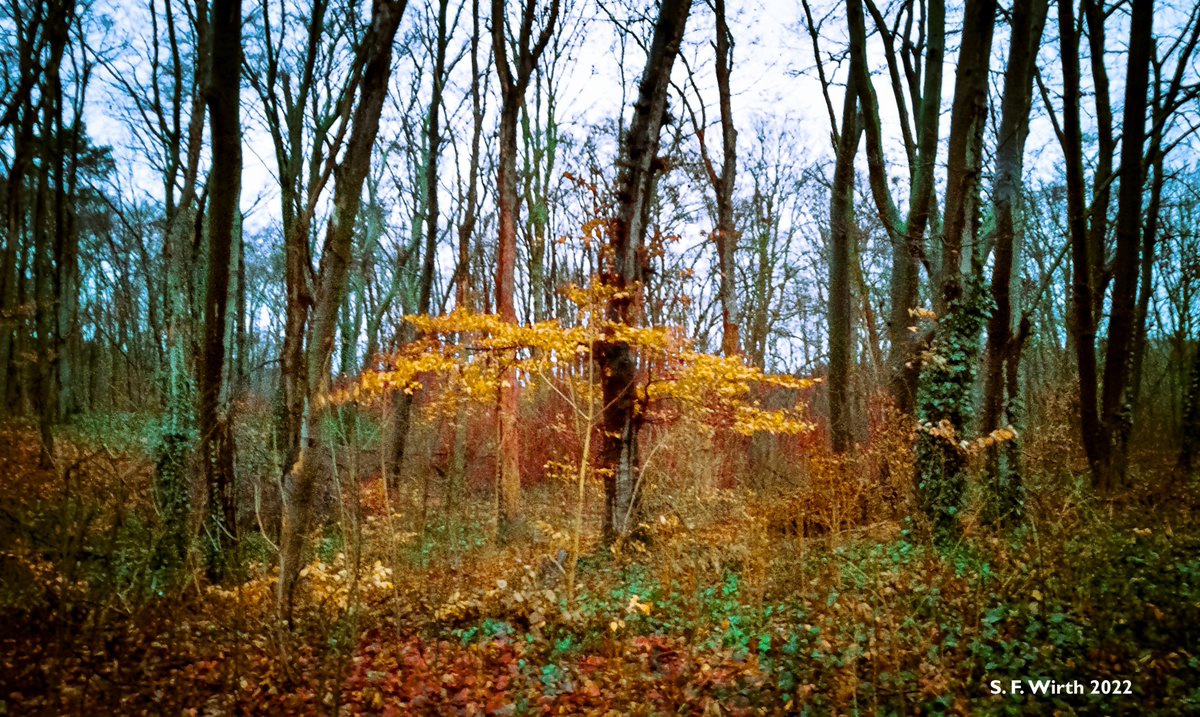
#Mite #Histiostoma sp.(H.#feroniarum complex) is part of my current research.The #phoretic mite is from a #hollowtreestump with acorns.Numerous #deutonymphs sat in largenumbers on Lithobius forficatus (host?) in substrateculture,but also e.g.on uropodids.© #Stefan #F #Wirth 2022
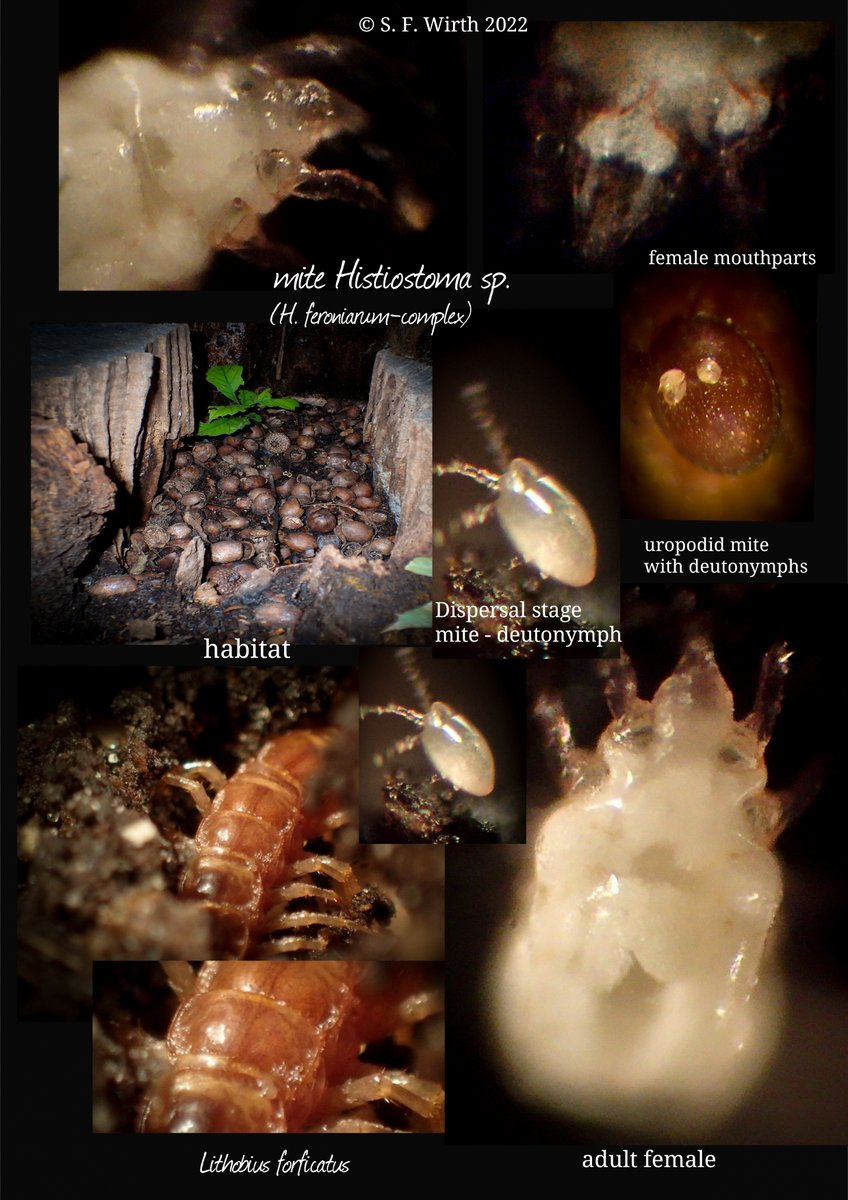
Stage of dispersal (#deutonymph) of the #mite #Histiostoma (H. #feroniarum complex) in search of a #phoretic #host. Body erect, stabilized with #modified #hindlegs 3 and 4. Front #legs #moved #alternately. Ex: hollow stump, acorns, #Lithobius. © #Stefan #F. #Wirth #Berlin 2022

#mite #deutonymph of #Acaridae ( #Acariformes #Astigmata) #phoretic on #Phosphuga #atrata in #Berlin in an urban forest. More in another post. Copyrights #Stefan #F #Wirth March /April 2021

#macrophotography of #cockchafer #Melolontha #hippocastani with #phoretic #mite of #Mesostigmata in front of my #artificial #light in an #evening in #urban #park #Plötzensee #district #Wedding #Berlin #May #2020 Copyrights #Stefan #F. #Wirth
#Scarabaeidae #macro #Polyphaga

#Systematics and #biology of #termites and about #phoretic #associations (4K) https://t.co/6reXXiJDAa via @YouTube my new #video #4k


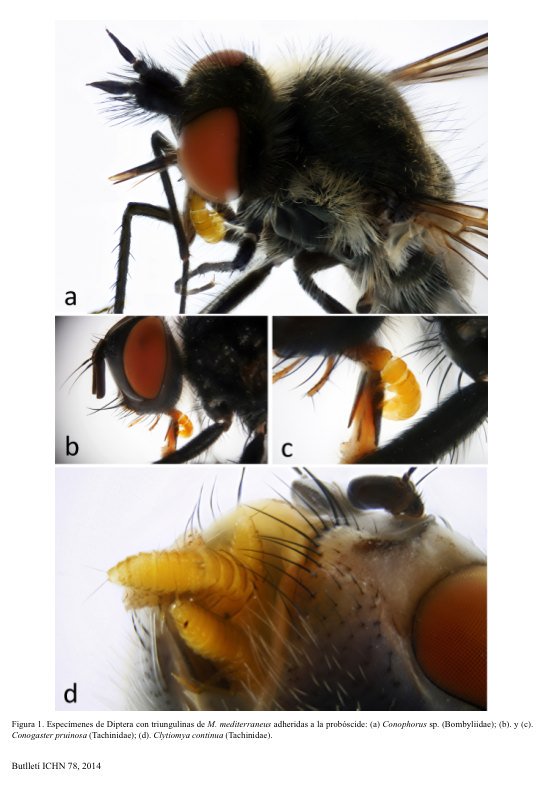
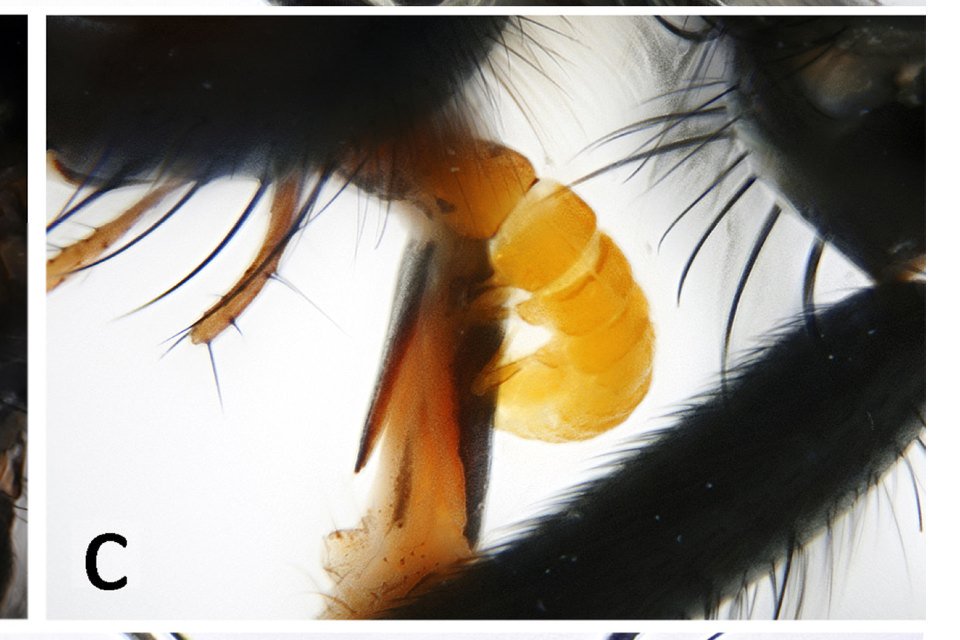
@osuc_curator @flygirlNHM I found some #phoretic larvae of Meloe on #flies
https://t.co/Y6begdfIE4
A little creepy

Last Seen Hashtags on Sotwe
แป้ง3ป๋อง
Seen from Thailand
gayblowjob
Seen from Qatar
ourfurryfriends
Seen from United Kingdom
cder
Seen from Indonesia
chav
Seen from Denmark
yaoi #bdsm
Seen from Poland
momson filter:videos
Seen from Brazil
เย็ดเพื่อน
Seen from Thailand
california
Seen from United States
teenagegirls nolimit
Seen from Korea
Most Popular Users

Elon Musk 
@elonmusk
240.6M followers

Barack Obama
@barackobama
119.2M followers

Donald J. Trump
@realdonaldtrump
111.7M followers

Cristiano Ronaldo
@cristiano
110.5M followers

Narendra Modi
@narendramodi
107M followers

Rihanna
@rihanna
97.6M followers

NASA
@nasa
92.2M followers

Justin Bieber
@justinbieber
90.9M followers

KATY PERRY
@katyperry
87.6M followers

Taylor Swift
@taylorswift13
81.5M followers

Lady Gaga
@ladygaga
73M followers

Virat Kohli
@imvkohli
69.8M followers

Kim Kardashian
@kimkardashian
69.8M followers

YouTube
@youtube
68.7M followers

Bill Gates
@billgates
63.9M followers

Neymar Jr
@neymarjr
62.6M followers

The Ellen Show
@theellenshow
62.4M followers

CNN
@cnn
61.9M followers

X
@x
60.8M followers

Selena Gomez
@selenagomez
60.7M followers