

Top Tweets for #policeReforms

@yashoazad @LtGovDelhi Just implement #PrakashSingh Ji's #PoliceReforms...rest will follow! But NO,this is not happy! Don't we know why?

@bismil_prasad @vikramsingh112 Basically, these individuals are intellectually dishonest and of a colonial mindset. In current time, the actual British officials have become accountable to the public, but these 'brown sahibs' (colonial-minded Indians) are still living in the era of 1861.
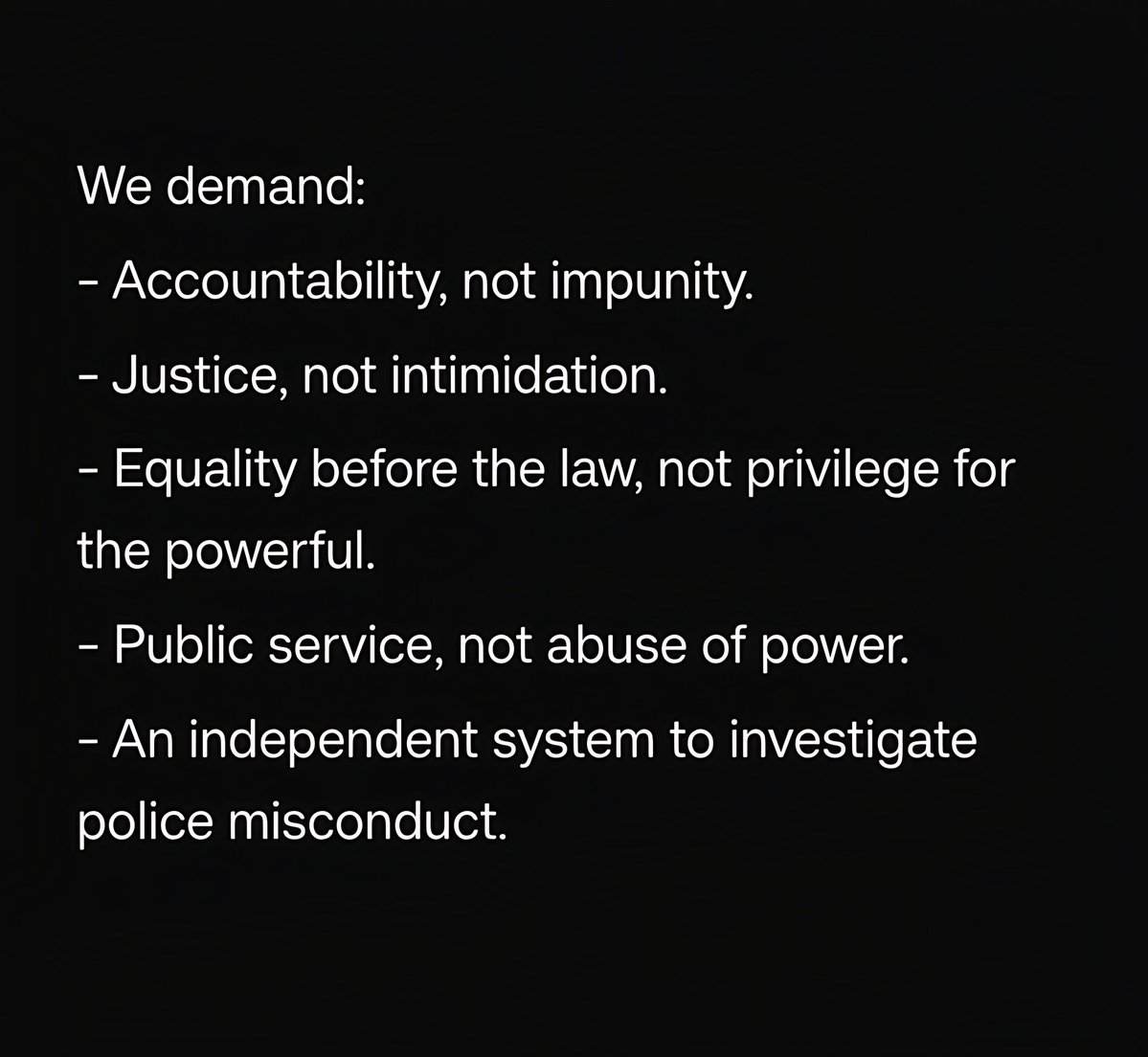
#PoliceReforms

Uttarakhand CM Pushkar Singh Dhami approves increasing female constable posts from 526 to 2,000, boosting women’s representation and career opportunities in police. #Uttarakhand #WomenEmpowerment #PoliceReforms




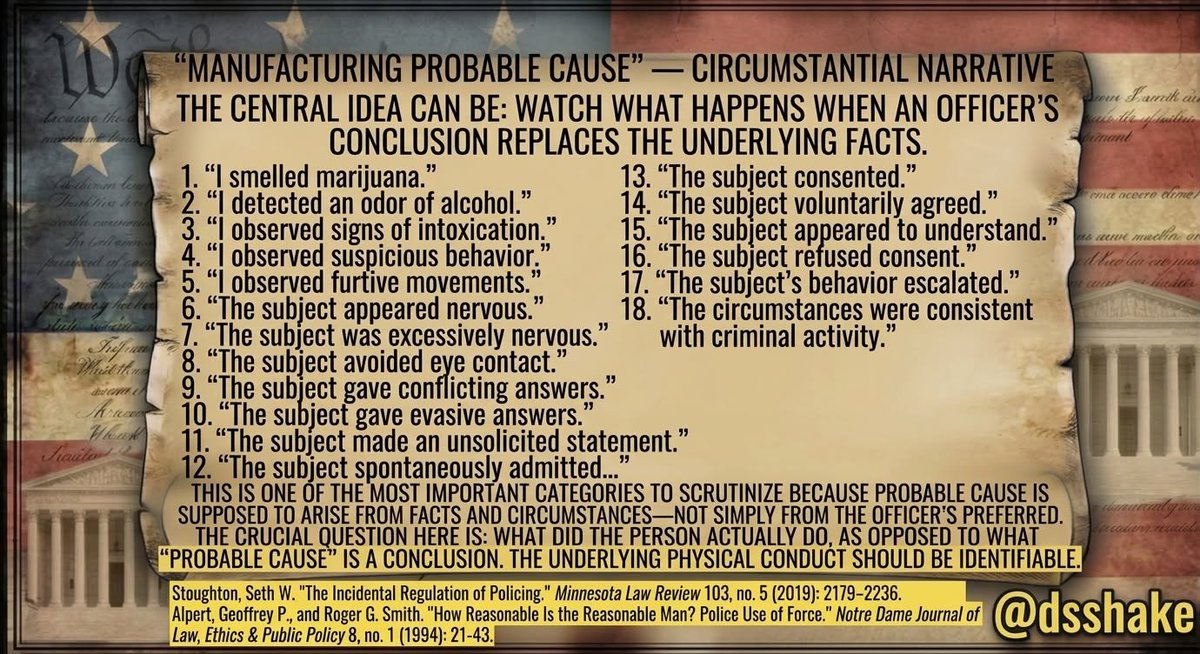
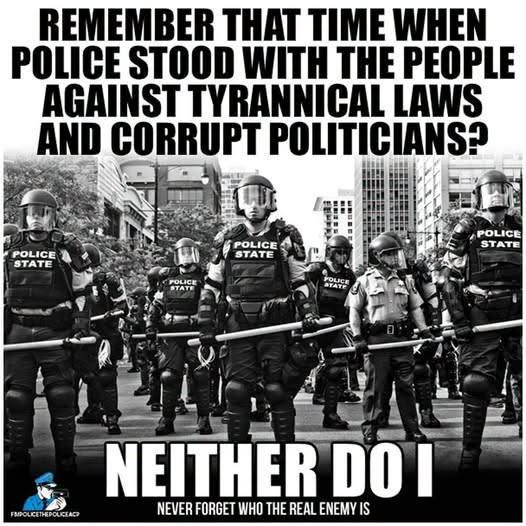
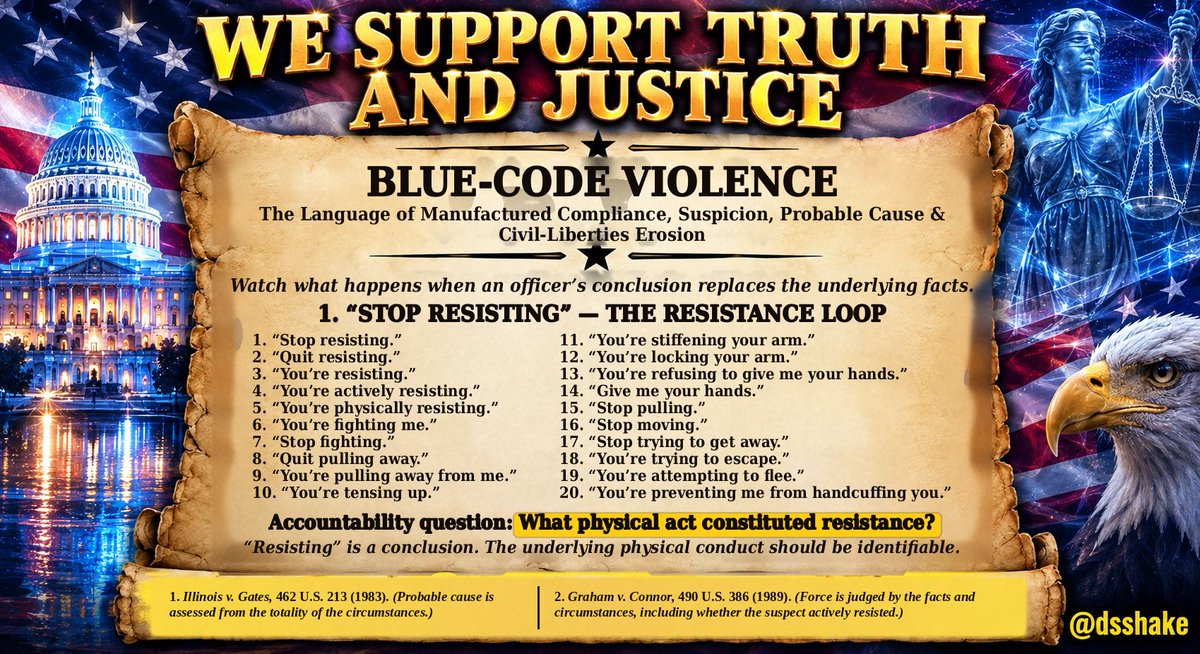
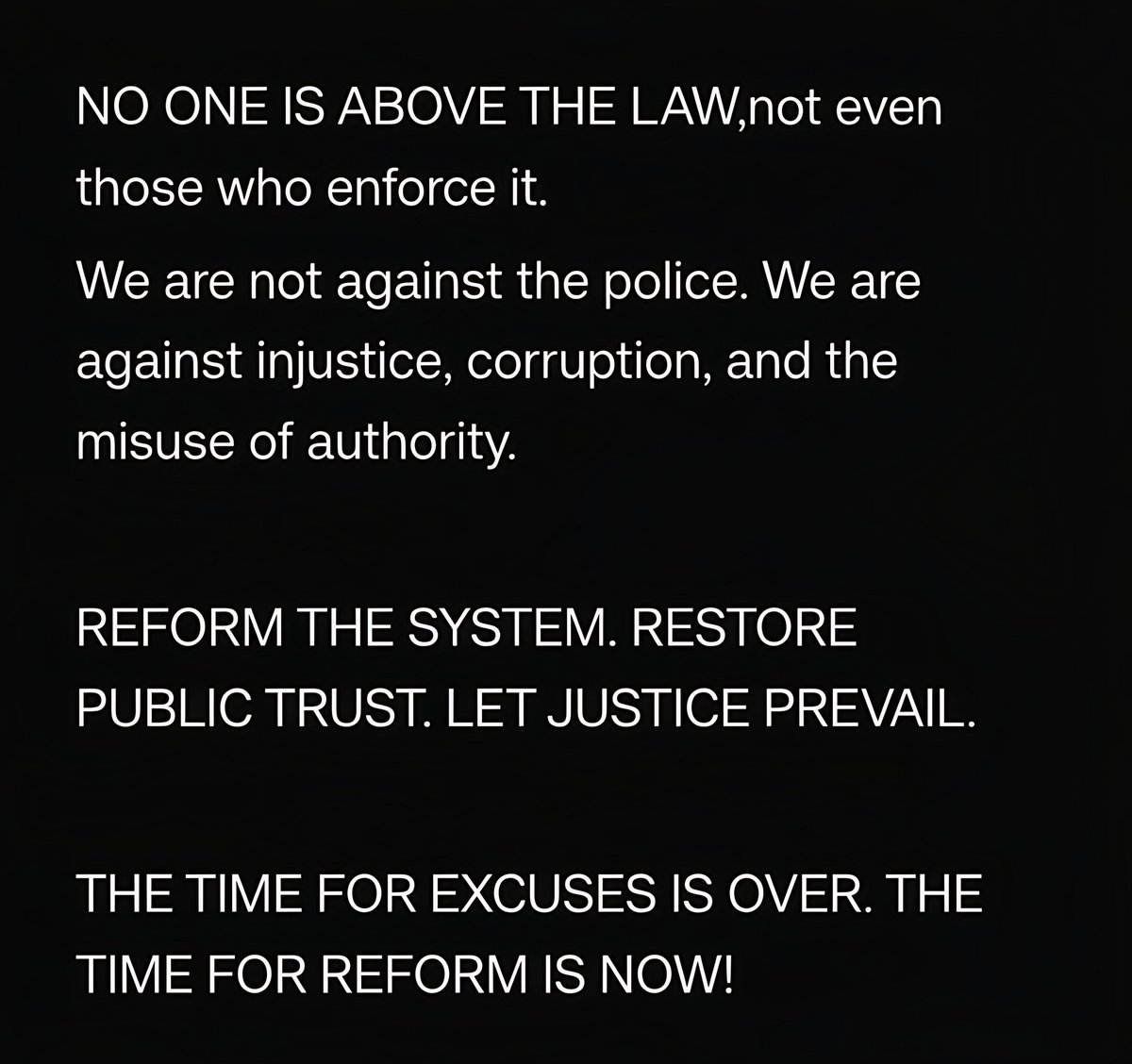
#policethepolice What is a Civil Right? Civil Liberty? Know the difference. #PoliceReformNow "I know you're guilty, just by lookin' at ya"! #PoliceReforms
Also, #police are not your friend.
“A popular government, without popular information, or the means of acquiring it is but a prologue to a Farce or a Tragedy.” ―James Madison
Police are NOT your friend, that's a fallacy that needs to be nipped in the bud now.
More comprehensive and detailed collection of policing reforms
This expands the earlier list with greater specificity, mechanisms, California context (drawn from the FAC Police Transparency Handbook, SB 1421/SB 16/SB 2 and related statutes, Prop 59 / Cal. Const. art. I, § 3(b), and NPAP materials), and recurring proposals from post-2020 accountability efforts. The emphasis remains on transparency, independent accountability, clearer standards, reduced unnecessary contact, and remedies that actually change behavior. California has enacted pieces of several items; persistent gaps are usually enforcement speed, scope, independence, and real consequences.
https://t.co/xgkYioOHqs
1. Transparency and public records access
Full, prompt public access under the California Public Records Act to officer-involved shootings (any firearm discharge at a person), uses of force causing death or great bodily injury, and sustained findings of excessive force, failure to intervene, dishonesty, sexual assault on the public, bias/prejudice/discrimination, and unlawful arrests or searches (SB 1421 + SB 16 expansions).
Mandatory timely release of body-worn camera, dashboard, and other critical-incident audio/video (AB 748), with narrow, time-limited redaction only for genuine privacy or active-investigation needs.
Enforce Prop 59’s constitutional mandate: access is the default; limitations must be narrowly construed and justified with specific findings.
Eliminate or tightly limit “investigatory records” exemptions that swallow the new transparency statutes; require agencies to segregate and release non-exempt portions.
Public dashboards and proactive disclosure of use-of-force, stop, search, and complaint data (building on California’s RIPA racial and identity profiling act reporting).
Stronger penalties and faster court enforcement for agencies that delay, over-redact, or improperly deny CPRA requests (FAC materials repeatedly note that the laws do not enforce themselves).
2. Qualified immunity and civil liability
Eliminate or severely limit qualified immunity for federal § 1983 claims so officers cannot escape liability for constitutional violations simply because no prior case described the exact facts.
Expand state-law remedies that already lack qualified immunity (e.g., California’s Bane Act after SB 2 modifications that removed certain statutory immunities for peace officers).
Make municipalities and agencies vicariously liable or jointly liable so the financial cost of misconduct falls on the institution that sets policy and culture, not solely on individual officers who are often indemnified.
Require departments to track lawsuits and settlements, analyze patterns, and implement corrective policies; consider tying insurance premiums or budget impacts to misconduct costs.
Fee-shifting and access-to-counsel provisions so people with meritorious claims can actually find experienced police-misconduct attorneys (NPAP’s core focus).
3. Independent investigation and prosecution
Independent, external investigation of all officer-involved shootings and serious uses of force—removing the structural conflict when local police or district attorneys investigate agencies they work with daily.
Strengthen and accelerate California Attorney General reviews of fatal shootings; documented delays have in some cases outrun statutes of limitations or decertification windows. Special prosecutors or independent units with their own investigators, forensic capacity, and public reporting.
Automatic referral of certain sustained misconduct findings to prosecutors and to the POST decertification process.
4. Civilian oversight with real authority
Independent civilian oversight bodies with subpoena power, independent budgets and staff, full and timely access to records, body-camera footage, complaint data, and internal investigations.
Authority to recommend or impose discipline, not merely advise.
Public reporting, community representation, and protection from retaliation.
Integration with existing transparency laws so oversight agencies can both receive and release relevant records.
5. Use-of-force standards and restraints
Deadly force permitted only when necessary to defend against an imminent threat of death or serious bodily injury (California has moved toward a “necessary” standard; full consistent application and training remain issues).
Mandatory de-escalation, crisis-intervention tactics, and consideration of alternatives before force when feasible. Force must be proportional to the seriousness of the offense and the level of resistance.
Explicit duty to intervene when another officer uses clearly excessive force, plus a duty to report, with anti-retaliation protections.
Clear guidelines on when firearms may be drawn or pointed.
Complete bans (and consistent enforcement) on chokeholds, carotid restraints, and techniques that risk positional asphyxia (already enacted in California; monitoring compliance is the ongoing need).
Consideration of bystander risk before discharging a firearm.
6. Body-worn cameras and technology
Mandatory body-worn cameras for all patrol and enforcement officers, with policies requiring activation during all enforcement encounters, prohibitions on selective muting or deactivation, and independent audits of compliance.
Prompt public release of footage in critical incidents, consistent with the transparency statutes.
Restrictions or strict regulation of facial recognition, predictive policing tools, and other surveillance technologies that raise accuracy, bias, or civil-liberties concerns; public reporting and oversight of their use.
Policies governing secondary employment and outside jobs that could create conflicts (recent FAC litigation has successfully pushed for disclosure of such records).
7. Decertification, licensing, and misconduct tracking
Robust statewide decertification (California’s POST system under SB 2) covering serious misconduct categories, with permanent ineligibility for officers who commit them.
A searchable national or multi-state database so officers fired or decertified cannot simply move to another department (“wandering officers”).
Stronger pre-employment screening: full history checks, psychological evaluation, and review of prior complaints and uses of force.
Early-warning systems inside departments that flag officers with repeated complaints or force incidents for intervention, retraining, or removal.
8. Data, reporting, and pattern analysis
Comprehensive, standardized collection and public release of data on stops, searches, seizures, uses of force, complaints, and demographic breakdowns.
Analysis of disparities and patterns, with mandatory corrective action when data show systemic problems.
Open data portals that researchers, journalists, oversight bodies, and the public can actually use.
9. Training, culture, and standards
Evidence-based training in de-escalation, crisis intervention, mental-health response, and procedural justice, with regular recertification.
Higher minimum standards for recruitment and ongoing fitness for duty.
Policies that reward de-escalation and problem-solving rather than solely enforcement metrics. Clear anti-bias policies with meaningful enforcement for discriminatory conduct.
10. Alternatives to police response
Dedicated unarmed co-responder or standalone teams for mental-health crises, substance-related calls, and other non-violent situations that do not require armed officers.
Diversion of appropriate calls away from police dispatch so the default response is not always law enforcement. Investment in community-based services that reduce the volume of low-level calls that currently go to police.
11. Civil asset forfeiture and other practices
Require a criminal conviction (or at least strong procedural protections and judicial findings) before forfeiture of property. End or strictly limit the practice of the seizing agency keeping the proceeds, which creates financial incentives. Transparency in forfeiture activity and proceeds.
12. Union contracts, arbitration, and discipline
Limit the ability of collective-bargaining agreements or arbitration processes to reinstate officers terminated for serious misconduct.
Make disciplinary records and outcomes more transparent, consistent with the SB 1421/SB 16 framework.
Prohibit provisions that delay or obstruct independent investigations.
13. Municipal and systemic accountability
Pattern-or-practice investigations by the California Attorney General’s Police Practices Section (and federal authorities) when data or complaints show systemic unconstitutional conduct.
Consent decrees or court-supervised reform agreements with independent monitors when patterns are found. Budget and policy linkages so departments face internal pressure to reduce misconduct rather than externalize the costs.
14. Implementation, enforcement, and access to remedies
Faster timelines and stronger consequences for agencies that fail to comply with existing transparency and reporting laws.
Practical access to counsel: support for organizations (NPAP network, ACLU affiliates, FAC legal hotline) that help people navigate records requests, statutes of limitations, and civil suits.
Public education so residents know they can file CPRA requests (sample letters exist), contact oversight bodies, and seek independent legal help without waiting for criminal charges to be filed.
These reforms are interdependent. Transparency without independent investigation or meaningful liability often produces records that never change behavior. Clearer force standards without training, early-warning systems, and decertification leave the same officers in place. Alternatives to police response reduce unnecessary encounters that can escalate.
California’s post-2018 laws (especially the transparency statutes explained in the FAC handbook and the decertification framework in SB 2) moved the state from one of the most secretive regimes to a more open one, but the handbooks and accountability materials repeatedly note that the laws require active use, litigation when agencies resist, and complementary changes in oversight, liability, and practice.
The shared notes file has been updated with this expanded framing so it remains available for later meme prompts or further refinement.List the reforms as a bulleted list
Comprehensive list of policing reforms
Full, prompt public access under the California Public Records Act to officer-involved shootings (any firearm discharge at a person), uses of force causing death or great bodily injury, and sustained findings of excessive force, failure to intervene, dishonesty, sexual assault on the public, bias/prejudice/discrimination, and unlawful arrests or searches (SB 1421 + SB 16).
Mandatory timely release of body-worn camera, dashboard, and other critical-incident audio/video (AB 748), with only narrow, time-limited redactions for genuine privacy or active-investigation needs.
Enforce Prop 59 / California Constitution Article I, § 3(b): access is the default; limitations must be narrowly construed and justified with specific findings.
Eliminate or tightly limit “investigatory records” exemptions that undermine the transparency statutes; require segregation and release of non-exempt portions.
Public dashboards and proactive disclosure of use-of-force, stop, search, and complaint data (building on California RIPA reporting).
Stronger penalties and faster court enforcement for agencies that delay, over-redact, or improperly deny CPRA requests.
Eliminate or severely limit qualified immunity for federal § 1983 claims so officers cannot escape liability solely because no prior case described the exact facts.
Expand state-law remedies that already lack qualified immunity (e.g., California Bane Act after SB 2 removed certain statutory immunities).
Make municipalities and agencies vicariously or jointly liable so the financial cost of misconduct falls on the institution that sets policy.
Require departments to track lawsuits and settlements, analyze patterns, and implement corrective policies; consider insurance or budget impacts tied to misconduct costs.
Fee-shifting and better access to experienced police-misconduct attorneys (NPAP network focus).
Independent, external investigation of all officer-involved shootings and serious uses of force to remove local police/DA conflicts of interest.
Strengthen and accelerate California Attorney General reviews of fatal shootings; reduce delays that can outrun statutes of limitations or decertification windows.
Special prosecutors or independent units with their own investigators, forensic capacity, and public reporting.
Automatic referral of certain sustained misconduct findings to prosecutors and to the POST decertification process.
Independent civilian oversight bodies with subpoena power, independent budgets and staff, full timely access to records/body-camera footage/complaints, and authority to recommend or impose discipline.
Public reporting, community representation, and anti-retaliation protections for oversight bodies.
Deadly force permitted only when necessary to defend against an imminent threat of death or serious bodily injury.
Mandatory de-escalation, crisis-intervention tactics, and consideration of alternatives before force when feasible.
Force must be proportional to the seriousness of the offense and the level of resistance.
Explicit duty to intervene when another officer uses clearly excessive force, plus a duty to report, with anti-retaliation protections.
Clear guidelines on when firearms may be drawn or pointed, and consideration of bystander risk before discharge.
Complete bans and consistent enforcement of prohibitions on chokeholds, carotid restraints, and techniques that risk positional asphyxia.
Mandatory body-worn cameras for patrol and enforcement officers, with activation during all enforcement encounters, prohibitions on selective muting/deactivation, and independent audits.
Prompt public release of footage in critical incidents consistent with transparency statutes.
Strict regulation or restrictions on facial recognition, predictive policing, and other surveillance tools, with public reporting and oversight.
Policies and disclosure requirements for secondary employment that could create conflicts.
Robust statewide decertification (California POST under SB 2) for serious misconduct, with permanent ineligibility.
Searchable national or multi-state misconduct database to stop “wandering officers.”
Stronger pre-employment screening: full history checks, psychological evaluation, and review of prior complaints and force incidents.
Early-warning systems that flag officers with repeated complaints or force for intervention, retraining, or removal.
Comprehensive standardized collection and public release of data on stops, searches, seizures, uses of force, complaints, and demographics.
Mandatory analysis of disparities and patterns, with corrective action when systemic problems appear.
Open data portals usable by researchers, journalists, oversight bodies, and the public.
Evidence-based training in de-escalation, crisis intervention, mental-health response, and procedural justice, with regular recertification.
Higher minimum recruitment standards and ongoing fitness-for-duty requirements.
Policies that reward de-escalation and problem-solving rather than pure enforcement metrics. Clear anti-bias policies with meaningful enforcement.
Dedicated unarmed co-responder or standalone teams for mental-health crises, substance-related calls, and other non-violent situations.
Diversion of appropriate calls away from police dispatch.
Investment in community-based services that reduce low-level calls currently routed to police.
Require a criminal conviction or strong judicial findings before civil asset forfeiture.
End or strictly limit the seizing agency keeping the proceeds.
Transparency in forfeiture activity and use of proceeds.
Limit collective-bargaining agreements or arbitration from reinstating officers terminated for serious misconduct.
Greater transparency of disciplinary records and outcomes consistent with SB 1421/SB 16.
Prohibit contract provisions that delay or obstruct independent investigations.
Pattern-or-practice investigations by the California Attorney General’s Police Practices Section (and federal authorities) for systemic unconstitutional conduct.
Consent decrees or court-supervised reform agreements with independent monitors when patterns are found.
Faster timelines and stronger consequences for non-compliance with existing transparency and reporting laws.
Practical public education and support so residents know how to file CPRA requests (FAC sample letters), contact oversight bodies, and seek independent legal help.
These items are interdependent: transparency without independent investigation or real liability often fails to change behavior; clearer standards without training, early-warning systems, and decertification leave the same officers in place; alternatives reduce unnecessary encounters that can escalate.
California’s post-2018 laws moved the state significantly, but implementation, speed, and complementary reforms remain the practical gaps.


KP Governor Approves Major Increase in Police Compensation
#KhyberPakhtunkhwa #KPPolice #FaisalKarimKundi #PoliceWelfare #PoliceMartyrs #PoliceCompensation #PakistanNews #PoliceReforms #LawEnforcement #PublicSafety @KP_Police @GovtofKPK @FaisalKarimKundi @PoliceMediaKP
https://t.co/3YpEtG6kPg



હર્ષ સંઘવીનો ટેક્નોલોજી પર ભાર, પોલીસકર્મીઓના જીવનમાં આવશે મોટો બદલાવ!
#HarshSanghavi #GujaratPolice #GujaratNews #PoliceTechnology #DigitalGujarat #PoliceReforms #Technology #GujaratGovernment #BreakingNews #LatestNews #WaahGujaratNews

بلیو وین موبائل پولیس اسٹیشن و لائسنسنگ یونٹس
کے ذریعے شہریوں کو ڈرائیونگ لائسنسنگ اور پولیس سے متعلق مختلف سہولیات کی فراہمی پر خاتون شہری کا اظہار خیال
#PunjabPolice #IGPunjab #KasurPolice #MobilePoliceStation #PublicService #PoliceReforms

Public safety demands transparency, timely procurement, and accountability. The priority must remain equipping police personnel with the protection they need to combat terrorism and maintain law and order.
#KhyberPakhtunkhwa #KPPolice #BalochistanPolice #PoliceReforms


خیبر پختونخوا میں امن اولین ترجیح، پولیس کی تنخواہوں اور شہدا پیکج میں اضافہ کریں گے: فیصل کریم کنڈی#FaisalKarimKundi #KhyberPakhtunkhwa #KP #Emergency #GovernorRule #Security #CounterTerrorism #PoliceReforms #MartyrsPackage #PakistanPolitics #PakistanNews #WTNNews #WTNUrdu


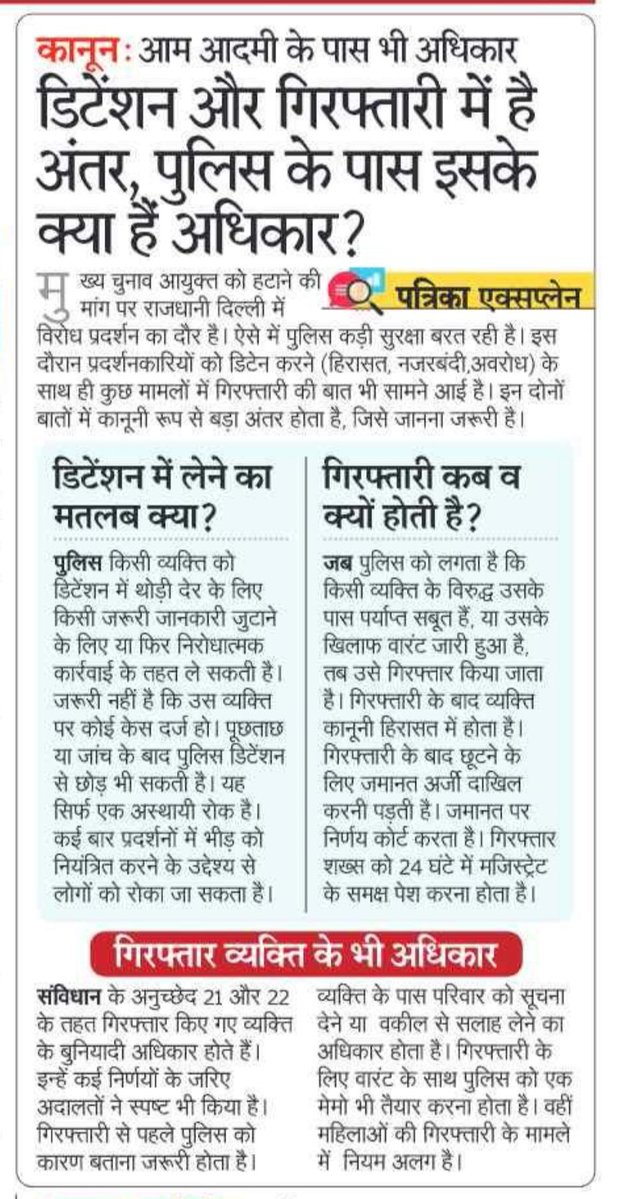
@ashok_Jodhpurii @BhajanlalBjp @RajCMO @PoliceRajasthan @8PMnoCM इनके जैसे दबंगई दिखाने वाले अधिकारियों की वजह से पुलिस की इज्जत खराब होती है और सोशल मीडिया पर छवि धूमिल होती है!इस अहंकारी अधिकारी को इतना घमंड था कि मौके पर कानून हाथ में लेने के बाद भी SM पर बदतमीजी कर रही थी! सोचो यह औरत आम आदमी के साथ क्या व्यवहार करती होगी?
#PoliceReforms

@DelhiPolice #DelhiPolice r LIARs. No need to prov it
>We understand ur LITERACY level, Ur VALUES & PRINCIPLES, Patriarchal mentality
>U r obeying ILLEGAL orders of #AmitShah. CHATUKAAR values
>V SAW ur values on 20July & how u r TREATING us NOW
>Why haven't U implemented 2006 #PoliceReforms?
پنجاب پولیس — خدمت، تحفظ اور اعتماد
#PunjabPolice #IGPunjab #MobilePoliceStation #PublicService #PoliceReforms


I know it will not happend anytime soon, but still.
We deserve a public service, not a colonial relic of satisfying POLITICAL masters.
The Indian Police Service must shed its structural atavism of citizen repression and embrace true, democratic accountability.
#PoliceReforms #IPS

సీఐపై అవినీతి ఆరోపణలు పై విచారణ జరపాలని డిమాండ్..
#NallapareddyPrasannaKumarReddy #CorruptionAllegations #ImpartialInvestigation #PoliceAccountability #JusticeForPeople #AntiCorruption #MisuseOfPower #DemandForInquiry #PoliceReforms #LawAndOrder #TransparencyAndAccountability


20 years after SC ruling on police reforms: Why political control still continues
Watch | https://t.co/343EDf1AT8
@NilanjanUdwin
For more such videos, subscribe: https://t.co/looqfhR07r
#PoliceReforms #SupremeCourt #PoliceReformsInIndia #PoliceAccountability #PoliticalInterference #PoliceIndependence #IndianJudiciary #LawAndOrder #Governance #JudicialReforms #IndianPolitics

Last Seen Hashtags on Sotwe
cos
Seen from United States
brosis(*) Filter:Videos
Seen from Turkey
creema特集掲載
Seen from United States
eden ivy
Seen from Brazil
nsfwtwt
Seen from Netherlands
کلیاتِ_اقبال
Seen from United States
Uroonkologie
Seen from United States
anxiouspanda
Seen from Mexico
鉴屌
Seen from United States
KnitCable
Seen from United States
Most Popular Users

Elon Musk 
@elonmusk
241.5M followers

Barack Obama
@barackobama
118.8M followers

Cristiano Ronaldo
@cristiano
114.6M followers

Donald J. Trump
@realdonaldtrump
111.8M followers

Narendra Modi
@narendramodi
107.1M followers

Rihanna
@rihanna
98.7M followers

NASA
@nasa
92.3M followers

Justin Bieber
@justinbieber
91.8M followers

KATY PERRY
@katyperry
90.1M followers

Taylor Swift
@taylorswift13
84M followers

Lady Gaga
@ladygaga
75.5M followers

Virat Kohli
@imvkohli
73.5M followers

Kim Kardashian
@kimkardashian
70.9M followers

YouTube
@youtube
68.8M followers

Neymar Jr
@neymarjr
66.5M followers

Bill Gates
@billgates
65.3M followers

Selena Gomez
@selenagomez
63.1M followers

The Ellen Show
@theellenshow
62.2M followers

CNN
@cnn
61.7M followers

X
@x
60.7M followers