

Top Tweets for #prismproject

“I came to #RwandaAgriShow2026 to testify the positive impact of the #PRISMProject": How the PRISM Project Is Transforming Rural Livelihoods in Rwanda
The Partnership for Resilient and Inclusive Small Livestock Markets (PRISM) is a flagship initiative of the Government of Rwanda, implemented through the Ministry of Agriculture and Animal Resources (MINAGRI) by the Rwanda Agriculture and Animal Resources Development Board – Single Project Implementation Unit (RAB-SPIU), in partnership with the International Fund for Agricultural Development (IFAD).
The project aims to reduce rural poverty by empowering women, men, and youth to actively participate in the transformation of Rwanda’s livestock sector. By strengthening small livestock value chains, PRISM is improving household incomes, enhancing food and nutrition security, and building resilience among vulnerable rural communities.
In Huye District, the project has already made a significant impact. PRISM has identified and supported 1,716 farmers across five sectors: Gishamvu, Karama, Kinazi, Ruhashya, and Rwaniro. Of these beneficiaries, 1,002 are women and 714 are men, reflecting the project’s strong commitment to gender-inclusive and community-driven development.
Through PRISM:
✅338 farmers received an initial distribution of 3,380 chickens.
✅701 additional farmers benefited from 7,330 chickens through the Passing on the Gift approach.
✅154 farmers received pigs, while 161 more households benefited from piglets shared through the same community model.
✅536 farmers received 1,072 goats, with another 67 households benefiting through the Passing on the Gift system.
These investments are helping households diversify their income sources, improve nutrition, and establish sustainable livestock enterprises.
A Cooperative’s Journey of Transformation
Among the exhibitors at #RwandaAgriShow 2026 is IMPINDUKA ZA GISHAMVU Cooperative from Huye District, one of the beneficiaries supported by the PRISM Project.
The cooperative began as a unit of informal community groups before PRISM encouraged its members to formally organize into a cooperative. This transition enabled members to work together more effectively, share knowledge, access training, and seize opportunities collectively.
Speaking at the exhibition, UWIMANA Florence, Vice President of the cooperative, shared how PRISM transformed both their organization and their livelihoods.
“I came to Rwanda Agricultural Show to testify to the positive impact of the PRISM Project. The project identified us as vulnerable households and provided us with comprehensive training on cooperative development, animal husbandry, nutrition, and the Passing on the Gift approach (Kwitura). Each member received ten chickens, which became the foundation of our poultry enterprise.”
She explained that income from egg sales enabled the cooperative to expand into chick production.
“After earning money from that 10 chicken we started to raise a chicks for sale, we started by raising 200 chicks. Today, we produce around 500 chicks, which we sell to other farmers. We have also started passing on livestock to other households, just as PRISM trained us to do. This model allows the benefits of the project to reach more families within our community.”
Today, the cooperative is no longer simply raising poultry, it has become a source of income, improved nutrition, and hope for its members.
Florence also expressed her appreciation to PRISM for creating opportunities to participate in Rwanda Agricultural Show 2026.
She noted that the exhibition provides a valuable platform to connect with fellow livestock farmers, exchange experiences, learn from other innovators, and explore new business opportunities. With visitors coming from across Rwanda and beyond, the exhibition also opens doors to new markets and potential partnerships.
The story of IMPINDUKA ZA GISHAMVU Cooperative demonstrates how targeted government investment, combined with the support of development partners such as IFAD, can transform vulnerable households into thriving rural enterprises.
Through initiatives like PRISM, the Government of Rwanda is doing more than distributing livestock, it is building resilient communities, creating sustainable livelihoods, strengthening food security, and empowering rural families to become active contributors to the country’s agricultural transformation.
Rwanda Agricultural Show 2026 continues to provide an invaluable platform where farmers, cooperatives, agribusinesses, development partners, and innovators come together to share experiences, showcase success stories, build partnerships, and explore new market opportunities. Beyond the exhibition, it serves as a catalyst for learning, innovation, and collaboration, accelerating the transformation of Rwanda’s agriculture and livestock sectors.
#RwandaAgriShow2026 #PRISMProject
Cc;
@AsaGiertz
@SRwamulangwa
@umflora
@T_Ndabamenye
@solangeuwituze
@g_mukeshimana
@WorldBank
@HitimanaJean
@MRugamba
@MutangwaSarah
@RwandaAgriBoard
@BRDbank
@RwandaAgri
@KOICA_Rwanda
@WorldBankGroup
@HITIMANAJean
@IFAD


My stunning prism model wuxia and elf retextured for my debut yayyy done by @Mercy1078_
Prism parents: @Akizone @MeezieLive2d #prismproject #vtuber


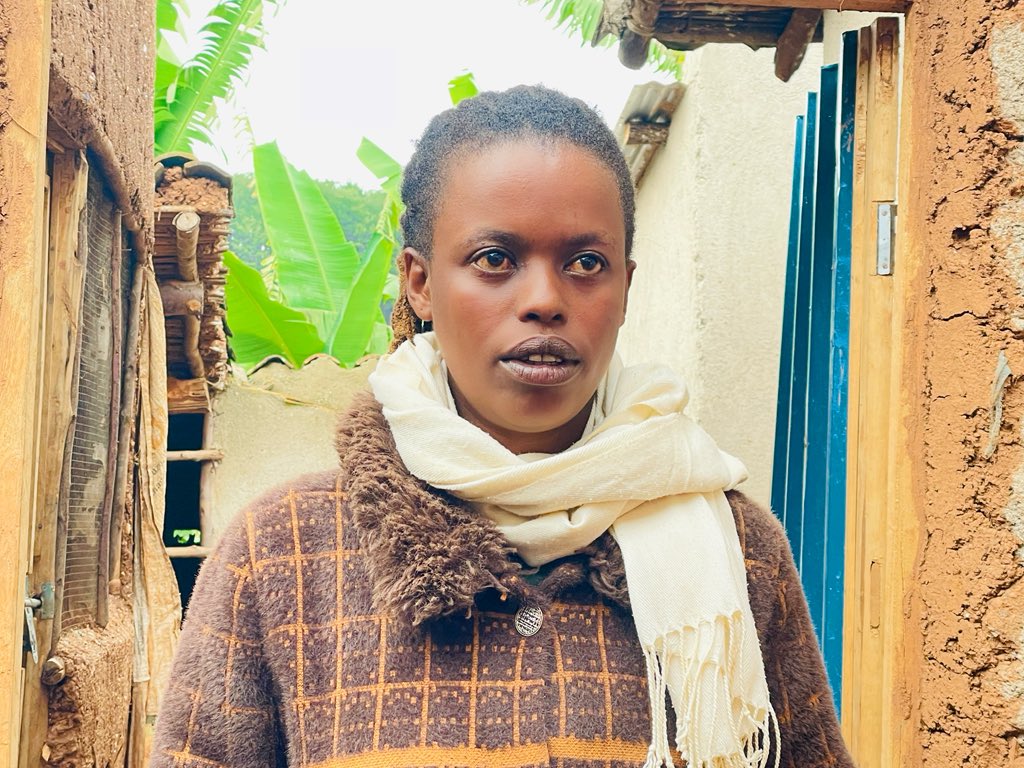
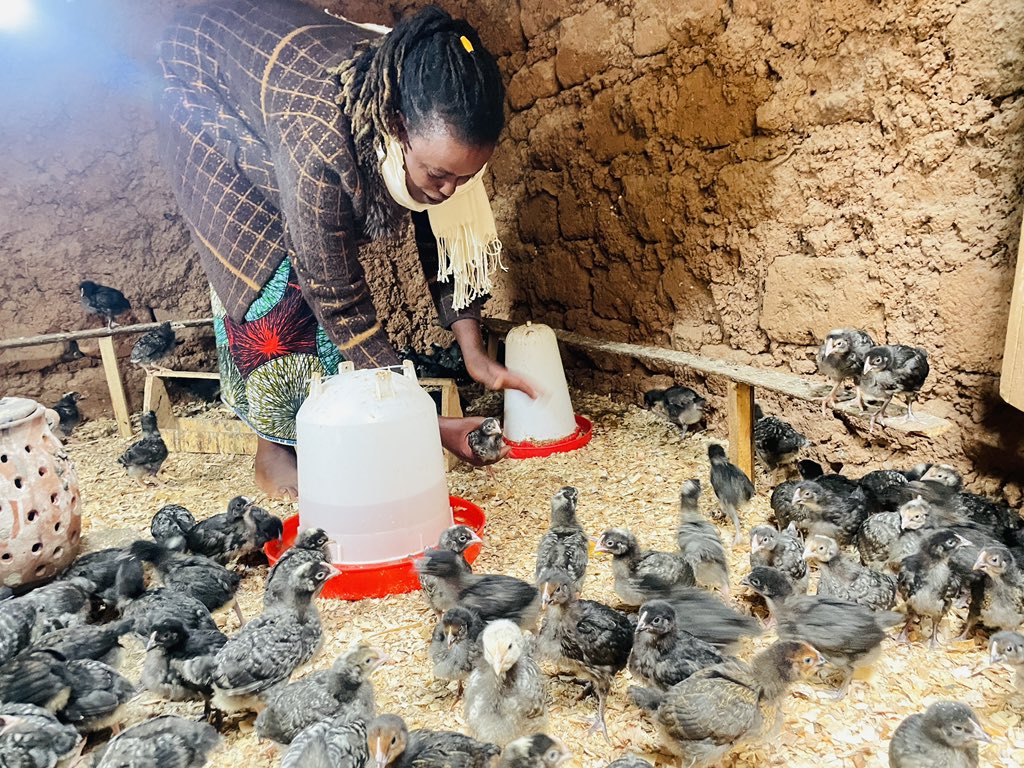
From 10 chickens to a thriving poultry business!
Meet Esther Mukamurigo from Gitwa Village, @RuhangoDistrict once a casual laborer struggling daily, now building a scalable farm thanks to the #PRISMproject.
Small start → massive impact.
1/6
Thread 👇


From 10 chickens to a thriving poultry business!
Meet Esther Mukamurigo from Gitwa Village, @RuhangoDistrict once a casual laborer struggling daily, now building a scalable farm thanks to the #PRISMproject.
Small start → massive impact.
1/6
Thread 👇
From 10 chickens to a thriving poultry business!
Meet Esther Mukamurigo from Gitwa Village, @RuhangoDistrict once a casual laborer struggling daily, now building a scalable farm thanks to the #PRISMproject.
Small start → massive impact.
1/6
Thread 👇
NYABIHU, KARONGI, NYAMASHEKE AND NGORORERO DISTRICT: PRISM PROJECT DELIVERING MEASURABLE IMPACT AND RESILIENT LIVELIHOODS
Across @NyabihuDistrict, @KarongiDistr, @Nyamasheke, and @NgororeroDistr, the #PRISMProject has translated policy vision into tangible results by strengthening smallholder livestock systems, improving nutrition, and expanding inclusive economic opportunities for vulnerable households, particularly women and youth.
In @NyabihuDistrict, #PRISM interventions have supported households to build resilient livelihoods through improved small livestock production, skills development, and community-based organization.
Many beneficiary families particularly ABIHUJE GROUP have progressed toward self-reliance by expanding livestock numbers, investing in land and housing, joining savings and credit schemes, and consistently meeting education and health insurance costs, demonstrating sustained socio-economic improvement.
In @KarongiDistr, where #PRISM operates in the sectors of Gashari, Murambi, Murundi, Mutuntu, and Ruganda, the project has combined livestock support, market infrastructure development, slaughter house building, extensive training, and the formation of self-help groups.
These interventions have enabled households to increase incomes, invest in productive assets, strengthen savings culture, and diversify income-generating activities, reinforcing long-term resilience and entrepreneurship.
In @Nyamasheke, #PRISM has achieved large-scale outreach across Mahembe, Gihombo, Kirimbi, Cyato, and Rangiro sectors, covering 12 cells.
The project distributed:
✅19,160 chickens to 1,779 households
✅1,585 goats to 893 households
✅842 pigs to 600 households
These livestock assets have significantly improved household income, food security, and nutrition, while enabling families to reinvest in housing, education, health insurance, and savings mechanisms.
In @NgororeroDistr, #PRISM operates in Bwira, Kageyo, Kavumu, Matyazo, and Nyange sectors, delivering some of the project’s most comprehensive interventions.
Key achievements include:
✅Construction of a Veterinary Clinic in Ngororero Sector, providing animal diagnosis and treatment services
✅Establishment of a Small Livestock Market in Kabaya Sector, improving access to trade and market opportunities
✅Distribution of 20,700 chickens to 2,019 households
Distribution of 664 pigs and 1,332 goats to 443 households
✅Provision of 129 water tanks to 127 households and 2 groups
✅Distribution of 3,492 avocado seedlings to 1,164 households, alongside vegetable seeds (beetroot, carrot, and amaranthus) to combat malnutrition
Chickens and pigs were provided together with basic animal feed and materials for constructing animal shelters, ensuring animal welfare and productivity from the start.
Across these four districts, #PRISM’s results clearly show that livestock distribution combined with infrastructure, skills, nutrition-sensitive agriculture, and market access leads to lasting transformation.
The project has enabled households to build assets, strengthen food and nutrition security, participate in financial systems, and invest confidently in future generations, affirming #PRISM as a driver of inclusive and resilient rural development in Rwanda.
A special thanks goes to @RwandaAgri, @RwandaAgriBoard, @IFAD, and @HeiferRwanda for their invaluable support in making these transformations possible. We also extend gratitude to district and sector and all the resilient farmers who shared their stories.
#PRISMimpact




@Agronomme_ @RwandaAgri @RwandaAgriBoard @solangeuwituze @SRwamulangwa @RwandaWest @MutangwaSarah @T_Ndabamenye @umflora @g_mukeshimana @NshokeyinkaJ PRISM proves that when you invest in livestock systems, markets, and basic services together, farmers thrive. A game-changing model for rural development in Rwanda. #PRISMProject
FROM SUPPORT TO SELF-RELIANCE: HOW PRISM IS CHANGING LIVES ACROSS WESTERN RWANDA
The #PRISMProject is a community-focused development initiative designed to help vulnerable households improve their livelihoods through small livestock farming, nutrition, skills development, and access to basic services. Rather than providing short-term aid, PRISM focuses on equipping families with the knowledge, resources, and confidence needed to build sustainable livelihoods from their own homes.
Across @NgororeroDistr , @Nyamasheke , @NyabihuDistrict , and @KarongiDistr districts, the impact of this approach is becoming increasingly visible.
One of PRISM’s key strategies has been investing in essential livestock infrastructure that supports farmers beyond the household level.
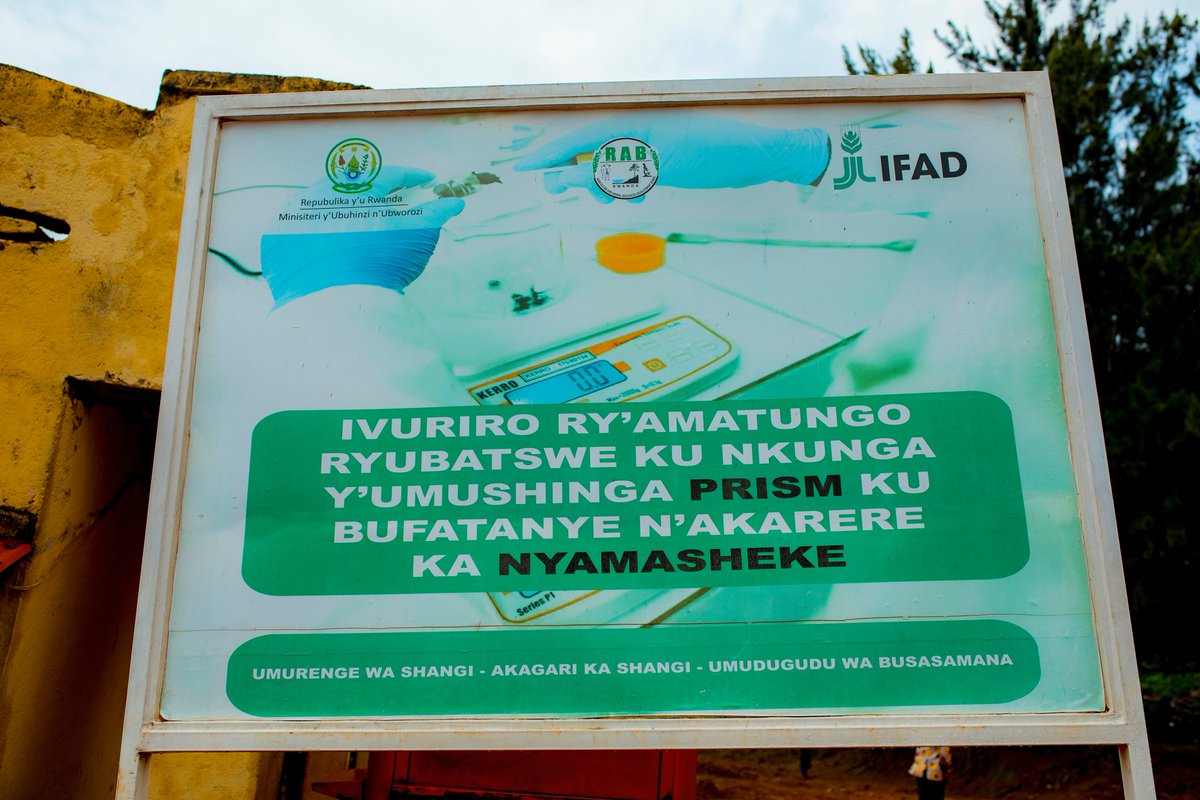
In Ngororero District, PRISM constructed a Veterinary Clinic in Ngororero Sector, offering services such as animal diagnosis and treatment that were previously difficult to access. The project also established a Small Livestock Market in Kabaya Sector, enabling farmers to buy and sell poultry, pigs, and goats closer to home.
In Karongi District, PRISM supported the construction of a livestock market and a pig slaughterhouse, creating safe and organized market systems that help farmers earn better income while meeting hygiene and quality standards.
In Nyamasheke District, facilities such as the Shangi Proximity Veterinary Clinic and small livestock markets are improving access to veterinary services and reducing animal losses.
These investments are strengthening local livestock systems and creating an enabling environment for farmers to grow.
PRISM prioritizes small livestock, which are affordable, easy to manage, and capable of generating quick returns for households.
In Ngororero District, where PRISM operates in Bwira, Kageyo, Kavumu, Matyazo, and Nyange sectors, the project supported:
•20,700 chickens to 2,019 households
•664 pigs to 443 households
•1,332 goats to 443 households
In Nyamasheke District, covering Mahembe, Gihombo, Kirimbi, Cyato, and Rangiro sectors, PRISM distributed:
•19,160 chickens to 1,779 households
•1,585 goats to 893 households
•842 pigs to 600 households
In Karongi District, PRISM initially supported farmers with 4,576 animals. Through the Passing on Gifts approach, where beneficiaries share offspring with others, the number of animals has grown to 10,104, allowing more families to benefit over time.
In Nyabihu District, PRISM-supported groups such as ABIHUJE in Rambura Sector demonstrate how training and livestock support can evolve into practical solutions. After receiving chickens and pigs, group members organized themselves to address challenges like lack of markets and expensive animal feed by selling eggs and locally available livestock feed—turning obstacles into opportunities.
PRISM recognizes that sustainable livelihoods require more than animals alone.
In Ngororero District, PRISM provided:
•129 water tanks to 127 households and 2 groups
•3,492 avocado seedlings and vegetable seeds (beetroot, carrots, amaranthus) to 1,164 households, supporting better nutrition and fighting malnutrition
In Karongi District, the project supplied:
•162 solar panels to help farmers access electricity
•126 water tanks to improve access to clean water
These complementary interventions ensure that livestock gains translate into healthier, more resilient households.
In sectors such as Kirimbi in Nyamasheke District, PRISM support has reached:
•3,700 chickens across 370 households
•250 goats across 125 households
•213 pigs across 135 households
Behind these figures are families who can now sell animals, pay school fees, access animal-source foods, and plan for the future with confidence.
What sets PRISM apart is its emphasis on training, follow-up, and community ownership. …..


SMALL STEPS, BIG CHANGE: A COMMUNITY STORY FROM NYANGE SECTOR
Change does not always start with big projects. Sometimes, it begins with people learning new skills and deciding to work together. In Nyange Sector, Ngororero District, farmers supported by the #PRISMProject are turning small opportunities into lasting improvements for their families.
One such story comes from the farmers’ group DUTERIMBERE BUGABE 1.
The group brings together 26 members who were supported by PRISM through training in good livestock management and the provision of 10 chickens per member (4 cocks and 2 hens). Beyond livestock, members were encouraged to save money and plan jointly for future activities.
According to DUSABIREMA BEATHE, the President of DUTERIMBERE BUGABE 1, the trainings helped members understand how livestock can be managed as a reliable source of income rather than just a side activity.
She explained that the group decided to combine their efforts, save together, and use what they learned to build something sustainable for every member.
As poultry production improved, the group practiced Passing on Gifts, supporting fellow farmers organized under DUTERIMBERE BUGABE 2. This helped extend the benefits of PRISM beyond the initial group.
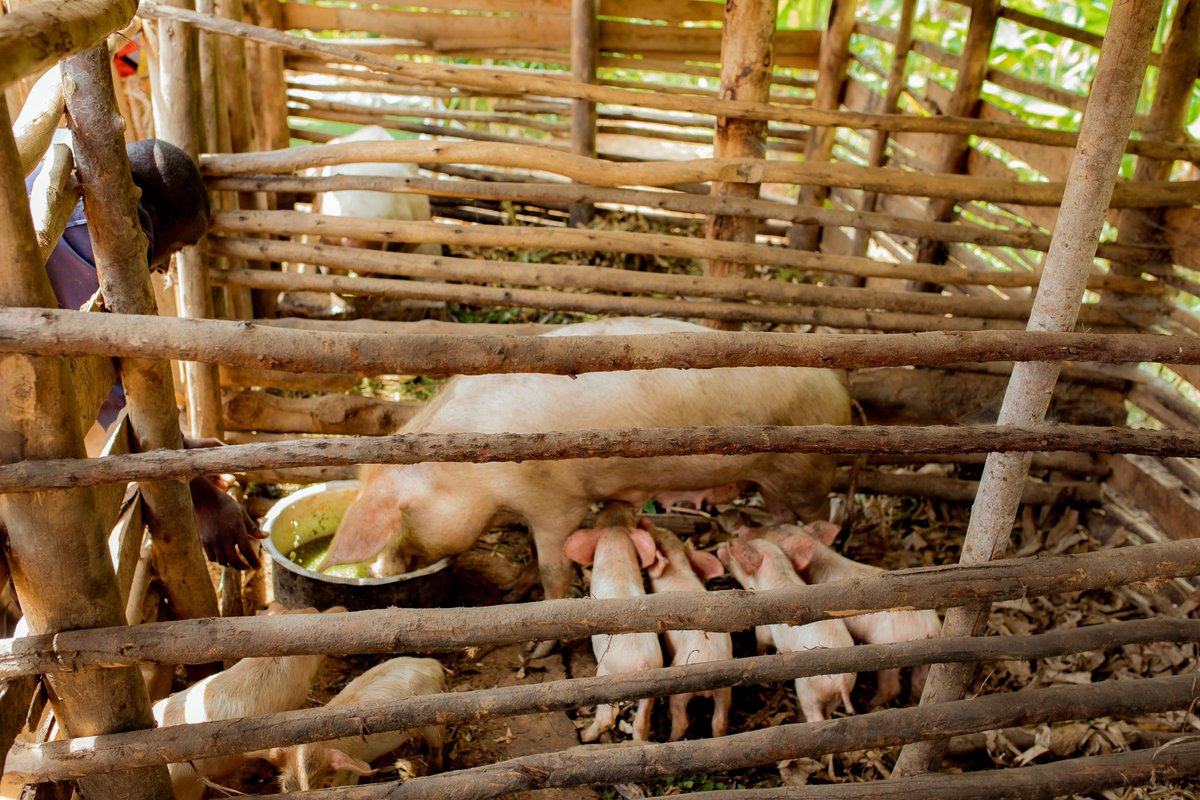
Using their savings and the confidence gained from training, members later invested in pig farming. When the pigs multiplied, each member received a piglet, supporting individual household development while keeping the group united.
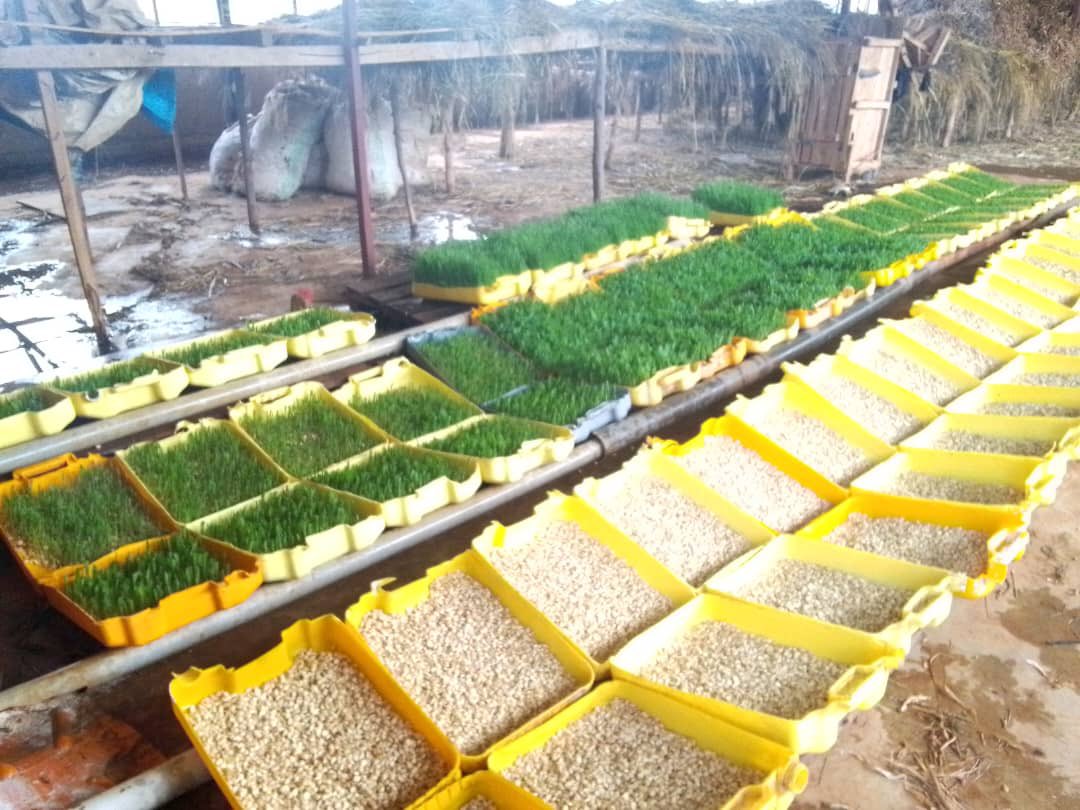
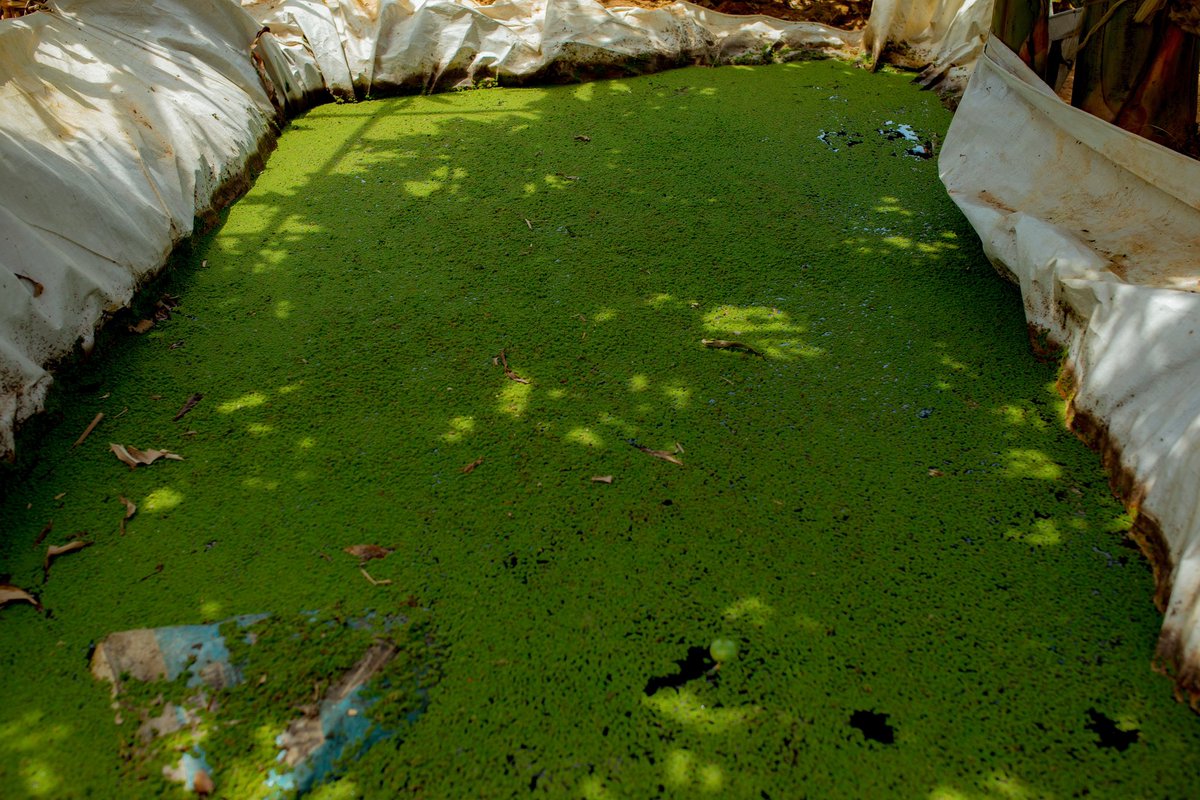
With the growth of pig farming came a challenge: expensive animal feeds. Instead of struggling, the group applied PRISM knowledge by introducing Azolla production and hydroponic fodder feeding.
These innovations reduced feeding costs and ensured healthy animals, proving that farmers can solve problems using local and affordable solutions.
UMUHIRE Fulgence, the Officer in Charge of Agriculture and Animal Resources in Nyange Sector, noted that PRISM has been implemented in the sector for four years, supporting farmers in two cells with hens, pigs, and continuous capacity building.
He highlighted that the sector now counts around 4,800 pigs, a clear increase compared to the period before PRISM. He added that farmers are not only raising more animals, but are doing so with better knowledge, better care, and improved productivity.
In addition, increased livestock ownership has boosted manure availability for crop production, strengthened household food security, and contributed to broader economic progress.
The experience of DUTERIMBERE BUGABE 1 shows how training, teamwork, and simple innovations can change lives. With PRISM’s support, farmers are building livelihoods step by step, confident, organized, and focused on long-term progress.
#PRISMImpacts


Nyabihu: Formerly poor families are now entrepreneurs https://t.co/YtmEP2Em3l
@NyabihuDistrict @IFAD @RwandaAgriBoard @RwandaAgri @WorldBankAfrica @TheForeFrontMa1 @Agronomme_
@ShimoYvette @diharagirimana
#PRISMProject
#EmpoweringWomen
#EndPoverty
#RAB - #SPIU

STRENGTHENING MARKETS, TRANSFORMING LIVELIHOODS: PRISM’S IMPACT ON SMALL LIVESTOCK FARMERS IN KARONGI
Since its launch in 2021, the PRISM Project has played a significant role in strengthening small livestock farming and market systems in @KarongiDistr District , with a clear focus on improving household incomes, nutrition, and resilience among rural communities.
#PRISM was designed to support farmers through the provision of non-ruminant livestock, capacity building, and the development of essential infrastructure that enables farmers to access markets and services more easily.
In Karongi District, PRISM initially supplied 4,576 animals to farmers. Through the Passing on Gifts (PoG) initiative, where beneficiaries share offspring with fellow community members, this number has grown to 10,104 animals, extending the project’s reach far beyond its original beneficiaries.
This approach has strengthened community solidarity while ensuring that more households benefit from livestock ownership and income-generating opportunities.
Alongside livestock distribution, PRISM has invested heavily in farmer training. Beneficiaries have been trained in:
•Good nutrition and balanced diets
•Improved livestock management practices
•Job creation and self-employment
These skills have enabled farmers not only to raise healthier animals, but also to use livestock as a pathway toward long-term economic independence.
To address market access challenges, PRISM supported the construction of a small livestock market and a pig slaughterhouse in Karongi District. These facilities have become key entry points for farmers to sell their animals in an organized, safe, and reliable environment.
Additionally, recognizing that limited access to basic services can undermine productivity, PRISM supported farmers with:
•162 solar panels, to improve access to electricity for households without power
•126 water tanks, to support water access for livestock and domestic use
According to ‘UMUHOZA Pascasie’, the Vice Mayor in charge of Social Affairs in Karongi District, PRISM’s interventions have played an important role in helping farmers move out of poverty.
She emphasized that through livestock support, infrastructure development, and training, the project has contributed to improving household welfare and strengthening community resilience across the district.
At the livestock market, farmers shared firsthand testimonies of change.
‘HAVUGIMANA Felicien’, a goat farmer, explained that before the establishment of the market, selling animals was challenging and often unprofitable. Today, access to a structured market has made it easier for him to sell his livestock at better prices, providing reliable income for his family.
Similarly, ‘UWITONZE Gentile’, a poultry farmer, shared that the situation has greatly improved. Where selling chickens was once uncertain and stressful, the market now offers a dependable outlet, allowing her to earn good income and plan confidently for the future.
The experience of Karongi District shows how PRISM’s integrated approach, combining livestock, training, infrastructure, and community systems, can transform small livestock farming into a viable and dignified livelihood.
For many farmers, the livestock market is more than a trading space; it is a symbol of opportunity, stability, and progress made possible through targeted, inclusive development.
#PRISMProject


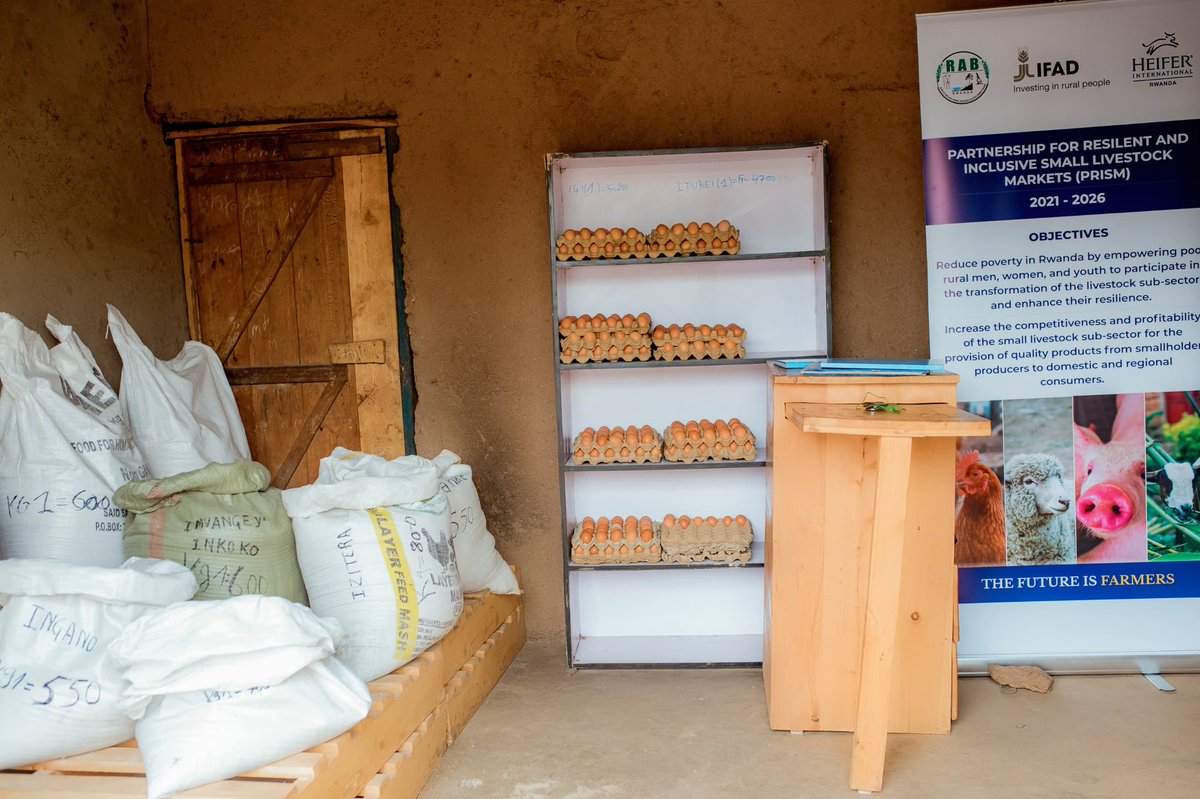
In @NyabihuDistrict, Rambura Sector, members of the ABIHUJE group who were trained and supported with chickens and pigs through the #PRISM Project decided to address the challenges they were facing by engaging in the sale of eggs produced from their own poultry and animal feeds.
The ABIHUJE group was formed after the merging of different self-help groups that had previously received training and livestock support from the PRISM Project. By coming together, the members aimed to strengthen their activities and find sustainable solutions to common challenges.
Currently, the ABIHUJE group is composed of 50 members, each of whom received 10 chickens and other received one pig through PRISM support.
According to ‘HAGENIMANA Louise’, the President of the ABIHUJE group, the idea of selling eggs and animal feeds emerged after the group realized that they were producing a high volume of eggs without a reliable market, while at the same time facing difficulties in accessing animal feed near their farms.
Members of the group expressed their appreciation to the PRISM Project for supporting their development by providing them with productive livestock, which enabled them to generate income and improve their livelihoods.
‘MUGIRANEZA Vedaste’, one of the beneficiaries who received a pig, explained that before receiving the livestock, it was very difficult for him to access the financial resources needed to meet his basic household needs. Today, he is able to earn income from pig farming, and he and his fellow group members confirm that they have achieved tangible progress as a result of the livestock support they received.
These achievements are further confirmed by ‘MUKANKUSI Brigitte’, a PRISM Community Facilitator in Rambura Sector, who stated that the PRISM Project was designed to help lift communities out of poverty. She noted that, based on the results achieved so far, many beneficiaries have made significant steps toward economic self-reliance.
#PRISMProject


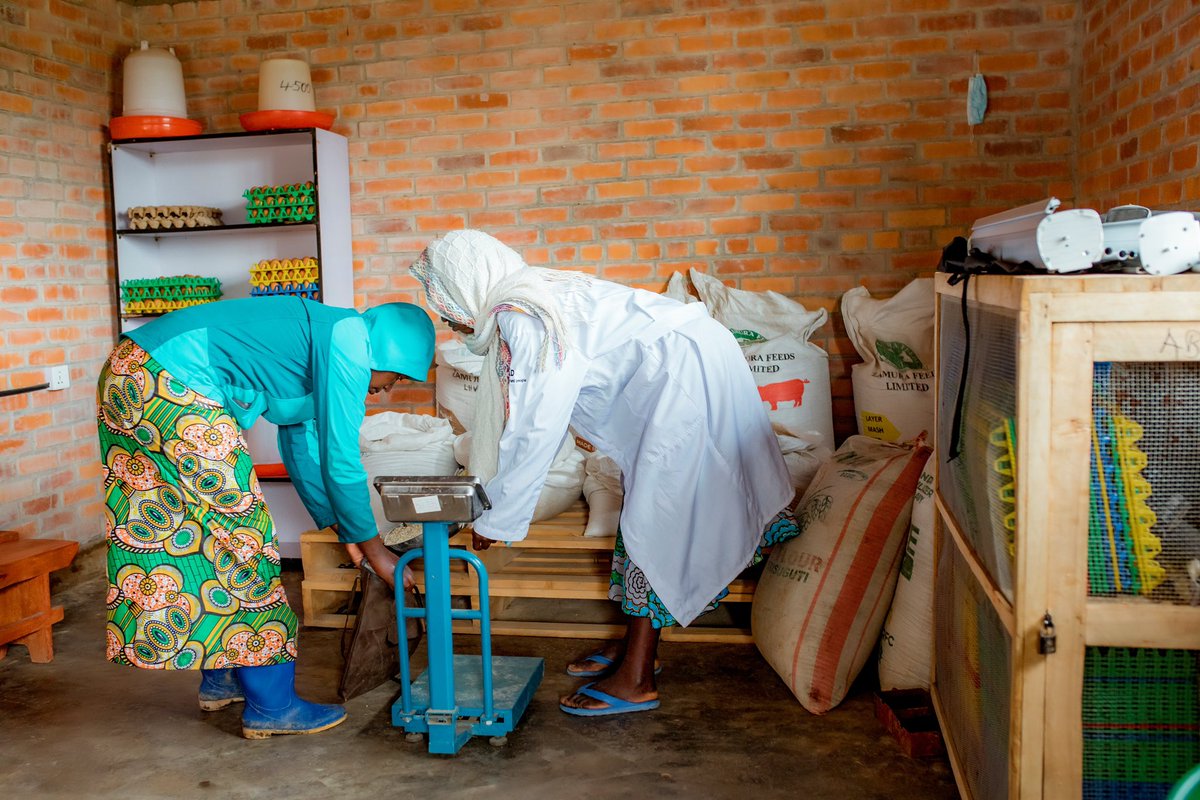

In @NyabihuDistrict, Rambura Sector, members of the ABIHUJE group who were trained and supported with chickens and pigs through the #PRISM Project decided to address the challenges they were facing by engaging in the sale of eggs produced from their own poultry and animal feeds.
The ABIHUJE group was formed after the merging of different self-help groups that had previously received training and livestock support from the PRISM Project. By coming together, the members aimed to strengthen their activities and find sustainable solutions to common challenges.
Currently, the ABIHUJE group is composed of 50 members, each of whom received 10 chickens and other received one pig through PRISM support.
According to ‘HAGENIMANA Louise’, the President of the ABIHUJE group, the idea of selling eggs and animal feeds emerged after the group realized that they were producing a high volume of eggs without a reliable market, while at the same time facing difficulties in accessing animal feed near their farms.
Members of the group expressed their appreciation to the PRISM Project for supporting their development by providing them with productive livestock, which enabled them to generate income and improve their livelihoods.
‘MUGIRANEZA Vedaste’, one of the beneficiaries who received a pig, explained that before receiving the livestock, it was very difficult for him to access the financial resources needed to meet his basic household needs. Today, he is able to earn income from pig farming, and he and his fellow group members confirm that they have achieved tangible progress as a result of the livestock support they received.
These achievements are further confirmed by ‘MUKANKUSI Brigitte’, a PRISM Community Facilitator in Rambura Sector, who stated that the PRISM Project was designed to help lift communities out of poverty. She noted that, based on the results achieved so far, many beneficiaries have made significant steps toward economic self-reliance.
#PRISMProject
FROM TEN CHICKENS TO A SUSTAINABLE LIVELIHOOD: PRISM’S REAL IMPACT IN @GakenkeDistrict
Progress in rural development is often best measured through the lives that change over time. In Gakenke District, the PRISM Project continues to demonstrate how small livestock, when combined with training, organization, and family cooperation, can become a foundation for long-term transformation.
One of the farmers whose journey reflects this impact is Nkunzwenabake Jean Claude, a resident of Karambo Sector, Kanyanza Cell, Karambi Village.
Nkunzwenabake Jean Claude began his journey under the PRISM Project after receiving 10 chickens. Through proper management, training, and commitment, those few birds became the starting point of a growing livelihood.
Today, he owns 380 chickens, alongside pigs, a cow, and even a forest valued at approximately 700,000 RWF. What once began as a modest intervention has evolved into a diversified and resilient household economy.
He attributes this progress not only to the support received through PRISM, but also to strong family harmony, cooperation, and shared decision-making—factors that have allowed the household to grow together and invest wisely.
Beyond income, the change is evident in the family’s daily life. Nkunzwenabake explains that his household now enjoys a balanced and nutritious diet, including animal-source foods that were previously out of reach.
He recalls a time when hearing that others had prepared meat was only a reminder of what his family could not afford. Today, that reality has changed—nutrition is no longer a luxury, but part of everyday life.
With stability achieved, Nkunzwenabake has embraced the spirit of solidarity promoted by PRISM. He is now actively supporting neighbors by helping them start poultry farming, sharing chickens and knowledge so that others can begin their own journey toward self-reliance.
This ripple effect reflects the project’s emphasis on sustainability and community-driven growth.
The impact of PRISM extends far beyond individual households. According to Mukandayisenga Vestine, Mayor of Gakenke District, the project has supported families across five sectors by providing livestock alongside training and follow-up.
She highlighted that PRISM’s interventions have contributed to a reduction in malnutrition levels from 33.3% to 26%, demonstrating tangible progress in improving child nutrition and household wellbeing.
The experience of Gakenke District illustrates how PRISM aligns with Rwanda’s national priorities of poverty reduction and the fight against stunting. By empowering households with productive assets, knowledge, and a culture of cooperation, the project is delivering results that are both measurable and meaningful.
In Gakenke, PRISM is not just a project—it is a pathway to dignity, nutrition, and shared prosperity, built one household at a time.
#PRISMImpacts #PRISMProject


FROM INNOVATION TO IMPACT: HOW FARMERS ARE REDEFINING LIVESTOCK FEEDING
Access to affordable animal feed has long been one of the biggest barriers to successful small livestock farming. Today, practical solutions rooted in farmer knowledge and innovation are changing that reality—showing that sustainable livestock production can start at community level.
Through the #PRISMProject, farmers are adopting alternative feeding systems such as Black Soldier Fly (BSF) and Azolla, turning local resources into reliable feed for pigs and small livestock.
One of the farmers embracing this innovation is Ntirenganya Jean Bosco, a Black Soldier Fly producer from @BureraDistrict, Gahunga Sector, Rwasa Cell. With support from PRISM, he has established BSF production that now supplies protein-rich feed for livestock.
He explains that BSF farming has significantly eased the challenge of feed access. Instead of relying on expensive commercial feeds, farmers can now produce feed locally, reduce costs, and improve animal performance.
What once limited livestock growth has become an opportunity for efficiency and sustainability.
Alongside BSF, farmers are also cultivating Azolla, an aquatic plant used as green feed for pigs and other small livestock. Pig farmers using Azolla report improved access to feed and lower production costs, especially during periods when conventional feeds are scarce.
By integrating Azolla into daily feeding practices, households are strengthening livestock productivity while conserving resources.
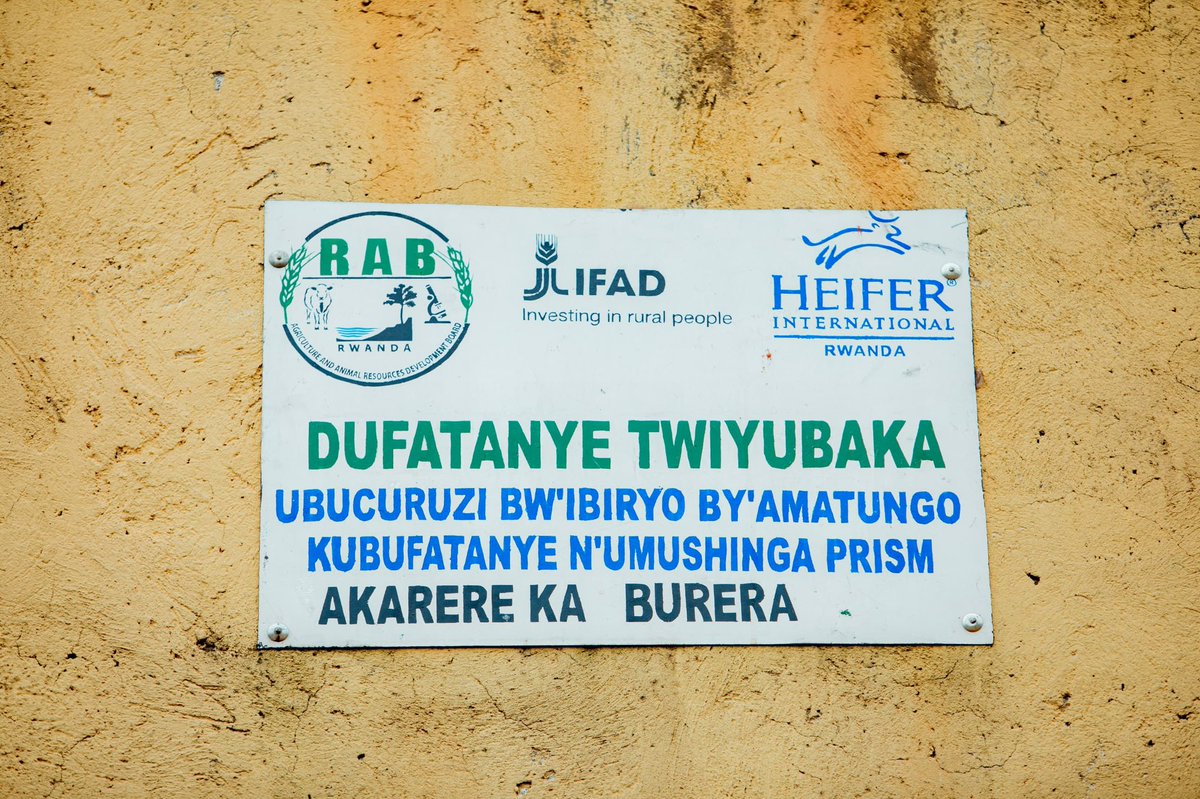
The impact of PRISM is also visible through organized farmer groups. One such group is “Dufatanye Twiyubaka”, led by Niyonsenga Emmaculle, which is actively engaged in the sale of animal feeds and livestock products, including eggs.
Before launching these activities, PRISM provided training to build technical skills and group management capacity. The group also received livestock support—chickens, sheep, and goats—under the Passing on the Gift approach, ensuring that benefits extend to other farmers in the community.
Group members shared that the training and support received through PRISM have brought meaningful changes at household level. Many families now keep chickens at home, contributing to improved nutrition and reduced malnutrition.
Increased income has enabled families to pay school fees, meet daily needs, and ease financial pressures.
Members also noted improved family harmony, as stable livelihoods have reduced stress and conflicts within households.
The adoption of BSF and Azolla reflects a broader shift toward climate-smart, community-driven livestock solutions. By equipping farmers with knowledge and practical tools, #PRISM is helping communities build systems that will continue delivering benefits well beyond the project period.
What is unfolding is more than innovation—it is a pathway toward resilient livelihoods, healthier families, and sustainable livestock farming.
#PRISMImpacts #PRISMProject


Last Seen Hashtags on Sotwe
เย็ดนักเรียน
Seen from Thailand
SonOyun
Seen from Turkey
e493系
Seen from United States
anxiouspanda filter:videos
Seen from Australia
DAUGHTEROFYAH
Seen from United States
minichat()
Seen from Turkey
dredd #bbc
Seen from Turkey
WriteInTheBern
Seen from United States
sinjiang
Seen from United States
Dhule Maharashtra
Seen from Singapore
Most Popular Users

Elon Musk 
@elonmusk
241.7M followers

Barack Obama
@barackobama
119M followers

Cristiano Ronaldo
@cristiano
114.4M followers

Donald J. Trump
@realdonaldtrump
111.9M followers

Narendra Modi
@narendramodi
107.2M followers

Rihanna
@rihanna
98.7M followers

NASA
@nasa
92.4M followers

Justin Bieber
@justinbieber
91.8M followers

KATY PERRY
@katyperry
90M followers

Taylor Swift
@taylorswift13
83.9M followers

Lady Gaga
@ladygaga
75.4M followers

Virat Kohli
@imvkohli
73.4M followers

Kim Kardashian
@kimkardashian
70.9M followers

YouTube
@youtube
68.8M followers

Neymar Jr
@neymarjr
66.4M followers

Bill Gates
@billgates
65.2M followers

Selena Gomez
@selenagomez
63.1M followers

The Ellen Show
@theellenshow
62.3M followers

CNN
@cnn
61.8M followers

X
@x
60.7M followers