

Top Tweets for #slomoco

when your governmental health agencies fail to provide information, it's handy to have people like this who can break it down
#SloMoCo #SlowMotionCovid #LongCovid

The Hidden Toll: How COVID-19 Ravages Your Muscles in Ways You Never Imagined Part 1;
The COVID-19 has messed up so many people. My cousin, my main doctor, my best friend, and now a new young man from New Jersey I have started trying to help.
This is not a regularly covered topic, as it feels like a small issue, but it’s not. One person I know has contemplated having their legs removed to relieve their pain.
Muscles are not just on your outsides, but line your stomach, and intestines, bladder and more. you chew with them, your beautiful smile needs . So many systems require this system to function.
But, many are also having a hard time moving their muscles. Btw As Just a reminder, the heart is a muscle, so think about that!
Muscles are being damaged. COVID-19 is causing the infiltration of muscles by plaques (made out of viral particles, and cellular debris) Other pathological changes have been observed, particularly in patients suffering from long COVID. This post delves into mechanisms, manifestations, and implications of muscle infiltration by plaques caused by COVID-19.
Mechanisms of Muscle Infiltration
Direct Viral Invasion and Immune Response
SARS-CoV-2, the virus responsible for COVID-19, can directly invade skeletal muscle cells through the angiotensin-converting enzyme 2 (ACE2) receptors, which are abundantly expressed in muscle tissue. This direct invasion can lead to muscle inflammation and damage. Additionally, the virus can trigger an immune response, leading to the activation of immune cells and the release of inflammatory cytokines, which further contribute to muscle damage[1][3][6].
Amyloid Deposits and Microclots
Recent studies have identified the presence of amyloid-containing deposits in the skeletal muscles of long COVID patients. These deposits can impair peripheral oxygen extraction and contribute to muscle fatigue and pain. Although these deposits do not necessarily block capillaries, their presence indicates a disturbed local immune response and potential chronic tissue hypoxia[2][5][12].
Clinical Manifestations
Myositis and Dermatomyositis
COVID-19 has been associated with various forms of myositis, including dermatomyositis, which is characterized by muscle weakness, rashes, and interstitial lung disease. Patients with COVID-19-induced myositis may present with elevated creatine kinase (CK) levels, muscle pain, and weakness. In severe cases, this can lead to significant muscle atrophy and necrosis[1][3][7].
Post-Exertional Malaise
Long COVID patients often experience post-exertional malaise, a condition where physical activity exacerbates symptoms such as fatigue, muscle pain, and weakness. Studies have shown that long COVID patients have more atrophic fibers, focal necrosis, and immune cell infiltration in their muscles compared to healthy controls. This suggests a locally disturbed immune response and severe tissue damage upon exertion[2][5][12].
Pathophysiological Insights
Immune Cell Infiltration
Muscle biopsies from long COVID patients reveal increased infiltration of CD68+ macrophages and CD3+ T-cells, indicating an ongoing immune response within the muscle tissue. This infiltration is associated with muscle fiber atrophy, necrosis, and regeneration, highlighting the chronic nature of muscle damage in these patients[2][5][10].
Mitochondrial Dysfunction
Mitochondrial dysfunction has been identified as a significant factor in the muscle pathology of long COVID patients. Mitochondria in these patients are less efficient, leading to reduced energy production and increased muscle fatigue. This dysfunction is exacerbated by physical activity, contributing to the severe post-exertional malaise observed in long COVID[5][12][13].
Implications for Treatment and Rehabilitation
Avoidance of Intense Exercise
Given the severe muscle damage and prolonged recovery times associated with post-exertional malaise, experts recommend that long COVID patients avoid intense physical activity. Instead, a tailored rehabilitation program focusing on gradual, low-intensity exercise may help improve muscle function without exacerbating symptoms[12][13].
Potential Therapeutic Strategies
Research into treatments aimed at improving mitochondrial health and reducing inflammation may offer new avenues for managing muscle-related symptoms in long-term COVID patients. Therapies targeting immune modulation and enhancing mitochondrial function could potentially alleviate some of the muscle pain, fatigue, and weakness experienced by these patients[12][13].
So, the infiltration of muscles by plaques and other changes by COVID-19 and its effects in long COVID patients represents a significant challenge. Understanding the mechanisms behind these changes, including direct viral invasion, immune response, and mitochondrial dysfunction, is crucial for developing treatments. As research continues, let's all fight for new therapeutic strategies. We may not know we have an issue from Covid-19, but be aware that it might be us next time, the next infection.
![Dave_it_up's tweet photo. The Hidden Toll: How COVID-19 Ravages Your Muscles in Ways You Never Imagined Part 1;
The COVID-19 has messed up so many people. My cousin, my main doctor, my best friend, and now a new young man from New Jersey I have started trying to help.
This is not a regularly covered topic, as it feels like a small issue, but it’s not. One person I know has contemplated having their legs removed to relieve their pain.
Muscles are not just on your outsides, but line your stomach, and intestines, bladder and more. you chew with them, your beautiful smile needs . So many systems require this system to function.
But, many are also having a hard time moving their muscles. Btw As Just a reminder, the heart is a muscle, so think about that!
Muscles are being damaged. COVID-19 is causing the infiltration of muscles by plaques (made out of viral particles, and cellular debris) Other pathological changes have been observed, particularly in patients suffering from long COVID. This post delves into mechanisms, manifestations, and implications of muscle infiltration by plaques caused by COVID-19.
Mechanisms of Muscle Infiltration
Direct Viral Invasion and Immune Response
SARS-CoV-2, the virus responsible for COVID-19, can directly invade skeletal muscle cells through the angiotensin-converting enzyme 2 (ACE2) receptors, which are abundantly expressed in muscle tissue. This direct invasion can lead to muscle inflammation and damage. Additionally, the virus can trigger an immune response, leading to the activation of immune cells and the release of inflammatory cytokines, which further contribute to muscle damage[1][3][6].
Amyloid Deposits and Microclots
Recent studies have identified the presence of amyloid-containing deposits in the skeletal muscles of long COVID patients. These deposits can impair peripheral oxygen extraction and contribute to muscle fatigue and pain. Although these deposits do not necessarily block capillaries, their presence indicates a disturbed local immune response and potential chronic tissue hypoxia[2][5][12].
Clinical Manifestations
Myositis and Dermatomyositis
COVID-19 has been associated with various forms of myositis, including dermatomyositis, which is characterized by muscle weakness, rashes, and interstitial lung disease. Patients with COVID-19-induced myositis may present with elevated creatine kinase (CK) levels, muscle pain, and weakness. In severe cases, this can lead to significant muscle atrophy and necrosis[1][3][7].
Post-Exertional Malaise
Long COVID patients often experience post-exertional malaise, a condition where physical activity exacerbates symptoms such as fatigue, muscle pain, and weakness. Studies have shown that long COVID patients have more atrophic fibers, focal necrosis, and immune cell infiltration in their muscles compared to healthy controls. This suggests a locally disturbed immune response and severe tissue damage upon exertion[2][5][12].
Pathophysiological Insights
Immune Cell Infiltration
Muscle biopsies from long COVID patients reveal increased infiltration of CD68+ macrophages and CD3+ T-cells, indicating an ongoing immune response within the muscle tissue. This infiltration is associated with muscle fiber atrophy, necrosis, and regeneration, highlighting the chronic nature of muscle damage in these patients[2][5][10].
Mitochondrial Dysfunction
Mitochondrial dysfunction has been identified as a significant factor in the muscle pathology of long COVID patients. Mitochondria in these patients are less efficient, leading to reduced energy production and increased muscle fatigue. This dysfunction is exacerbated by physical activity, contributing to the severe post-exertional malaise observed in long COVID[5][12][13].
Implications for Treatment and Rehabilitation
Avoidance of Intense Exercise
Given the severe muscle damage and prolonged recovery times associated with post-exertional malaise, experts recommend that long COVID patients avoid intense physical activity. Instead, a tailored rehabilitation program focusing on gradual, low-intensity exercise may help improve muscle function without exacerbating symptoms[12][13].
Potential Therapeutic Strategies
Research into treatments aimed at improving mitochondrial health and reducing inflammation may offer new avenues for managing muscle-related symptoms in long-term COVID patients. Therapies targeting immune modulation and enhancing mitochondrial function could potentially alleviate some of the muscle pain, fatigue, and weakness experienced by these patients[12][13].
So, the infiltration of muscles by plaques and other changes by COVID-19 and its effects in long COVID patients represents a significant challenge. Understanding the mechanisms behind these changes, including direct viral invasion, immune response, and mitochondrial dysfunction, is crucial for developing treatments. As research continues, let's all fight for new therapeutic strategies. We may not know we have an issue from Covid-19, but be aware that it might be us next time, the next infection.](https://pbs.twimg.com/media/GRTJmJoXkAE2mF_.jpg)

Nov 10 - Open Call for Calls for Provocations https://t.co/838MFk25HO
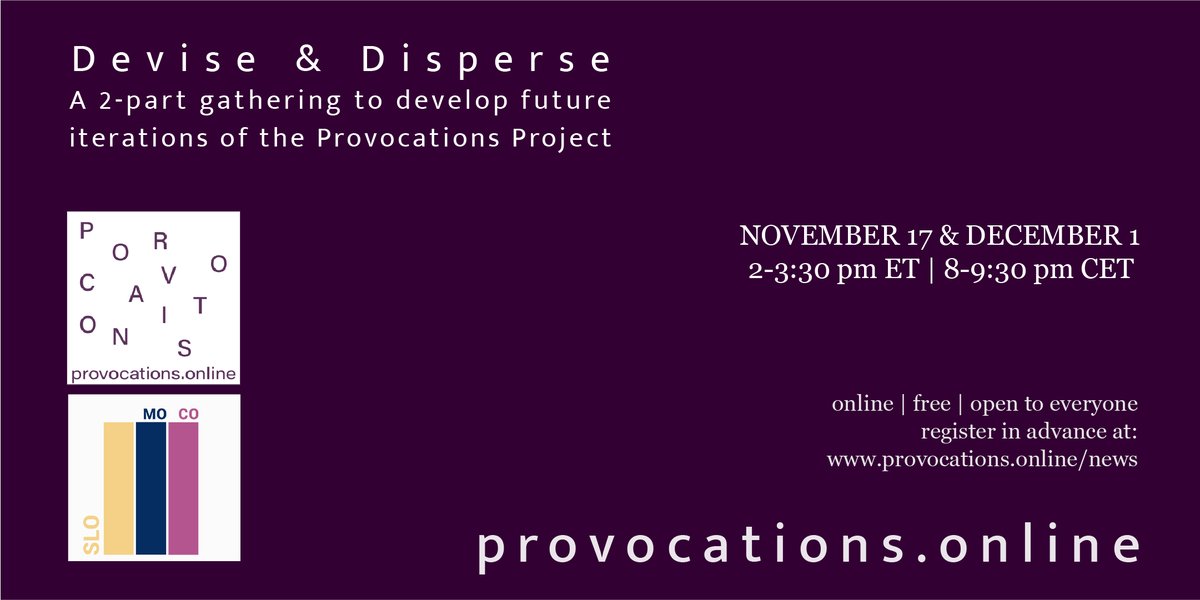
For the 3rd & final phase of #SloMoCo, the Provocations Project is expanding to develop new questions, pose them to new communities, and distribute and decentralize the work.
PROVOCATION SUBMISSION DEADLINE TODAY! SEP 1:
https://t.co/eJi7eCMkcL
#slomoco #dancecomputingstudies #provocations2021

Join @teomajn, John MacCallum, me, & fellow provocateurs to share in current and past critical discourse on the aesthetic, ethical, & political dimensions of movement analysis & representation across disciplines.
#slomoco #dancecomputingstudies #provocations2021
@teomajn, John MacCallum & I r kicking off Phase 2 - Provocations Project @SloMoCo & accepting provocations on, "what aspects of your practice / research are invisible to your collaborators?” Details here: https://t.co/IDjqP5ptwd
#slomoco #dancecomputingstudies #provocations2021


Fidelia Lam : hello? are you there? can you hear me? #slomoco spring phase 4.30.21
https://t.co/LqAC3ZCsMY


@profwernimont This is why I’ve loved #slomoco so far. Building community first but also building professional records
It's official - @teomajn, John MacCallum & I are (re)opening invitations to submit a provocation on "what escapes computation in interactive performance?" by 5/10. Many more related events & details here: https://t.co/IDjqP5ptwd
#slomoco #dancecomputingstudies #provocations2021


Last Seen Hashtags on Sotwe
straightboys
Seen from United Kingdom
nolimit()* filter:videos momson
Seen from Singapore
omegle
Seen from United States
นัดเย็ดอุบล
Seen from Thailand
情趣内衣
Seen from United States
kulimandi
Seen from Singapore
sensualwizard
Seen from France
直男黄金
bbc GRANNY
Seen from Saudi Arabia
เพิ่งหัดเล่น
Seen from Thailand
Most Popular Users

Elon Musk 
@elonmusk
240.9M followers

Barack Obama
@barackobama
119.2M followers

Donald J. Trump
@realdonaldtrump
111.8M followers

Cristiano Ronaldo
@cristiano
111.5M followers

Narendra Modi
@narendramodi
107M followers

Rihanna
@rihanna
97.9M followers

NASA
@nasa
92.2M followers

Justin Bieber
@justinbieber
91.1M followers

KATY PERRY
@katyperry
88.1M followers

Taylor Swift
@taylorswift13
82M followers

Lady Gaga
@ladygaga
73.5M followers

Virat Kohli
@imvkohli
70.6M followers

Kim Kardashian
@kimkardashian
70M followers

YouTube
@youtube
68.7M followers

Bill Gates
@billgates
64.1M followers

Neymar Jr
@neymarjr
63.5M followers

The Ellen Show
@theellenshow
62.4M followers

CNN
@cnn
61.9M followers

Selena Gomez
@selenagomez
61.2M followers

X
@x
60.8M followers