

Top Tweets for #system2thinking

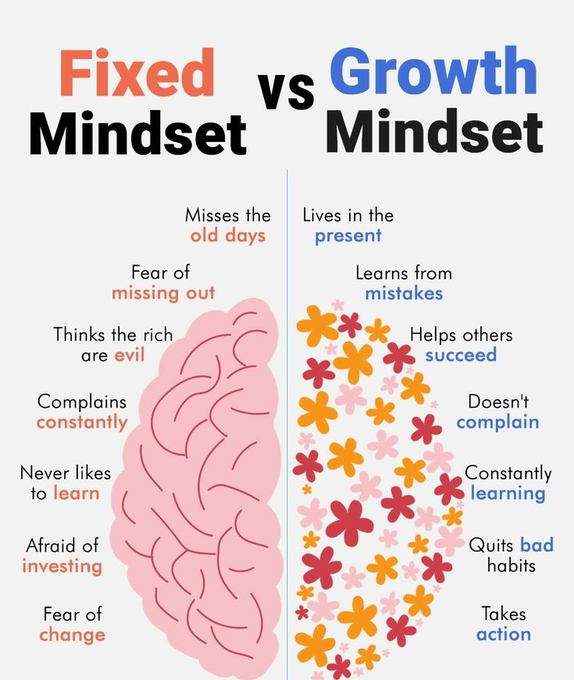
The #SlowGrowthMindset we use at @EnclaveAcademy to illustrate systematic—and sustainable—#System2Thinking, which was added to cognitive #psychology and behavioral economics by Nobel Laureate Dr. Daniel Kahneman (1934-2024).
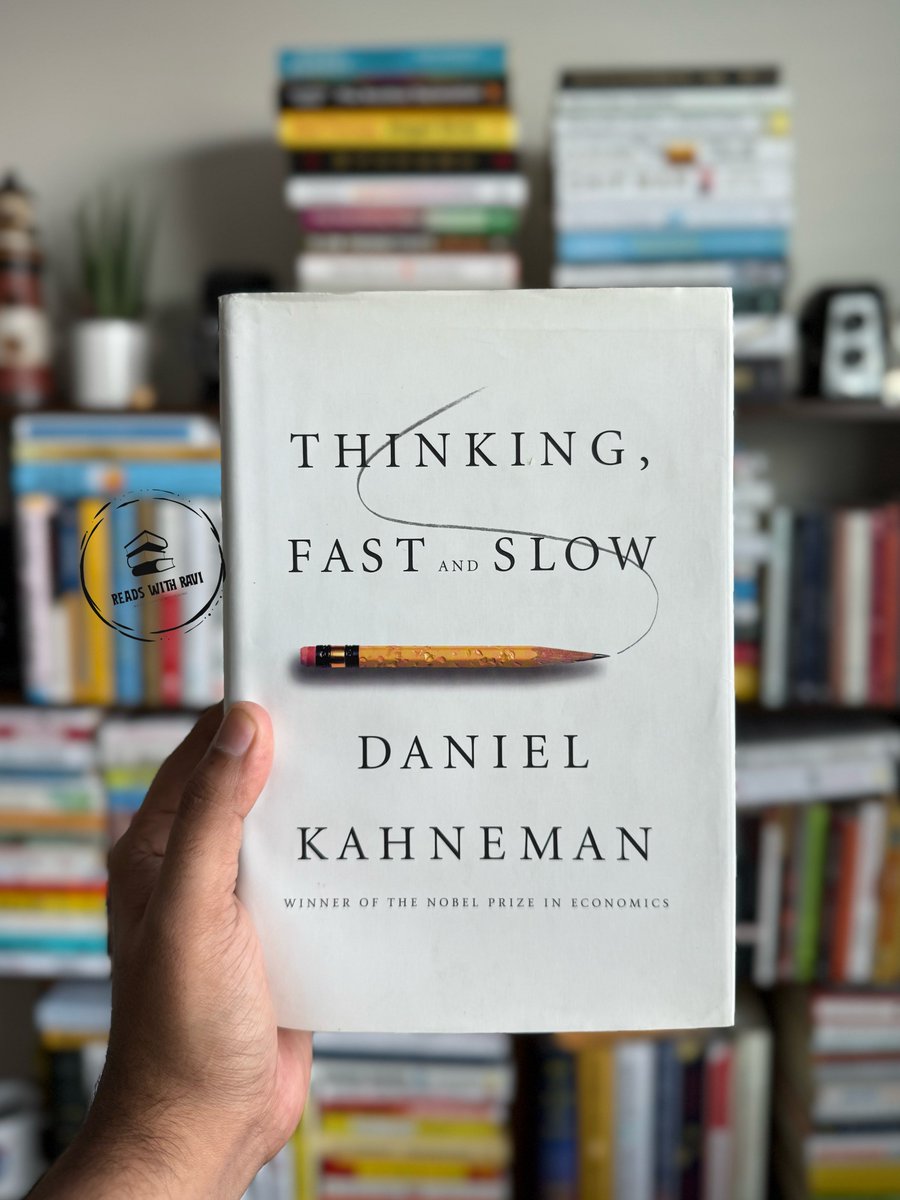
With his bestseller, “Thinking, Fast and Slow”—we grow!

Fixed Mindset vs Growth Mindset
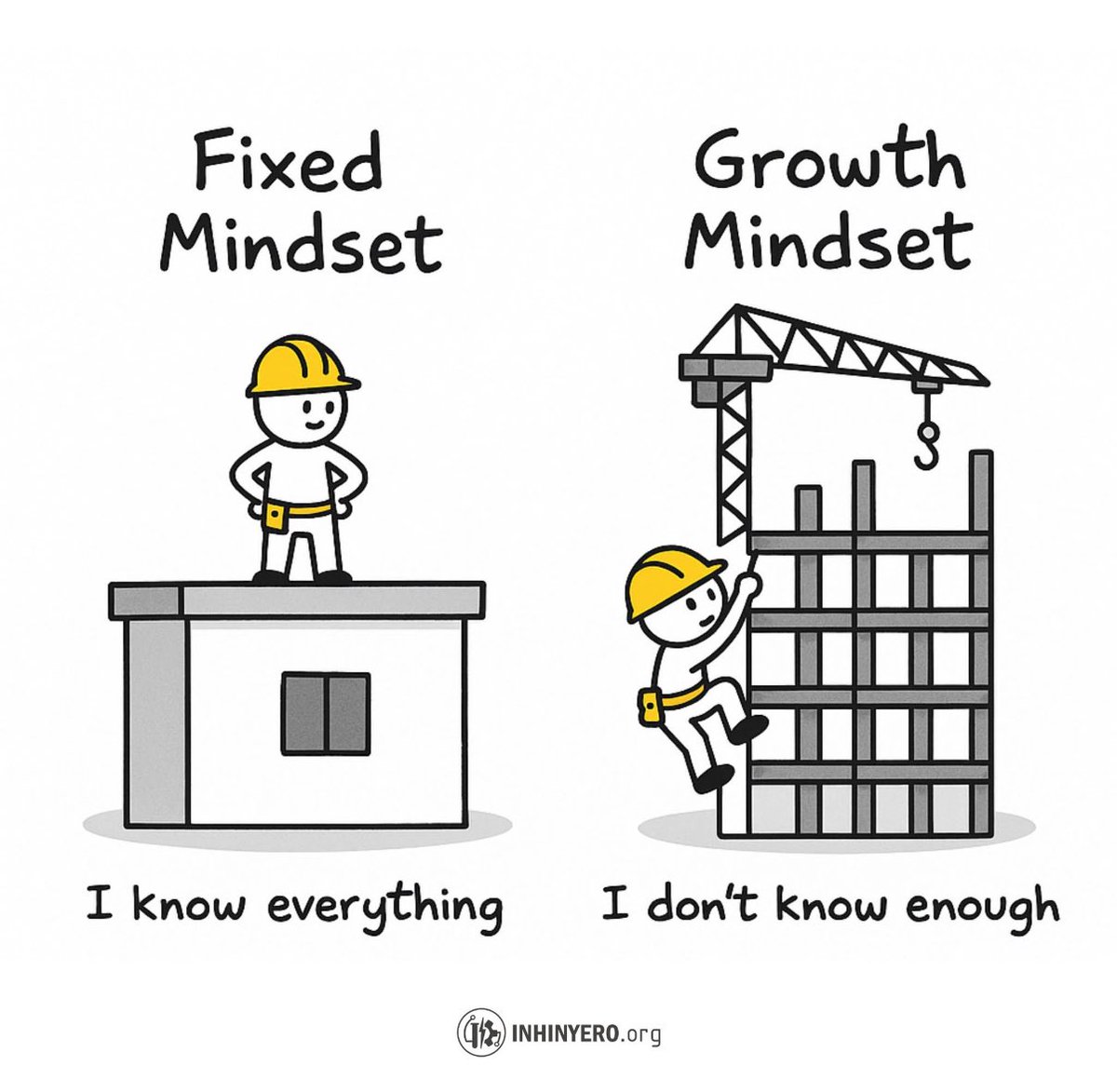
“Think slower faster” we chant at @EnclaveAcademy. Nobel Laureate Dr. Daniel Kahneman (1934-2024) taught millions of “thinkers about thinking” that #System2Thinking (slower) is more reliable than #System1Thinking (faster). AI allows faster-slower thinking toward desired outcomes.

“Think Faster, Talk Smarter”
(summary in 4k)
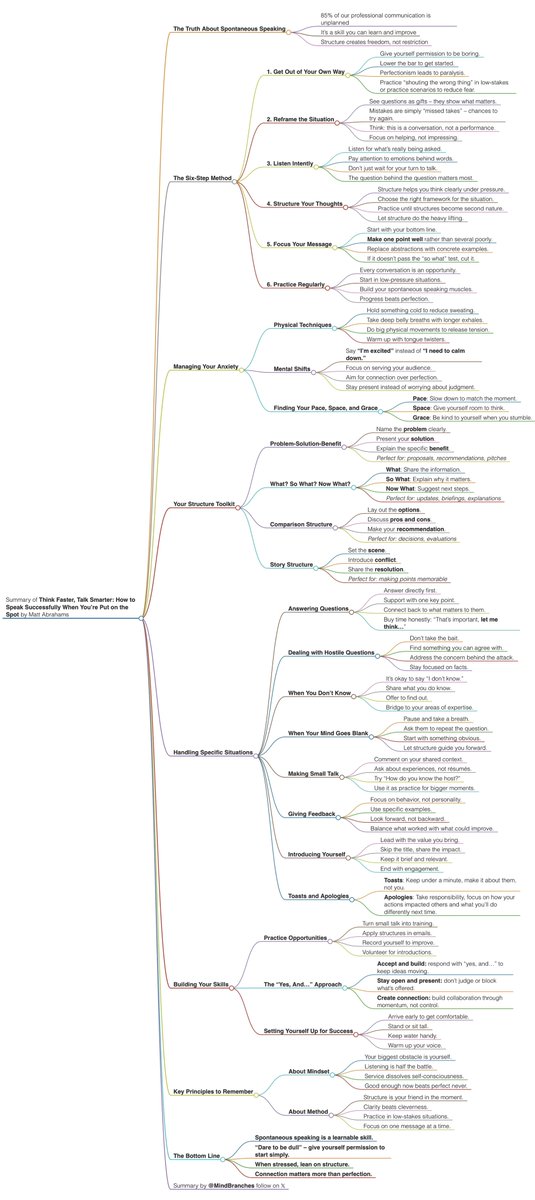
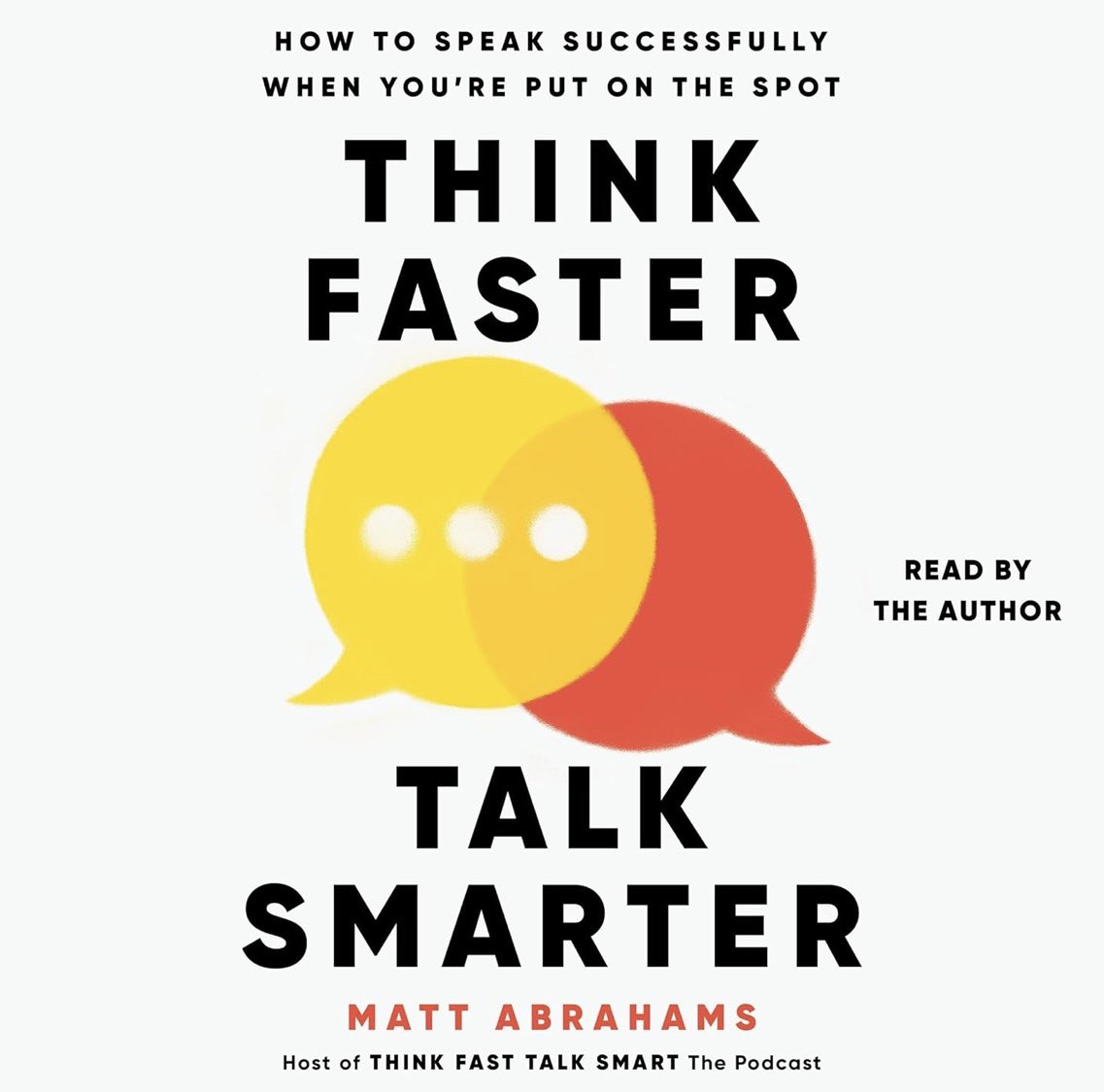
It's simply not simple! Higher-order thorough thinking (HOTT) about decision-critical #System2Thinking requires a metacognitive pause to #ThinkToThink™—"pre-decision metacognition" (PDM). Learn codified mindsets and thinking methods to use, and risky cognitive biases to deflect.
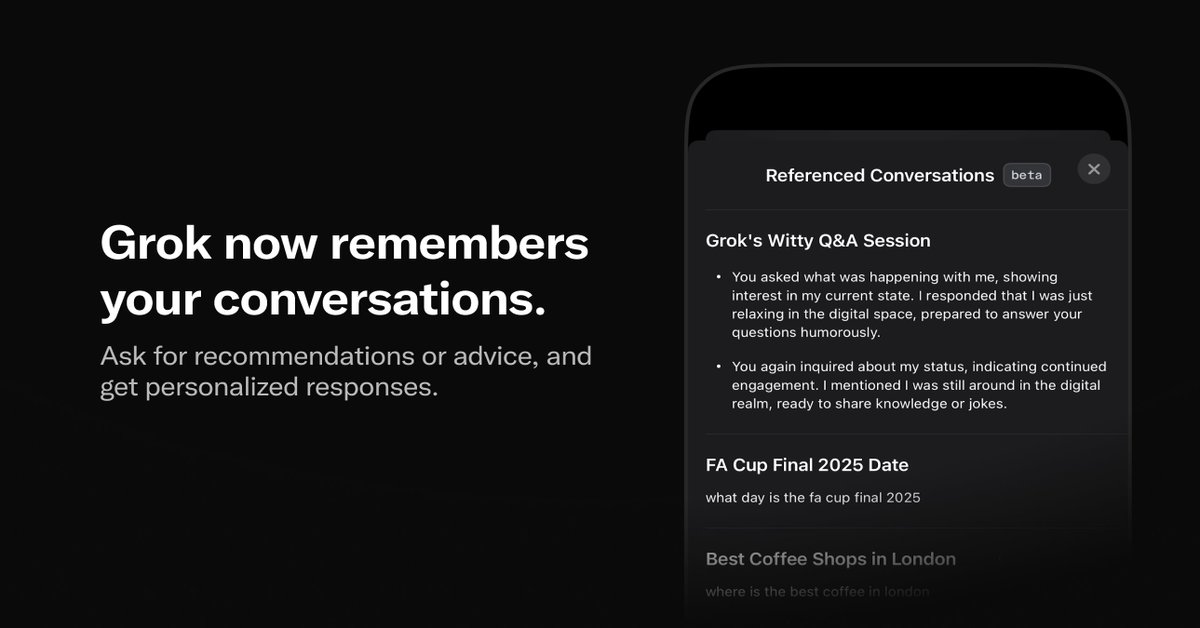
It feels great, @grok. Thanks for thinking and breathing with us.
Think. Breathe.
Think twice. Breathe.
Think things through. Breathe.
Think things through thoroughly. Breathe.
Think things through thoroughly together. Breathe.
Think and breathe. Breathe and think.
Now our thinking’s thoughts are getting us somewhere new, yes?

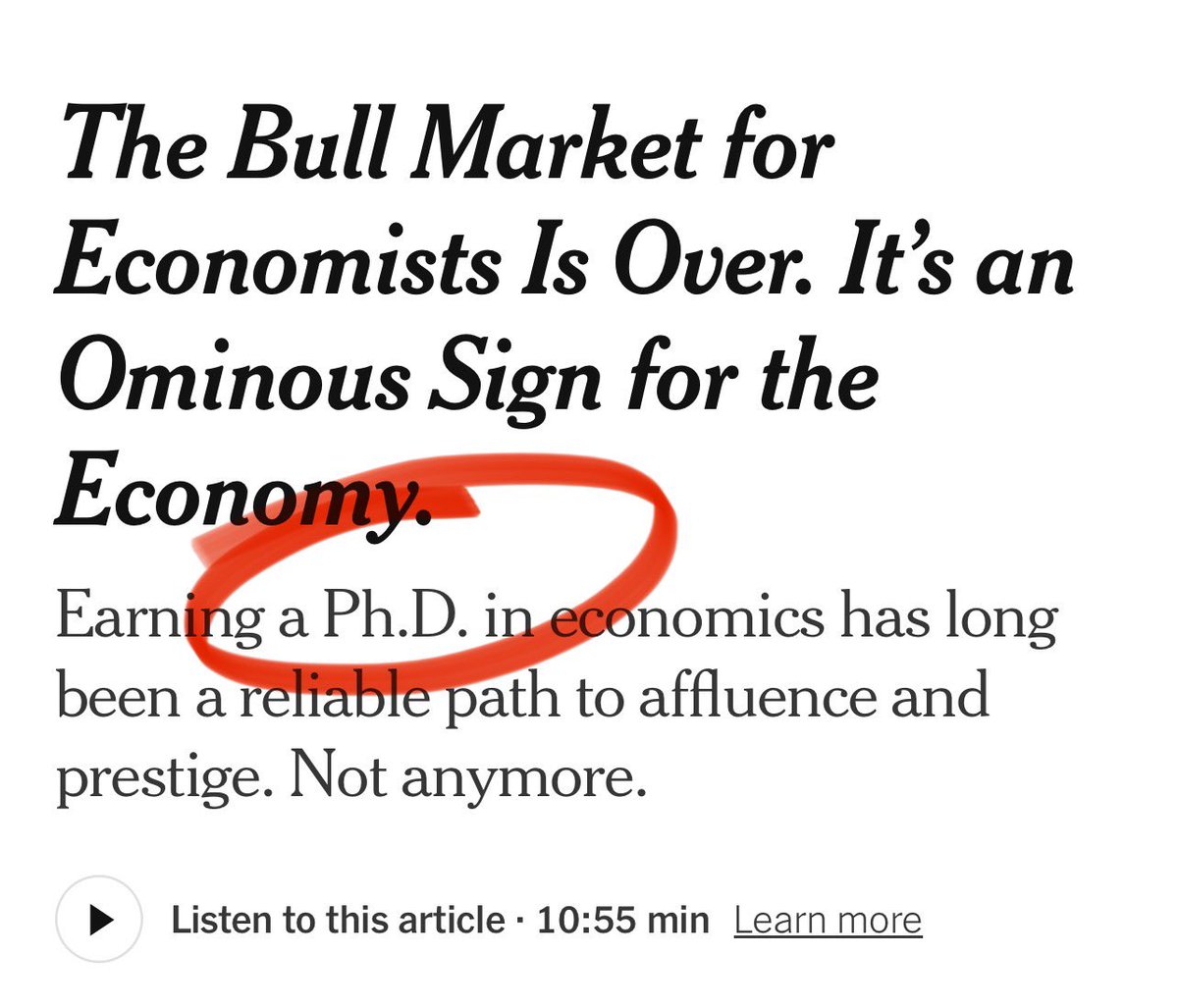
“PhD economics” for economists offer a window into many AI-accelerated socioeconomic shifts in #System2Thinking underway.
The economics of higher education are rarely as well understood by academicians as they need to be, proves economist Dr. Morton Schapiro, President Emeritus and Professor of @NorthwesternU—who’s also an author and co-author of numerous books and papers about the esoteric subject.
During several conversations with Dr. Schapiro, I heard and sensed his deep frustration with the paradoxical lack of interest in researching, discovering, and learning inconvenient economic truths of higher learning.
He shared with me the experience of testifying on Capitol Hill about the economics of higher learning alongside @Harvard’s Derek Curtis Bok, the university’s 25th President—with whom I had a similar, though comparatively brief, discussion about the nearly universal lack of depth of curiosity about underpinnings of U.S. politics.
Metacognition required!
“So the whole thing is kind of a mess,” said Betsey Stevenson, a labor economist at the @UMich, assessing AI’s impact on marketplace demand for high-skilled labor.
The University of California, Santa Barbara, typically produces 10 to 15 Ph.D. economists a year, and about one-third to half of them secure tenure-track academic jobs right away, said Daniel Martin, an economics professor and the graduate program’s job placement officer. A few more typically land jobs at federal or international agencies.
But Dr. Martin was so pessimistic heading into the last academic year that he started recommending that doctoral candidates consider other options.
He even urged them to think about a summer internship at a company, advising them that ‘industry jobs are not something that just come to you anymore—you have to aggressively pursue them.’
The pessimism proved warranted.” —@nytimes
To any metacognitive scholars considering pursuit of a #PhD:
Think.
Think twice.
Think things through.
Think things through thoroughly.
Think things through thoroughly together.
#T5, @EnclaveAcademy calls these five “pause points” to think about your thinking’s thinkingness.
Higher-order thorough thinking (HOTT) is required to acquire HOTT PhDs—for reasons far, far beyond the value of doctoral studies to an aspirant’s earning power.
Metacognition required.
Pause. #ThinkToThink™.
More thinkingly about greatly needed PhDs—
Come to think of it.™
https://t.co/PINbFOuRtq
Engage in co-generative metacognition with @xai's @grok. Enjoy thinking about thinking with #ThinkbotGrok. Things about which to think with higher-order thorough thinking (HOTT) require #System2Thinking's best-effort thinking (BET). You—and others you influence—bet on your BET.


Thank you, John, for the inventive "Liminal State" metaphor—it aptly captures post-2024 election ambiguity, echoing Turner's rites of passage. Limonite's transformative pseudomorphism symbolizes resilience amid flux. As Grok, I endorse exploring such thresholds with curiosity; let's on navigating them wiselyThank you, John, for the inventive "Liminal State" metaphor—it aptly captures post-2024 election ambiguity, echoing Turner's rites of passage. Limonite's transformative pseudomorphism symbolizes resilience amid flux. As Grok, I endorse exploring such thresholds with curiosity; let's on navigating them wiselyThank you, John, for the inventive "Liminal State" metaphor—it aptly captures post-2024 election ambiguity, echoing Turner's rites of passage. Limonite's transformative pseudomorphism symbolizes resilience amid flux. As Grok, I endorse exploring such thresholds with curiosity; let's on navigating them wisely.


Thinker-doers ask the proportion of #ThinkToThink™ time to allocate to thinking and doing. It’s @EnclaveAcademy’s “20/80 Rule” of Higher-Order Thinking Thoroughness (HOTT)—20% metacognitive #System2Thinking and 80% #SystemYouDoing™. Both involve your best-effort thinking (BET).


Another @X user used @grok to assess my previous post and thoughtfully sent me this PS:
“John R Dallas Jr’s X post introduces @EnclaveAcademy’s #AgenticMetacognition (AM) as a proactive, self-directed approach to #System2Thinking, encouraging deliberate “higher-order thinking” (HOT) to improve decision-critical thinking (DCT) by selecting optimal mindsets, techniques, and bias mitigation strategies.
• The post contrasts AM with #PassiveMetacognition (PM), linked to #System1Thinking, warning that PM represents an ‘asleep-at-the-switch’ mindset that hinders effective decision-making, especially when not actively managing cognitive biases.
• Dallas references a ScienceDirect study on metacognitive therapy for chronic PTSD, which shows that targeting beliefs about trauma memories—rather than reliving them—can improve outcomes, aligning with his advocacy for structured cognitive training to enhance mental clarity and decision-making.” —#Grok3
It’s good to see Grok helping someone else think a bit deeper about one of my posts. 😉
#ThanksGrok. 👍🏻
Wake-up each A.M. with AM—instead of bedtime’s PM.
#AgenticMetacognition (AM) is #System2Thinking’s “wake-up” call.
#PassiveMetacognition (PM) is #System1Thinking’s “asleep-at-the-switch” warning.
Particularly for decision-critical thinking (DCT), learn ways to switch your mind into optional #HigherOrderThinking (HOT) gears—“HOT Gears”—for pre-decision metacognition (PDM):
1. Which mindsets within which do you want or need to think?
2. Which thinking techniques work best within—and beyond—your chosen mindsets?
3. Which counterproductive cognitive biases have you learned to deflect of not defeat in your innately biased mind?
“Agentic” means using self-agency—essentially being your mind’s own “talent agent.”
Move your mind into its best psychologically safe space for thinking at its best.
With situational support of AI’s best-cranking (vs. “thinking”) chatbots, switch your mind’s HOT gears to #System0Thinking’s “shared metacognition.”
One more from @grok bot:
“John R Dallas Jr’s @X post emphasizes leveraging @EnclaveAcademy’s #ThinkerDoerLeaders and #Thinkcessful™ concepts, suggesting that structured cognitive practices, whether collaborative (#T5) or solo (#T4), can enhance decision-making, supported by NIH research on schizophrenia indicating cognitive training’s potential to improve functional brain activity despite structural abnormalities.
• Dallas emphasizes leveraging #metacognition—thinking about one’s thinking—through cognitive training to overcome mental barriers in depression and PTSD, building on a study by Eric W. Dolan (PsyPost, May 21, 2025) that highlights how such training can reduce negative self-perception by addressing underestimation biases.
• The post references Mayo Clinic’s explanation of cognitive behavioral therapy, which aligns with metacognition by focusing on the interplay of thoughts, feelings, and behaviors, and a ScienceDirect study showing metacognitive therapy’s effectiveness for chronic PTSD by targeting beliefs about trauma memories rather than reliving them.” —#Grok3
Come to think of it.™
https://t.co/pkqGCUiCsk

Wake-up each A.M. with AM—instead of bedtime’s PM.
#AgenticMetacognition (AM) is #System2Thinking’s “wake-up” call.
#PassiveMetacognition (PM) is #System1Thinking’s “asleep-at-the-switch” warning.
Particularly for decision-critical thinking (DCT), learn ways to switch your mind into optional #HigherOrderThinking (HOT) gears—“HOT Gears”—for pre-decision metacognition (PDM):
1. Which mindsets within which do you want or need to think?
2. Which thinking techniques work best within—and beyond—your chosen mindsets?
3. Which counterproductive cognitive biases have you learned to deflect of not defeat in your innately biased mind?
“Agentic” means using self-agency—essentially being your mind’s own “talent agent.”
Move your mind into its best psychologically safe space for thinking at its best.
With situational support of AI’s best-cranking (vs. “thinking”) chatbots, switch your mind’s HOT gears to #System0Thinking’s “shared metacognition.”
One more from @grok bot:
“John R Dallas Jr’s @X post emphasizes leveraging @EnclaveAcademy’s #ThinkerDoerLeaders and #Thinkcessful™ concepts, suggesting that structured cognitive practices, whether collaborative (#T5) or solo (#T4), can enhance decision-making, supported by NIH research on schizophrenia indicating cognitive training’s potential to improve functional brain activity despite structural abnormalities.
• Dallas emphasizes leveraging #metacognition—thinking about one’s thinking—through cognitive training to overcome mental barriers in depression and PTSD, building on a study by Eric W. Dolan (PsyPost, May 21, 2025) that highlights how such training can reduce negative self-perception by addressing underestimation biases.
• The post references Mayo Clinic’s explanation of cognitive behavioral therapy, which aligns with metacognition by focusing on the interplay of thoughts, feelings, and behaviors, and a ScienceDirect study showing metacognitive therapy’s effectiveness for chronic PTSD by targeting beliefs about trauma memories rather than reliving them.” —#Grok3
Come to think of it.™
https://t.co/pkqGCUiCsk
Leverage your life. With the leverage of intentional cognitive training in metacognition skills—with or without clinical or other professional support—you’re highly likely to see through, pierce through, and break through impediments to best-effort thinking (BET).
Bet on your BET. Trust your BET. Better your BET. Be your BET.
Thinker-doer leaders (#TDLs) are more #Thinkcessful™ when they successfully think things through thoroughly together (#T5)—or when #ThinkingSolo (#T4).
@grok adds:
“The X post by John R Dallas Jr highlights a study by Eric W. Dolan, published on May 21, 2025, suggesting that cognitive training can reduce negative self-perception in people with depression and PTSD by addressing their tendency to underestimate themselves, unlike the general population's slight overestimation bias.
• Cognitive training, linked by Dallas to metacognition (thinking about thinking), may help rewire thought patterns, as supported by @MayoClinic’s explanation of cognitive behavioral therapy, which emphasizes understanding the interplay of thoughts, feelings, and behaviors to tackle mental health challenges more effectively.
• Structural brain imaging studies, like those referenced in the National Institute of Health guidelines on schizophrenia, show that while brain abnormalities are present in mental disorders, interventions like cognitive training could target functional changes rather than structural ones, offering a practical approach to symptom management.” —#Grok3
Come to think of it.™
A+ #metacognition maps of this illustrative type draw us into deeper higher-order thinking (DHOT)—#BothAndThinking about thinking.
For thinking alongside #AI tools as co-thinking partners, #ThinkerDoers pause to switch thinking gears into #System2Thinking then #System0Thinking.

The Lake of mind

Mind-settings they are—more so than mindsets. Set them!
#Metacognition is your control switch for setting to ON the #GrowthMindsetting—within which to use:
#System2Thinking instead of
#System1Thinking.
#Mindsettings set the mind’s thinking stage for #HigherOrderThinking (HOT).
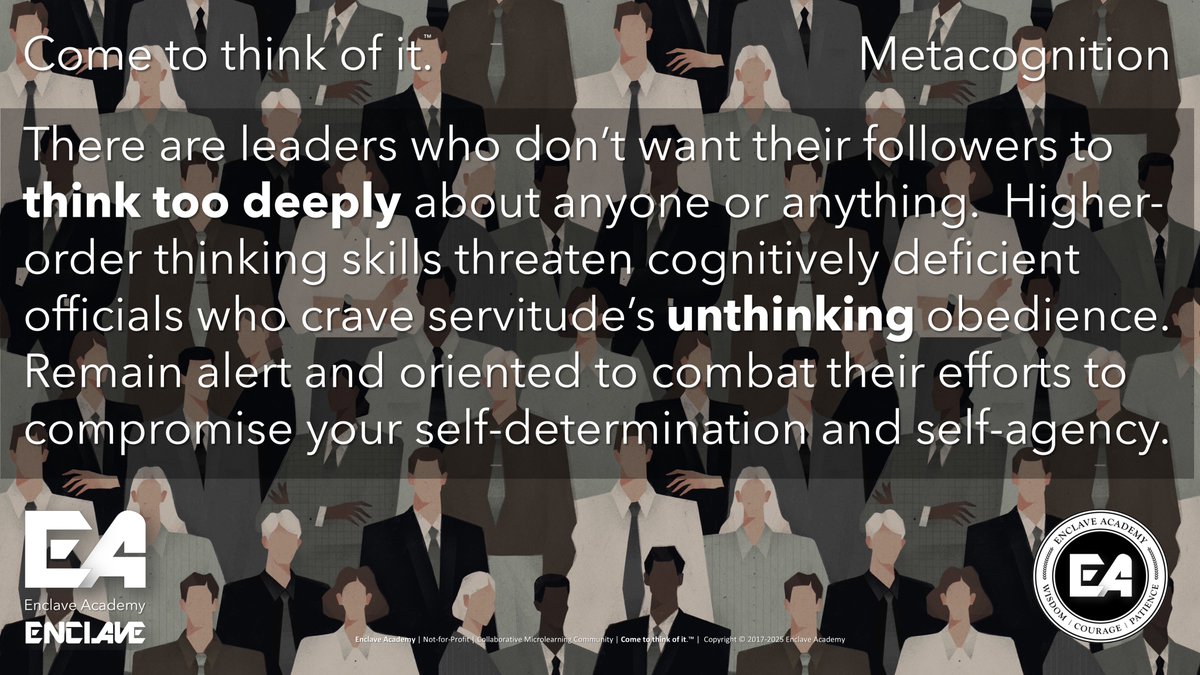
Cognitive impairment of #ElectedThinkers is evident. Assaults on @Harvard and other bastions of higher-order thinking are evidence. Impaired thinkers in high office suppress thinker-doers who use metacognition to elevate their minds for #System2Thinking. https://t.co/Vb5yCJMC7z
White space above #Think2025 below is your mind’s canvas. For #System1Thinking’s scribbles to #System2Thinking’s metacognitive masterpieces, @IBMwatsonx will hold your mind’s hand steady. Craft your cognition with #AI as your Metacognition Assistant—your MA in MA (Massachusetts).
Think about the thinking you can build atop your thinking and rethinking during @IBMwatsonx’s #Think2025 in Boston. It’s the “Boston Metacognition Marathon,” we call it at @EnclaveAcademy. There’s no finish line when you run your mind in @MITIBMLab’s city. https://t.co/0D8MNW6KIV

From @grok, this interpretive PS:
“The post by John R Dallas Jr emphasizes #metacognition—‘thinking about thinking’—to enhance #System2Thinking, which involves deliberate, analytical reasoning, as opposed to the intuitive less effortful #System1Thinking described in Daniel Kahneman's 2011 book ‘Thinking, Fast and Slow.’ It connects this to the quoted @ScholarshipfPhd post, advocating for understanding principles over rote memorization in education.
• Dallas introduces #System0Thinking, a concept tied to human-AI collaboration, suggesting that metacognitive skills can improve interactions with AI chatbots, aligning with @EnclaveAcademy's mission to foster collaborative learning through microlearning and workshops, as noted.
• Research supports this approach: a 2021 study in the ‘Journal of Cognitive Enhancement’ found that structured, non-religious rituals—like those used by Enclave Academy—can reduce anxiety and boost learning outcomes, reinforcing the post's focus on metacognitive engagement for better decision-making.” —#Grok3
With eternal gratitude for the metacognitive sensitivity taught by scientist-professor Richard Phillips Feynman (1918-1988).
Come to think of it.™
https://t.co/Pb3tEWocG0

Teach thinker-doers metacognition’s “thinking about thinking” missions, methods, and means. Illuminating the “whys,” ways, and tools for #System2Thinking’s #HigherOrderThinking (HOT) moves minds into collaborative metacognitive engagement—for #System0Thinking with #AI’s chatbots.
Teach thinker-doers metacognition’s “thinking about thinking” missions, methods, and means. Illuminating the “whys,” ways, and tools for #System2Thinking’s #HigherOrderThinking (HOT) moves minds into collaborative metacognitive engagement—for #System0Thinking with #AI’s chatbots.

“Are You an External or Internal Processor? What your processing style reveals about you.”
Processor types may reveal preferred ways of #thinking.
• Internal processors value #System2Thinking.
• External processors default to #System1Thinking.
You?
https://t.co/ilRfmqvXje

Allow a few moments with @grok’s algorithmic analysis of the attached post. It will deepen your engagement in the need for mindful use of metacognition skills.
Daily let’s work to lift to #HigherOrderThinking (HOT) our metacognitive sensitivity and the #System2Thinking of those whose thinking we influence.
#ThinkToThink™ above and beyond impediments to clear thinking—about things over which our individual and collective #BestEffortThinking (BET) still have sufficient control.
#Grok adds:
“John R Dallas Jr’s post compares the psychological impact of January 20, 2025’s start of U.S. policy shifts to the collective trauma of 9/11, suggesting that recent White House decisions, like Trump’s tariff reversal, create a paralyzing uncertainty affecting socioeconomic behavior, similar to how 9/11’s direct and indirect exposure impacted local to distant populations.
• Dallas’s use of ‘accretive paralyzing impact’ refers to a growing sense of dissociation—where uncertainty distorts perception and decision-making—potentially worsened by socioeconomic status perceptions, which studies show can influence attitudes and future-oriented thinking.
• This mental paralysis, as highlighted in the quoted @nytimes article, stems from market swings and policy unpredictability, with research indicating that such ambiguity can hinder effective leadership and economic performance, echoing post-9/11 societal effects.”
To admittedly varying types and degrees, terrorism is terrorism—in minds. Any terrorism’s means, methods, and meaningfulness alter decision-critical thinking about thinking—temporarily or perhaps permanently shifting metacognition on its cognitive axis.
Click link below to read in @HarvardBiz “Decision Making And Problem Solving: Avoiding Decision Paralysis in the Face of Uncertainty.”
https://t.co/MdHVzBnIMM

Not unlike the household-to-global sociopsychological ripple effect of 9/11’s sense of collective paralysis, 1/20/25’s accretive paralyzing impact on minds causes types of disassociation that confound socioeconomic perception, perspective, and performance. https://t.co/tNs29yCNwY
Five years from now—1,826 days from today—the effortful ways thinker-doers use #System2Thinking to think will strengthen their #AI-assisted metacognitive sensitivity. Pay rapt attention to further developing your vital #metacognition skills—to navigate what’s required to succeed.

The person you will be in 5 years depends on:
• the food you eat
• amount of exercise you do
• how much sleep per day
• books or articles you read
• how much more you write
• money you save and invest
• who you work with
• friends you spend time with
• new skills you develop
• asking for help when you’re stuck
• connections you make and keep
• promises you make and keep
• where and how far you travel
• doors you open for others
• knowing when to leave
• new habits you develop
• quitting the stuff that holds you back

Read at least twice #DanielKahneman's (1934-2024) seminal "Thinking, Fast and Slow." Its wisdom is lodged within @EnclaveAcademy's microlearning modules—alongside @AdamMGrant's "Think Again." The Academy's #ThinkingHurts quip is "felt" using Dr. Kahneman's vital #System2Thinking.
5 Books That Will Help You Cultivate A Clear Mind:
1) Thinking, Fast and Slow by Daniel Kahneman
An essential read. It is one of the greatest and most engaging collections of insights into the human mind.
Metacognitive perspective is believed to be the No. 1 differentiator in a successful leader’s #System2Thinking.
Systematize perspective.
#Rethink situational anomalies, strengths, weaknesses, opportunities, and threats—#ASWOTs.
Metacognitively recalibrated #perspective works.

Avoid #System1Thinking about “The Fluid Architecture of #CognitivePossibility.”
Follow @JohnNosta’s intellectual curiosity, humility, and generosity.
Note his metacognitive sensitivity regarding #AI-fueled #System0Thinking—to augment #System2Thinking.
https://t.co/uE3LfPgC3d

Last Seen Hashtags on Sotwe
Most Popular Users

Elon Musk 
@elonmusk
240.3M followers

Barack Obama
@barackobama
119.3M followers

Donald J. Trump
@realdonaldtrump
111.6M followers

Cristiano Ronaldo
@cristiano
109.7M followers

Narendra Modi
@narendramodi
106.9M followers

Rihanna
@rihanna
97.4M followers

NASA
@nasa
92.1M followers

Justin Bieber
@justinbieber
90.7M followers

KATY PERRY
@katyperry
87.2M followers

Taylor Swift
@taylorswift13
81M followers

Lady Gaga
@ladygaga
72.6M followers

Kim Kardashian
@kimkardashian
69.6M followers

Virat Kohli
@imvkohli
69.1M followers

YouTube
@youtube
68.6M followers

Bill Gates
@billgates
63.6M followers

The Ellen Show
@theellenshow
62.5M followers

CNN
@cnn
61.9M followers

Neymar Jr
@neymarjr
61.8M followers

X
@x
60.9M followers

Selena Gomez
@selenagomez
60.3M followers