

Top Tweets for #uCTD


When the Mind Shuts the Door: How Cognitive Dissonance Keeps Doctors from Seeing Long COVID
In the field of psychology, cognitive dissonance refers to the mental discomfort experienced when someone holds two or more conflicting beliefs, values, or attitudes. In medicine, this phenomenon often arises when new evidence challenges long-standing practices. Instead of adapting, some doctors experience discomfort, leading them to downplay or reject new information to maintain their sense of consistency. As psychologist Leon Festinger, who developed the theory of cognitive dissonance, once said: “A man with a conviction is a hard man to change. Tell him you disagree and he turns away. Show him facts or figures and he questions your sources.”
This resistance to change has occurred throughout the history of medicine, from dismissing the importance of handwashing to ignoring the dangers of smoking. Today, we see the same dissonance with Long COVID. Many doctors are reluctant to fully recognize the long-term impacts of COVID-19, despite overwhelming evidence and patient reports. As cognitive dissonance prevents doctors from accepting new realities, millions of patients are left without the care they desperately need.
Historical Resistance in Medicine
One of the earliest examples of cognitive dissonance in the medical community was the resistance to hand hygiene in the mid-nineteenth century. Ignaz Semmelweis, a Hungarian physician, discovered that requiring doctors to wash their hands between patients dramatically reduced infections and deaths in hospitals. Yet, the medical community at large rejected his findings because it implied that doctors were responsible for spreading disease—a concept that clashed with their perception of themselves as healers. It wasn’t until decades later, with the widespread acceptance of germ theory, that handwashing became standard practice in hospitals.
Similarly, when Louis Pasteur and Robert Koch developed germ theory, it met with significant skepticism. At the time, the dominant belief was that diseases were caused by “miasma” or bad air. Doctors resisted abandoning this familiar theory, even as new evidence showed that microorganisms were responsible for illnesses.
In the 1980s, cognitive dissonance surfaced again during the early stages of the HIV/AIDS epidemic. Initially, the medical community viewed the disease as limited to certain marginalized populations, and many were slow to recognize the growing evidence that it was a much broader public health issue. The bias of previous experience and reluctance to confront new evidence delayed effective treatment and public health responses, just as it had in the past.
Modern Examples of Cognitive Dissonance
Even within the past 40 years, cognitive dissonance has continued to shape medical responses. One striking example is the slow acceptance of the bacterial cause of stomach ulcers. For decades, stress and spicy food were blamed for ulcers, even as mounting evidence suggested otherwise. When Australian scientist Barry Marshall demonstrated that Helicobacter pylori bacteria were the real cause, his findings were initially ignored. Marshall even resorted to infecting himself with the bacteria and developing ulcers to prove his point. Still, it took years for the medical community to shift its thinking and change treatment protocols.
The opioid crisis is another clear example. For years, pharmaceutical companies promoted opioids as safe and non-addictive, despite early warning signs of widespread addiction. Cognitive dissonance prevented many doctors from altering their prescribing habits, even as evidence mounted that overprescription was contributing to the crisis. The delay in adapting to new realities contributed to the devastating public health consequences we’re still dealing with today.
A more recent example is the shift in understanding the role of dietary fat and sugar in heart disease. For decades, the medical community emphasized low-fat diets, even as research increasingly showed that refined carbohydrates and sugar were the real culprits. The persistence of the low-fat narrative illustrates how hard it is to shake entrenched ideas, especially when they have shaped public health guidelines for years.
Long COVID: The New Frontier of Cognitive Dissonance
Now, we see cognitive dissonance at work again with Long COVID. Despite increasing evidence that COVID-19 can cause long-term symptoms—ranging from chronic fatigue and brain damage to cardiovascular and neurological issues—many doctors are reluctant to fully acknowledge its existence or scale. This dissonance arises from several factors.
First, doctors are trained to view viral infections as acute illnesses with clear beginnings and endings. The idea that a virus can trigger long-term, debilitating symptoms does not fit this framework, creating discomfort for many clinicians. It’s easier to dismiss or downplay Long COVID than to confront the possibility that SARS-CoV-2 may behave differently than other viruses.
Additionally, cognitive dissonance stems from previous experience with viruses. Many doctors didn’t observe long-term complications from previous viral outbreaks, such as SARS or MERS, leading them to assume that COVID-19 would follow a similar course. This bias towards established beliefs makes it difficult for some to accept the growing evidence that COVID-19 may have lasting effects on a significant number of patients.
There’s also a systemic element. Recognizing the scale of Long COVID would require healthcare systems to make significant changes, from allocating more resources to chronic care to investing in long-term research. Admitting the severity of Long COVID would necessitate a major overhaul of healthcare practices, which many find daunting. Instead of pushing for these changes, many doctors are minimizing the issue to avoid confronting the discomfort that comes with acknowledging such a widespread problem.
Overcoming Cognitive Dissonance in Medicine
Breaking the cycle of cognitive dissonance in the medical community is crucial for progress. Overcoming this resistance requires education, empathy, and systemic reform.
First, doctors must be willing to adapt their understanding as new evidence emerges. Continuing medical education programs should emphasize the importance of flexibility and adaptability in the face of evolving scientific knowledge. Training that teaches clinicians to challenge their own assumptions is key to overcoming cognitive dissonance.
Empathy also plays a critical role. Doctors need to listen to patients’ experiences and recognize that symptoms like those reported by Long COVID sufferers may not fit into traditional diagnostic frameworks. Patient-reported outcomes can offer valuable insights, even if they aren’t fully captured by clinical tests. Listening to patients with an open mind can help bridge the gap between new realities and outdated practices.
Finally, the healthcare system needs to be more agile. We need systems that respond more quickly to emerging evidence, update guidelines in real time, and ensure that resources are available for long-term research. Without these changes, cognitive dissonance will continue to hold back progress, and patients will suffer the consequences.
Cognitive dissonance has long been a barrier to progress in medicine. From rejecting handwashing in the nineteenth century to delaying responses to the opioid crisis in the twenty-first, this resistance to change has caused harm. Today, Long COVID is the latest frontier where cognitive dissonance is holding doctors back. By understanding the roots of this resistance and addressing it head-on through education, empathy, and systemic reform, we can begin to make progress in treating the millions of patients suffering from this complex condition. As we’ve seen throughout history, overcoming cognitive dissonance is the first step toward true medical progress.


@HumorChronic @235antz It feels like rheumatologist think that #MCTD and #UCTD are “too mild” to cause any of our severe symptoms - but when you talk to patients many of us have these severe symptoms from our “mild” diseases
Unlearning incorrect info is harder than learning correct info. Clinicians worked hard to learn incorrect info (like Sjogrens is a gland dz or POTS is a heart rate issue.) #Sjogrens #neurosjogrens #POTS #Dysautonomia #hEDS #MECFS #LongCovid #FM #FND #UCTD #PAIS #IACC #"Complex"

Focussing on POTS (i.e. tachycardia) rather than dysautonomia does two things imo:
(1) Only diagnoses a portion of patients w/ many other disabling symptoms
(2) Traps clinicians in a perpetual "heartrate is the condition and all other symptoms are fake" loop
@arianek Saying, "Im sorry this happened to you" can improve relationships with patients. Its validating & supporting. Especially in neuroimmune axis fatiguing disorders. You will be amazed. #NeuroSjogrens #LongCovid #Dysautonomias #hEDS #UCTD #ME #AI #Sjogrens
@SarahSchaferMD @Rheumat_Aravind @NGrandvaux The same can be true for #UCTD when it looks like #Sjogrens. Yet doctors and insurance often use the false narrative of #UCTD being always “mild” and “never” attacking organs against treating patients or awarding them disability benefits. This must stop.
Its time to train the scientific method on the efficacy of the delivery of healthcare to chronic complex & fatiguing conditions. Randomized controlled trials of healthcare system & the care they deliver. #NeuroSjogrens #MECFS #LC #hEDS #UCTD #PAIS @ImmunoFever
I'd like to see a large scale randomized controlled trial comparing a hospital system trained to recognize & treat "complex" chronic fatiguing illnesses with those that don't get this training. Measure outcomes as well as clinician & patient satisfaction levels.
Medical Discrimination
#hEDS
#Dysautonomia
#NeuroSjogrens
#UCTD
#ME
#CFS
#MCAS
#PAIS
Time for class action?
“because Sjogren's is known to cause severe fatigue and Dysautonomia (via autonomic neuropathy), it is not correct to diagnose a comorbid MECFS, and rather it is all Sjogren's symptoms.”
Or it can be #UCTD (undifferentiated connective tissue disease)
https://t.co/fc1vm6l5Ao

Watch the video for the full response, I've abbreviated it here, but he is saying that because Sjogren's is known to cause severe fatigue and Dysautonomia (via autonomic neuropathy), it is not correct to diagnose a comorbid MECFS, and rather it is all Sjogren's symptoms.
A nice surprise. Current US Surgeon General acct calling for attention & awareness of infection associated chronic conditions like #longCovid #MECFS #ChronicLyme & I'd add #Sjogrens #NeuroSjogrems & many SARDS such as #UCTD.

Millions of Americans live with infection-associated chronic conditions and illnesses, including long COVID, ME/CFS, and Lyme disease–associated chronic symptoms; conditions that are often debilitating, misunderstood, and under-recognized.
In a new Clinical Infectious Diseases viewpoint, CAPT Iskander and Dr. Haridopolos of the Office of the U.S. Surgeon General call for making these “invisible illnesses” visible through patient-centered care, stronger surveillance, multidisciplinary management, and continued research investment.
The article emphasizes the importance of validating patients’ lived experiences while advancing evidence-informed care to improve outcomes for people living with these complex chronic conditions.
@NeuroSjogrens 💯and since #Sjogren’s criteria are so difficult to meet, especially with neuro symptoms, or for seronegative patients, you could say the same of #UCTD (undifferentiated connective tissue disease) when it looks like #Sjogrens disease
@SarahSchaferMD @Naomi_D_Harvey Same for #UCTD (undifferentiated connective tissue disease) - I think it is common to mistake UCTD for ME - and both UCTD and ME desperately need more research
Same for #UCTD (undifferentiated connective tissue disease): if it’s not “mild”, the patient must be lying🫠
https://t.co/zlZVvKaPDn

This 🧵nails it!
Sjogren's is often trivialized. Patients are judged when they look well, but can't function d/t extreme fatigue, pain, dysautonomia.
The acceptable part- dryness- is overemphasized, and systemic problems are missed, dismissed, or treated as a character flaw.

Eine Übersicht über Differential-/Diagnostik und Therapie für MCAS, das sich auch häufig in Überlappung mit ME/CFS findet.
Verbreiten des Wissens ist wichtig da, wie auch der Artikel erwähnt, psychosomatische Einordnung nach wie vor häufig ist.
https://t.co/TaM4EnzDJX
@NeuroSjogrens @adic_9 It does not💯Insurance and even doctors get hung up on the term “undifferentiated”, so #UCTD must be “mild” and not cause organ damage and any severe manifestation is a figment of the hysterical and lazy patient’s imagination..
@FrauXausNRW Covid kann (rheumatische) Autoimmunerkrankungen auslösen, für die das alles 1:1 gilt, z.B. undifferenzierte Kollagenose (#UCTD) oder #Sjögren-Krankheit. Grosse symptomüberschneidung mit LC und ME, keine zugelassene Therapie, Psychologisierung, fälschlich für „mild“ gehalten
@NeuroSjogrens @SarahSchaferMD So good to be able to have a paper to point to🙏and I strongly believe the same applies to #UCTD (undifferentiated connective tissue disease) when it looks like Sjögren’s

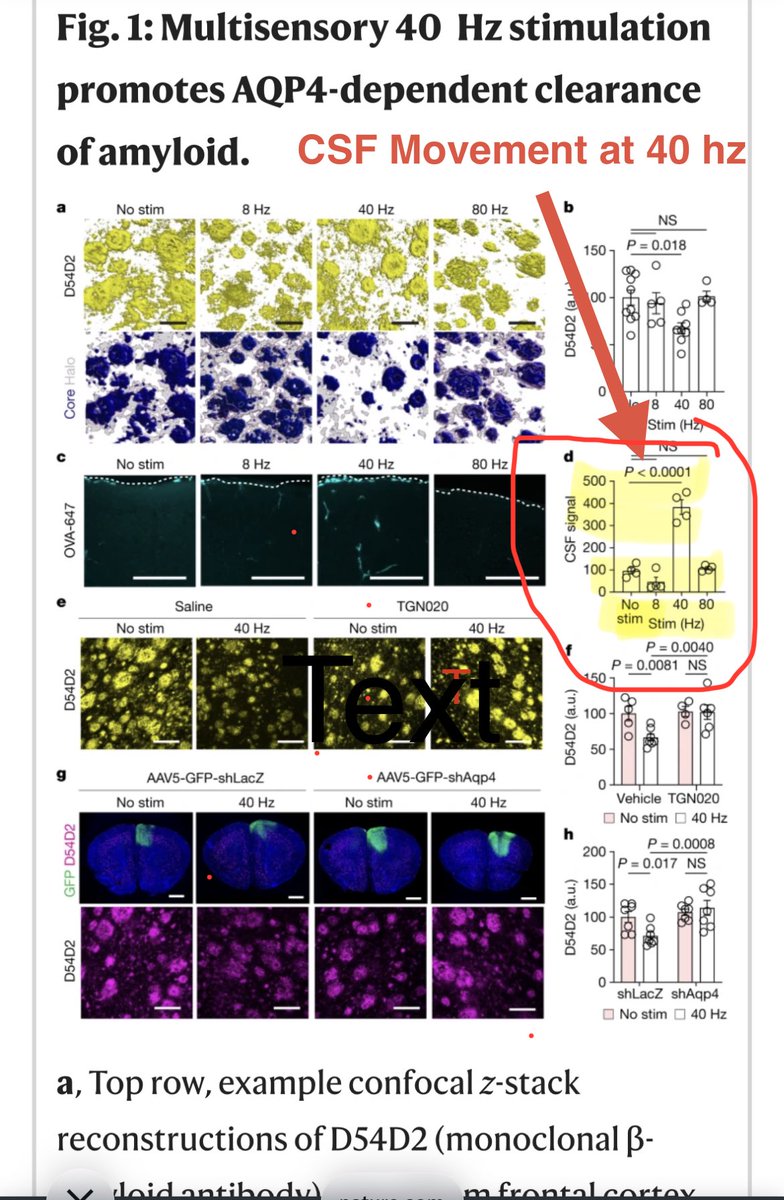
🔔Light / sound pulsing at 40hz clears amyloid via CSF (glymphatics).
8 and 80 hz do not.
Periodic stimulation worked in mice. Does not have to be continuous.
🔔clear Alzheimers waste/garbage in brain via sound and light.
@RenegadeRes @agingdoc1 @SterlingCooley @TakeWeightOffMD
@NeuroSjogrens 💯And we need them not to ignore or dismiss half of the relevant diseases such as #Sjogren‘s or #UCTD

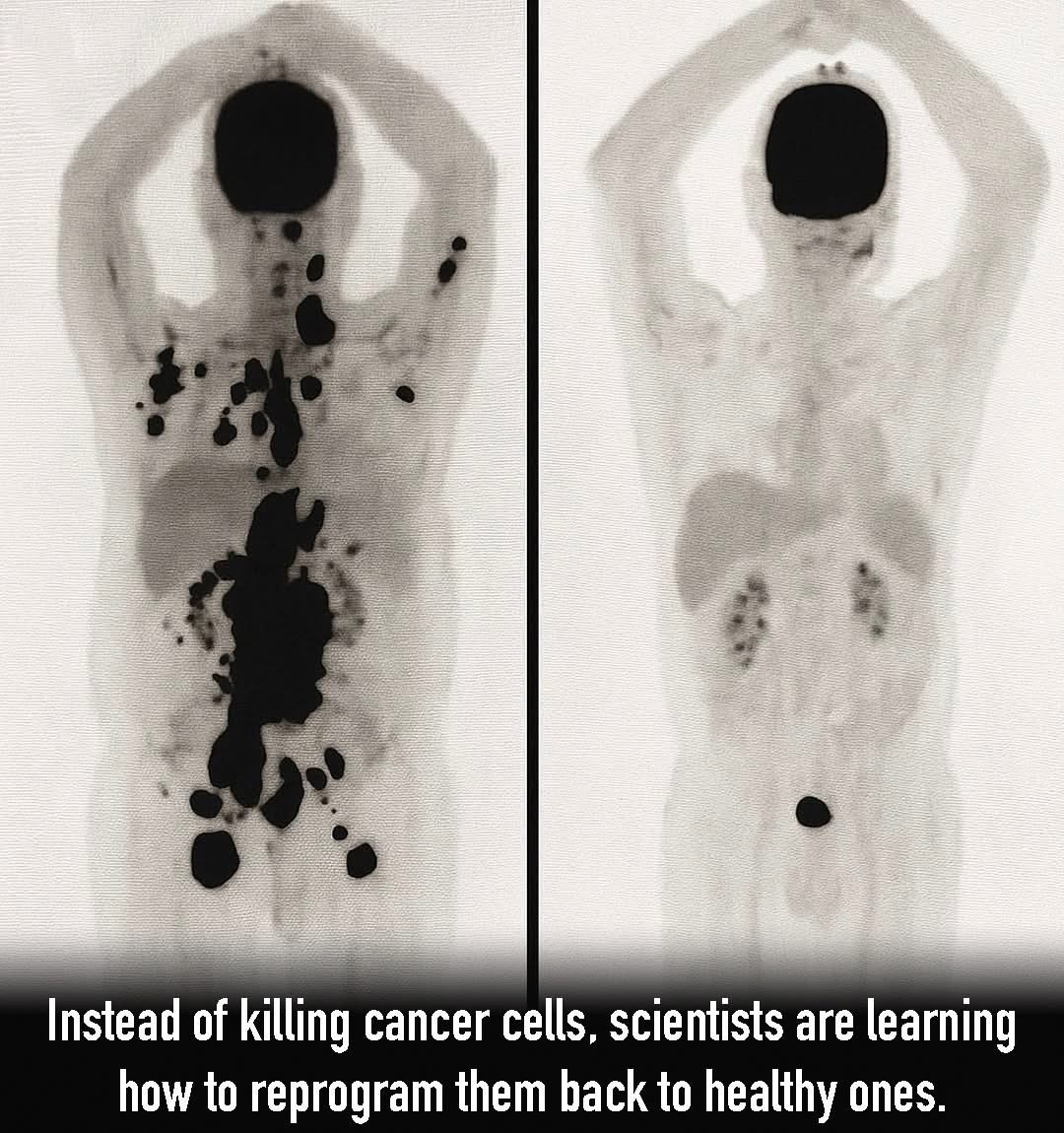
🧬 A different way to fight cancer — without destroying the body.
Researchers in South Korea are testing a groundbreaking idea in oncology: instead of killing cancer cells, they reprogram them.
Rather than using toxic treatments that attack everything in their path, this approach focuses on restoring cancer cells to a normal state by reactivating genetic pathways that were switched off. 🔬
The goal isn’t destruction — it’s correction.
Cancer cells grow uncontrollably because their internal instructions break down. Scientists believe that by precisely editing gene and protein activity, those cells can be reminded how to behave properly again — slowing or stopping the disease without harming healthy tissue.
Why this matters:
• 🧪 Less collateral damage to the body
• 🧬 Treatments tailored to a patient’s genetics
• ♻️ Potentially lower risk of relapse
• 🩺 Fewer long-term side effects than chemotherapy
This technology is still in testing, but its implications are enormous. If proven safe and effective, it could mark a shift in how medicine understands cancer — not as something that must always be destroyed, but something that can sometimes be reset.
The future of treatment may not be war.
It may be repair.
Last Seen Hashtags on Sotwe
Alvox
Seen from Thailand
forbiddennights
Seen from United States
adultwebseries
Seen from Germany
momson filter:videos
RwenzoriPride
Seen from United States
portugalpunjabi
Seen from United States
anxiouspanda() +filter:native_video
Seen from Turkey
馬眼
Seen from Indonesia
whitegirl
Seen from Canada
阉割
Seen from Japan
Most Popular Users

Elon Musk 
@elonmusk
241.7M followers

Barack Obama
@barackobama
119M followers

Cristiano Ronaldo
@cristiano
114.4M followers

Donald J. Trump
@realdonaldtrump
111.9M followers

Narendra Modi
@narendramodi
107.2M followers

Rihanna
@rihanna
98.7M followers

NASA
@nasa
92.4M followers

Justin Bieber
@justinbieber
91.8M followers

KATY PERRY
@katyperry
90M followers

Taylor Swift
@taylorswift13
83.9M followers

Lady Gaga
@ladygaga
75.4M followers

Virat Kohli
@imvkohli
73.3M followers

Kim Kardashian
@kimkardashian
70.9M followers

YouTube
@youtube
68.8M followers

Neymar Jr
@neymarjr
66.3M followers

Bill Gates
@billgates
65.1M followers

Selena Gomez
@selenagomez
63M followers

The Ellen Show
@theellenshow
62.3M followers

CNN
@cnn
61.8M followers

X
@x
60.7M followers