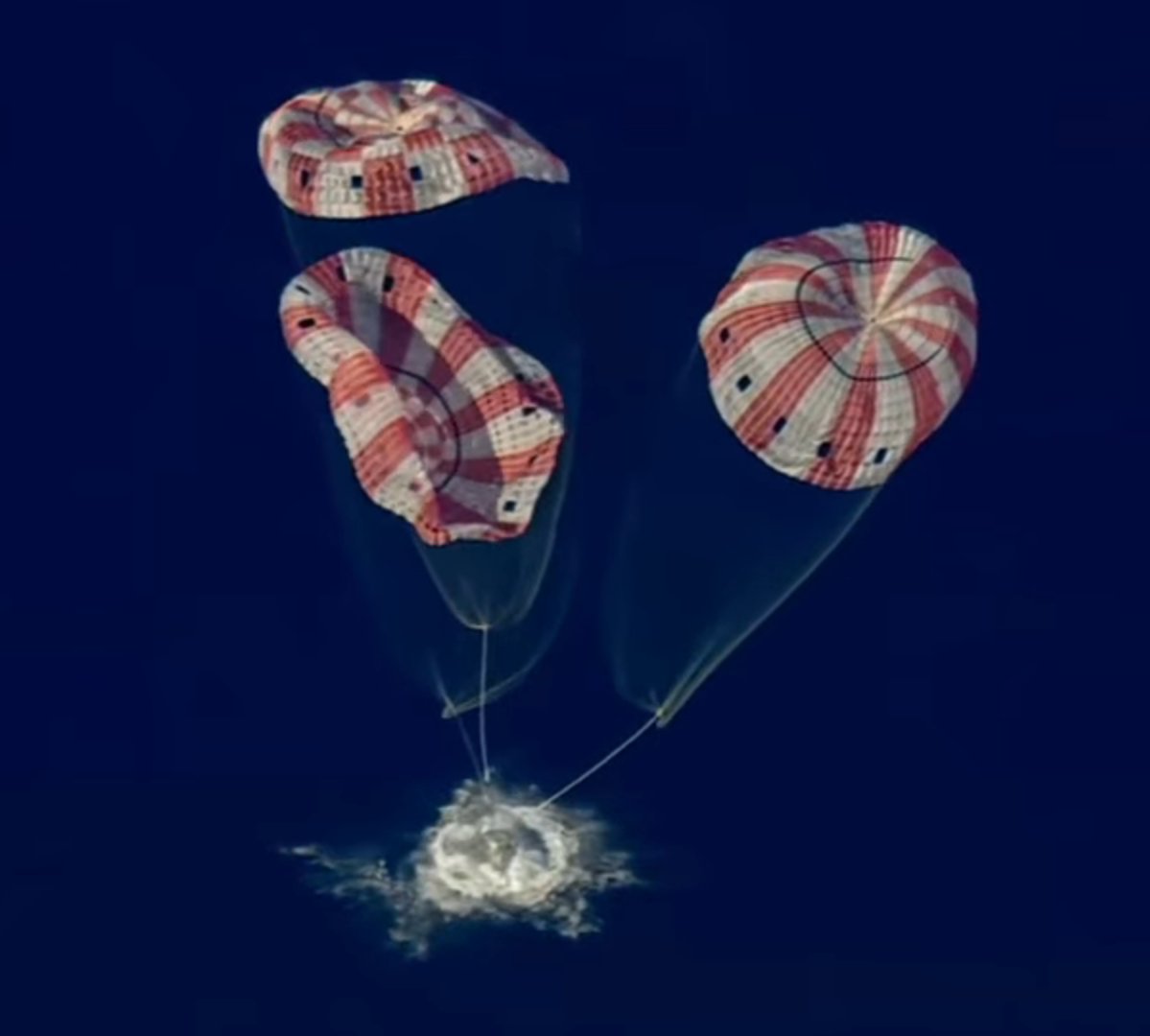
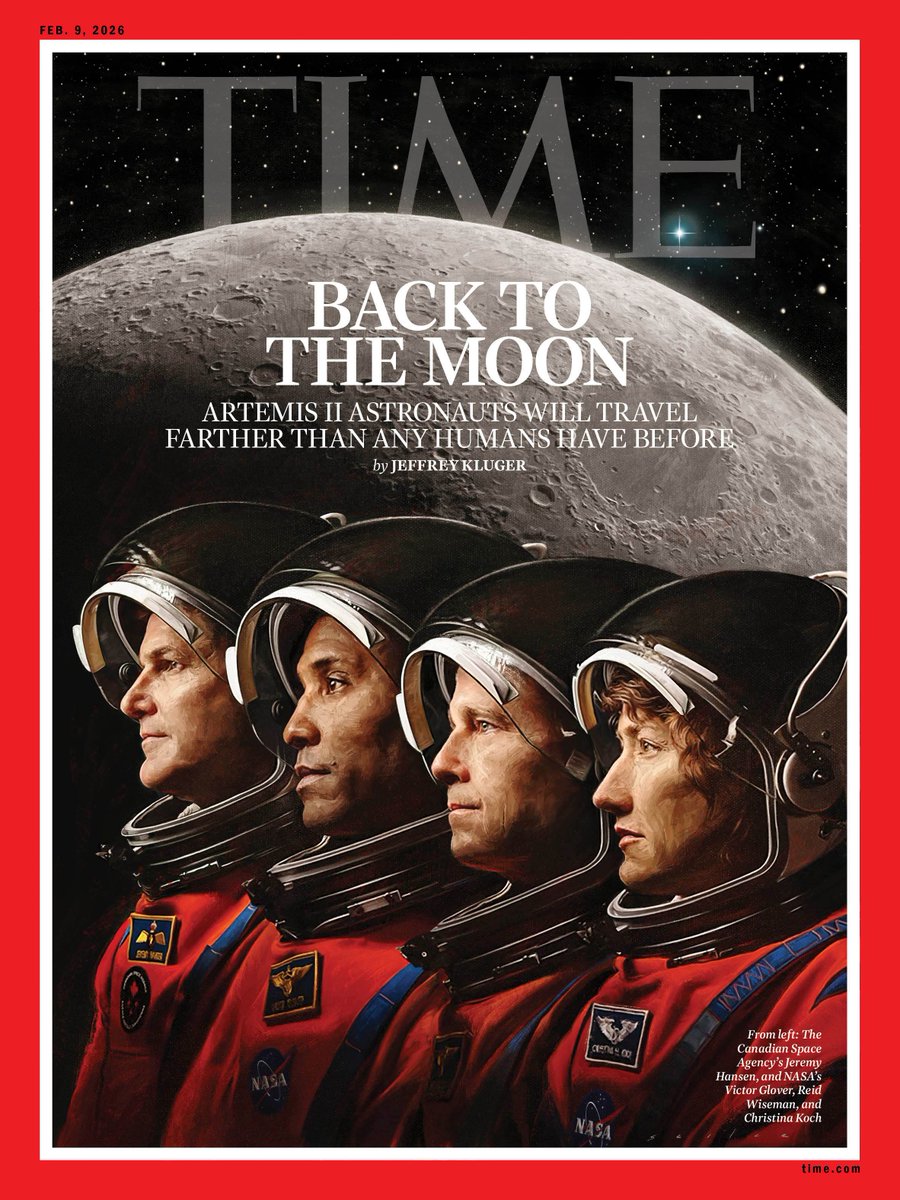
Artemis II has returned its crew Reid Wiseman, Victor Glover, Christina Koch, and Jeremy Hansen to Earth after bringing humans back to the Moon for the first time since 1972.
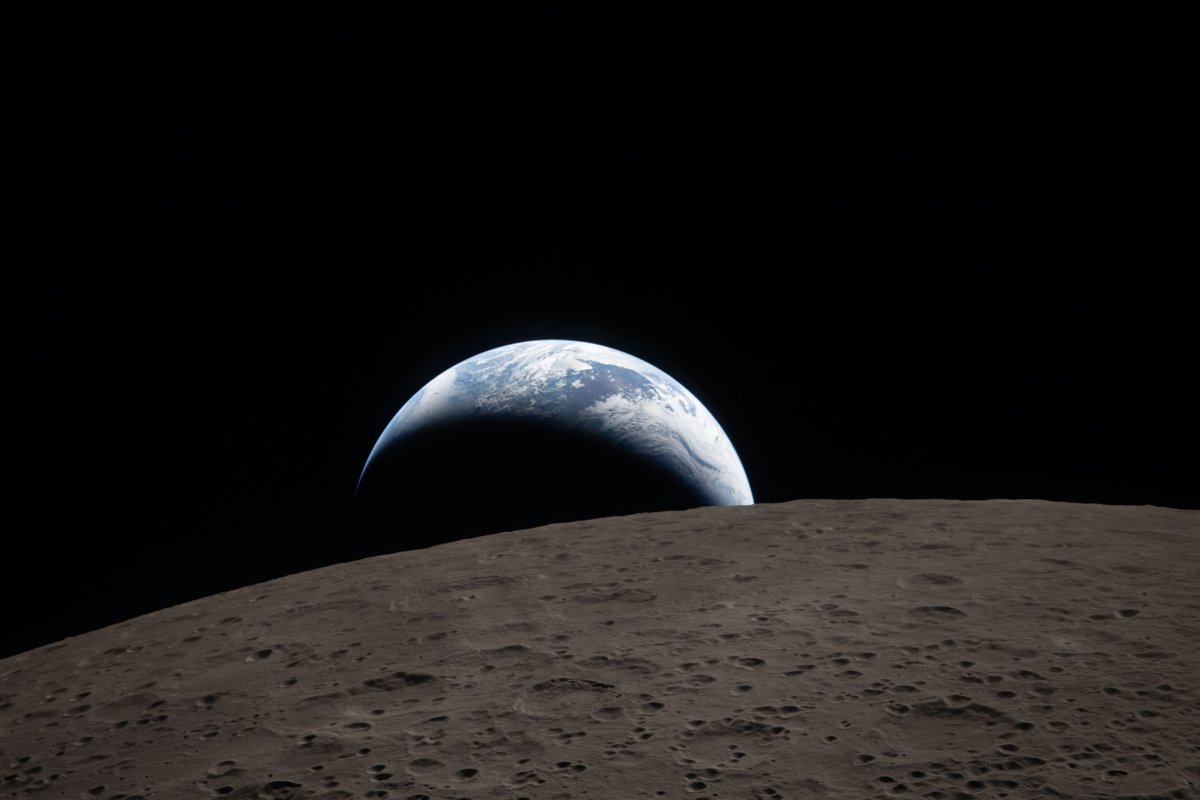
Earthset.
The Artemis II crew captured this view of an Earthset on April 6, 2026, as they flew around the Moon. The image is reminiscent of the iconic Earthrise image taken by astronaut Bill Anders 58 years earlier as the Apollo 8 crew flew around the Moon.
That's us! 🌍
The Artemis II crew captured beautiful, high-resolution images of our home planet during their journey to the Moon. As @Astro_Christina put it: "You guys look great."
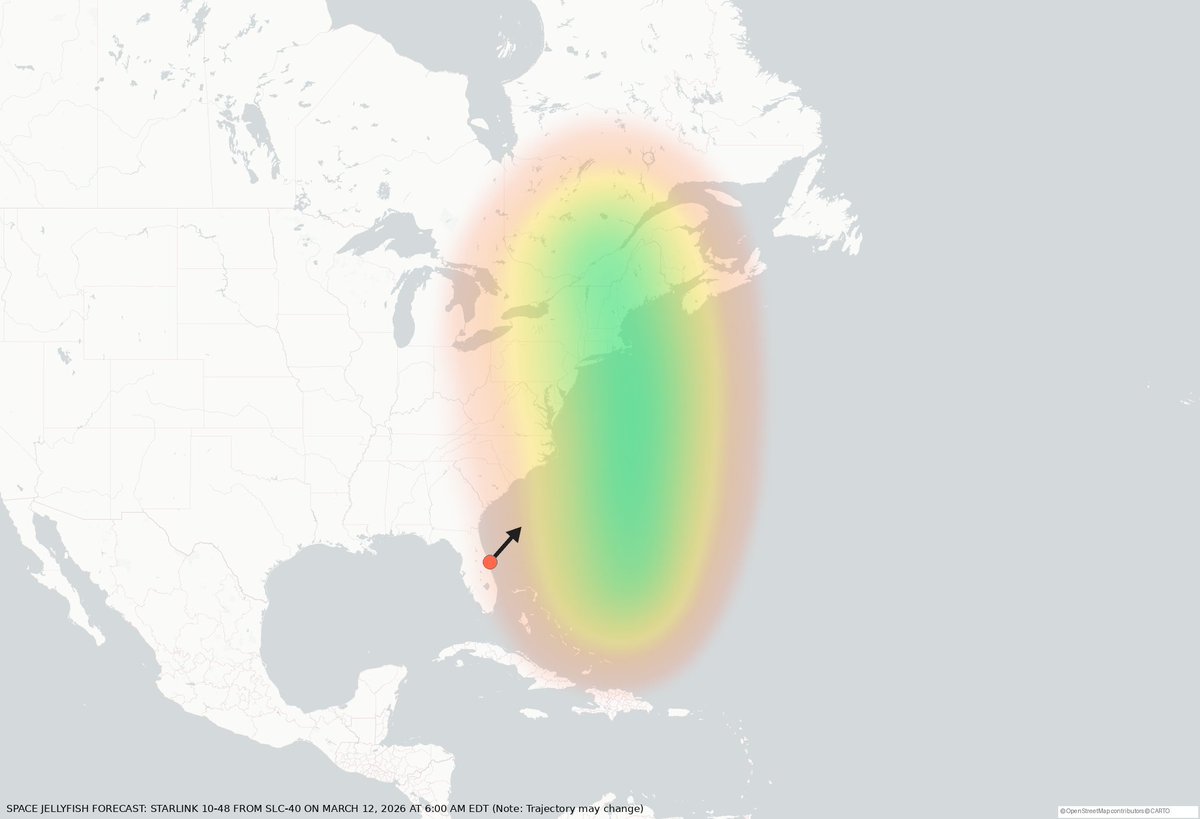
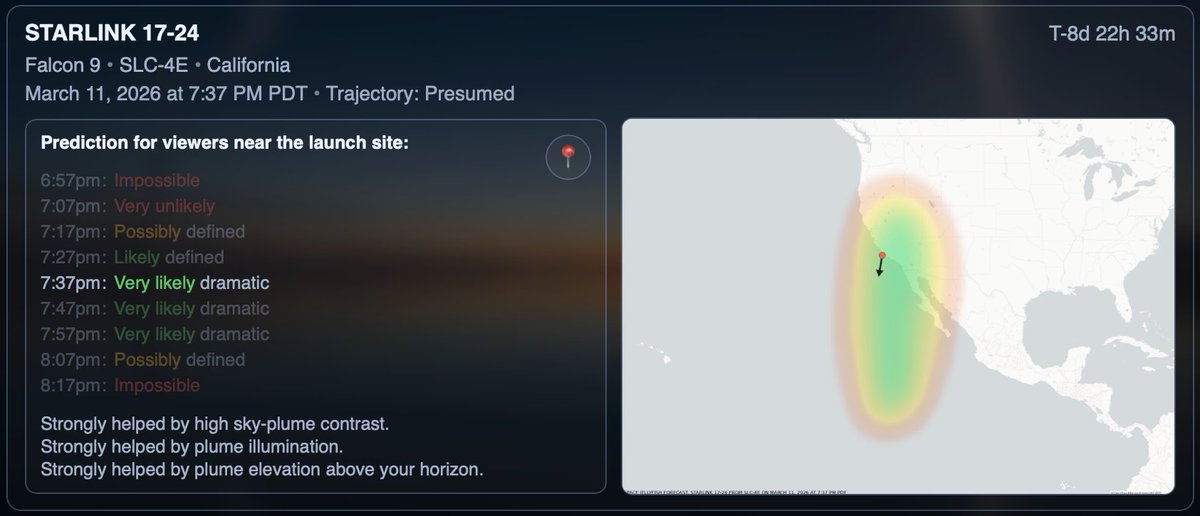
Pleased to share the v1 public beta of the Space Jellyfish Predictor, which outputs text predictions and heatmaps for upcoming rocket launches and their potential to produce a “space jellyfish.” This effect occurs when a launch is illuminated by the sun while an observer is in relative local darkness.
You can try it out here: https://t.co/U4UZ8ICZx4 — please report any issues and suggest features in this thread. I am also eager to see real-world photos from upcoming missions at distances close and far to help refine the models.
Especially during this early v1 public beta period, please treat this site as potentially helpful guidance, not a guarantee. In the event of issues, I may pull it down at any time.
How it works:
The model evaluates the geometry between the observer, rocket, and sun to estimate whether a launch plume is likely to be sunlit, how high it may appear above the horizon, and how strongly it may contrast against the sky. It identifies the strongest post-liftoff moment and converts it into a likelihood/prominence label, and does so in increments for two hours on either side of the current T-0 so you have insight into the evolving forecast.
This tool is focused on immediate post-launch ascent visibility and does not model delayed illumination from residual plumes. Nighttime launches can still be visible from great distances, and only sunlit ascents will produce relevant forecasts. As always, real-world conditions (especially weather and atmospheric quality) can affect what is actually visible.
The default location for each launch prediction is the launchpad, which is generally sufficient for nearby viewers. For distant observers, you can change your location to generate a location-specific text output for a given mission.
The site currently supports Starlink missions with strong fidelity across groups, ISS crew/resupply launches, and GTO/similar missions. Other Falcon 9 missions may use a generalized fallback ascent profile once their launch azimuth (direction) is determined, but these predictions will likely be a bit less reliable.
It was fun to work on this outside of the day job. I hope it is useful. If there is strong interest, I will evaluate the feasibility of adding additional vehicle types and launch sites in the weeks ahead.
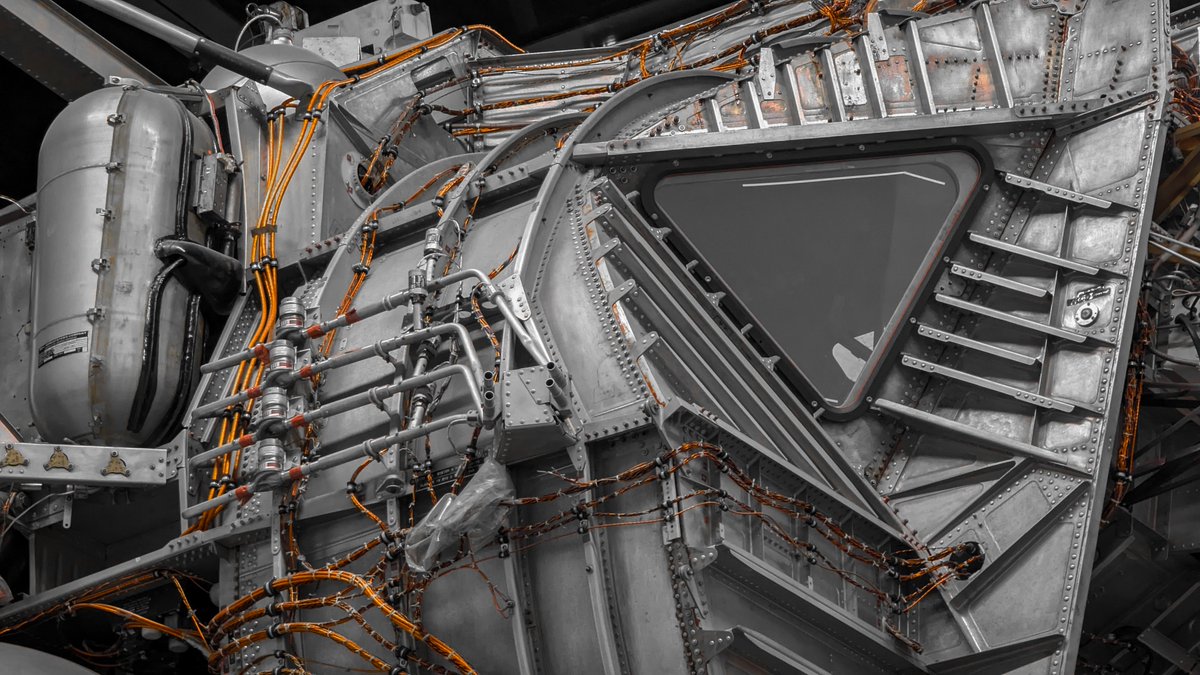
@Truthful_ast @Velocity_Photos Enterprise received the black outlined cockpit windows in 1983 for the Paris Airshow (along with the black/dark grey worm it seems). It's probably spent more time with the black windows than without them.
New Years fireworks in Baku, Azerbaijan. I was practicing some night time photographs from one of the windows on the @Space_Station at the end of the work day on New Years Eve. I had just finished passing over my targets when I noticed something funny – the city below me was twinkling! I quickly took a video, and realized that as we were orbiting further east, we had orbited into 2026, and I was actually seeing the New Years fireworks over Baku, Azerbaijan! Nikon Z9/400mm lens.
Earthrise, as it happened. Hear the crew of Apollo 8 as they see Earth rising over the moon and scramble to capture the iconic photo back in 1968.
This was created by NASA Goddard in 2013