The distinction between semi-process dyeing and full-process dyeing lies in dyeing equipment and the completeness of dyeing procedures.
1. Full-process Dyeing (Continuous Pad Dyeing / Long Pad Dyeing Machine)
Advantages
It covers full procedures including cold batch, singeing
Difference Between Jet Vat Dyeing & Continuous Pad Dyeing for TR Fabric
1. Jet Vat Dyeing (Machine Vat Dyeing)
How it works: Roll fabrics and put them into big dye tanks to soak and color in batches.
Good for: Small orders, many different colors, regular thin & medium TR cloth
Our factory integrates R&D, production and sales of suit fabrics. We strictly control quality throughout the whole production chain from yarn, grey fabric weaving to dyeing and finished
We specialize in custom high-grade plain suit fabric:
T/R 65% Polyester / 35% Rayon, 2/2 twil
Differences Between Reactive & Pigment Printing
Reactive printed fabric is smooth and soft like mercerized cotton, with clear patterns on both sides. Pigment printed fabric feels stiff and looks like oil prints.
Low cost & simple process, but poor color fastness, high formaldehy
We are a professional direct supplier of premium workwear fabrics, covering a complete material lineup including T/C blends, CVC, fully processed polyester cotton twill and yarn drill, tailor-made for uniform customization across all industry sectors.When sourcing bulk custom
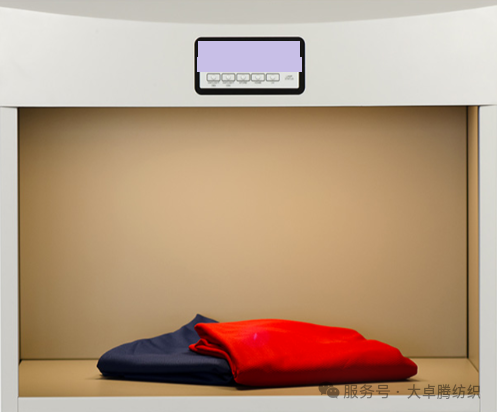
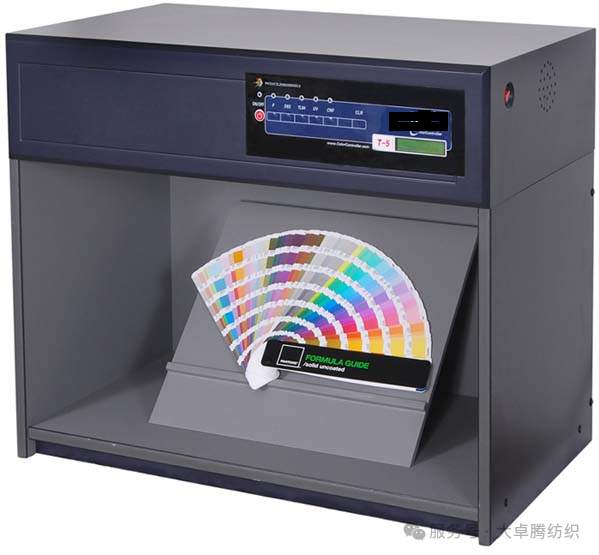
textile dye sampling, a common industry phenomenon called metamerism, colloquially known as “shade shifting under different light sources”, may occur occasionally.
https://t.co/IfVKsxI2T3
Dear Clients,
Our commercial department will be closed from June 19 to June 21, 2026 for the Dragon Boat Festival holiday. The production workshop will remain in operation to fulfill ongoing orders.
We apologize for any inconvenience this may bring and greatly appreciate your
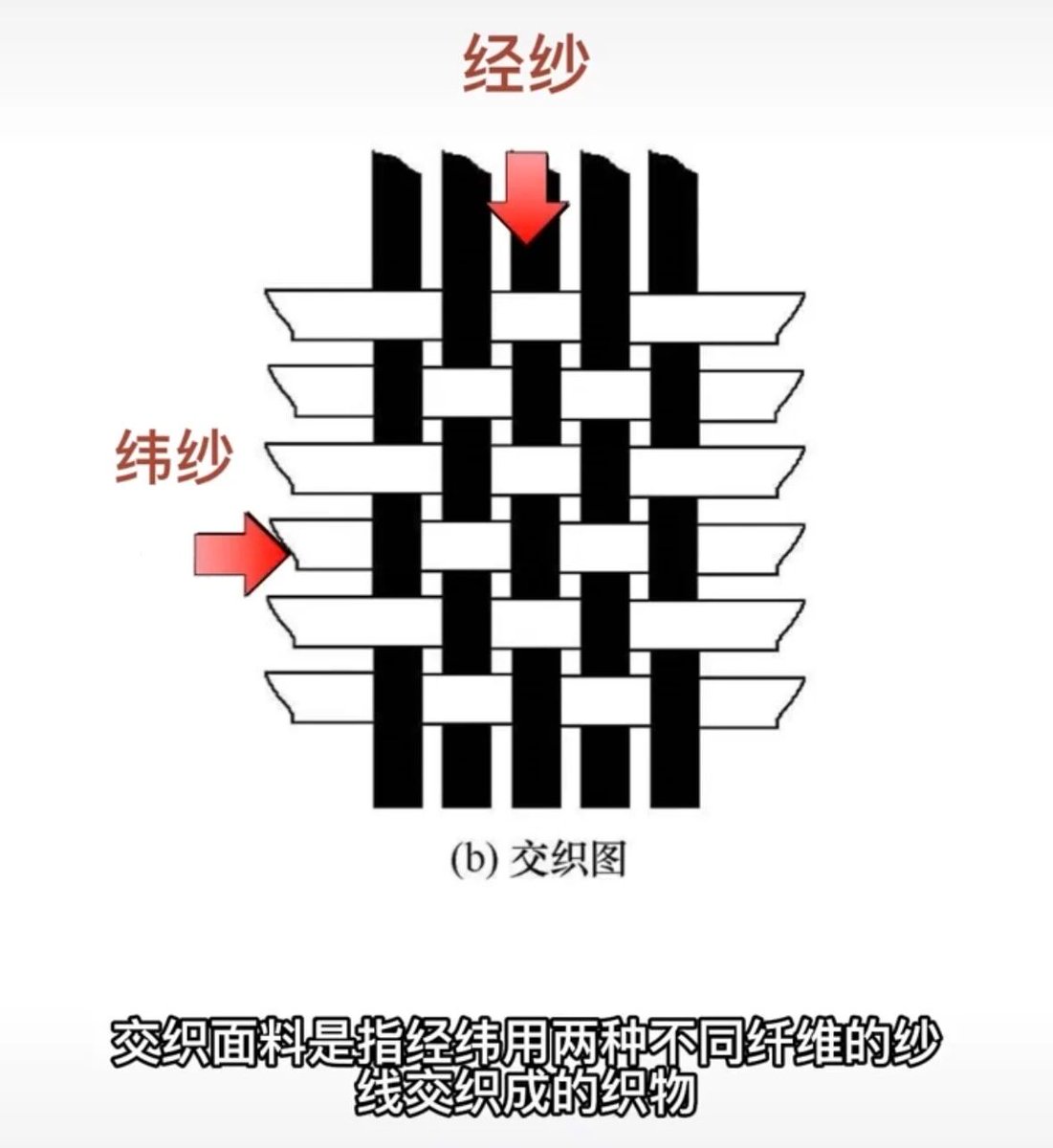
1. What are piece-dyed fabric and yarn-dyed fabric?
Piece-dyed fabric: Raw yarns are woven into grey fabric first, then dyed as whole cloth.
Yarn-dyed fabric: Raw yarns are dyed individually before weaving.
Simply put: piece-dyeing = weave first, dye later; yarn-dyeing = dye
classification methods for yarns in the textile industry by structure:
Single Yarn: Twisted directly from a single bundle of fibers. Widely used for T-shirts and knit base layers.
Ply Yarn: Made by twisting two or more single yarns together. It features higher tensile strength
Reactive printing fabrics are soft and smooth like mercerized cotton, with even printing on both sides. Pigment printing results in stiff fabric
Pigment Printing
Simple process & low cost. Poor color fastness, fades easily. Higher formaldehyde and weaker eco-friendliness.
Difference between Reactive Printing & Pigment Printing
Reactive printing fabrics are soft and smooth like mercerized cotton, with even printing on both sides. Pigment printing results in stiff fabric, looking like ink artwork.
Pigment Printing
Simple process & low cost.
Customers frequently ask us to distinguish between jet dyeing and continuous range dyeing. Here is a clear comparison:
✅ Jet Dyeing
Lower color fastness; fabric tends to be fuzzy and
Pros: Quick delivery, cost-effective price and low MOQ.
✅ Continuous Range Dyeing
Continuous range dyeing requires a minimum order quantity (MOQ) for four key reasons:Operating costsLarge dyeing equipment consumes plenty of energy, chemicals and labor. Small orders lead to high unit costs.Quality stabilitySteady running parameters ensure even color and color
Mercerizing: Treat fabric with concentrated caustic soda to upgrade luster, hand feel and dye yield.
Dyeing & Finishing
Dyes or pigments are applied to create uniform and colorfast shades. Main dyeing machines include jigger, overflow and continuous dyeing ranges.
1. What is Bleached Fabric
Bleached fabric refers to grey fabric that undergoes chemical bleaching to remove impurities, stains, natural waxes and pigments. The purpose of bleaching is to eliminate natural colorants and endow the fabric with stable and qualified whiteness.