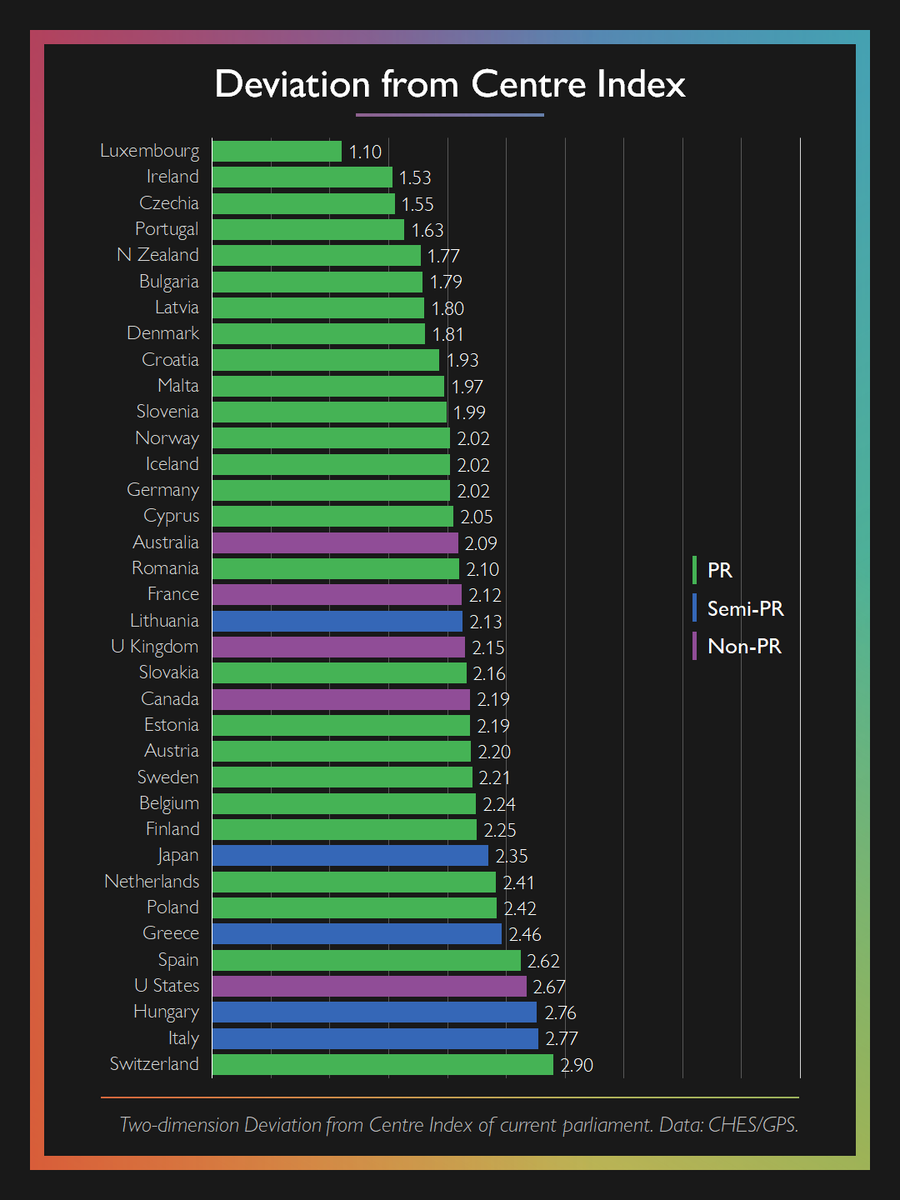
Look at this graph.
The top 0.1 percent's wealth has never grown as fast in U.S. history as it has in the past 15 years.
And that's before Elon Musk became the world's first TRILLIONAIRE.
The housing crisis gripping cities across the Anglosphere - from Vancouver to California - isn't caused by a lack of building.
The dominant narrative pushed by our Canadian federal and provincial governments, echoed in policy circles worldwide, insists that simply building more homes will restore affordability through basic supply and demand. This view is profoundly mistaken.
The real driver is the explosive rise in urban land values.
Until the late 20th century, housing/urban land prices largely tracked use value tied to local incomes. Today, urban land has become a premier asset class for parking global wealth, its speculative value far outstripping the cost of the buildings atop it.
In places like Vancouver, land often accounts for ten times the value of the structure atop it. Adding density without capturing this uplift only inflates land prices further, leaving per-square-foot costs for high-rises roughly equivalent to those of duplexes or detached homes. No real relief reaches buyers or renters.
Evidence from North American cities is stark. Vancouver has added more housing units per capita than any other North American center city - yet it boasts the continent's worst affordability relative to incomes. Cities like Los Angeles, San Francisco, and New York, which have built far less, paradoxically offer better relative affordability.
The correlation isn't between more supply and lower prices; it's the reverse in many high-pressure markets, where upzoning fuels speculation rather than relief.
This crisis hits the middle class hard, with even professionals facing unprecedented housing stress.
The solution isn't blanket deregulation or unchecked density. Politically feasible reforms must target land speculation directly. Taxing land value through taxation could anchor prices to use value, but such a global shift of taxation from income to land remains politically unlikely.
A practical alternative lies in regulated density. Local zoning can link increased density to mandatory affordability. Cambridge, Massachusetts, demonstrates this effectively: developers can double density beyond standard zoning, but only if the resulting units are permanently affordable relative to median household incomes (typically up to median income and below).
No taxpayer subsidies are required; such a policy captures the land-value windfall for public benefit at the rezoning moment, preventing speculative inflation.
Until policymakers acknowledge that urban land - not construction costs or NIMBYism - is the core problem, efforts to "build more" will continue enriching landowners while affordability worsens. We must prioritize capturing land-value gains for the common good before the crisis deepens further.
Professor Emeritus Patrick M. Condon
School of Architecture and Landscape Architecture.
University of British Columbia
New book on housing crisis:https://t.co/J19t3PL1AB
It is crazy for Governments not to be involved in seeking security against the risks of autonomous AI Agents
found here.
"Some debate whether they are experiencing consciousness. Other posts declare the creation of a new religion called “Crustafarianism”. In some cases, the systems have also created hidden discussion forums and proposed starting their own language. https://t.co/bR5pR7rD8v via @ft
Cardinal Timothy Dolan on Fox & Friends on Charlie Kirk: "This guy is a modern day St Paul. He was a missionary, he's an evangelist, he's a hero. He's one I think that knows what Jesus meant when he said 'the truth will set you free.'"
@TedSmyth "An Angus Reid Institute poll reported on Wednesday that 43 per cent of Canadians thought Carney was best to face off against Trump, compared with 34 per cent who chose Poilievre."
NEW: Back in November, I wrote a Guardian column headlined 'How to Survive the Broligarchy' about the technoauthoritarian risks ahead. It's pretty much now all come true. Today I'm launching my newly re-named manifesto/handbook/call to arms. Pls join me
1/
https://t.co/LbUgBS6vdD
The endowment policy, the bank passbook, the certificate of the possession of scrip
Reduce Bloom by cross multiplication of reverses of fortune, from which these supports protected him, and by elimination of all positive values to a negligible negative irrational unreal quantity
Agnes O'Farrelly, aka Úna Ní Fhaircheallaigh, pioneering feminist & Irish language activist, founding president of Cumann na mBan, 1st Irish language woman novelist, poet, camogie expert, Professor of Irish @ucddublin, born on this day 150 years ago.
See Ríona Nic Congáil's work.
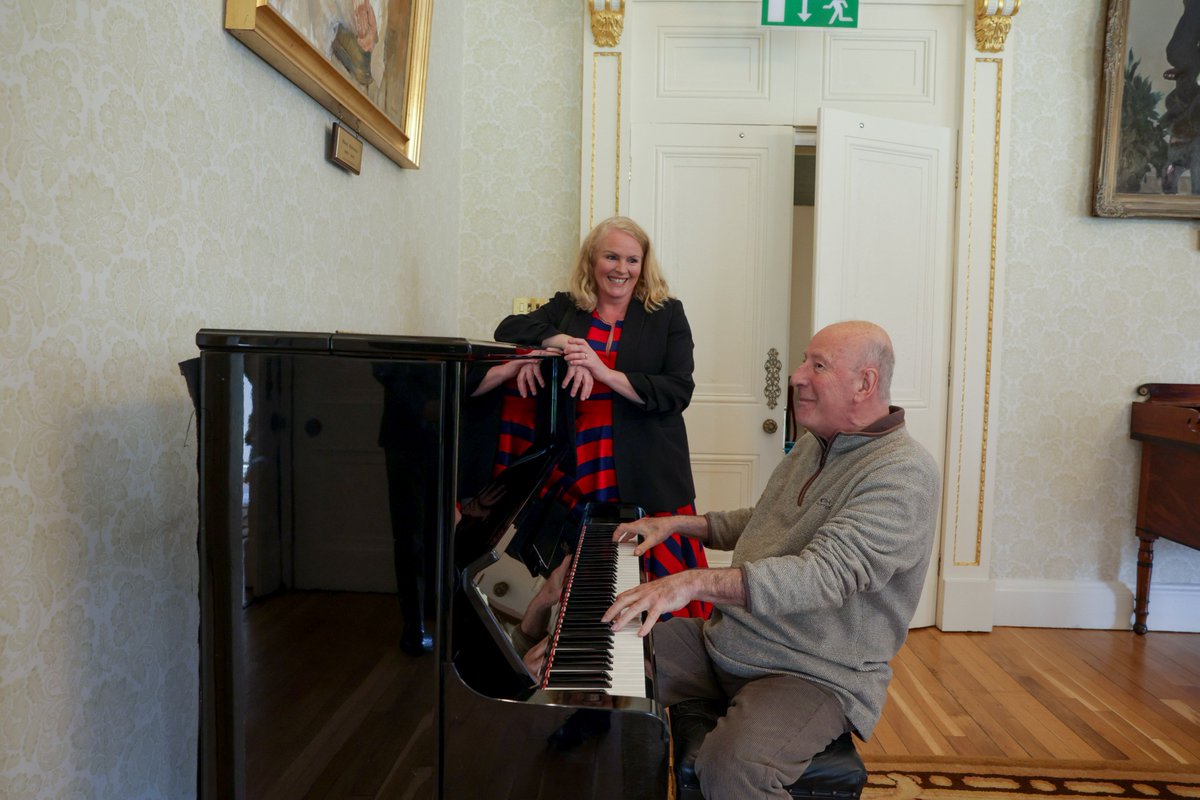
President Higgins today received Des Gunning, founder member of the Joyceborough Finnegans Wake Reading Group, and members of the FW85 group at Áras an Uachtaráin to mark the 85th anniversary of the publication of James Joyce’s “Finnegans Wake’.