Somalia has returned to its rightful place among the nations of the world. For the first time in our history, we hold seats on both the United Nations Security Council and the African Union Peace and Security Council. This milestone is a testament to the resilience, determination, and unwavering spirit of the Somali people. Somalia will fulfill its role with honour, courage, and a relentless commitment to peace.
Today, Somalia stands tall. In this historic return, we carry not only our own destiny but also the promise of a more just, secure, and united Africa and world.
Somalia 🇸🇴 is back; and our journey toward greatness continues.
The Muslim holy month of Ramadan is set to begin on February 18 or 19, depending on the sighting of the crescent moon.
But why does Ramadan start on different dates each year? https://t.co/d3wRuR8YbR
🇺🇸✈️ ذروة الهندسة!
هي مذهلة بكل معنى الكلمة.. طائرة Raptor F-22، بتصميمها الشبيه بالخفاش، وقدرتها الفائقة على التخفي، وتقنياتها التي تبدو وكأنها من عالم آخر.
هذه الطائرات لا تكتفي بالطيران وحسب.. بل تهيمن على الأجواء.
إف-22 رابتور تم تصنيع 195 طائرة منها فقط، ولا تستخدمها سوى الولايات المتحدة، ويحظر القانون تصديرها إلى دول أخرى.
إنها ذروة الهندسة البشرية، ومقاتلةً استثنائيّة في مجموعة الطيران الحربي الأميركي.
🇺🇸
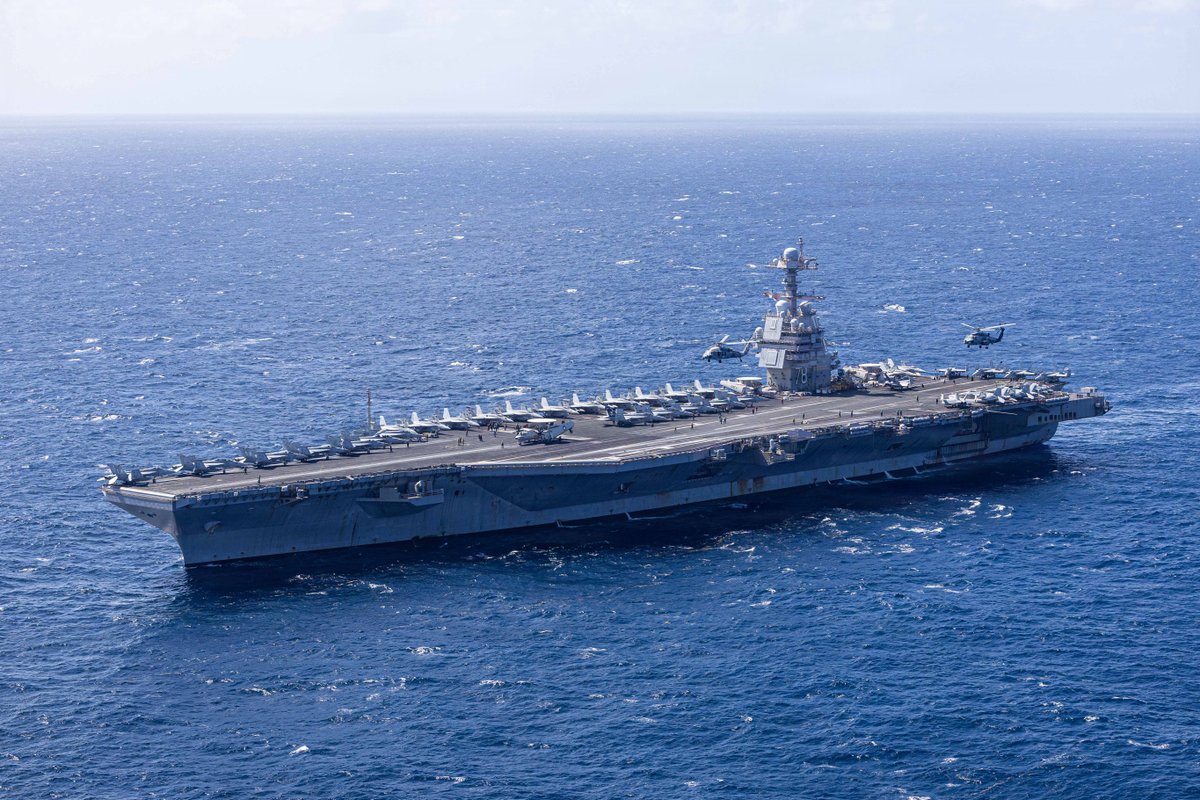
Show of force 💪⚓
U.S. Navy Carrier Air Wing 8 aircraft fly in formation over the world’s largest aircraft carrier, Ford-class aircraft carrier USS Gerald R. Ford (CVN 78), during Carrier Air Wing 8’s aerial change of command ceremony while underway in the Caribbean Sea.
U.S. military forces are deployed to the Caribbean in support of the U.S. Southern Command mission, Department of War-directed operations, and the president’s priorities to disrupt illicit drug trafficking and protect the homeland. #PeaceThroughStrength
مؤشرات التحوّل لم تعد قابلة للإنكار: ما يجري في البحر الأحمر واليمن والقرن الأفريقي ليس مجرد خلافات عابرة بين حلفاء، بل إعادة رسم صلبة لموازين القوة، عنوانها الأساسي صعود محور تقوده الرياض لاحتواء تمدد أبوظبي. وفق ما اطلع عليه “دارك بوكس” من معطيات مسرّبة، تتجه السعودية إلى بناء ترتيبات أمنية وعسكرية جديدة مع الصومال ومصر، في خطوة تحمل رسالة سياسية وعسكرية واضحة: زمن إدارة التباينات خلف الأبواب المغلقة انتهى، والرد على مشاريع التفكيك بات علنياً ومنظماً.
الأطراف هنا متعددة لكن الأدوار متمايزة: السعودية تتحرك من موقع “الدولة الضامنة للوحدة” في اليمن، ومن موقع الممسك بشرعية الدولة في الصومال، ومن موقع الحامي لخطوط الملاحة في البحر الأحمر. في المقابل، تبرز الإمارات في الوثائق المسربة كفاعل يعتمد على هندسة النفوذ عبر الوكلاء والكيانات الموازية واتفاقات الموانئ والقواعد، بما ينتج واقعاً سياسياً جديداً خارج سلطة الحكومات المركزية. أمّا مصر فتدخل المشهد بوصفها الطرف الذي لم يعد يستطيع تحمّل انعكاسات الفوضى على أمن البحر الأحمر وقناة السويس، في لحظة صارت فيها تكلفة “الحياد” أعلى من تكلفة الانحياز.
الأدلة التي تتقاطع حول هذا التحول تقوم على سلسلة أحداث متتابعة، أبر��ها انفجار الملف اليمني. فالتصعيد السعودي ضد شحنات يُشتبه بأنها مرتبطة بالإمارات ومتجهة لدعم المجلس الانتقالي الجنوبي، يعكس انتقال الرياض من سياسة الاحتواء ��لى سياسة الردع. وتسريبات “دارك بوكس” تفيد بأن الرياض لم تعد تعتبر التشكيلات الانفصالية ورقة ضغط محلية، بل خطراً استراتيجياً يمسّ أمنها القومي ويهدد بتحويل اليمن إلى جغرافيا نفوذ متصارعة تشبه “دويلات وظيفية” محكومة بالموانئ والسلاح لا بالمؤسسات والدولة.
في هذا السياق يظهر المجلس الانتقالي كأداة مركزية في الصراع: مشروع انفصالي يتقدم بخطاب “محاربة الإرهاب والفساد” لكنه عملياً يوسّع السيطرة على الأرض والمرافق والشرعية، ويؤسس لإدارة موازية تتحدى الدولة اليمنية نفسها. من منظور التسريبات، فإن الأخطر ليس التحرك العسكري بحد ذاته، بل محاولة تحويل السيطرة ��لأمنية إلى سيطرة سياسية واقتصادية طويلة الأمد، عبر التحكم بالممرات البحرية والحقول والمرافئ. وهذا ما يفسر تصاعد التوتر السعودي الإماراتي من مستوى “تنافس الحلفاء” إلى مستوى “صراع مشروعين”: مشروع يريد دولة يمنية موحدة قابلة للتسوي��، ومشروع يريد جنوباً منفصلاً قابلًا للضبط والابتزاز.
القرن الأفريقي بدوره أصبح ساحة اختبار ثانية. إلغاء الصومال لاتفاقات أمنية وموانئ مع الإمارات، وفق ما تعكسه المعطيات المسربة، لم يكن قراراً إدارياً عادياً بل خطوة سيادية مرتبطة بإعادة التموضع نحو الرياض. جوهر القضية هنا هو السيادة: التعامل المباشر مع كيانات محلية في أرض الصومال وبونتلاند بمعزل عن مقديشو، خلق شعوراً لدى الدولة المركزية بأن نفوذ الإمارات يتحول إلى سلطة بديلة داخل الدولة. وهذا ما جعل السعودية تستثمر اللحظة لتقديم نفسها كشريك يدعم وحدة الصومال لا تفكيكه، خصوصاً مع تعاظم الجدل حول الاعترا�� بأرض الصومال، والذي يهدد بإطلاق موجة انفصالات جديدة في الإقليم.
مصر تدخل على خط هذا التحول عبر زاوية مختلفة لكنها مكملة: أمن البحر الأحمر وقناة السويس. التسريبات تشير إلى أن القاهرة باتت ترى في تحركات الوكلاء والانفصاليين المدعومين إماراتياً خطراً مباشراً، ليس لأن مصر تريد صراعاً خليجياً على أراضي الآخرين، بل لأن ارتداد الفوضى ينعكس على اقتصادها وأمنها البحري. لهذا، فإن تقاطع المصالح المصرية السعودية لا يبدو ظرفياً، بل جزءاً من تصور يربط بين اليمن والقرن الأفريقي كجبهة واحدة تتحكم ببوابة التجارة العالمية.
النتيجة السياسية الكبرى التي تفرض نفسها هي أن الإمارات تجد نفسها أمام تضييق متسارع في هامش الحركة. الوثائق المسربة، كما تفهمها “دارك بوكس”، توحي بأن الرياض لم تعد مستعدة لقبول واقع تُدار فيه ملفات اليمن والبحر الأحمر عبر وكلاء خارج سلطة الدولة. ومع دخول مصر والصومال في دائرة التقارب مع السعودية، يصبح الحديث عن “تكتل ردعي” ��كثر واقعية: تكتل يهدف إلى تثبيت الحدود، وحماية الممرات البحرية، وتجفيف قدرة أبوظبي على تحويل الموانئ والكيانات المحلية إلى أدوات نفوذ إقليمي.
في المحصلة، ما يجري ليس مجرد إعادة تموضع، بل معركة على شكل المنطقة: هل تُحكم بالدول أم بالمليشيات؟ هل تُدار بشرعية المؤسسات أم بشرعية السلاح؟ والجواب الذي تتبناه الرياض، وفق التسريبات، هو أن أمنها القومي يبدأ من منع التفكيك قبل منع الخصوم، وأن أخطر التهديدات هي تلك التي تأتي تحت مسمى “الشراكة” بينما تعمل عملياً على إنتاج واقع جديد خارج الدولة.
#اليمن #السعودية #الإمارات #البحر_الأحمر #عدن #المجلس_الانتقالي #الصومال #مصر #الأمن_الإقليمي #القرن_الأفريقي #النفوذ #الجيوسياسة #الشرق_الأوسط
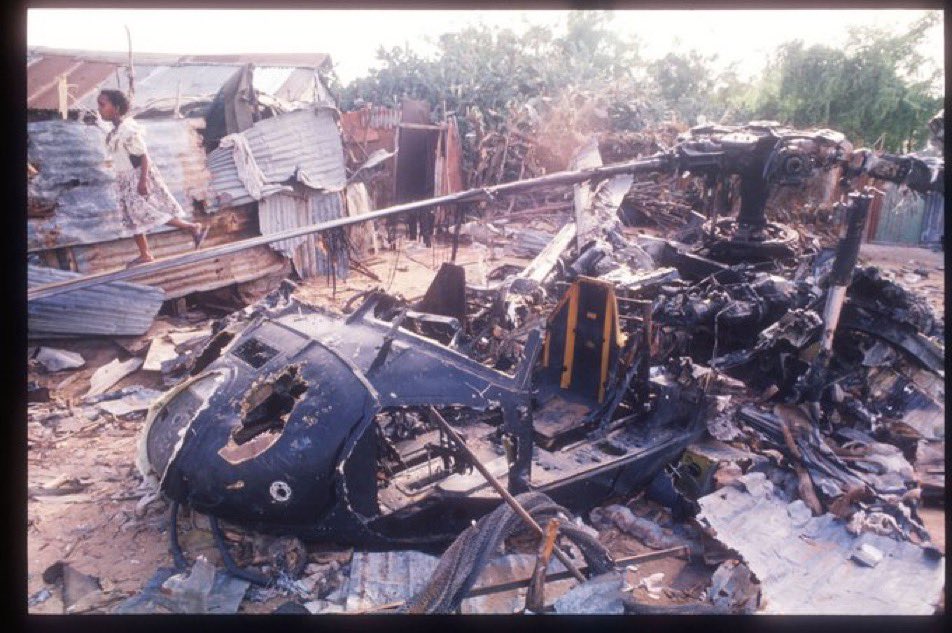
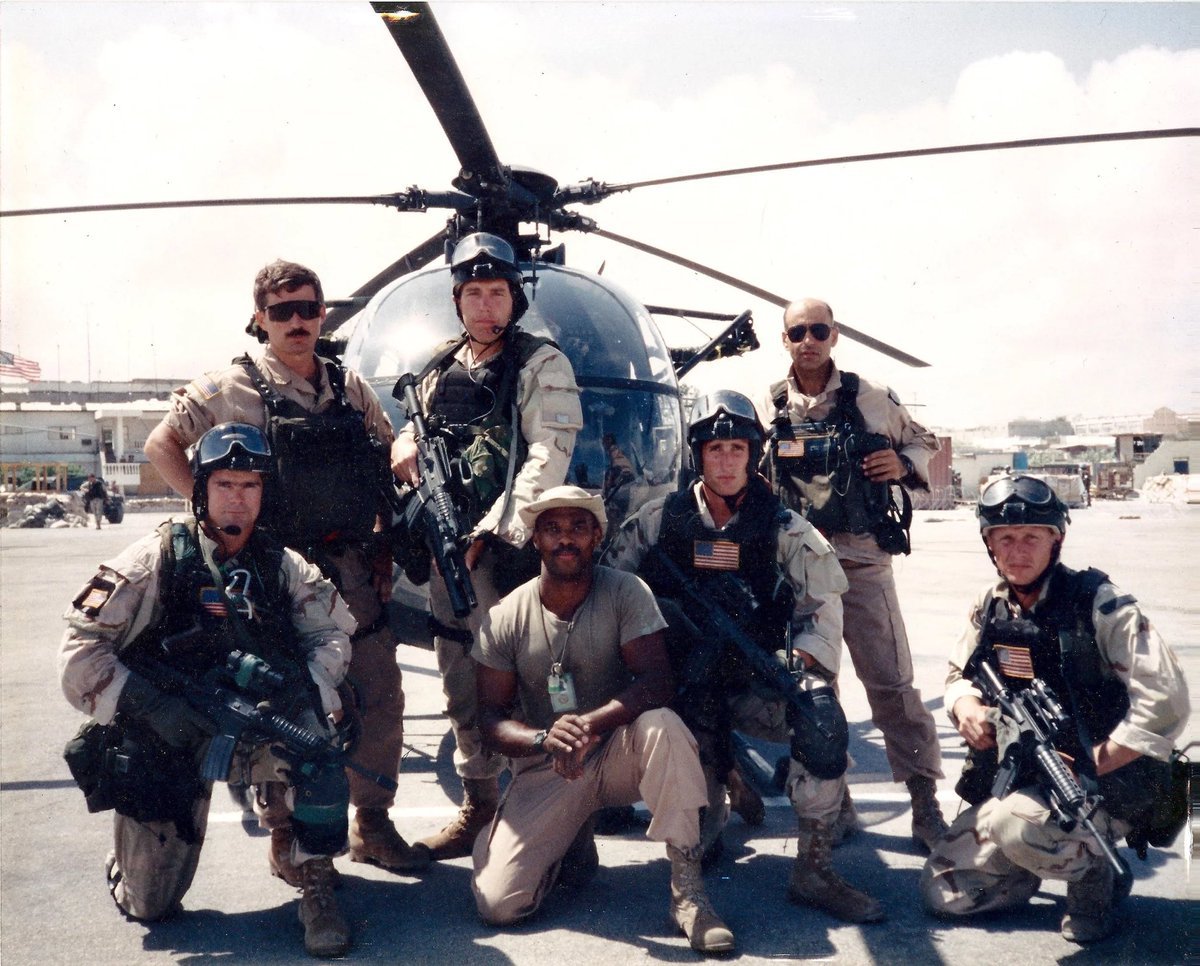
The same American Delta forces attempted similar tactics in a far weaker state like Somalia 🇸🇴 in 1993, and were shot out of the sky by RPGs, suffering 18 killed and 73 wounded.
What happened in Venezuela 🇻🇪 was not a display of overwhelming military superiority; it was an internal deal.
Maduro’s surrender and the military systematically stood down, an elite-level agreement was struck and china agreed to it.
Marco Rubio was the key strategist in this operation, the poker player at the table. As a Cuban American deeply familiar with regional power dynamics, he likely secured the trust and defections necessary to make it work.
Following Israel’s recognition of Somaliland, global attention has shifted decisively toward the southern exit of the Red Sea. This shift has been further intensified by the deepening Saudi–UAE rivalry unfolding through Yemen, transforming the Bab el-Mandeb and its surroundings into a focal point of regional and global competition.
At this juncture, a deceptively simple but profound question emerges.
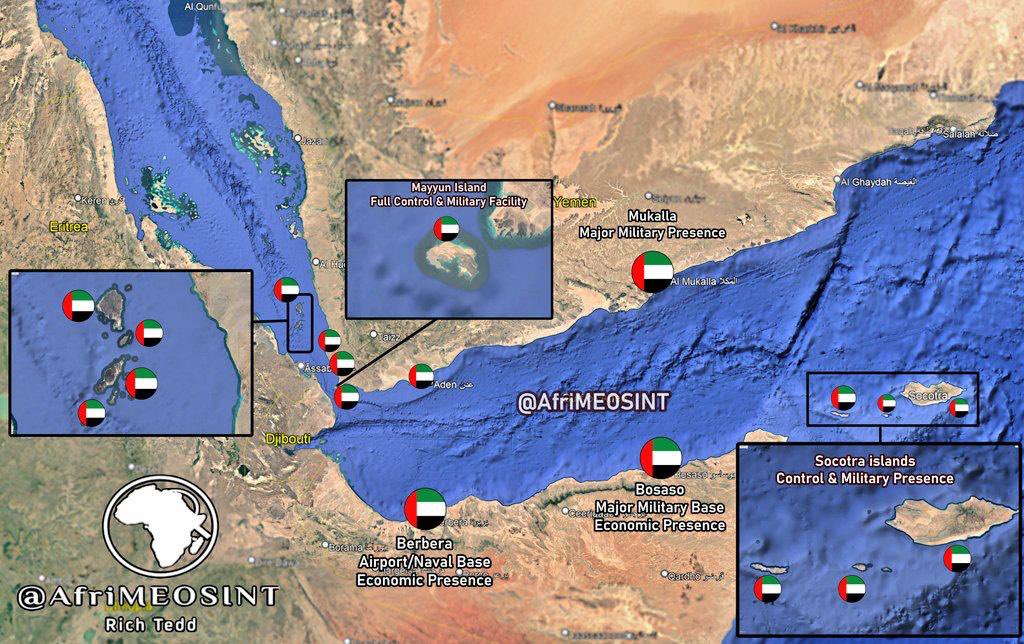
The primary regional actor behind Somaliland’s recognition by Israel intersects with another reality: the United Arab Emirates, a state that actively challenges Saudi Arabia through proxy dynamics in Yemen, Saudi Arabia’s traditional strategic backyard, while simultaneously extending its influence across the Horn of Africa. From backing the RSF in Sudan to cultivating leverage over federal member states in Somalia, and even encouraging fragmentation dynamics in Somaliland itself, the UAE is engaged in a broad, multi-theater contest for regional dominance.
The UAE’s structural realities are well known. Its total population stands at roughly 11 million, of which only about 1.2–1.4 million are native Emirati citizens. Its active military force numbers approximately 63–65 thousand personnel.
Given these constraints, a critical question arises: How does a state with such limited demographic depth and modest military manpower justify establishing military bases on nearly every strategic island, port, and coastal node it can access at the Red Sea’s southern gateway?
From a purely functional perspective, these bases far exceed what the UAE could realistically staff, defend, or sustain solely for its own national defense. The scale and geographic dispersion of this network raise doubts about whether these facilities are intended primarily for Emirati use at all.
This leads to deeper strategic considerations. Are these bases designed as forward platforms for larger allied powers? Are they being constructed as modular assets, to be transferred, formally or informally, to states with large populations but no direct access to the Red Sea? Or do they serve as geopolitical currency, allowing the UAE to trade territory, access, and infrastructure for influence, protection, and strategic relevance far beyond its size?
These questions are not speculative curiosities. They sit at the heart of understanding the evolving power architecture of the Red Sea and the Horn of Africa.
If we can accurately interpret the logic behind the UAE’s expansive basing strategy, we gain clarity not only on Emirati ambitions, but on the broader realignment taking shape across East Africa, the Bab el-Mandeb, and the Red Sea corridor itself.