@Thermobolic try to avoid "floxs”. there’s always a non-zero chance they nuke your body. If you have to take them, consider taking them with alphalipoic acid + b vitamins to help guard against neuropathy, vitamin e + selenium for tendon protection and prebiotics to support gut health
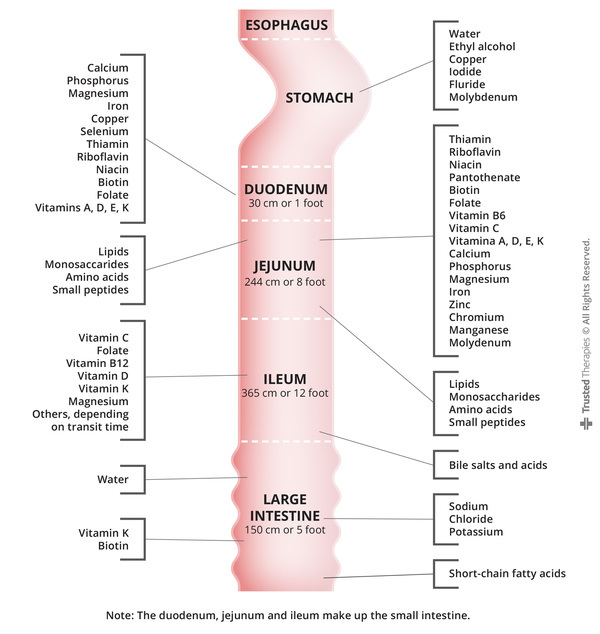
Most nutrients (95%) are absorbed in the small intestine, electrolytes and vitamin K even further down in the large intestine. If you are chronically deficient, constantly supplementing with little improvement: optimizing gut health is crucial.
Root causes:
- Low stomach acid and slow bile pathways from toxicity and pathogens.
- Brain/Gut connection is inflamed
- Emotional trauma and stress
- Abdominal surgery can cause scar tissue and reduce mobility
- Oral flora has a significant impact on gut microbiome
- Overuse to medication like PPIs, antibiotics, antidepressants
Supports:
- Seek for infections
- Betaine HCL, bitters, digestive enzymes pre meals
- Fascia blasting if scar tissue
- Pay particular attention to stress and adrenal health
- Focus on brain-gut and thyroid-gut axis
- B vitamins deficiencies like thiamine, biotin
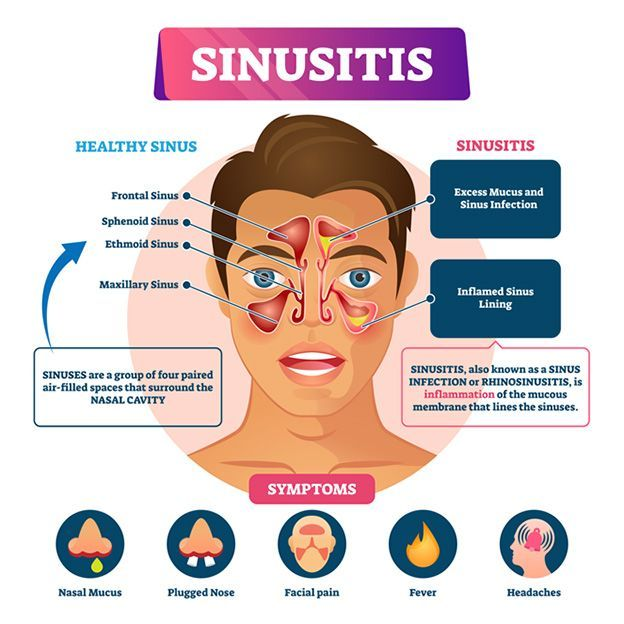
If you’ve got chronic sinus problems, it’s a fungal issue
We knew this back in the 90s yet doctors today still prescribe antibiotics for sinus infections
Not only does that do nothing to help you
But it also wrecks your immune system to make things even worse for you
You need to treat the fungus if you want to get better
You know what else went through a pasteurization process? The human.
C-sections
Chronic antibiotics use
Glyphosate (acts like an antibiotic)
Disconnection from nature
Harsh soaps
Tap water full of chlorine
Blue / White LED lights
And just like the example below, we are now sensitive to fungus/mold.
A single 200 mg dose of doxycycline within 72 hours of removal of a deer tick can save you from a life of Lyme disease. If symptoms appear later, a full 10-day course is still highly effective. The mechanism is well-established. Take the antibiotics.
Your sinuses are clogged because mold quietly moved in.
When fungal spores settle in your sinuses, inflammation and mucus never stop.
Those antibiotics your doctor keeps giving you for sinus infections? They’re killing off good bacteria and actually creating more room for fungus to thrive.
Allergy meds don’t fix it either
You probably don’t realize mold hides invisibly in your homes mostly in showers, basements or even inside AC units.
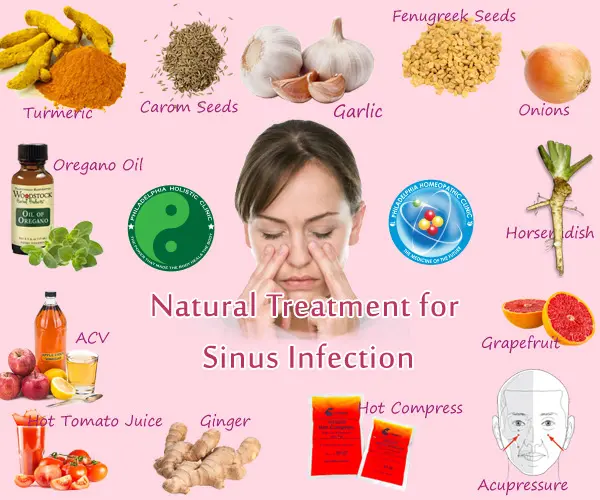
The solution is gentle antifungals like oregano oil or berberine with binders to clean up fungal toxins.
Chronic sinus fungus often starts deeper in your gut, usually after antibiotics disrupt your microbiome.
Clear your gut, evict the mold and your sinus congestion finally lifts.
Dental implants are viewed as our bionic escape from the woes of cavities.
“My teeth are jacked, I’ll just get implants eventually”
Implants have come a long way and a great *last resort* option for when a tooth must be extracted.
Today I’m going to explain it all.
A few things before we start:
1) This is going to be LONG
2) Every patient has different needs, this post may or may not apply to you
3) I place and restore basic implants (not complex cases)
4) I will be fielding questions from my last tweet throughout this post
5) At the time of writing this intro, I have no idea how this will turn out since this is such a large topic with many textbooks dedicated to the subject (pray4me)
Let’s begin:
*What is a dental implant?*
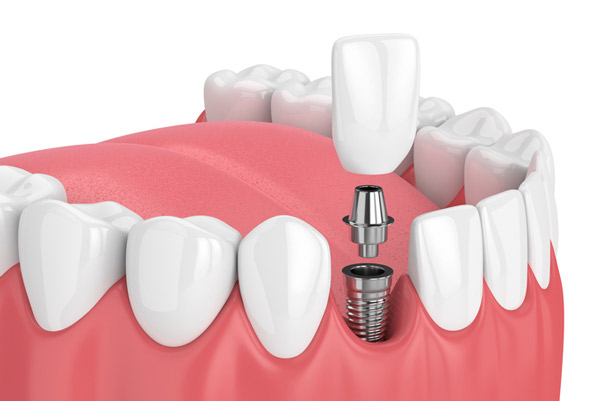
I’m going to be blunt: A dental implant is a goddamn screw in your skull, typically made from titanium. It serves as a foundation for a replacement tooth or a dental bridge. The implant fuses with the bone in a process known as osseointegration, providing stable support for the artificial tooth. Then you put a tooth shaped crown (typically made of ceramic) on top of that screw. Now you have a complete dental implant. There are a few components to the implant:
the implant (the post or screw)
The abutment (this connects the screw to the visible tooth)
The crown (this is the white thing that looks like a tooth but its made of ceramic
*How does an implant stay in?*
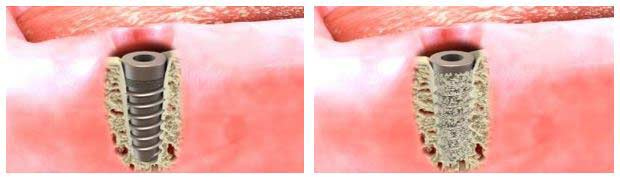
An implant stays in place through osseointegration, where the implant fuses with the jawbone over time. Osseointegration is a good thing, but this does not make it a tooth. It’s not a dynamic part of your body like a tooth is. This secure attachment to the bone ensures the stability and durability of the implant, allowing it to function much like a natural tooth root.
*How does an implant differ from a real tooth?*
While an implant serves a similar function as a natural tooth, providing support and stability, it lacks the sensitivity and vitality of a real tooth since it's an artificial structure. An implant lacks a periodontal ligament. This means it’s going to FEEL different when you chew. The periodontal ligament that connects your teeth to your jaw provides a lot of sensory feedback, and implants do not have this. With that said, implants are not susceptible to dental diseases like cavities but require proper oral hygiene to maintain the health of the surrounding tissues.
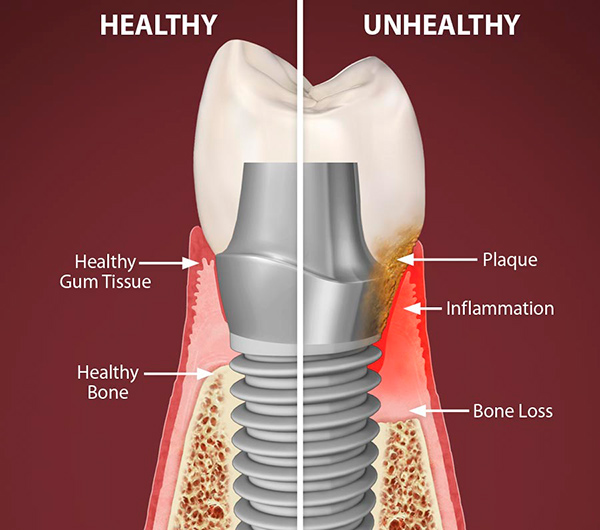
You can get something called peri-implantitis. It’s a scary word but we’re going to break down what it means
“peri” means around.
“implant” means the implant
“itis” means inflammation
Bringing it all together: the tissue around the implant is inflamed. While that doesn’t sound so scary anymore, it is scary because chronic peri-implantitis leads to one thing: failure of the implant.
*What if an implant fails?*
Implant failure happens. So many dentists tout the “95% success rate!!” But its a loaded statistic. In such cases, the failed implant likely needs to be removed, the site thoroughly cleaned, and a new implant may be placed after appropriate healing and preparation.
Here's the most important thing about implant failure compared to a tooth infection:
Implant failure is usually a slow, relatively painless process compared to a tooth. Remember, a tooth is a living, dynamic part of your body with a sensory feedback loop SCREAMING at you something is wrong. This does not happen with implants.
Implant failure is such a large topic, so for all my dental friends forgive me if I miss anything for I am an idiot to even attempt to do this on twitter.
https://t.co/aXkx8OCVvJ
There are multiple failure points for a dental implant
1. Host related reasons
Age and gender of the patient, smoking habits, systemic disease, and oral hygiene.
Age is not so much of a factor to be honest, most studies show a difference but not statistically significant.
Smoking will increase your odds for failure rate, more on this at the bottom of the post.
Osteoporosis has been shown to be a condition leading to higher incidence of implant failure.
Pregnancy is another factor in implant failure. The hormonal shift can indirectly cause per-implantitis leading to higher chance of failure.
https://t.co/i09bmFCmHv
Uncontrolled diabetes is also a factor for implant success rate. More on this towards the bottom (someone asked a specific question on this)
https://t.co/ftHPxaLajq
2. Location of implant placement
Position in arch, quality, and quantity of bone are implant placement site-related factors
Our skulls don’t have uniformly dense bone. There are classifications of bone density and they are as follows:
D1 - Dense cortical bone (found in the lower front jaw)
D2 - Porous cortical bone (lower back jaw, front upper jaw)
D3 - Porous cortical/Fine Trabecular (front upper jaw, back upper jaw)
D4 - Fine trabecular (upper back jaw)
D1 is dense like an oak or maple wood, whereas D4 is like styrofoam. The denser the bone typically has a higher success rate for implant placement. These are general guidelines and it’s different in every person.
3. Surgery-related reasons
Initial stability, angulations and direction of implant and the skillfulness of an operator come under surgery-related factors
Stability is exactly what it sounds like: how stable is the implant at the time of surgery? We measure this with the adeptly named Implant Stability Quotient (ISQ). It’s a little machine that looks like those forehead thermometers and it gives you a score. The more stable the implant at time of surgery, the better the outcome will likely be.
Angulations are too annoying to cover on this and quite frankly, don’t worry about it lol.
4. Implant fixture reasons
Surface roughness, length and diameter of dental implant, macrostructure and microstructure of an implant fixture.
This is getting deep into the weeds. Some studies show that implants with a diameter of greater than 11.5mm tend to show greater failure. Similarly, very narrow implants tend to fail faster than their wider counterparts.
The implant surface texture will also aid in implant success/failure
https://t.co/Jla2OcwLHw
There are also a variety of implant designs. Some are straight and conical, others are tapered. This is becoming quite overwhelming for dentists because there are so many goddamn implant systems and it seems like every week a rep calls saying they have the BEST NEW IMPLANT AND FAILURES ARE A THING OF THE PAST.
https://t.co/GNPtoxe1GU
5. Functional reasons
Type of prosthesis, retention method, and occlusal scheme are implant prosthesis-related factors
Immediately loading an implant with a crown can provide a patient with relief (for example, if you’re missing a front tooth and don’t want to walk around waiting for it to heal). If the crown is placed on the implant on the day of surgery, you want to make sure it’s not being banged on every time you chew. Many docs do it this way, but it can be a little unpredictable. The data supports it under the right conditions.
https://t.co/tnN2FWEhwF
The single greatest predictor of implant failure is an obvious but unexpected one:
If you’ve had an implant fail before.
https://t.co/kvpEl6hszv
Your bite is one of the most important final steps in ensuring long term survival of the implant. This also rings true for teeth, but dentists can’t agree on occlusion so I won’t open that can of worms.
I’ll put it simply so I annoy everyone: Implants don’t like to be pushed side to side, they only liked to be pushed up and down (axial forces).
https://t.co/aKTBdptZv8
*When do you decide to remove a tooth for an implant versus save it with a root canal?*
It depends. I know how many of you hate this answer but as you can see how many freaking variables go into the success of an implant, this is not a straightforward decision. I treat people, not teeth. Everyone has different circumstances.
*Are there long term things to be aware of?*
Long-term care of dental implants includes maintaining good oral hygiene to prevent diseases like peri-implantitis (an infection similar to gum disease that can lead to bone loss). Regular dental check-ups are crucial to monitor the condition of the implant and the surrounding tissues.
If you diagnose peri-implantitis early, it can be managed. Things can do downhill fast, though. For example, a small insult to the implant like a piece of cement or food can start a cascade of inflammation that will lead to the failure of the implant in a matter of months. Unlike a tooth, it won't "hurt" signaling you to go get checked out.
*What type of materials are best for the “fake tooth”?*
I wouldn’t be concerned about this too much. It’s pretty much going to be one of two materials: lithium disilicate (emax) or zirconia. Both are great materials and have different pros and cons, rather than one being superior to the other. I try to match materials on opposing teeth due to surface similarity (zirconia opposes zirconia, etc). This is a whole different subject to be honest.
One thing I will mention is that the connection between the fake tooth and the implant does matter. There is a much larger room for error when the crown is attached to the implant via cement rather than a screw. Granted there are exceptions, but I’d opt for a screw-retained implant crown 99% of the time (this gets dicey on the front teeth, but I will still stand by it).
*Can you be allergic to titanium?*
While rare, allergic reactions to titanium have been reported. Symptoms can range from skin rashes to implant failure. I may get flamed for this section by other dentists on here but I don’t really care.
Here’s the thing:
The data shows titanium allergy is sparse, but data doesn’t rule everything.
https://t.co/war2XEDoMv
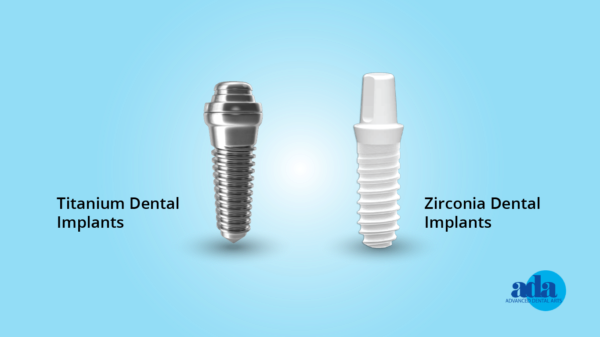
The alternative to titanium implants are zirconia implants (AKA the entire screw is made of zirconia which is a type of ceramic).
They have been growing in popularity but there’s one problem:
Ceramic can break.
Believe me, you do NOT want an oral surgeon fishing out broken fragments of zirconia from your skull because your zirconia implant broke. It’s a nightmare, and anyone who tells you otherwise is being facetious. With that said, there are many people who successfully place zirconia implants, and their patients have no issues. I, for one, do not place these as the liability is way too high for my risk profile.
The literature shows that it osseointegrates similarly to titanium. Not only that, but the screw itself is white so it is a great option for implants in the esthetic zone. Soft tissue management in the front is a bitch, and you don’t want a silver screw poking through your thin gums. Again, this is beyond my risk profile… if a patient of mine wants one, to a surgeon you go.
https://t.co/ddtjL5H1Xq
https://t.co/EKSytAc0gH
*Should you wait for the extraction site to no longer be sore before getting the implant put in?*
Generally, it's recommended to allow the extraction site to heal fully before placing an implant. Soreness is not an indicator of healing as far as implant placement goes. The soreness you feel is usually due to the gums, which don't have much of an impact on the implant success rate.
The bone needs to be sturdy to hold that implant. Think of mounting a TV. A non-integrated graft is like trying to hang a 90" TV in Drywall. It will go up on the wall, but in a few hours it'll fall down. However, in some cases, immediate placement may be possible.
Many people that want an immediate implant are also coming in with massively infected and broken teeth. You can’t place an implant at the time of extraction when you have a giant abscess in the base of your jaw. This is often the reason why you are declined an immediate implant placement on the day of extraction.
If the tooth is extracted with bone graft, you gotta wait a few months for that graft to integrate into your jaw. You don’t want to place an implant into mushy bone.
*What is a bone graft, and why do I need one?*
A bone graft is a procedure that augments or replaces bone in areas of tooth loss. It is needed when there's insufficient natural bone to support an implant, which can occur due to various reasons, including gum disease or long-term tooth loss. Many will use a xenograft or allograft.
Allografts: Made from human cadaver bone that has been thoroughly cleaned and sterilized. This bone is usually freeze-dried and demineralized, which leaves a matrix that can help stimulate new bone growth.
Xenografts: Typically made from bovine (cow) bone. The bone undergoes a rigorous cleaning and sterilization process to remove all organic material, leaving behind a mineral scaffold that aids in the regeneration of the patient's own bone.
As both are described as a “matrix” or scaffold” this means the bone graft needs to soak up your own blood and healing factors before it’s turned into hard, usable bone to support an implant.
That means one thing for you: waiting.
You gotta wait a few months at least before you can even place an implant in that site.
*Can bone graft material for an implant harbor an infection similar to how a tooth can?*
It can, as anything can become infected. Way less likely though, and in this case a simple round of antibiotics and irrigation should do the trick.
*Is it best to get implants at/by a certain age?*
The one demographic I urge caution to: growing patients (children/teens). As I said before, dental implants are STATIC. They do not move like teeth do.
In a growing patient, the jaw is still developing, which means that implant is going to be in an unpredictable position by the end of the growth phase.
There isn’t really an age limit for placing implants, but you’ll find most 90 year olds don’t care to lol.
https://t.co/lvRmEDetJC
*If I have no tooth but I’m not in pain, do I need an implant?*
No, you don’t. Just keep in mind, teeth like partners. In an area with a missing tooth, expect the tooth behind it to drift forward and the tooth opposing it to drift/up or down looking for its long lost friend. It’s a tragic romance story.
*What is your opinion on zygomatic implants?*
Zygomatic implants, which anchor into the zygomatic bone (cheekbone), can be a last-resort solution for patients with severe bone loss in the upper jaw.
Let me say this clearly: ZYGOMATIC IMPLANTS ARE NO FREAKING JOKE.
I’m not going to get into the weeds of all this, but for the love of god do not let some corporate implant mill put zygo’s in. They are predictable when done by a skilled surgeon, but when they fail it is a MESS.
https://t.co/ka0tvZQzG9
https://t.co/qgULijnN12
*Can you be disqualified from being a candidate for implants if you have diabetes?*
While diabetes can affect healing, it does not automatically disqualify someone from receiving dental implants. However, blood sugar levels should be well-controlled before and during the healing process.
Uncontrolled diabetes and glucose dysregulation changes the way our body's immune system works. This means your implant becomes an easy target as your defenses are lowered.
*How does it feel to go through a dental implant versus a root canal?*
Both procedures are usually performed under local anesthesia, so discomfort during the procedure is minimal. Post-procedure pain varies among individuals and can be managed with medications.
It really depends on starting point. Do you have a massive infection? That’s going to make a root canal suck. Are you having 12 implants placed in one go and prone to inflammation? That’s going to make an implant procedure suck.
Ask any skilled surgeon, they will tell you it’s a bit of a dice roll on post-operative pain. I’ve had patients go directly back to work after both root canal or implant placement.
TLDR: It depends
*Are implants ok if you grind/clench?*
Grinding and clenching is a problem regardless of implants or not. It’s a serious issue that deserves investigating. With that said, implants do not like shear forces at all due to the nature of their osseointegration.
Grinding and clenching will absolutely accelerate implant failure due to physical load.
https://t.co/drU4MsmAQM
*What about implants in the front?*
Surgeons are going to hate this but they don’t deal with the backlash like restorative dentists do. They place the implant, it achieved primary stability and they send you on your way with a smile.
That’s the end of their job.
Your restorative dentist is in charge of making sure that implant looks good and functions well.
THIS IS INCREDIBLY DIFFICULT AND NOT THAT PREDICTABLE. Again, this is one of like 4 topics that probably needs its own dedicated post but I’ll do my best to distill this down:
The tissue is extremely temperamental in the esthetic zone, mainly due to the part of the bone called the buccal plate. The buccal plate can be easily explained as the thin bony casing that sits right under the gums behind your upper lip.
The buccal plate can get thin, even after initial placement with proper thickness. When the buccal plate gets thin, the tissue gets thin. When the tissue gets thin, it starts to look like SHIT because the metal screw starts to show.
We can mitigate this in a few ways
-Zirconia implants so the screw is white rather than silver
-Leveraging the power of pink ceramic to cover the exposed implant
-Soft tissue grafting
Regardless of the reparative measures, anyone who tells you anterior implants are easy are LIARS and tell them to come fight me.
https://t.co/n94JnQOfDr
*Can I continue smoking if I’m getting implants placed?*
This question pains me. If you get to a point where your teeth are compromised and implants are on your radar, you probably have a few areas of your lifestyle that need adjusting. I’m not going to point fingers and tell you how bad smoking is for your mouth and body, you already know that and you’re an adult.
Anyway, yes…smoking is a major risk factor for implant failure. Will it happen to you? I don’t know, but if your case was on a roulette table in Vegas, my chips aren’t going in your square.
https://t.co/B2TRLcSq1I
YOU MADE IT TO THE FINISH LINE!
I don’t know why I volunteered to do this, because I’m sure I left some things out that will annoy fellow dentists, and I included way too much for the average person who’s interested in dental implants. The 4 image maximum is also a real buzzkill here, which I hope they fix.
I hope you enjoyed this, but I’m not sure who this is for. Not a single patient in my office would want to read this but I know twitter probably does. I’m sure there will be follow up questions, so let me know in the comments what you think.
I sincerely pray this was helpful and not a colossal waste of your time (and mine).
We’re surrounded by “shadow antibiotics” every day, pesticides, preservatives, artificial sweeteners, PPIs, chlorine. They all act like antibiotics, subtly destroying your gut microbiome. The chronic exposure to these shadow antibiotics doesn’t just sit in the gut, it ripples out along every axis: brain, thyroid, skin, immune system. Filter your water, eat organic/wash produce with baking soda/vinegar should be fundamentals.
One round of antibiotics can raise depression risk by 25%. Double that in a year and the risk climbs to 40%.
Post-antibiotic repair for a healthy gut-brain axis: Eating Your Hydration!
- Bone broth based soups/stews to rebuild lining
- Kefir to keep candida in check.
- Pomegranates, cherries, plums, elderberries to feed the gut microbiome.
The more you stretch your hips, the stronger your intuition will be, the better your posture will be, the less anxiety & stress you’ll have, the more you’ll be able to transmute your emotions, and the more life force energy you’ll get
Your approach to health will improve when you start respecting both your anima and your animus. Your anima is pleasure. Sunlight on your skin, a long relaxing bath, music. lunch with friends, falling in love.
Your animus is structure. Magnesium. Regimens. Red light panels. Blood work. Strength training. Tracking your progress. The discipline that supports healing.
Most people lean too far into one.
Gave birth to a baby with autoimmune diseases due to toxin overload from my girl boss lifestyle where I accumulated exogenous estrogen and toxins like metals, mold and endocrine disruptors.
Promise myself I will try to help as many as I can to not go through what my family went through.
This is why I revoke access to folks who mishandle my kindness. Kindness is the bare minimum. You are a very sick & twisted person if you assume kindness means you’ve conquered someone or established some type of power play — ironically, this is how you announce your inferiority.
Brainwash yourself
Here's what you do...
Get yourself into the highest of high energy states. (For me it's T3, caffeine, TTFD, 100g sugar carbs, coconut oil + some added fat like butter.) whatever it takes to really get yourself going.
Then, write down some positive affirmations about the direction you want your life to go. "I have unlimited energy. I was born to achieve great things. Good things just happen to me" - stuff like that.
Record yourself saying them outloud. Believe it - it shouldn't be that hard if you're in the right state of mind. You have to believe it as your saying it / recording.
It's very important that you're in a high energy state when you make the recording.
Then, later when you're feeling down or defeated or struggling, listen to your recording.
Your recording is like a tuning fork and will align your energy with your high energy state - the state at which your affirmations are believable.
Listen before bed, when you first wake up, and anytime you're feeling low.
The more frequently you return to your high energy state, the easier it is to stay in that state for longer periods. Let your body and mind get used to it.
Eventually, it becomes your natural state.