Wallstedt was only goalie for six years before Minnesota drafted him. He thinks that matters. So does Fowler, who still plays out as a pro. https://t.co/FB5tW4n1bY
It was pretty open that Ian Clark and Sean Burke could be poached to be a director of goaltending with a big enough cheque last summer. Bowman went with “his guy” in Pete Aubry as GC and kept Kelly Guard and Jeff Salajko from Dustin Schwartz’s era. Self inflicted wounds
The Islanders have eliminated the Capitals the last three straight years heading into tonight's round 1 matchup. And Washington is without Gartner and Gustafsson. Let's go to the game 1 highlights, Pete Peeters and Kelly Hrudey the goalies:
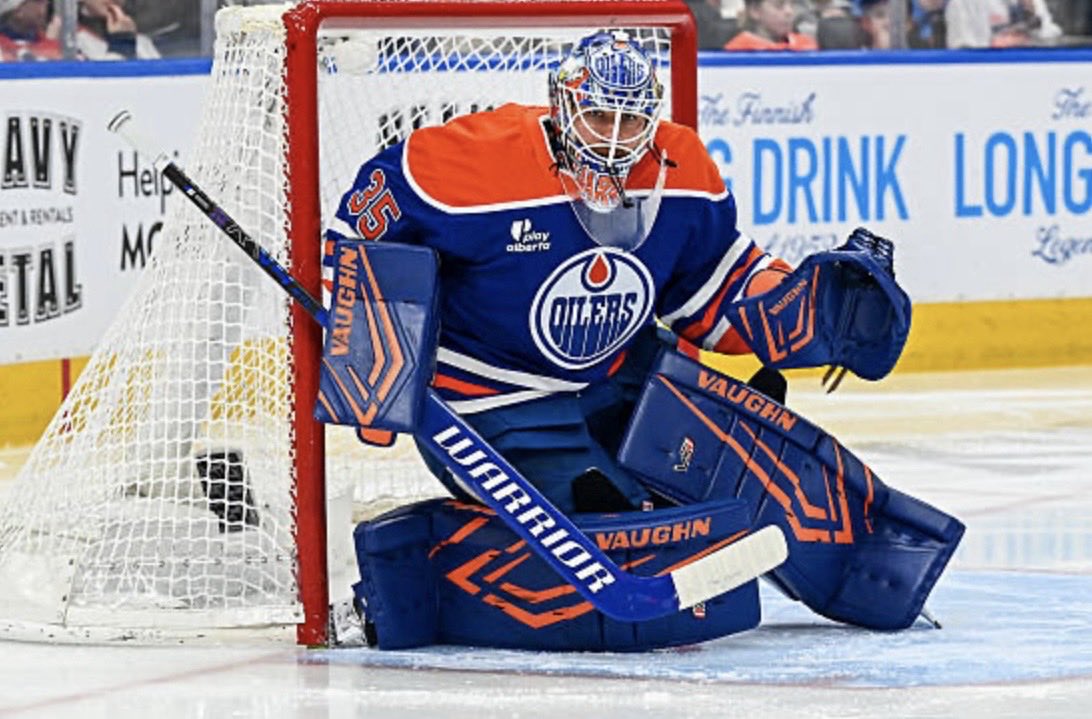
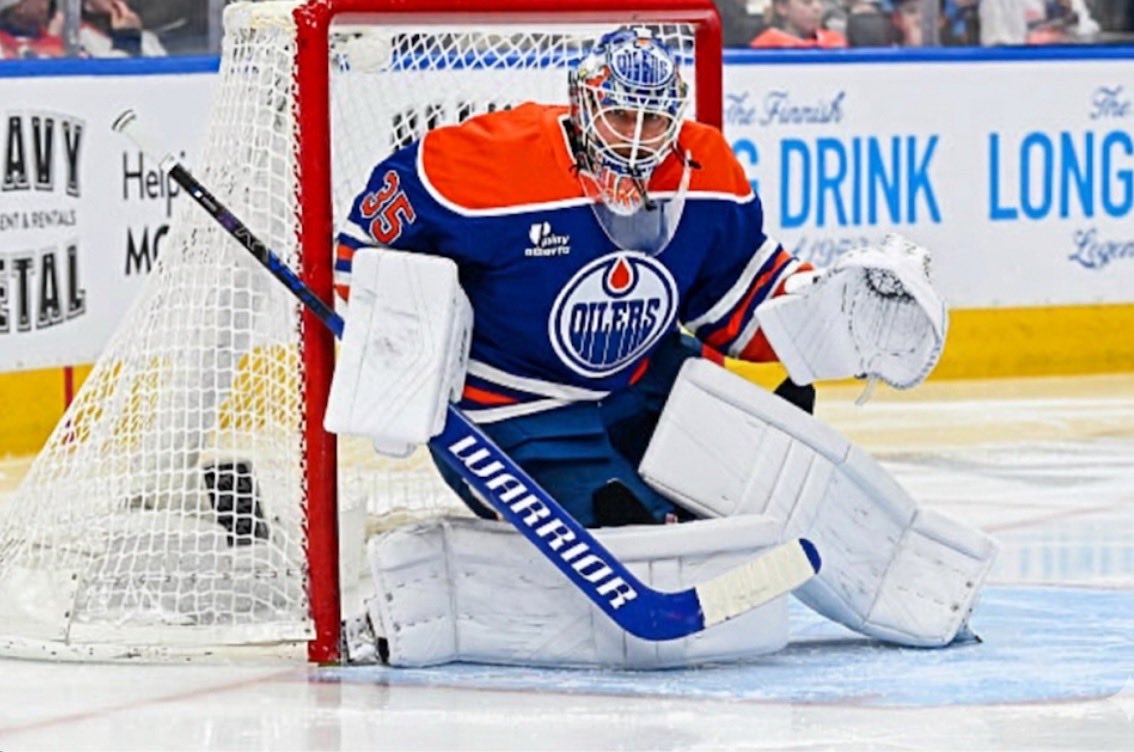
The irradiation illusion can be seen really well here, especially low blocker
It takes longer for humans to process the borders of white objects, light and dark are processed through different pathways of the brain..
If you’re off angle in dark pads shooters identify it faster
This is 'The Everything Project' - otherwise known as Devin Cooley's personal life guidebook. It offers a roadmap on everything from mental health to his physical well-being, nutrition, happiness and more.
Cerebral - and just plain fascinating - stuff from the #Flames netminder!
Oh, that one game when Russell Wilson broke the Seattle Seahawks record for the most passing yards in a single game, throwing for 452 yards against the Houston Texans.
In that 41-38 victory, Wilson completed 26 of 41 passes for four touchdowns and added 30 rushing yards.
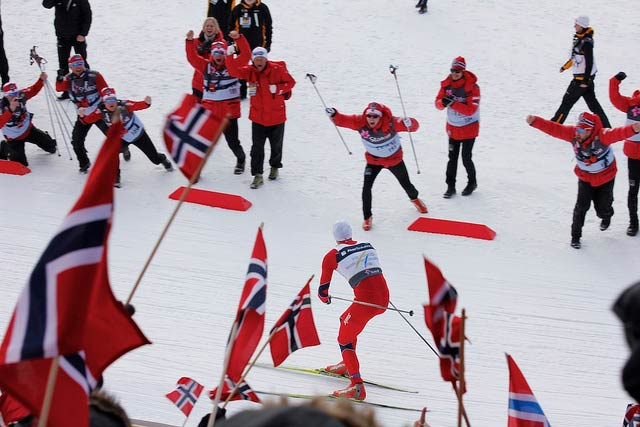
Norway consistently wins the most medals at the Winter Olympic Games, with a population of just 5.6 million people.
A big part of their success is how they treat youth sports—and it’s the opposite of what we do in the US. Here’s what we can learn from Norway:
1. Scorekeeping:
In the US: Youth sports tend to be hyper competitive even at early ages. Leagues almost always keep score.
In Norway: Scorekeeping isn’t even allowed until age 13.
Removing winners and losers keeps the focus on the process not outcomes. It keeps kids engaged longer because it minimizes pressure (and tears) and maximizes fun, learning, and growth. The goal isn’t to win a third grade championship. It’s to love sport and keep playing.
2. Trophies:
In the US: If you give everyone a trophy, you’re creating snowflakes who will never gain a competitive edge.
In Norway: Whenever trophies are awarded, they are handed out to everyone.
If getting a trophy makes young kids feel good, we should give them trophies. Maybe they’ll come back and play again next year!!
As for the creation of snowflakes with no competitive edge—Norway’s athletes are tough as nails and all they do is win.
3. Prioritizing Fun:
In the US: Far too often, the goal is to win.
In Norway: The national philosophy is “joy of sport.”
Youth sports in the US are driven by adults, ego, and money. Youth sports in Norway are driven by fun.
Only half of kids in the US participate in sports. The number one reason they drop out: because they aren’t having fun anymore. In Norway, 93% of kids participate in youth sports. Fun is the foremost goal.
4. Playing Multiple Sports:
In the US: There’s pressure to specialize early and play your best sport year round.
In Norway: Try as many sports as you can before specializing as late as college.
Norway encourages kids to try all types of sport. This reduces injury and burnout and increases all-around athleticism. It also helps promotes match quality, or finding the sport you are best suited for as your body develops, which is impossible if you commit to a single sport too early.
5. Affordability
In the US: There is increasingly a pay-to-play model with high fees for leagues, equipment, and travel. This excludes many kids from playing.
In Norway: It’s a national priority to keep youth sports affordable and therefore accessible for all.
Kids aren’t priced out, which creates opportunities for everyone to participate (and develop into athletes), regardless of their parents’ income level.
We could learn a lot from Norway:
In the US, 70% of kids drop out of youth sports by age 13. This not only diminishes an elite-athlete pipeline, but it also destroys an opportunity for healthy habits and all the character lessons kids can learn from sport.
In Norway, lifelong participation in sport is the norm. The goal isn’t to have the best 9U team. It’s to develop the best athletes. Those are two very different things. And Norway has the gold medals to prove it.