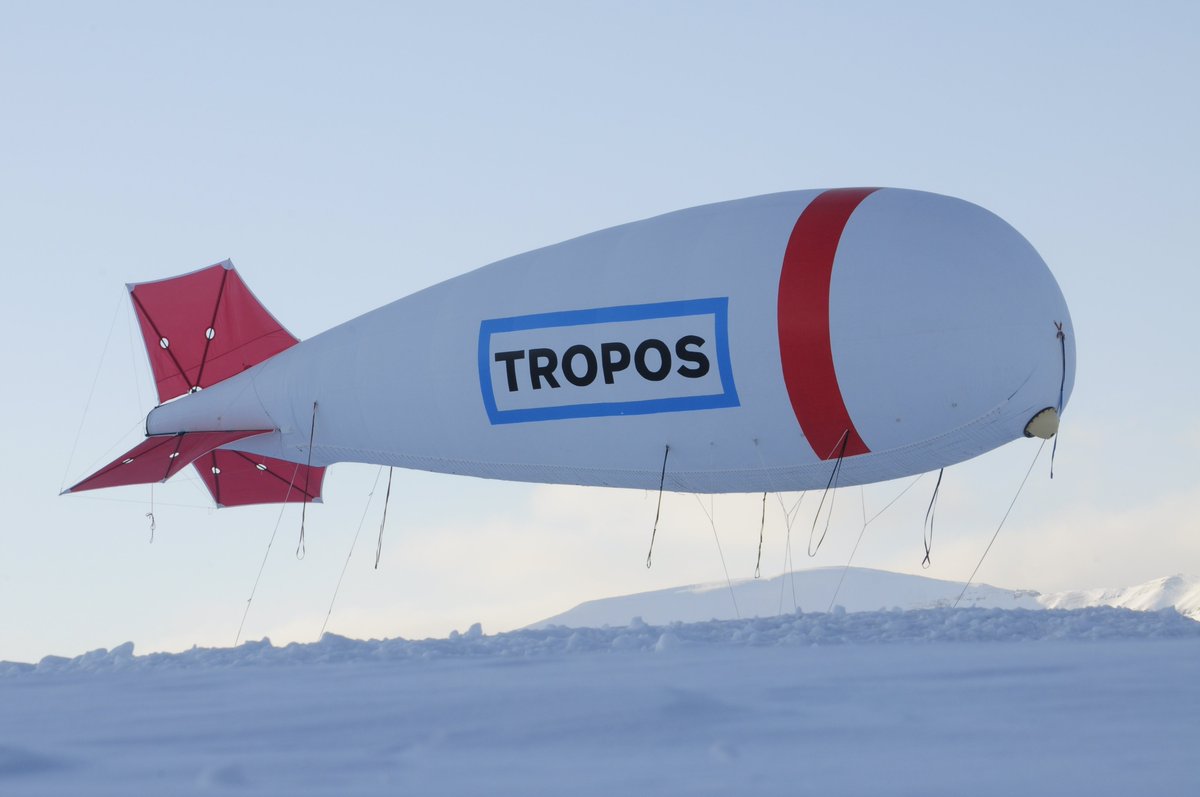
@IpaWetter_Mainz Und nach dem Freizeitparkbesuch wurde sie gefunden und vor der sicheren Zerstörung auf einer Autobahn bewahrt. Danke dem Finder, der unsere beiden Sonden erfolgreich gejagt und eingesammelt hat!
🎧 EINFACH MAL REINHÖREN: Neuer #Forschungspodcast "#MindsOfMainz – #DerGutenbergTalk" | Folge 1: Sonne, Regen, Donnerwetter – was passiert über unseren Köpfen? Die Physik der Atmosphäre | mit Prof. Dr. Peter Hoor vom @IpaWetter_Mainz https://t.co/bUC6Z4XqR3
After #Polar5 & #Polar6 have returned to Bremen and #HALO left Kiruna, it is time to say THANKS to all that were involved in planning and conducting the #HALOAC3 campaign! Great campaign, great team and impressive numbers.
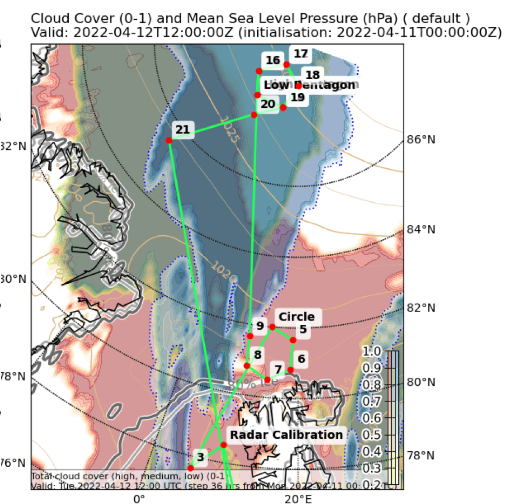
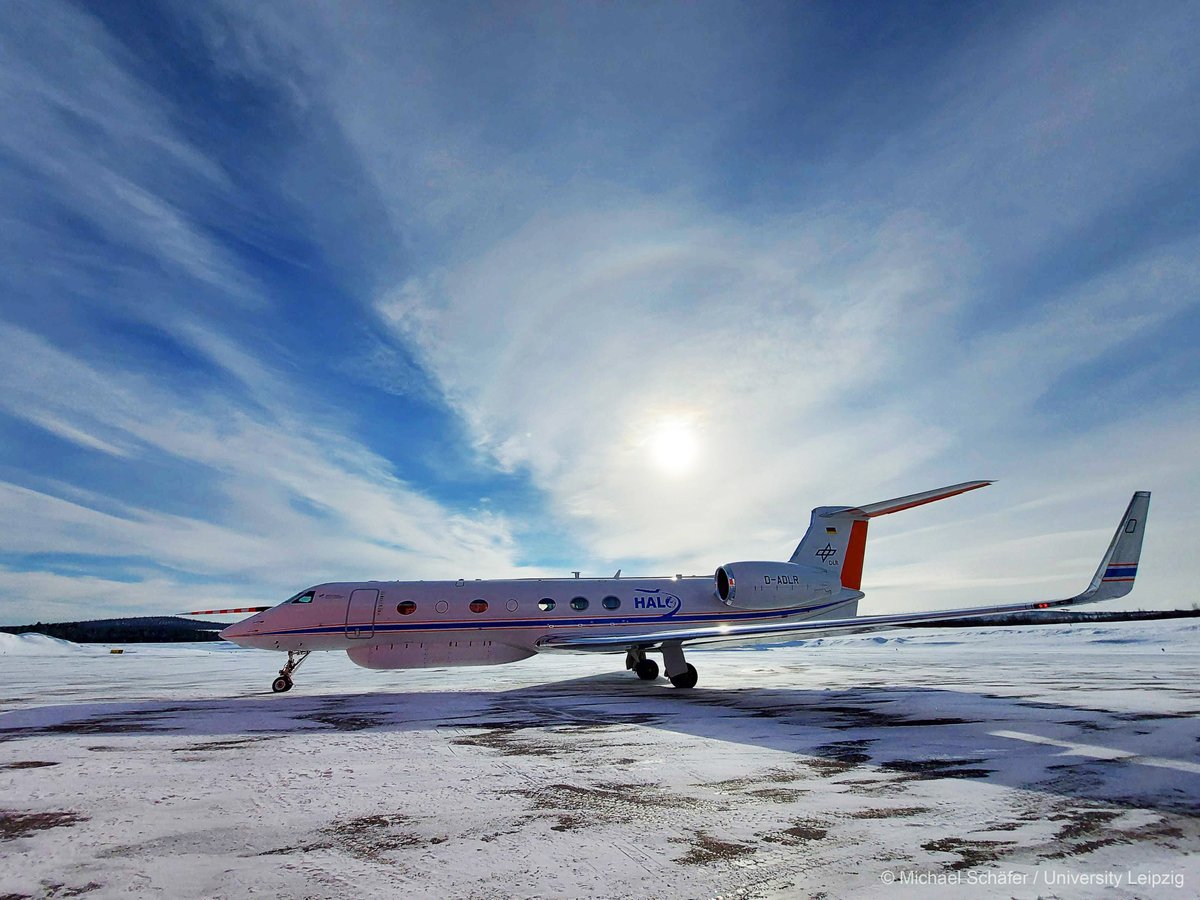
Today's action: Last measurment flight of #HALO in the #Arctic during #HALOAC3. Beside a radar calibration, the focus will be on Arctic cirrus clouds observed from above and below to get the radiation fluxes.
(📸A. Ehrlich / @UniLeipzig )
Speaking as an @IPCC_CH Lead Author, these are some of the most important new messages from the #climate report out today: (🧵)
1. For the first time we’re seeing evidence of real, sustained decreases in greenhouse gas emissions from some countries.
But take a breath because…
"We need to take action now or 1.5ºC will become out of reach, it will be physically impossible to get there." – #IPCC Working Group III Co-Chair Jim Skea at today’s press conference for the release of the latest #IPCC#ClimateReport on the mitigation of #climatechange.
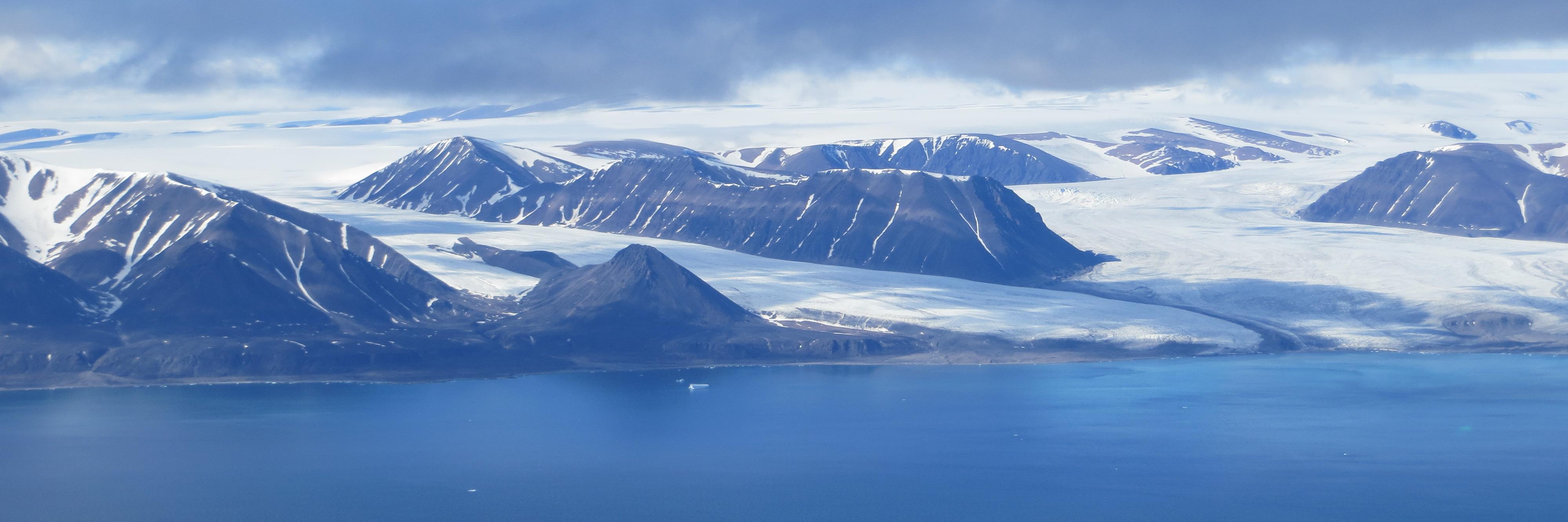
Today's action: Collocated flights with all 3 aircaft ✈️🛩️🛩️#HALO already departed heading to North Pole, while later #Polar5 & #Polar6 will join for collocated flights west of #Svalbard. #HALOAC3#AC3TR
(📸H. Dorff @unihh )
Today, the @faam146 aircraft left back home. Thanks for the joint work! We are happy that we have two more weeks of measurements with #Polar5, #Polar6 and #HALO for #HALOAC3
The recent @IPCC_CH report stated with increased confidence that Anthropogenic #ClimateChange contributes to the dynamics of extreme weather, but how do we attribute single events to climate change? On @EGU_NP#EGUblogs@DaviFaranda explains.
Read more: https://t.co/qgMlu94EdM