🚨🚨🚨 New paper alert 🚨🚨🚨
"Leveraging biodiversity to maximize nutrition and resilience of global fisheries"
Published in Nature Sustainability.
Access here: https://t.co/nAopbLk3ZA
with fantastic colleagues @katiefiorella and others not on twitter!
Sustainable aquaculture can reduce malnutrition & boost economies while protecting biodiversity & fish health.🐟
Learn about #OneHealth solutions at our "One Health, Fish Edition" @eCornell_online webinar on Wed, May 14, 1pm EDT.
Register today! https://t.co/WVHdQlFAHN
Our new paper is out in Environmental Science & Technology.
Lake deoxygenation favors elevated tissue mercury and decreased selenium, altering the nutrient-toxin profile of a food fish.
Read here: https://t.co/LXLHqxKIdd
@heil_seb@eagles_smith and others
@ACSPublications
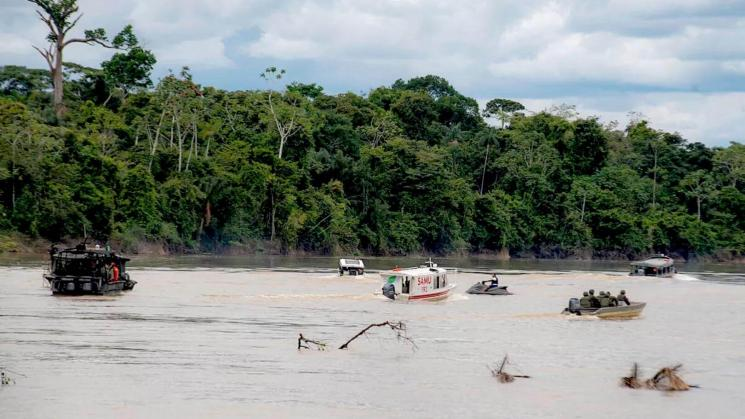
Extreme drought and fires in Amazonia: a call to action
Seca extrema nos rios e incêndios na Amazônia: um chamado à ação
Our comment published today in Jornal da Ciência @SBPCnet, with Rogério Marinho @r2marinho and Naziano Filizola / @UFAM_
https://t.co/FSn66jlOTq
The better ability of wild fishes to meet multiple nutrients simultaneously underscores the importance of drawing upon a diverse portfolio of animal- and plant-based foods as societies seek to offset changes in fisheries while achieving healthy and sustainable diets.
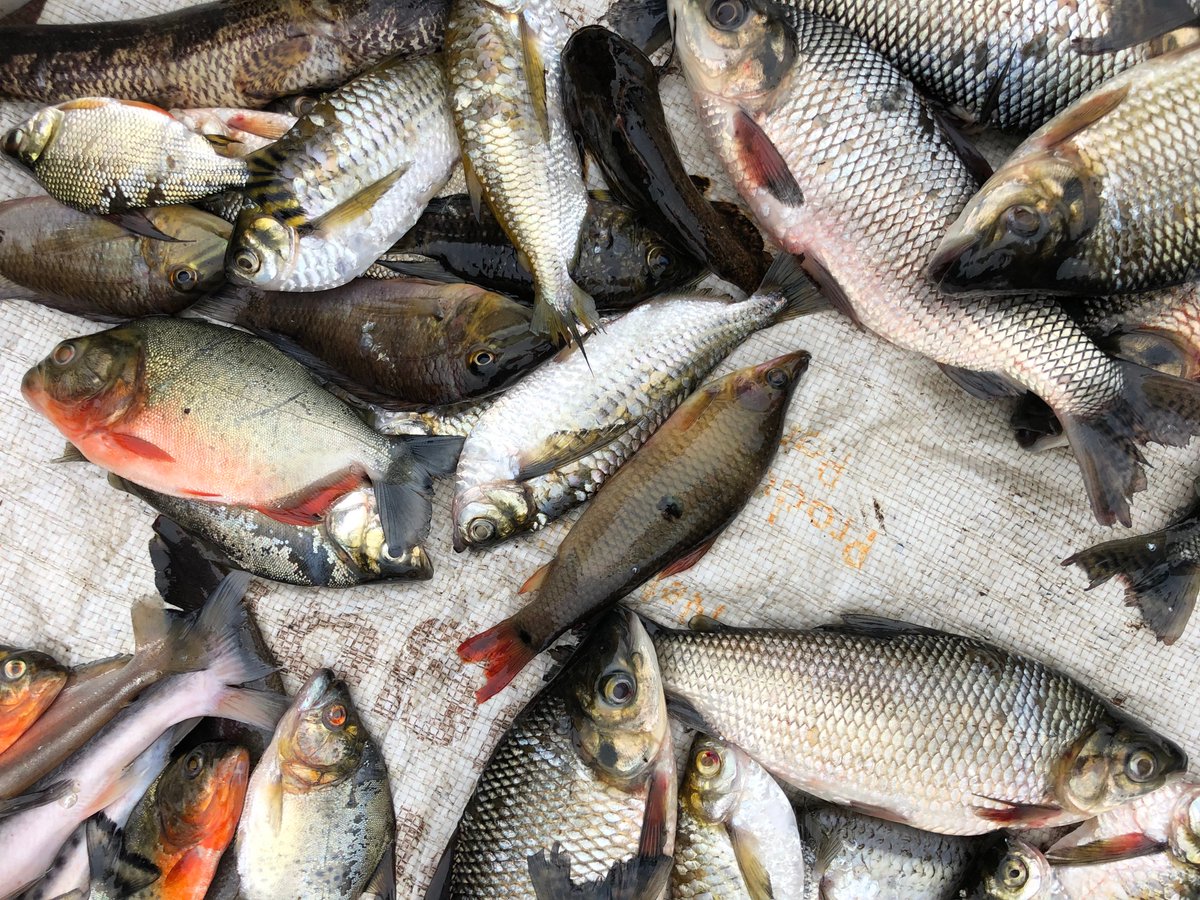
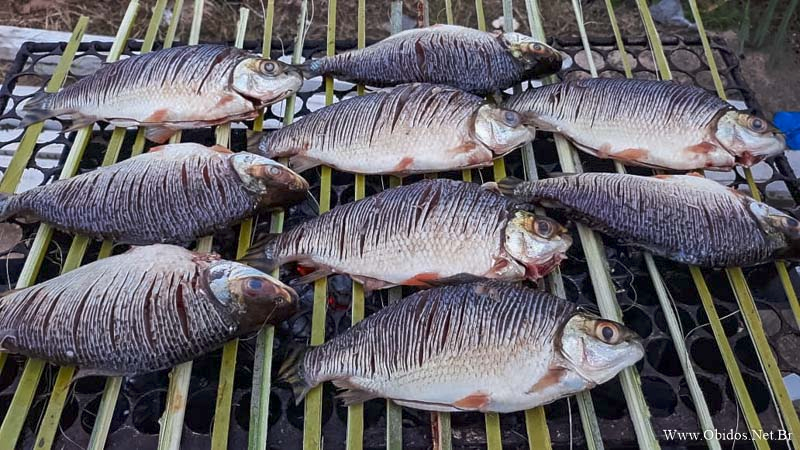
Wild fishes are incredibly diverse in their nutrient content. Hence, their replacement with farmed animals would require large increases in portion sizes to achieve comparable nutrient intakes.
This challenge is magnified in fishery-dependent nations with high biodiversity.
Sustaining the dietary contributions fish make to people given declining biodiversity could require more biomass and ultimately exacerbate fishing pressure in already-stressed ecosystems. 3/3
Using household consumption data from the Amazon and Mekong (two of Earth's largest rivers, mind you!) we find that diverse fish portfolios can sustain more nourishing diets with less biomass, although this #biodiverisityeffect depends on how reliant people are on fisheries.
New paper! The species-specific role of wildlife in the Amazonian food system.@EcologySociety1
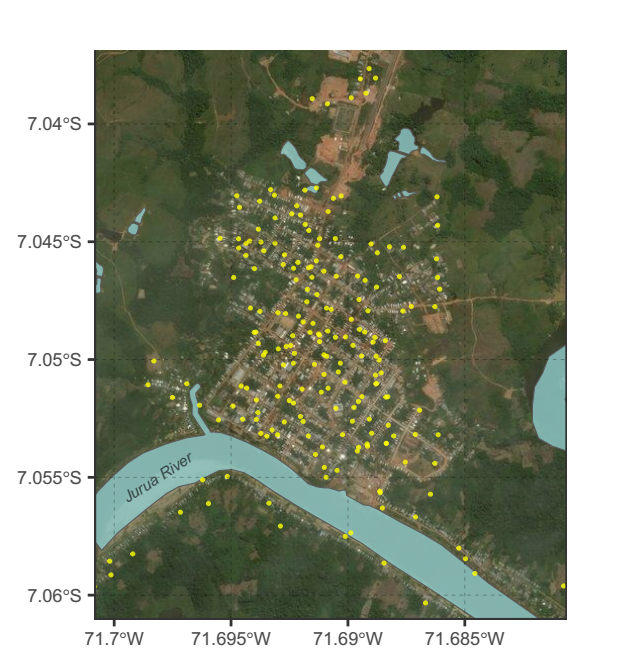
* 798 household surveys in 4 🇧🇷 Amazonian towns. Measured consumption, social capital, food insecurity, etc
https://t.co/NEndhLg9uF
Led by Willa Chaves, with Patricia Carignano. 1/3
Check our new paper: Urban Amazonians use Fishing as a Strategy for Coping with Food Insecurity. In @JDevStudies led by Sergio Rivero. https://t.co/MHLZu1MoOM 🧵1/6
Excellent coverage of our recent work on fishery induced biodiversity changes in the Amazon // cobertura excelente sobre nuestro trabajo con la sobrepesca en la Amazonía
@MongabayLatam@lizkimbrough_ @PeterBeirut
https://t.co/9rGZhA4pil
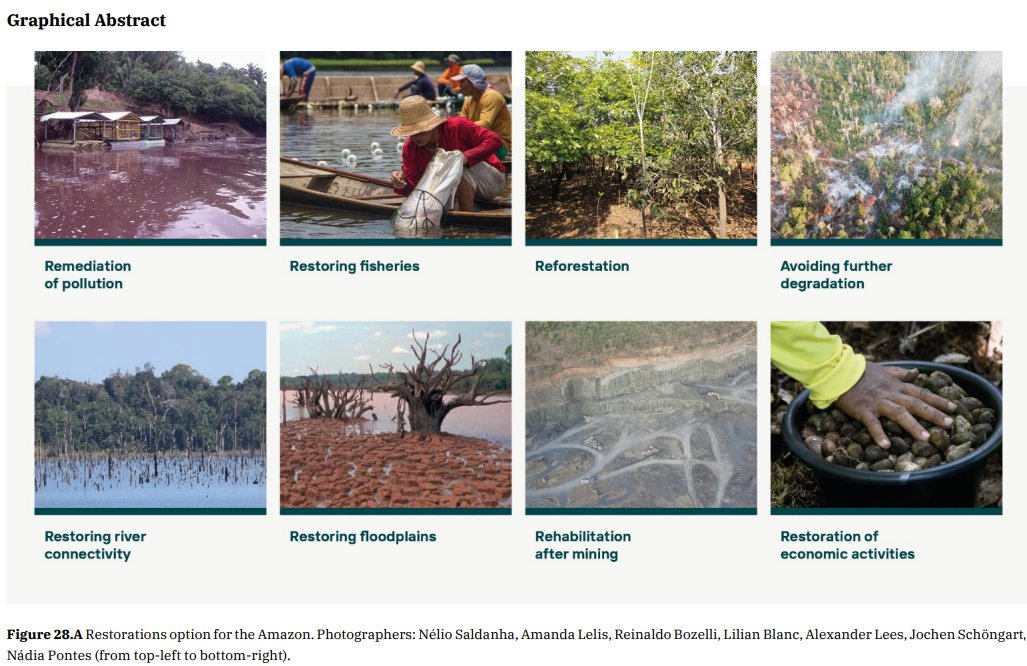
#Restoration encompasses a broad suite of objectives related to the practice of recovering biodiversity and ecosystem functions and services. Read about the restoration options and their role in saving the Amazon in Ch. 28 of our #AmazonReport: https://t.co/nVyX1vCDQP
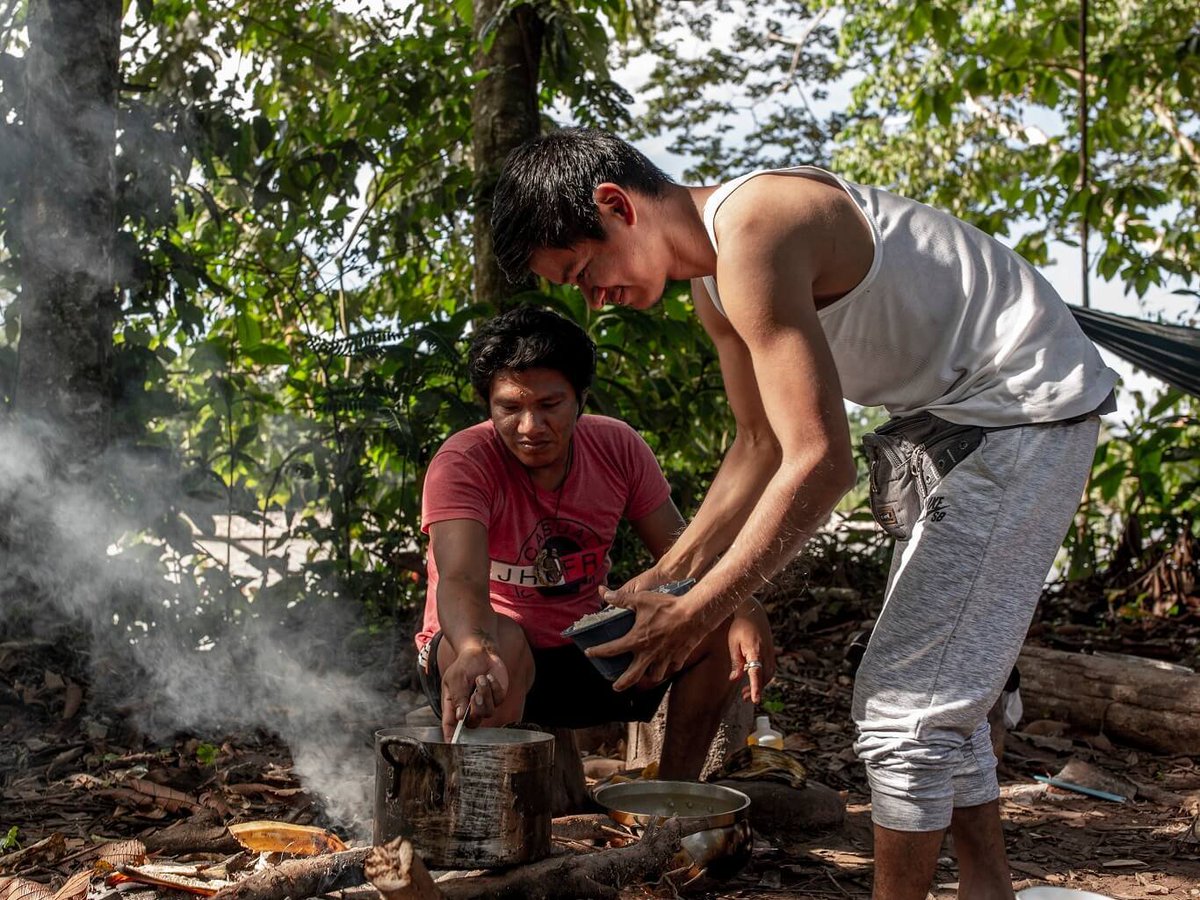
#CrisisAlimentaria🥔🌽 El alza de los precios 💸 de alimentos básicos conlleva a que los indígenas compren productos de menor costo, lo que pone en riesgo la calidad nutricional de lo que consumen, refiere Gustavo Zambrano, de la @FAOPERU.
👉https://t.co/6zXLMyVoMc
Critical negotiations on new @UNBiodiversity framework for nature will take place in Kenya next week.
Here's a reminder 👇of why it must prioritize freshwater