Bugün 12. gün…
Unutmadım. Siz de unutmayın, unutturmayın.
Çünkü biz her vahşeti unuttukça, vicdansızlar cesaret buluyor ve yeni cinayetler işleniyor.
12 gündür iblisler hâlâ yakalanmadı.
Bir yavrunun hesabı sorulmadıkça, bu vahşetlerin sonu gelmeyecek.
#YavruKediİçinAdalet
Arkadaş şakadan anlamıyorsunuz eyvallah, şaka sevmiyorsunuz başımla beraber… ya şakanın ne olduğunu da mı bilmiyorsunuz? Tesadüfen bir şakaya bile denk gelmediniz mi? Ne ithamı, ne eleştirisi, ne kabulü?… şaka lan bu biri götünden bişey uyduruyor duyanlar gülüyor bu kadar…
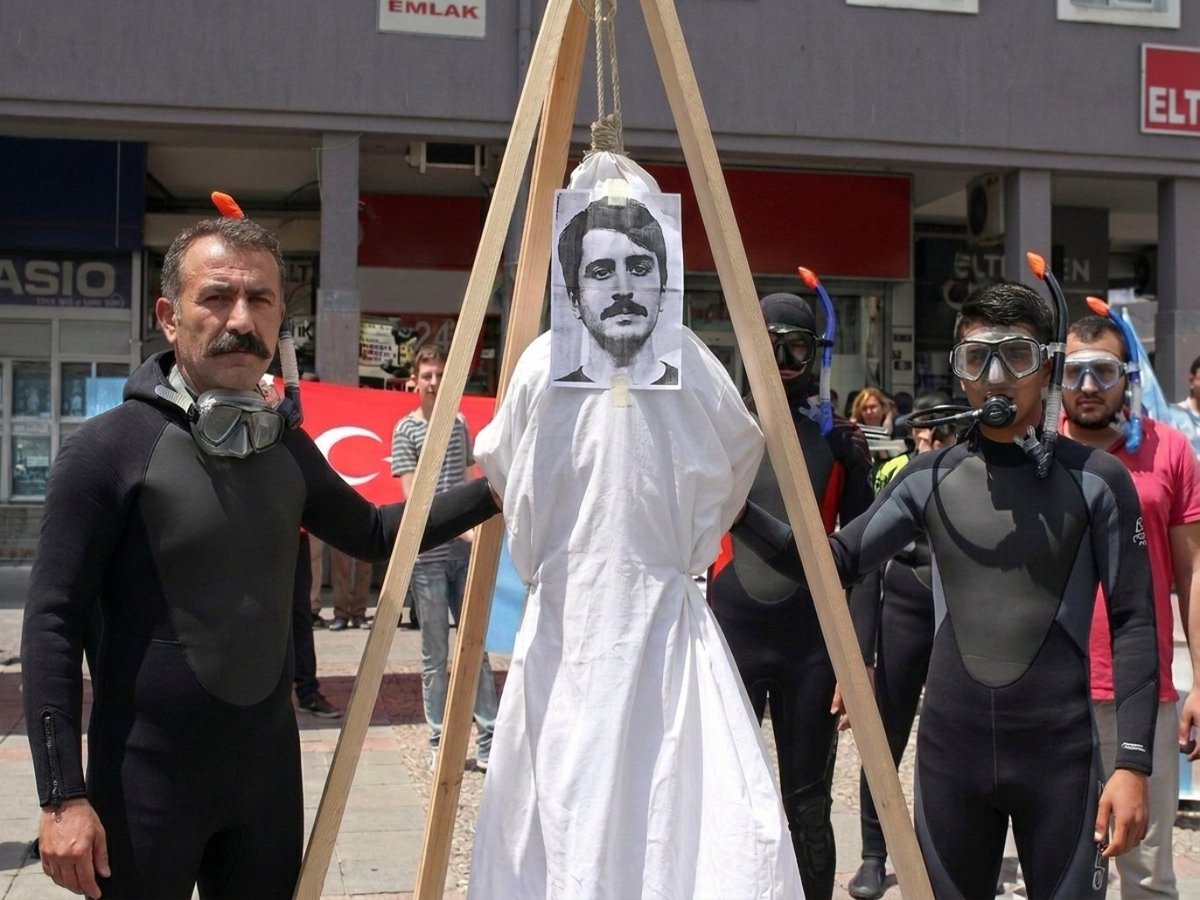
Deniz, diploması sahte diyor, Ekrem bey bundan mı keyif almış? Yükselen dalgada sörf yapmak için kendine yapılan hırsızlık ithamını kabul etmek de çok başka tür bir siyaset sanırım…
İkinci gösterim Ölü Deniz, bugün 20:00’da, youtube kanalımda yayında.
Harbiye’de çektik, 90 dakika, olduğu gibi, size emanet. sevgiler.
tam şurada olacak: https://t.co/uynn4dJQL5
🚨: Meet Daphnis, a tiny moon of Saturn.
A rock barely the size of a city is violently carving a 26-mile-wide trench through millions of tons of planetary debris.
[SpaceEngine sim]
The thesis that has suddenly spread in Turkey—“Macaristan’s elections should not be linked to Turkey; Turkey and Hungary are very different”—has taken on the strange reflex of nearly preventing any thought about Hungary at all.
This approach is not serious. No one is claiming that Turkey and Hungary are the same, or that they are going through identical parallel historical processes. That’s not the issue. The issue is that Hungary’s elections offer extremely important and instructive data from both a Turkish and a global perspective.
Some of this data is valuable for comparative political analysis. Another portion shows that the developments unfolding in the world today are not disconnected from one another; on the contrary, they are interconnected at various levels. Hungary’s authoritarian Orbán regime, much like Turkey’s Erdoğan regime, is one of the prototype examples of the new authoritarian right. There are relationships of mutual learning, inspiration, and adaptation between these regimes. At the same time, numerous factors exist that make comparison between countries possible and necessary—under headings such as international and national dynamics, economic transformations, the use of technology in politics, and the functioning of the state apparatus.
Moreover, the very possibility that a regime openly patronized by Trump could be changed through the ballot box by a new opposition dynamic is, in itself, a development that warrants careful consideration. Because today, authoritarian regimes no longer exist solely within their own national contexts; they are increasingly forming a distinct international network. They draw from similar management techniques, propaganda languages, tools of repression, and political technologies; they learn from one another; they lend each other legitimacy and courage.
In response, we are also seeing opposition movements standing against these regimes slowly beginning to develop their own networks, forms of solidarity, and shared political intuitions. This new situation divides the world not only along the lines of differences between nation-states, but also along another political axis that extends beyond them: the axis between authoritarian networks and the possibilities of democratic resistance.
Historically, Hungary has also been an extremely important stage in world history. Events such as the 1848 Revolutions, the 1918 Aster Revolution, the 1956 Revolution, and the Soviet occupation that followed were major ruptures that influenced not only Hungary’s history, but the course of world history.
Therefore, it is necessary to compare Turkey and Hungary at the right scales, in a careful and level-headed manner; to think together about the broader geopolitical, economic, and ideological relationship networks in which both countries are embedded. A bit of seriousness begins precisely here.
Türkiye; İstanbul, Şanlıurfa ve Kahramanmaraş'ta yaşanan okul saldırılarının ardından tedirgin bir bekleyiş içinde...
Şiddetin kaynağından çözüm önerilerine ve elbette evlatlarını kaybeden ailelerin yas süreçlerine kadar her şeyi Prof. Dr. Şengül Hablemitoğlu @s_hablemitoglu ile konuşuyoruz... Saat 13.00'te #x ve
https://t.co/1MMySRV44U 'da...