Heart-wrenching scenes unfolded today as casualties and injured individuals were pulled from the rubble following an Israeli airstrike on a home on Al-Dahdouh Street in the Tel Al-Hawa area of southern Gaza.
Al-Quds Hospital received and treated approximately 30 wounded, while 12 bodies were transferred to Al-Shifa Hospital.
📷 Footage captured by PRCS volunteer Youssef Khader
Congratulations! This is a major milestone for the Maldives 🇲🇻 and testament to the commitment of the @maldivianrc to ensuring that everyone in the Maldives-irrespective of status- has access to healthcare 👏 @HimyaFathimath
MRC SG @HimyaFathimath shared insights at the panel discussion on migrant health at the National Migrant Health Policy Launching Event held by the @MoHmv, @HPA_MV and @IOMSLandMV.
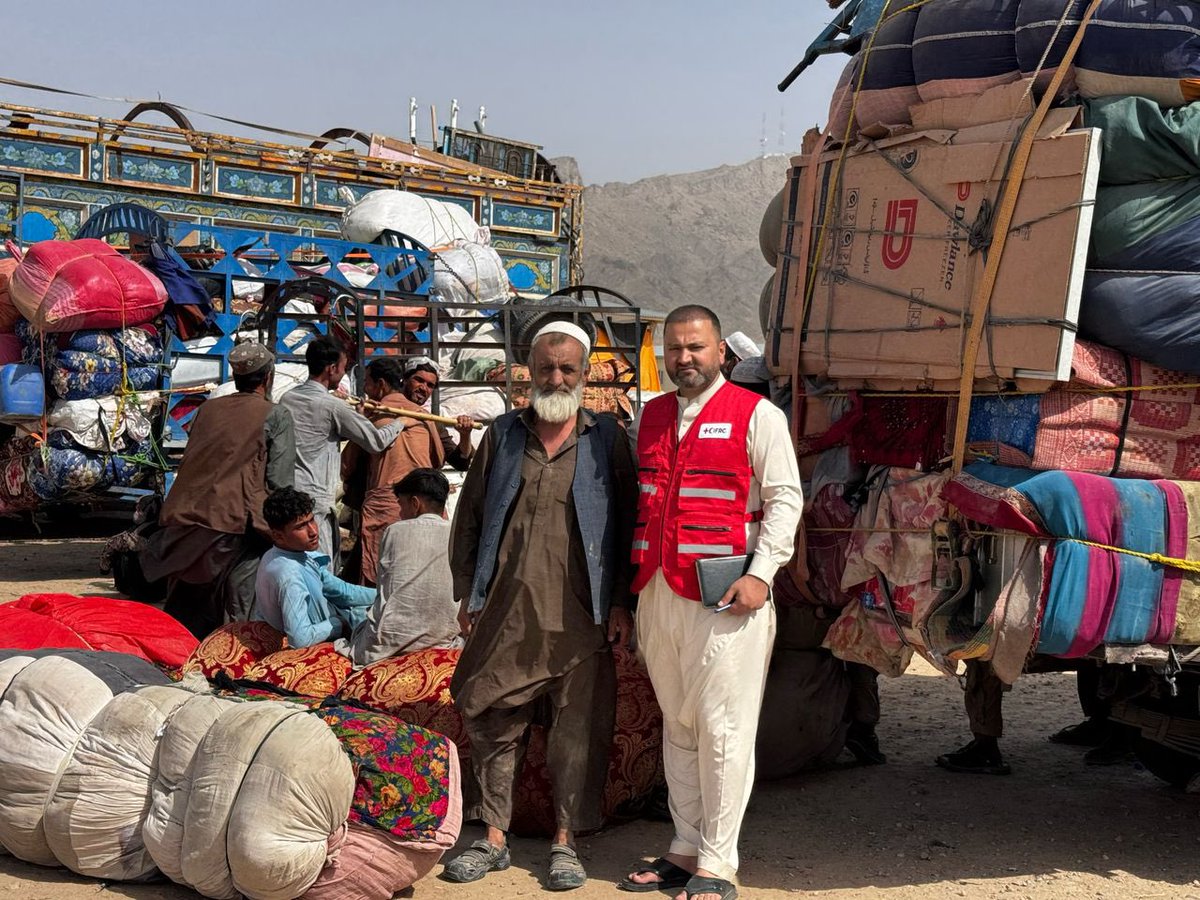
43 degrees in #Afghanistan where thousands are returning from #Iran + #Pakistan. @ARCSAfghanistan is there but food, water, medicine & shelter are lacking. More support is needed for people who’ve endured so much. @IFRCAsiaPacific 👉🏼 https://t.co/U3DOLi5IeC
Today, on World Red Cross and Red Crescent Day, I honour the selfless dedication and the memory of my Palestine Red Crescent Society @PalestineRCS colleagues who made the ultimate sacrifice for being on the side of humanity 💔https://t.co/555fcJnjZl https://t.co/555fcJnjZl
As the Afghan returnee crisis escalates, the @IFRC launched an emergency appeal for 25 million Swiss francs to assist over 500,000 people with healthcare services, food support, and temporary shelter. The appeal funds will be funneled to the most at-risk and vulnerable returnees, including pregnant women, unaccompanied children, the elderly, those with disabilities, and families lacking shelter.
The humanitarian challenges facing returnees are profound and heartbreaking. With the support of the IFRC network, the Afghan Red Crescent Society is providing vital emergency assistance to those in need.
Your donation will help the Afghan Red Crescent Society provide critical support to returnees and the communities that host them. https://t.co/b9JP104twq
#HindRajab is one for the 18,000 children Israel has killed in Gaza with western manufactured weapons since Ict 2023.
Those starved, buried alive, disappeared and killed inside, do not figure in this count.
From the @BBCNews: The story of an Afghan woman who was born in Pakistan: https://t.co/WH8Jb9RYJx
We have launched a CHF25 million emergency appeal to assist 500k people who have been compelled to return, supporting @ARCSAfghanistan in delivering life-saving assistance.
I wonder whether the European Civil Protection Mechanism can be activated for people—especially children—burned alive in plastic tents, or is it just for trees.
With medicine supplies running low, urgent support is needed to help the @ARCSAfghanistan respond on the ground. Over 20,000 people have crossed into #Afghanistan via Spin Boldak as of April 1. Many arrive in distress, some children visibly traumatised. #AfghanistanCrisis#IFRC #ProtectHumanity
Imagine returning to a homeland you've never seen. Hundreds of thousands are coming back to Afghanistan - some born in Pakistan, now stepping into the unknown. They need support. @IFRC & @ARCSAfghanistan will be there - listening, helping, standing with them. Support their work. Spread the word.
#AfghanistanCrisis #IFRC #ProtectHumanity
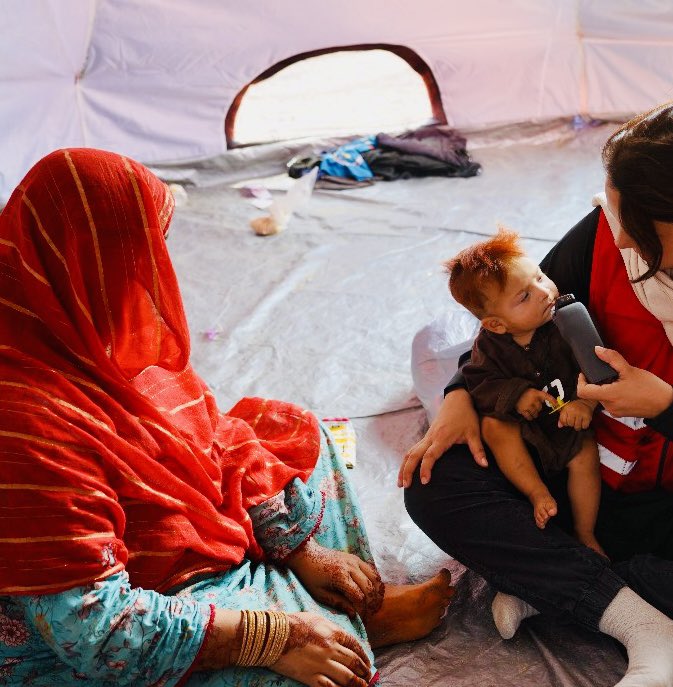
Afghan families returning from Pakistan to Omari camp, Torkham face severe health crises - dehydration, vomiting, diarrhea, scabies outbreak, and suspected measles, TB, dengue. Health teams from @ARCSAfghanistan are responding, but services are insufficient. #AfghanistanCrisis #IFRC #ProtectHumanity
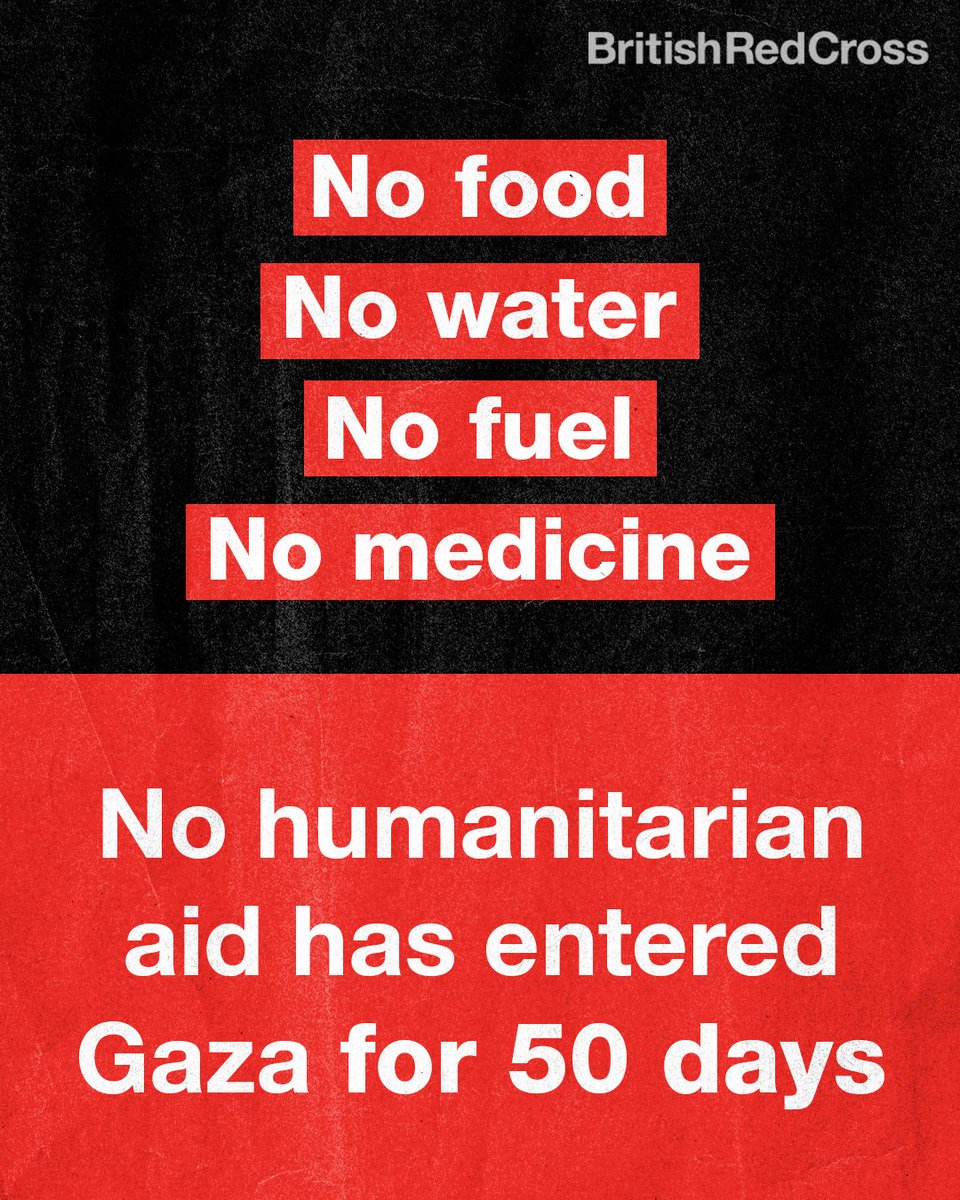
What would you do without access to food, water, fuel or medicine for 50 days? This is the reality for people in #Gaza right now.
Despite security risks, dwindling supplies and access restrictions, @PalestineRCS has continued helping people in Gaza, day in and day out.
It is tragic to witness the struggles faced by Afghan returnees, desperate for basic necessities like clean water, food, and shelter. In 2025, we cannot turn a blind eye to their suffering and label Afghanistan as a “failed nation” in the pages of our children's history books. Every human life holds value, regardless of origin or status. Let us stand together in solidarity, striving to make a difference in this polarized time in history. The lives of Afghans matter, and it is our moral duty to do everything in our power to help them. #ProtectHumanity
Yesterday another Palestinian reporter was killed in Gaza - Fatima Hassouna - along with her family. Her crime was to chronicle the genocide through powerful articles and photos. What a genocidal regime cannot allow.
Those, particularly journalists, who continue to remain silent, should be ashamed.
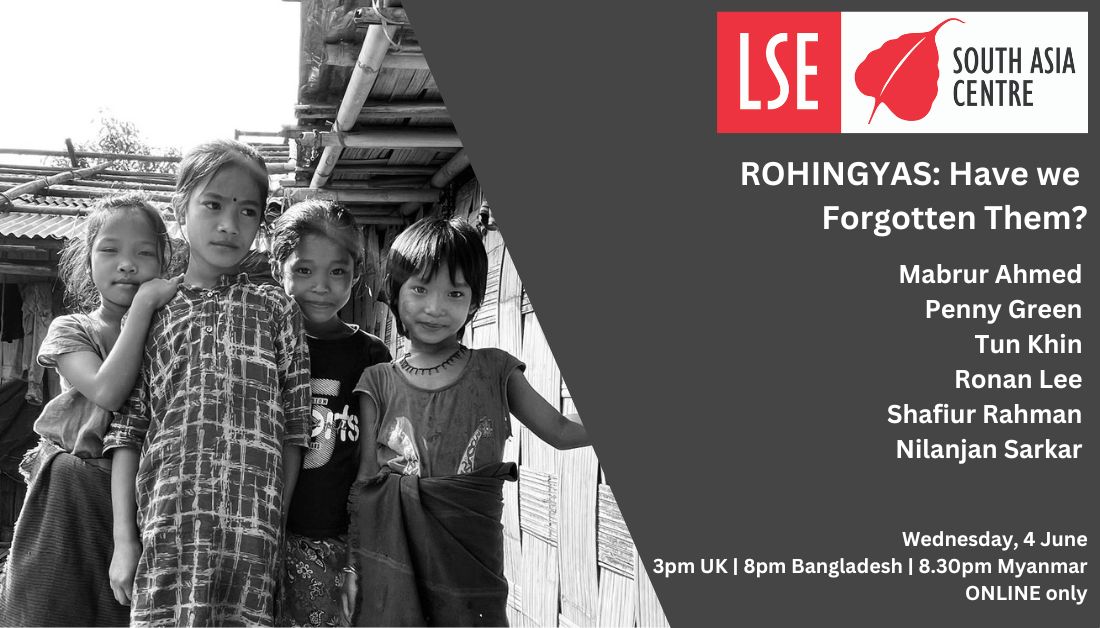
Asad Ullah fled genocide in #Myanmar. He died in #Indonesia because he couldn’t access basic healthcare.
He was 25. He’d just become a father.
This is what happens when the world turns away from the #Rohingya.
Poignant piece by Abdu Rahman
https://t.co/ci84rzye9o
The #WPPh2025 Photo of the Year is ‘Mahmoud Ajjour, Aged Nine’ by @samarabuelouf, for @nytimes. The jury was moved by this portrait of a Palestinian boy which speaks to the devastating long-term costs of war on civilians. Read more: https://t.co/KHmkUjt2Rj
“A Life Left Behind”
Faqir Mohammad, a 70-year-old man from Kunduz Afghanistan, spent his entire adult life in Pakistan. He had lived there for 40 years - long enough to raise a family, build a small business, and try to create a sense of stability.
With his wife and 3 children, a family of five, Faqir Mohammad ran a small fish restaurant. It wasn’t much, but it was honest work. Day after day, he stood over hot oil and open flames, preparing food for his neighbours. The shop helped him put food on the table and send his children to school. It was more than a business - it was his way of maintaining dignity and purpose in exile.
But all of that changed overnight.
One dark and terrifying night, Faqir Mohammad and his family were forced to flee Pakistan. With no warning, and no time to prepare, they gathered what little they could and made their way to the Spin Boldak border in Kandahar. The journey was filled with fear, confusion, and deep hopelessness. He left behind everything - his home, his shop, his belongings. He arrived in Afghanistan with nothing but the clothes on his back and the family he struggled to protect.
With empty pockets and a heavy heart, Faqir Mohammad crossed the border—not by choice, but by force. “We left everything behind, but we had no other option,” he said. “At my age, I never imagined starting from zero again.”
Now back in his homeland after four decades, Faqir Mohammad faces the challenge of rebuilding his life from scratch, in a country that feels unfamiliar and uncertain. Yet despite the pain and loss, he holds on to one thing: the strength of his family and the hope that, with dignity and determination, they will find a new beginning.