Leaving home in an emergency means facing uncertainty about what comes next.
As Storm Adam affects communities in Spain, @CruzRojaEsp teams are providing shelter support, food and water, alongside a reassuring presence for people facing difficult days. ❤️
🌍Thrilled to announce NSIA’s 2026 Accelerator and Bridge grants, totaling CHF 3.6 million to support Red Cross and Red Crescent National Societies in fragile contexts. Jointly managed by the @IFRC and @ICRC, NSIA is supporting 7 National Societies to pursue long-term sustainability through initiatives such as commercial first aid, and 11 others to strengthen resource mobilization, capacity building and more.
We also invite you to explore our 2025 Annual Report -out now!
A big thank you to all applicants and our partners. Together, we’re building stronger, more resilient Red Cross and Red Crescent National Societies! To read the latest report,
click the link below:
https://t.co/MvKdLJ5Ehh
With no access to the market and essential supplies, families in Haku, Nepal, urgently need warm clothes, blankets and food.
The @NepalRedCross, with support from the @IFRC, has delivered 225 blankets and 100 kitchen sets. Continued support is vital to help isolated communities through the winter months ahead.
Hundreds of families are at risk as water levels rise in the Paraná River in Alto Paraná, Paraguay.
The Cruz Roja Paraguaya has been carrying out preventive evacuations, providing community meals and managing a collection centre to support more than 500 affected families.
⛑️ Pedro Giménez, president of the Paraguayan Red Cross’s Alto Paraná branch, reports from the ground and shares more details about the volunteers’ response.
Relief is about more than the supplies delivered. It is also about listening, offering comfort and helping families take their next steps.
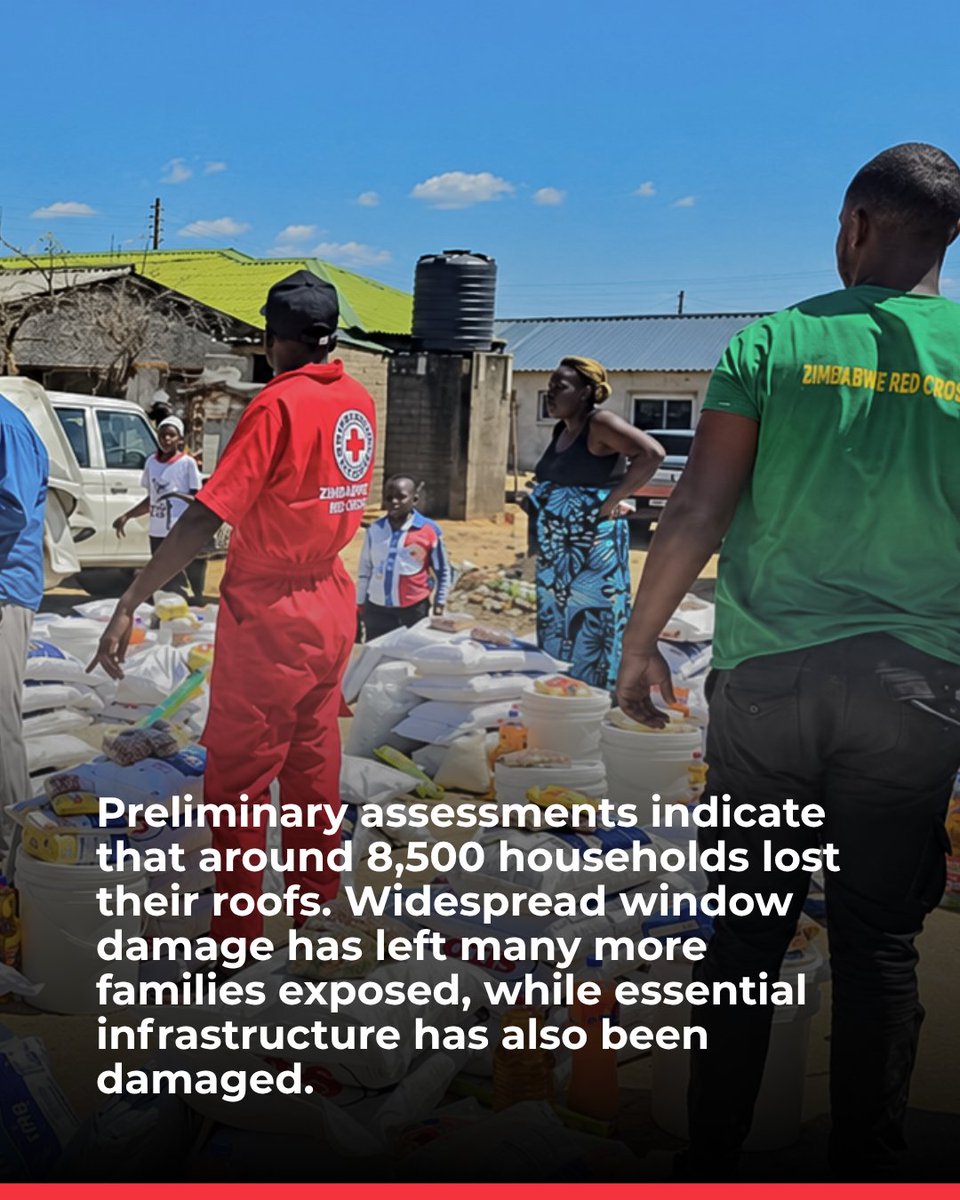
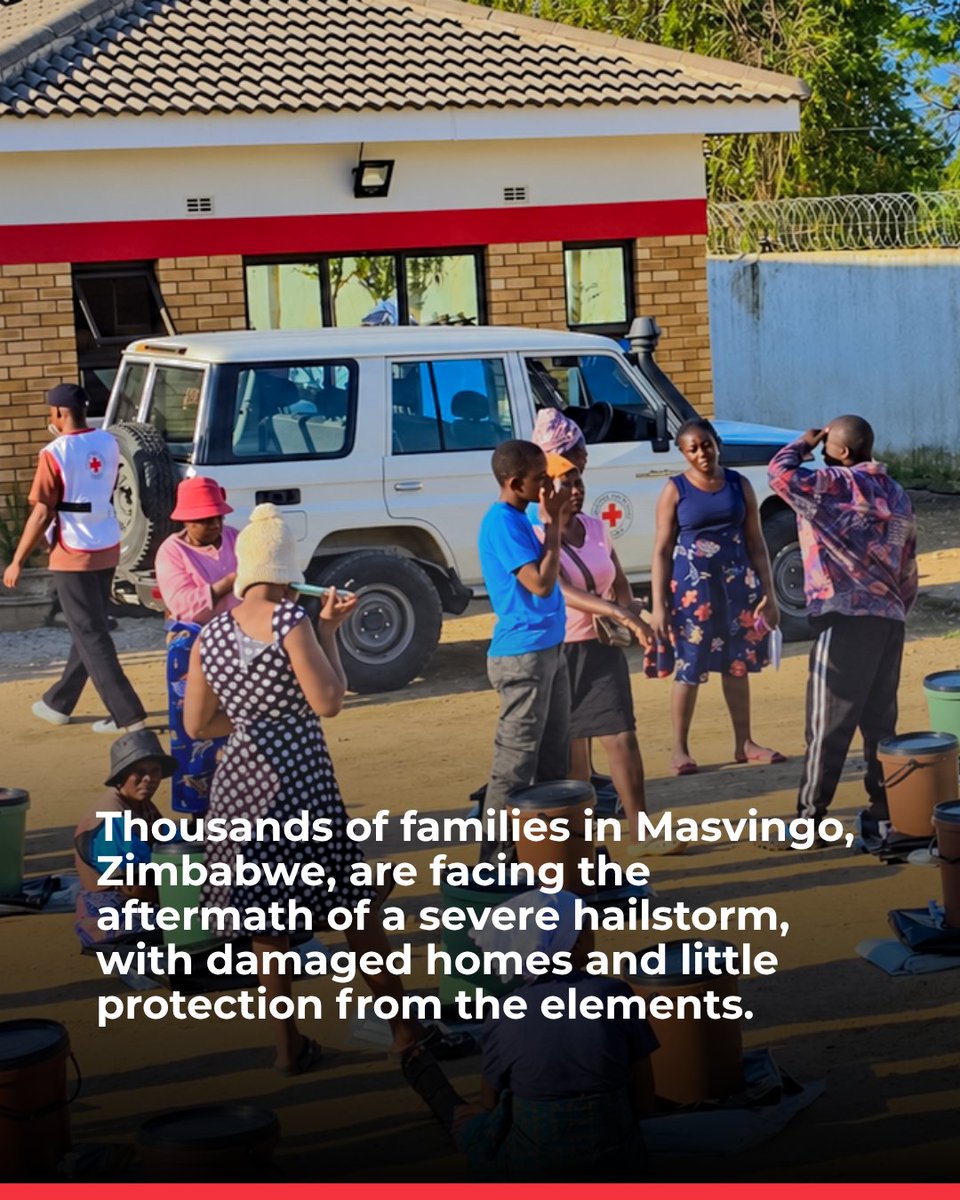
In Masvingo, @ZrcsRed volunteers are providing food and essential household items to help families meet urgent needs as they face the uncertainty of what comes next.
Dengue cases are surging across Bangladesh, putting vulnerable communities at growing risk.
Supported by the @IFRC_DREF, the Bangladesh Red Crescent Society @BDRCS1 is scaling up prevention, disease surveillance and support to health services, including critical diagnostic and blood bank supplies.
Prevention, early detection and timely care are essential to stopping the spread and saving lives.
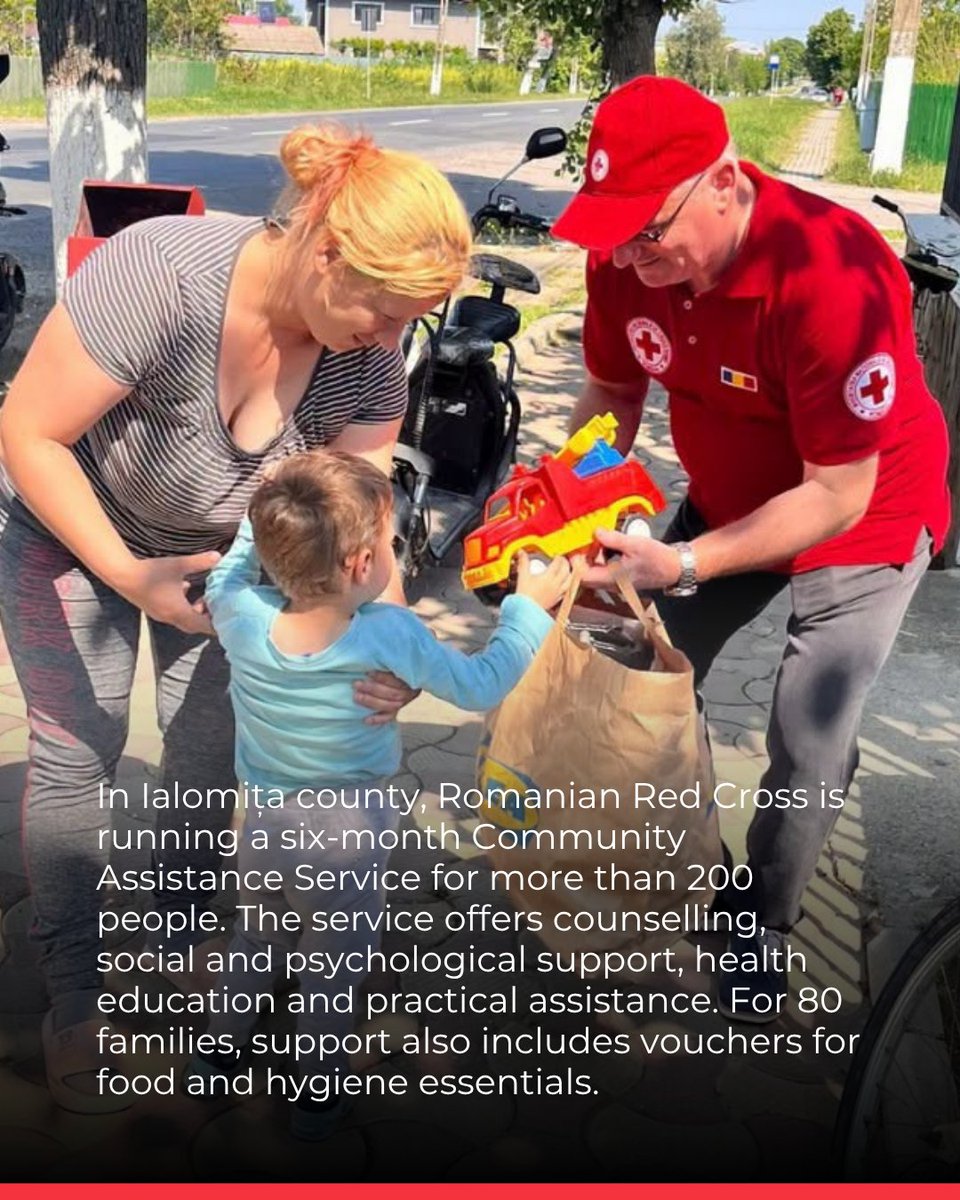
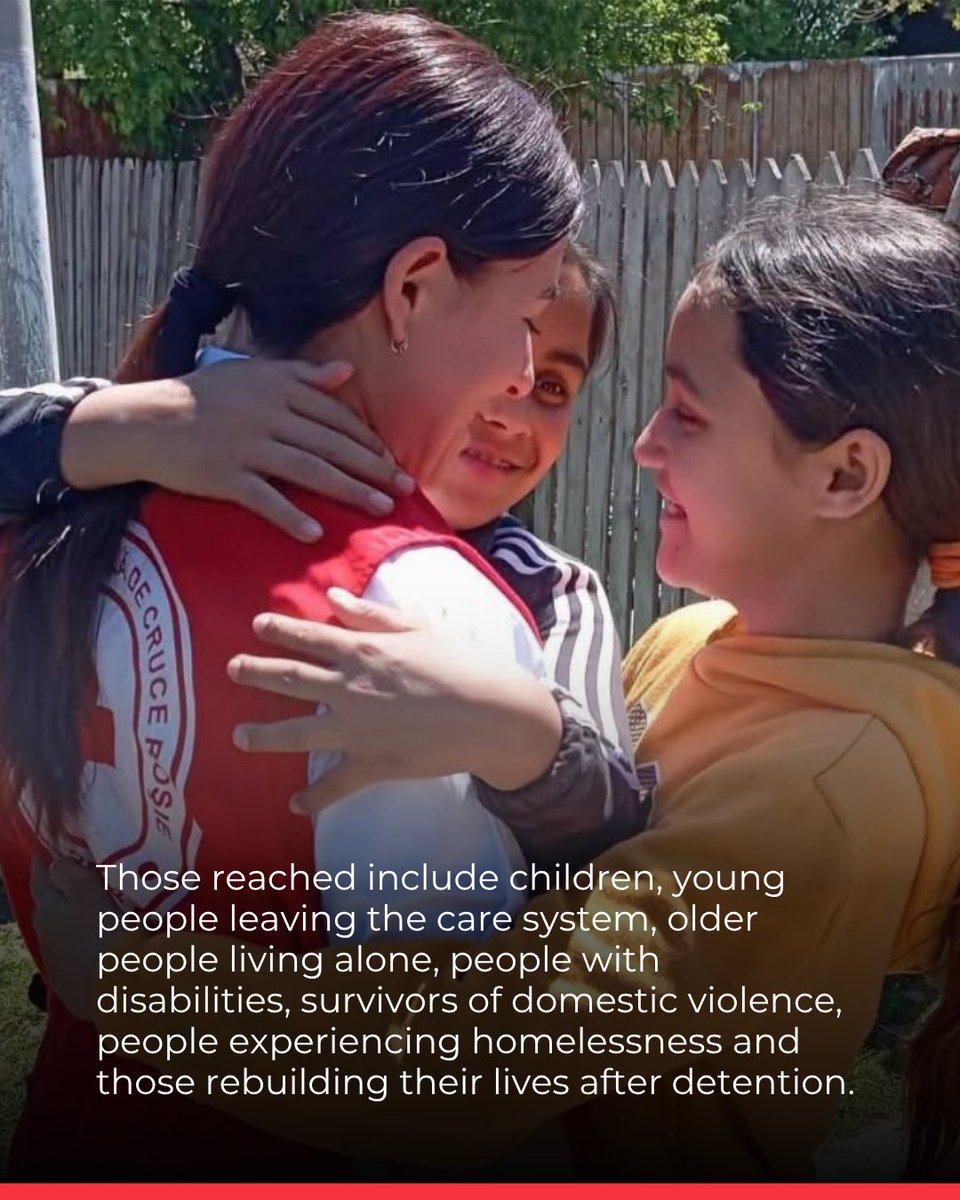
The social system cannot always cover every need. The @RedCrossRomania is stepping in with tailored support, reaching people who often fall through the gaps.
Preparedness starts long before the first case.
Following confirmed Ebola cases in Kenya, the @KenyaRedCross is drawing on months of preparation to support the Ministry of Health-led response.
With 1,200 volunteers deployed, teams are supporting community surveillance, screening at points of entry and infection prevention, while listening to people’s concerns and addressing misinformation.
Trusted information, trained volunteers and strong community connections are essential to help prevent further transmission and save lives.
Weekend plans? Kinda busy showing up for others. ❤️
Here’s to the Red Cross and Red Crescent volunteers turning their time into care, support and hope.
🎥 @RedCrossRomania
The @IFRC stands in solidarity with Mulugeta’s family and loved ones, and with his colleagues across the Ethiopian Red Cross Society @EthioRedCross as they mourn the loss of a colleague who was dedicated to helping others.
Mulugeta Andualem, an ambulance driver with the Ethiopian Red Cross Society, was shot and killed while on duty on 14 October 2026 in the Benishangul-Gumuz Region of western Ethiopia.
Every day, Red Cross and Red Crescent personnel and volunteers put themselves at risk to ensure that people affected by violence and crisis can access essential assistance.
They must be protected and respected.
Our statement: https://t.co/gtPmvgmFzb
The IFRC mourns the killing of Baderaldain Omer Musa Ibrahim, a Sudanese Red Crescent volunteer who was providing first aid in Blue Nile State, Sudan, when he was killed on 13 October. He had served his community with dedication and compassion for six years.
Humanitarian workers and volunteers must be respected, protected, and allowed to carry out their lifesaving work safely.
The @IFRC extends its deepest condolences to Baderaldain’s family, friends, and fellow volunteers and staff of the Sudanese Red Crescent Society during this difficult time.
Our statement: https://t.co/47f3gQAows
For communities already facing hardship, El Niño can bring further risks to food security and livelihoods. But early warnings can give people time to prepare and act before disaster strikes.
In the latest episode of IFRC Weekly News, we speak with Jonathan Stone about how El Niño interacts with climate change, what this means for communities, and how the @IFRC and Red Cross and Red Crescent National Societies turn early warnings into early action.
Listen to the full episode wherever you get your podcasts.
YouTube: https://t.co/dF6nEkPKVO
Spotify: https://t.co/oqztfdGUYt
Apple: https://t.co/Np5PczWeUE
Who knows what a family living near the frontline needs? The family does.
That’s the idea behind cash assistance. In six months, the @RedCrossUkraine has reached nearly 25,000 people in frontline regions, giving them the means to cover their most urgent expenses.
The programme is implemented by the Ukrainian Red Cross with support from the U.S., @rodekorsnorge, @danskrodekors, @BritishRedCross and @IFRC.
For nearly 23 years, Raed Al-Namas has helped tell the stories of people in crisis. and those who show up to help.
A media professional with the @PalestineRCS, Raed documents the realities of life in Gaza and the humanitarian teams working to support communities.
Behind every image is a person committed to making others’ stories heard. Raed is one of them.
Humanitarian personnel are paying the highest price for helping others.
Speaking at the International Conference on the Protection of Humanitarian Aid Workers in Brussels, hosted by the European Commission @eu_echo and the Irish Presidency of the Council of the EU @Ireland2026eu, @IFRC Secretary General @jagan_chapagain called for action to better protect those risking their lives to help others.
Respect the law. Invest in trust. Ensure accountability.
It's time to turn commitments into action. We owe that to all those who have lost their lives while saving humanity.
A simple act that takes less than a minute can be the difference between life and death. Yet billions of people around the world still don’t have access to basic handwashing facilities at home, at school, or in their local health clinic.
On Global Handwashing Day, the @IFRC calls on everyone to recognize handwashing as essential to health and dignity in every community.
Today and every day, let’s work together to ensure that everyone, everywhere can access the soap and water they need to stay healthy and safe.
“When we’re together, there’s hope.”
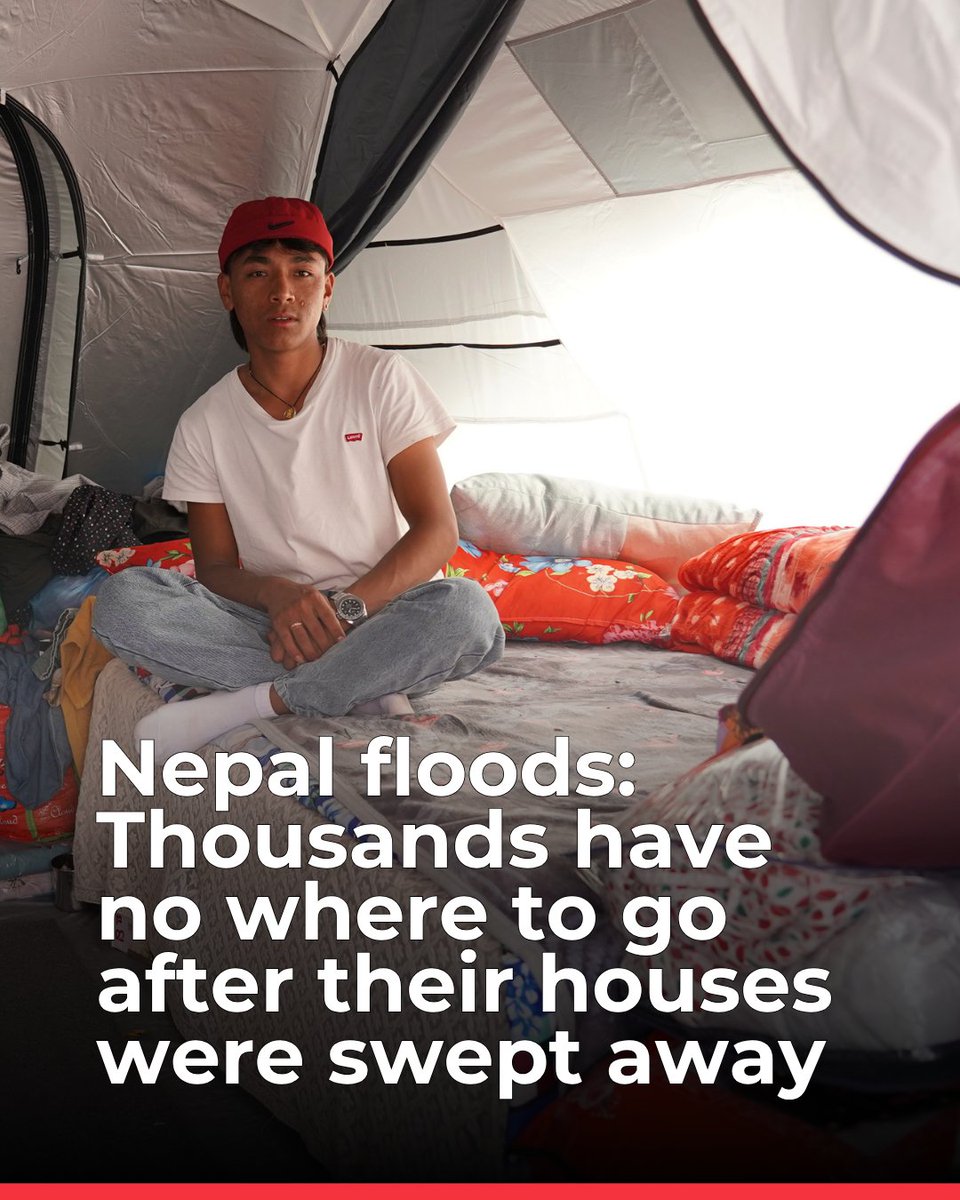
For Pemba and 74 other families, a temporary camp has become home after floods swept away their houses in Nepal.
With @IFRC support, the @NepalRedCross is providing shelter, clean water and safe spaces for children, helping families recover and look ahead.
Ahead of the International Conference on the Protection of Humanitarian Aid Workers in Brussels, the @IFRC and European Union @eu_echo reaffirm their strong partnership and shared commitment to protecting and supporting humanitarian personnel.
Through this partnership, and with EU funding under the Protect Aid Workers initiative, the IFRC established the RED Family Fund, a solidarity mechanism supporting the families of IFRC staff and volunteers who have tragically lost their lives in the line of duty.
In Brussels, together, and with the support of the Irish Presidency of the Council of the European Union @Ireland2026eu, we will continue to advocate for meaningful protection, stronger accountability and practical support for those who put humanity first.
Safety must be the standard, not the exception.
Our thoughts are with our colleagues, their families and the entire @RedCrossUkraine team. We wish them a full and speedy recovery.
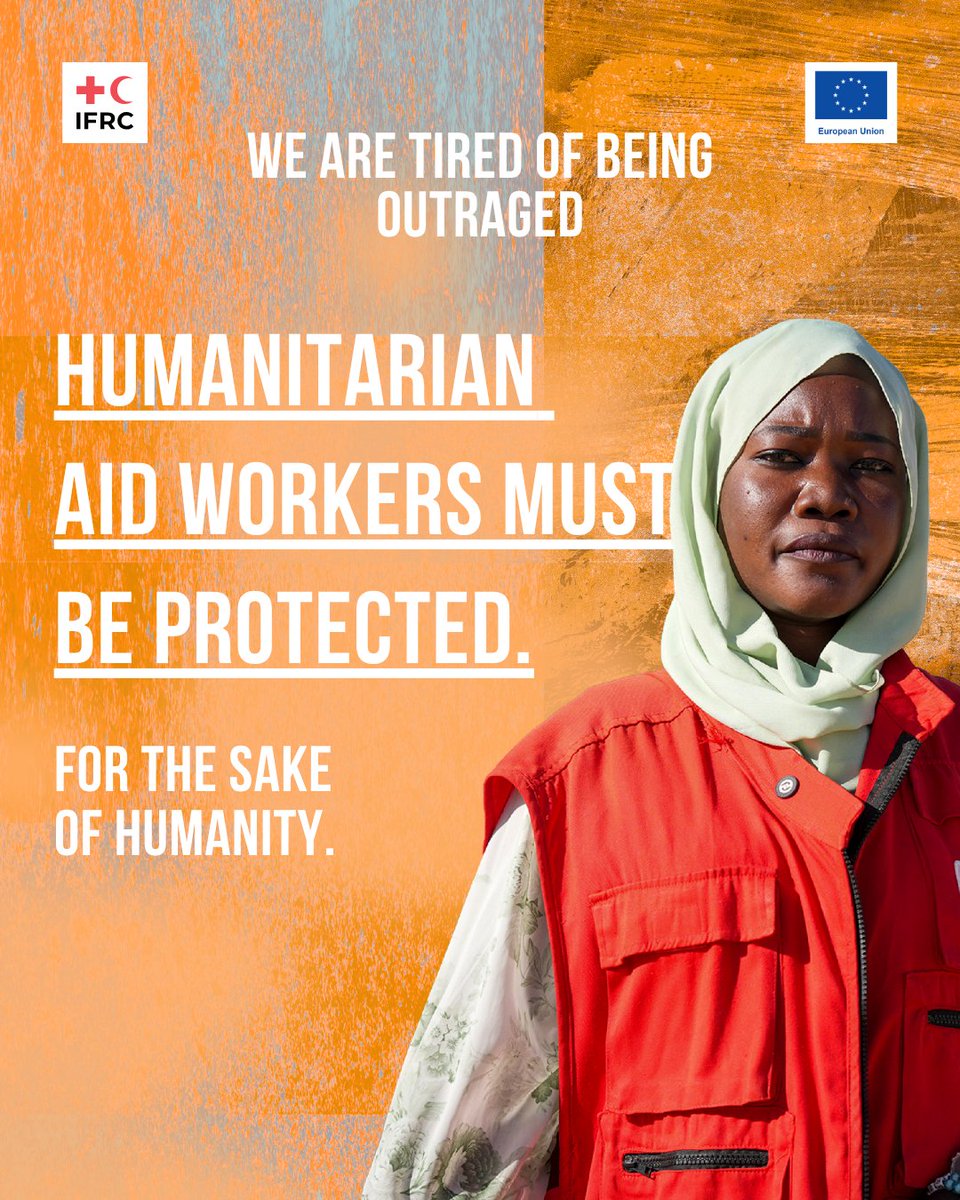
Humanitarian workers must be protected. They must be able to help communities safely.
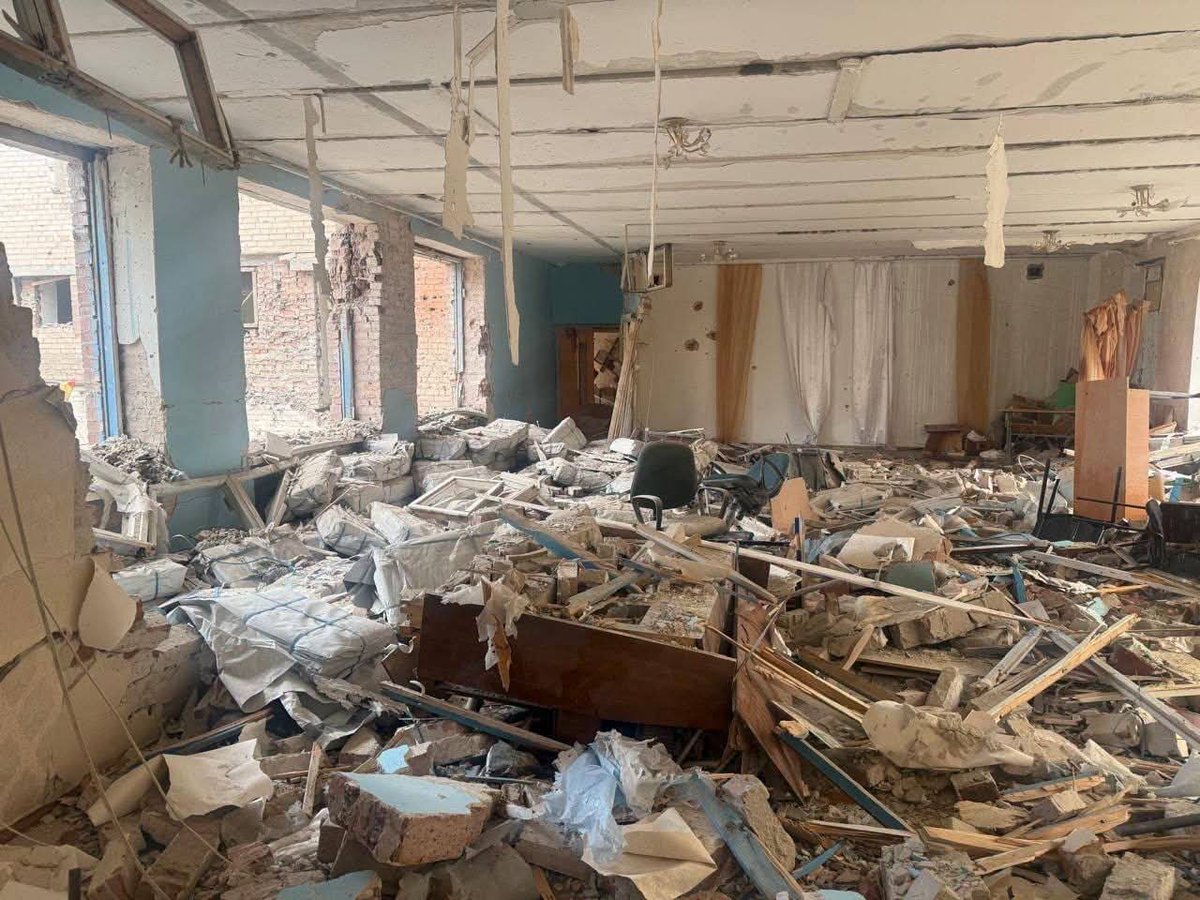
Three @RedCrossUkraine representatives were injured in an attack in Sloviansk, Donetsk region, on 13 October. All three sustained wounds and burns and are receiving hospital care. Their office was heavily damaged.
My heart is with our colleagues. Wishing them a speedy recovery.