“We can adapt to anything, but not to war.”
Protracted conflicts, violations of international humanitarian law, and funding cuts, among other factors, are pushing communities to their limits.
Our new report explores these challenges and why humanitarian action must help communities achieve self-reliance.
Read it here👇🏽 https://t.co/KPRX352g3B
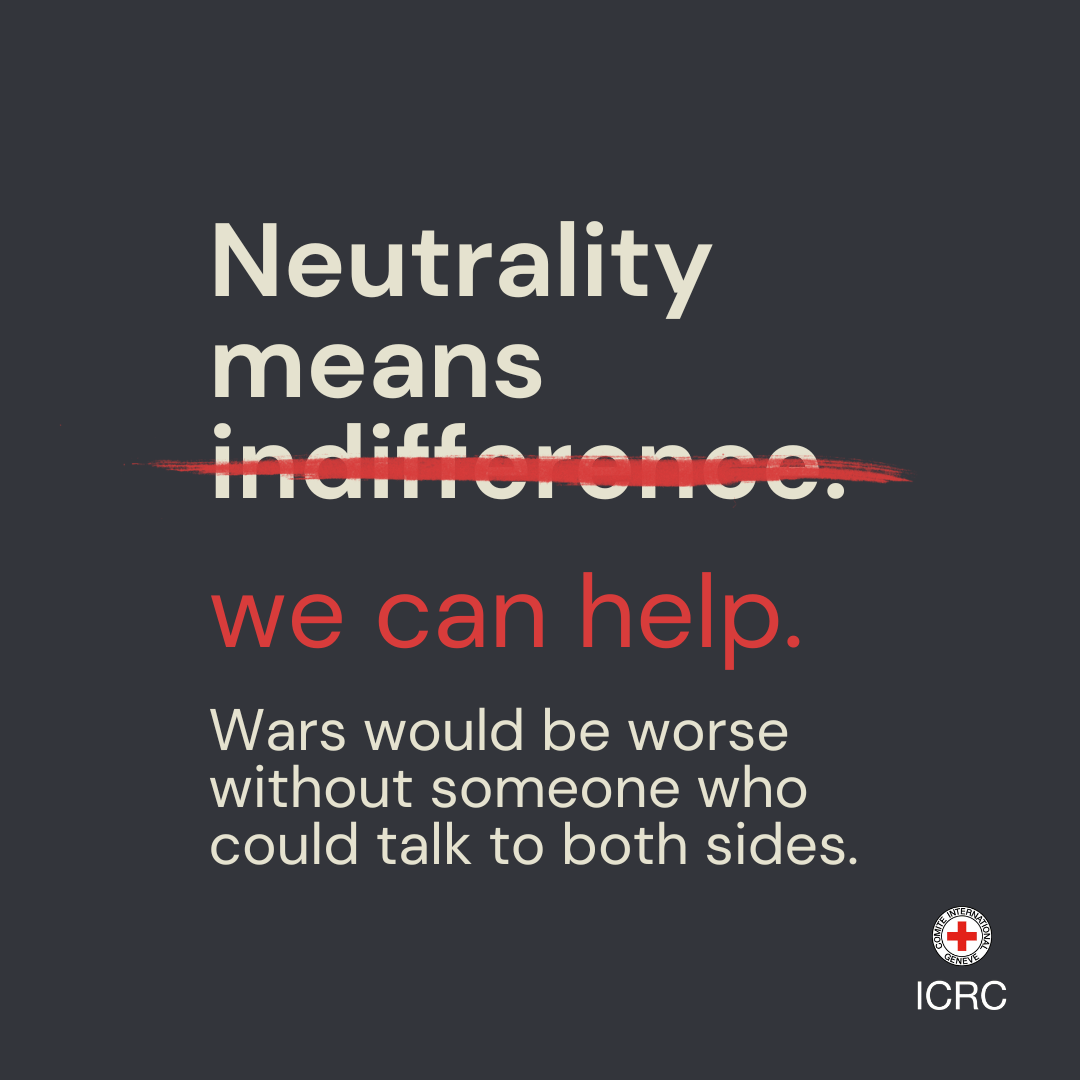
Staying neutral allows us to do our job. It is not indifference: it is a deliberate choice.
Our mission comes from the Geneva Conventions, universal laws that preserve a degree of humanity, even in war. Today, 163 years since our founding, neutrality remains as crucial as ever.
Learn more 👉🏽 https://t.co/AEisUq538l
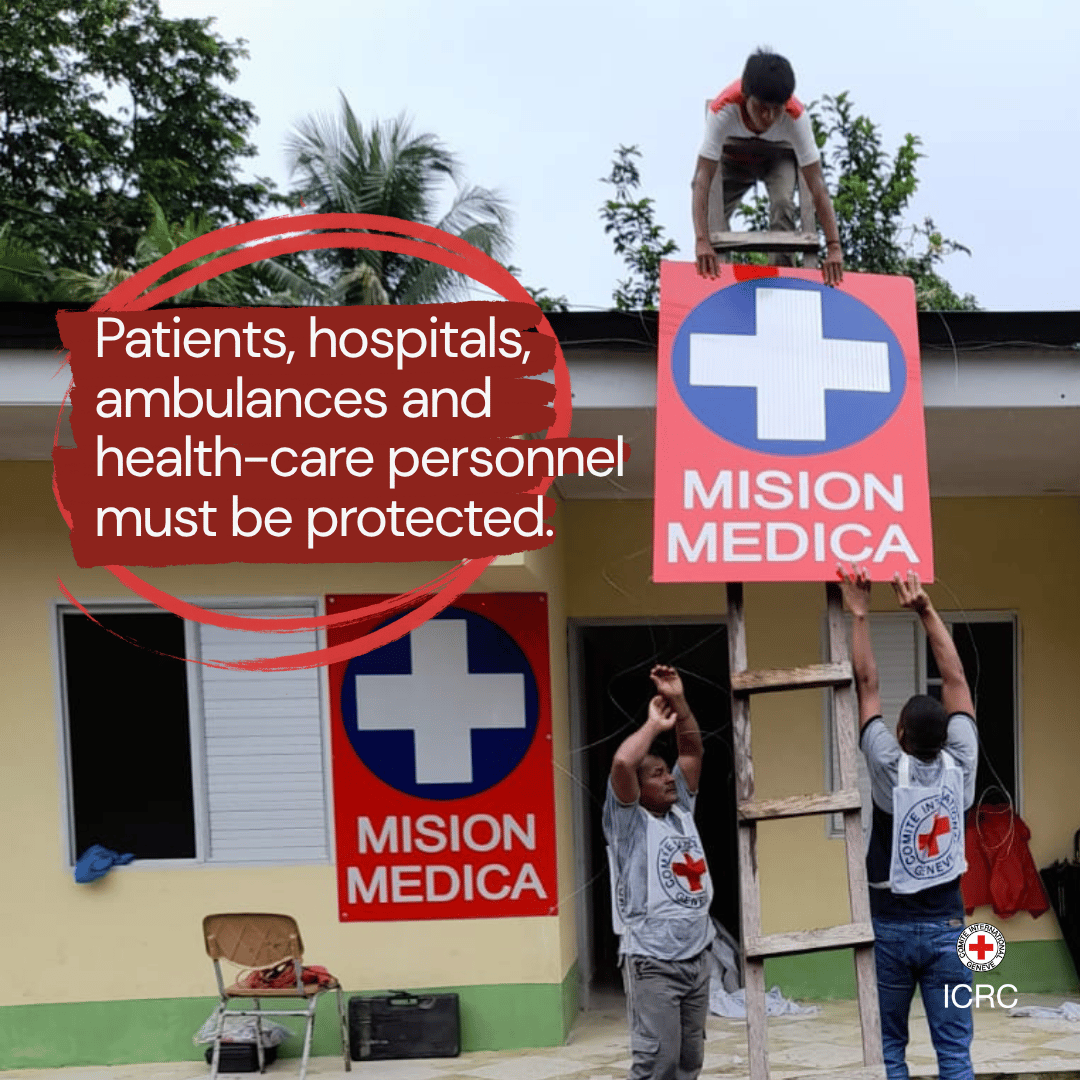
Every attack on healthcare personnel, facilities and vehicles, is an attack on the communities they serve.
❌ They should never have to fear for their own lives.
❌ They are not a target.
“We can adapt to anything, but not to war.”
Our new report explores the impact on conflict-affected communities and what states, humanitarians and development actors must do.
Read more: https://t.co/Bk8Ms4ZhgI
#HumanitarianAction#IHL
In recent weeks, aerial attacks across Sudan have caused a worrying increase in civilian harm.
Residential areas, markets and areas sheltering displaced populations have been particularly affected, with hundreds of people reportedly killed.
We urge all sides to take into account the foreseeable humanitarian consequences of using armed drones, particularly in populated areas.
Read more: https://t.co/AGjTpv8lLP
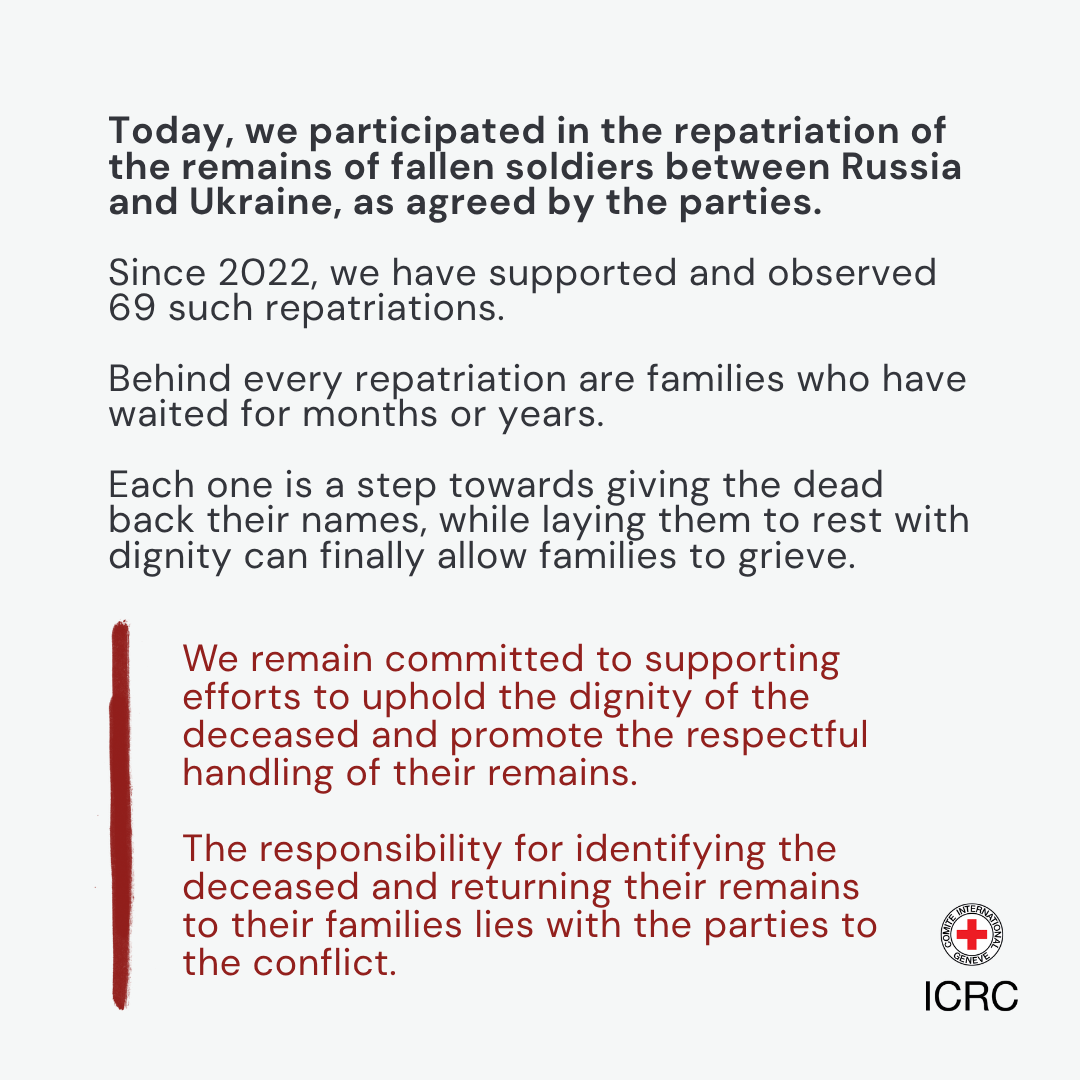
Today, we participated in the repatriation of the remains of fallen soldiers between Russia and Ukraine, as agreed by the parties.
Each return helps families honour their loved ones and lay them to rest with dignity.
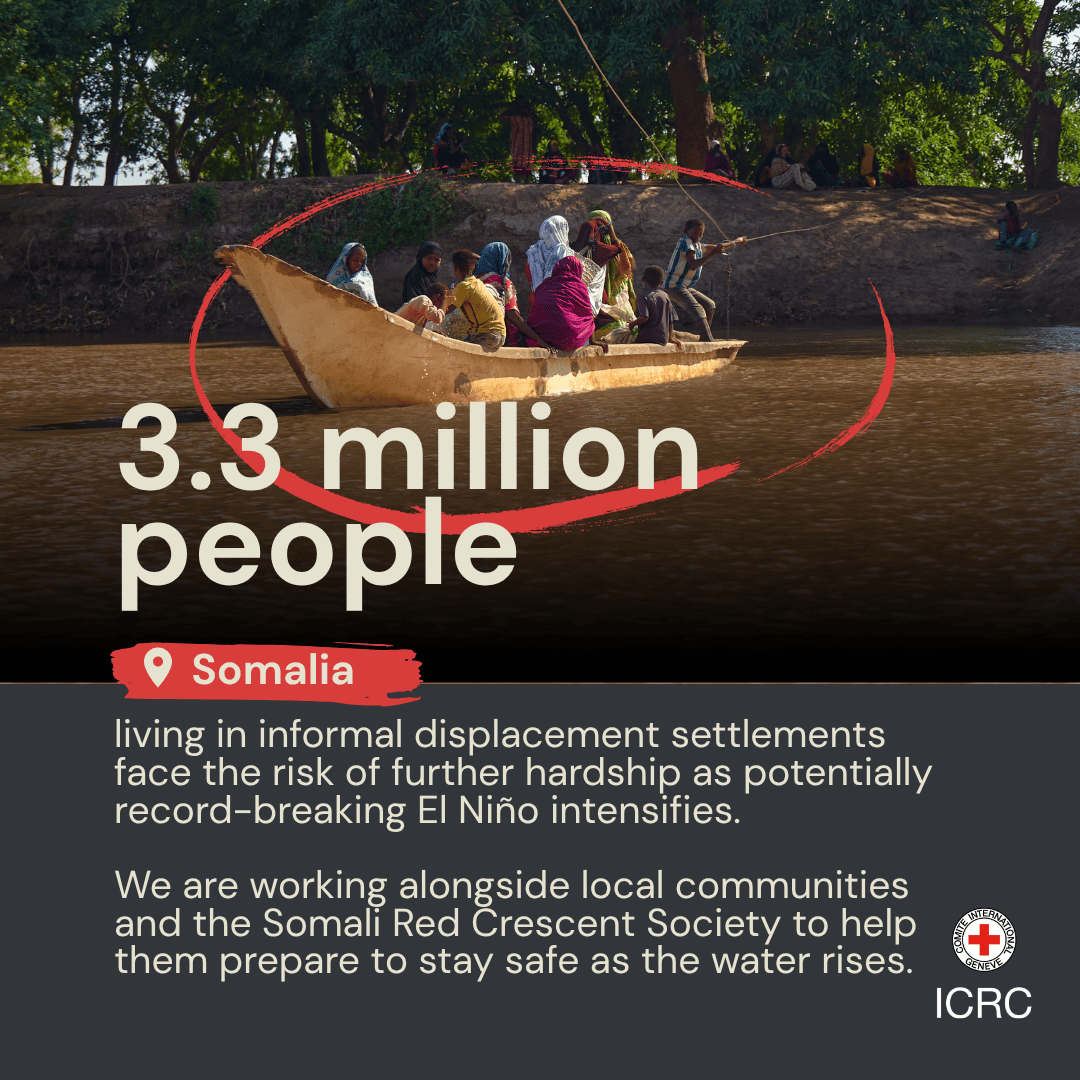
📍Somalia | In 2023, El Niño floods affected nearly two million people and displaced more than 500,000. Now, families along the Shabelle and Juba rivers face rising waters once again.
With a potentially record-breaking El Niño feared, @ICRCSomalia_ is working with the Somali Red Crescent Society to help communities prepare early and protect their homes and livelihoods.
When crisis strikes, how can forensic science help identify the missing & give families answers about their loved ones? Discover how forensic labs support authorities & help speed up the identification process in the latest Men El Miden episode. Watch now! https://t.co/hcp3UgsVGa
Humanitarian workers must be protected 👇
In Brussels, our Director General @PKraehenbuehl joined the International Conference on the Protection of Humanitarian Aid Workers and met with @eu_echo to reaffirm a shared commitment: keeping humanitarian personnel safe.
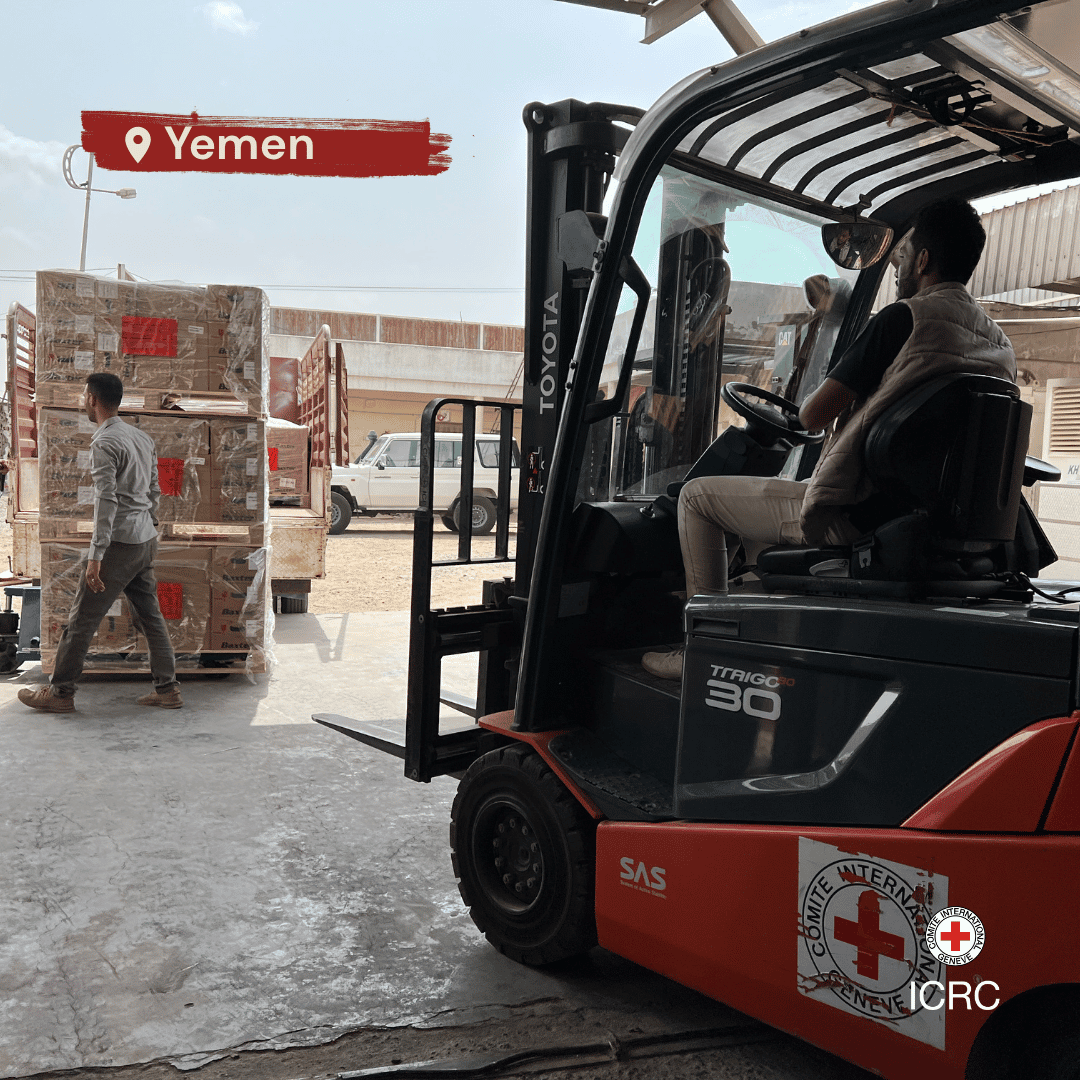
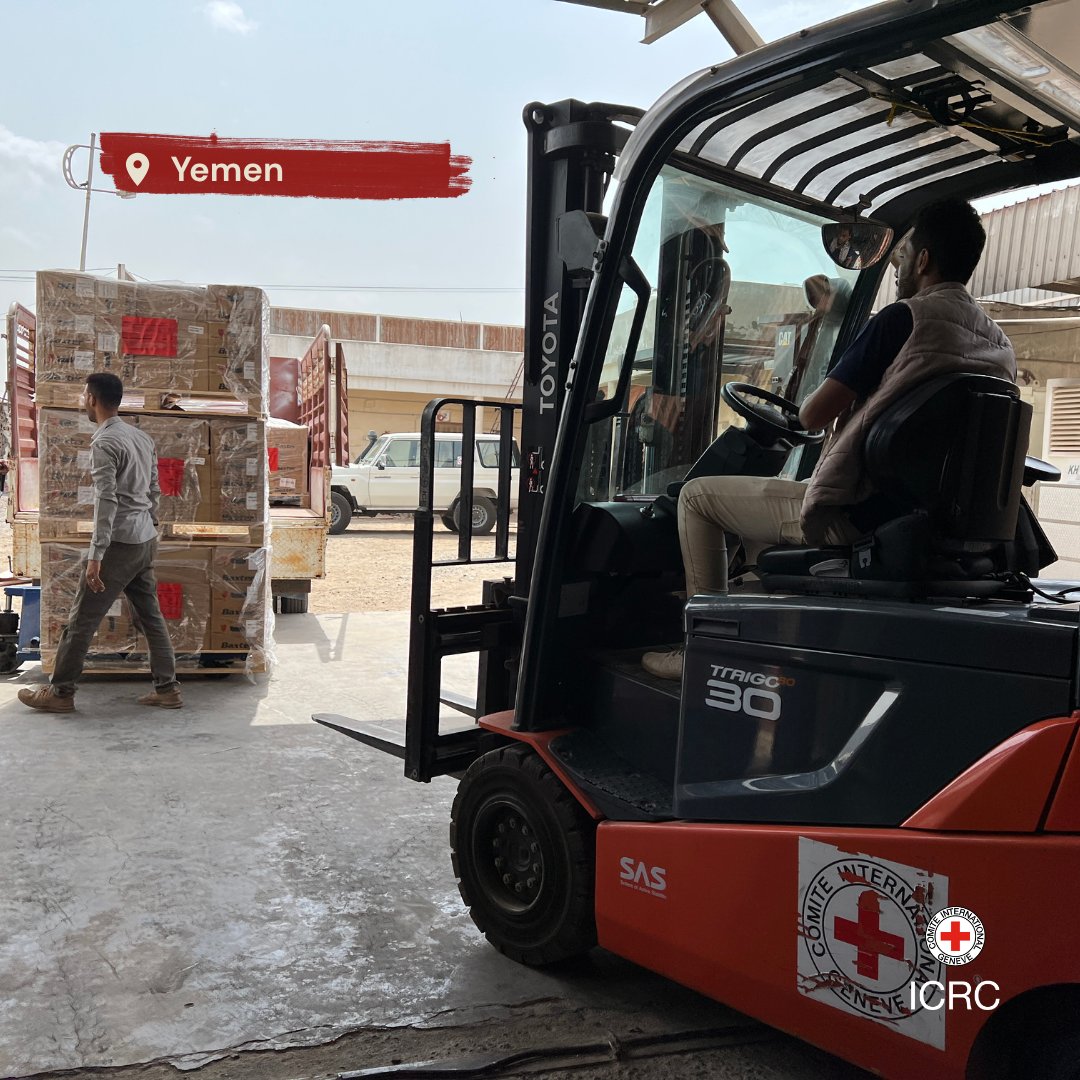
📍Yemen | @ICRC_ye delivered 10 tonnes of vital medical supplies to Ataq General Hospital, including two weapon-wounded kits to strengthen the hospital’s capacity to provide emergency trauma and surgical care to those in urgent need, following the recent mass-casualty incident in Shabwah.
The ICRC delivered 10 tonnes of vital medical supplies to Ataq General Hospital, including two weapon-wounded kits to strengthen the hospital’s capacity to provide emergency trauma and surgical care to those in urgent need, following the recent mass-casualty incident in #Shabwah.
📍Ethiopia | Renewed hostilities have endangered thousands of civilians in the northern regions and worsened their existing hardship.
Together with @EthioRedCross, @ICRCEthiopia continues to support the affected communities in Tigray, Amhara, Lalibela and Mekelle, among others.
Learn more in our operational update 👉🏽 https://t.co/NszC8rg52z
📍Majdal Shams
Over two years ago, 12 young people were killed due to a missile strike on the town.
The ICRC supported the town's emergency clinic, so they could better respond to mass casualty events.
We continue to support affected population – in all areas of conflict.
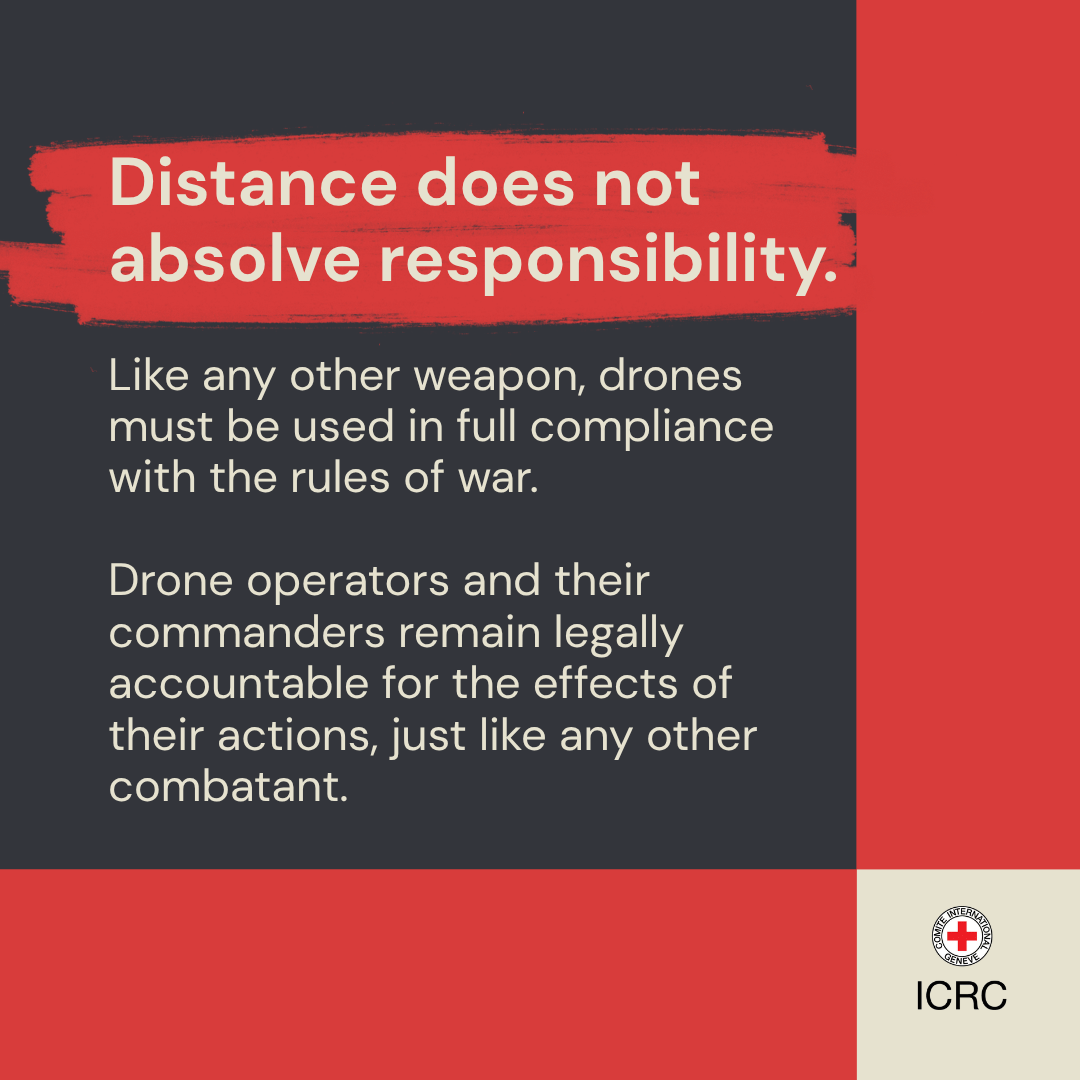
Drones may change how wars are fought, but they don’t change the rules of war.
International humanitarian law requires drone operations to distinguish between civilians and military objectives and requires all feasible precautions to minimize civilian harm.
Read more about the use of drones in armed conflict: https://t.co/wIduLclsUE
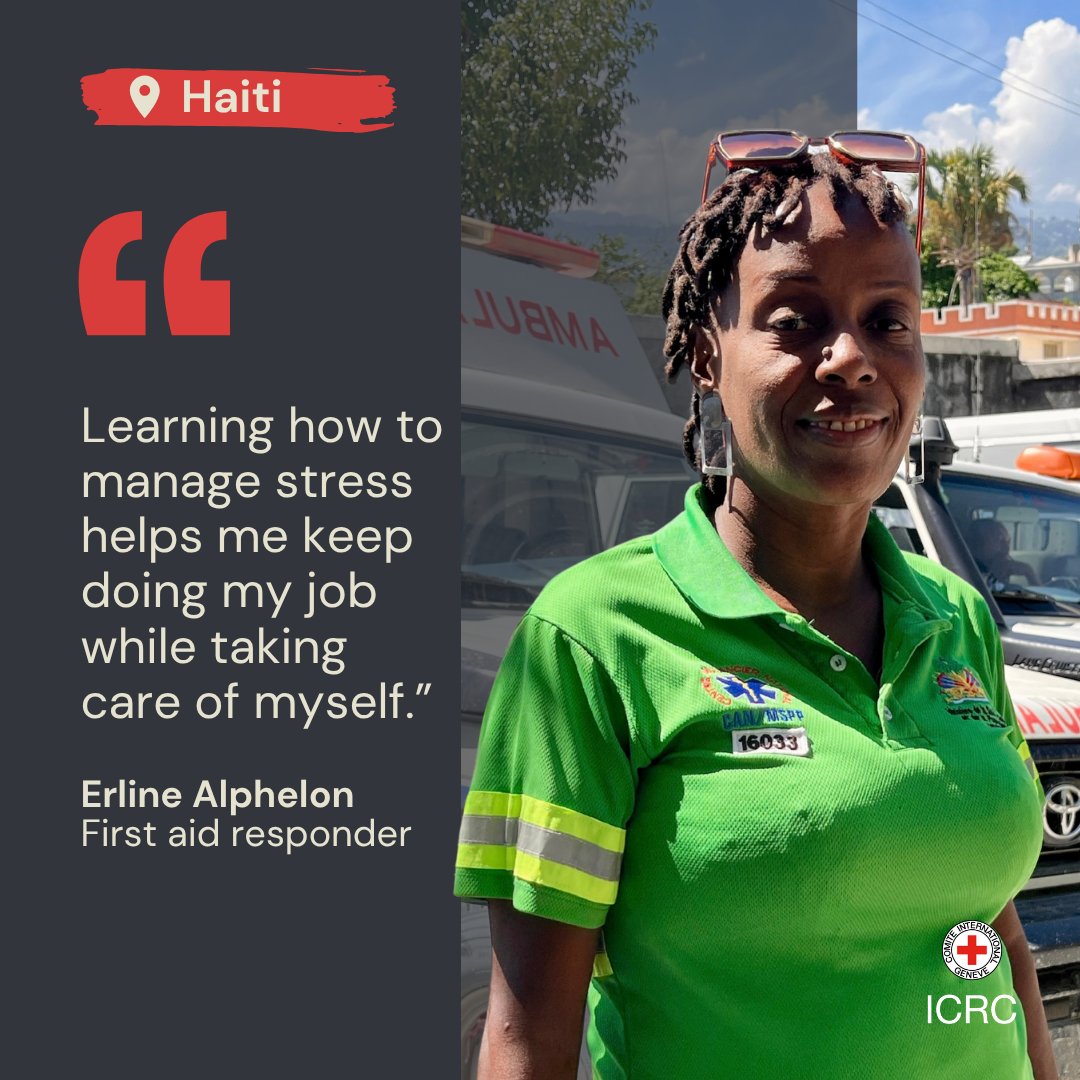
📍 Haiti | Erline faces threats and violence while responding to emergencies by ambulance. The fear and stress don’t end when the call is over.
Through our “Helping the Helpers” programme, we provide psychosocial support to first responders like Erline.
The protection of detainees & wounded is a critical aspect of international humanitarian law (IHL). The law outlines their rights and protections afforded during armed conflict.
The @ICRC plays a crucial role in promoting compliance with these rules to ensure their protection.
In armed conflicts, not everything or everyone is a lawful target.
@CDroegeICRC, ICRC's Director of International Law, Movement and Partnerships, explains what’s allowed on the battlefield and how the principles of distinction, proportionality, and precaution are meant to protect lives.
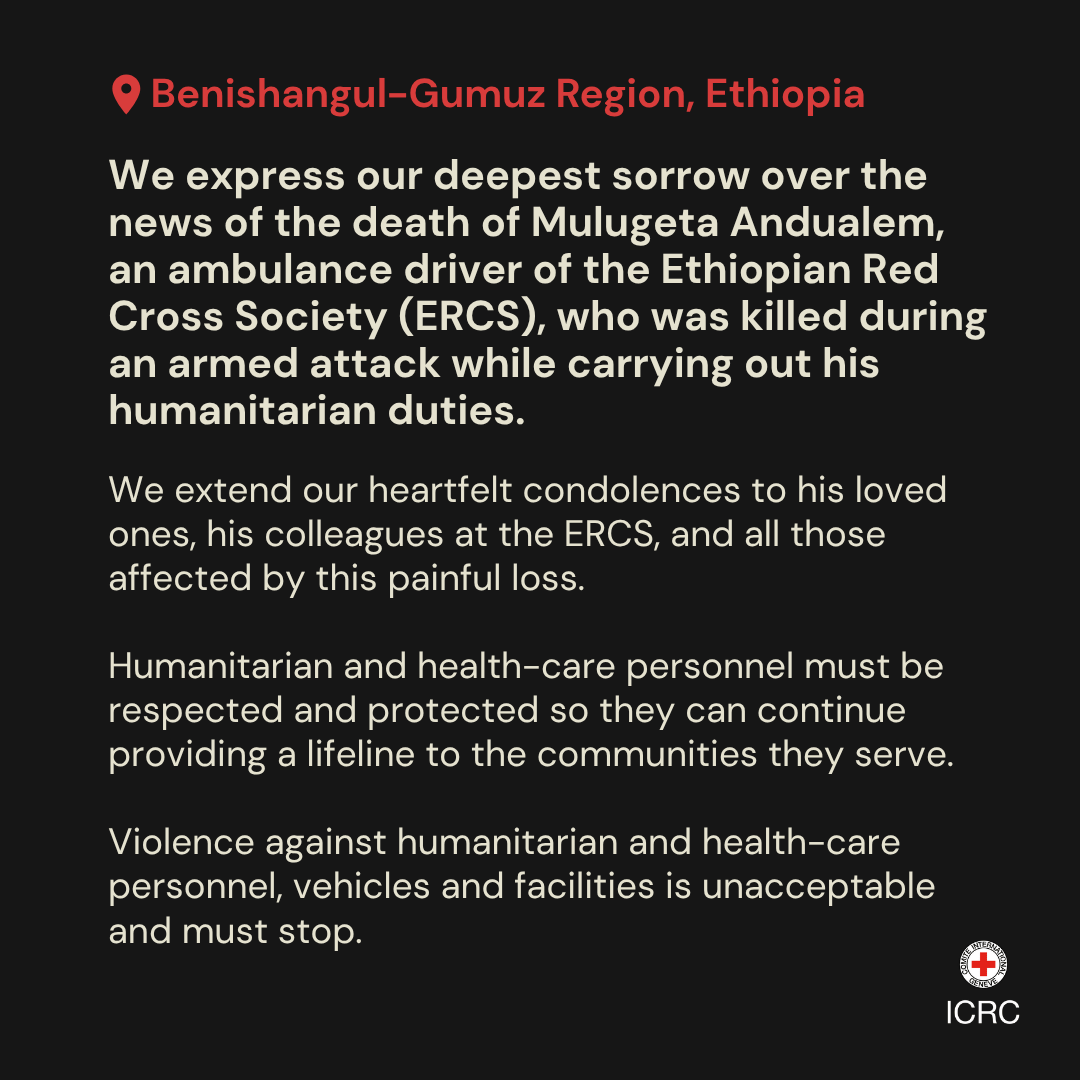
📍Ethiopia | We express our deepest sorrow over the news of the death of Mulugeta Andualem, an ambulance driver of the Ethiopian Red Cross Society (ERCS), who was killed during an armed attack while carrying out his humanitarian duties.
We extend our heartfelt condolences to his loved ones, his colleagues at the ERCS, and all those affected by this painful loss.
The surge in weapon-wounded patients is putting immense pressure on health facilities on front lines. Our teams visited Ras al Arah hospital in #Lahj to assess the needs and provide emergency medical supplies. Azabou, our medical staff, shares his impressions following the visit.
📍Sudan | We are heartbroken by the death of Badr al-Din Omar Musa, a volunteer from the Sudanese Red Crescent Society who was killed while carrying out his humanitarian duties in the Blue Nile Region.
The continued loss of humanitarian personnel is unacceptable. Weapon bearers must do all they can to ensure their safety and uphold the principles that enable humanitarian assistance to reach those who need it most.