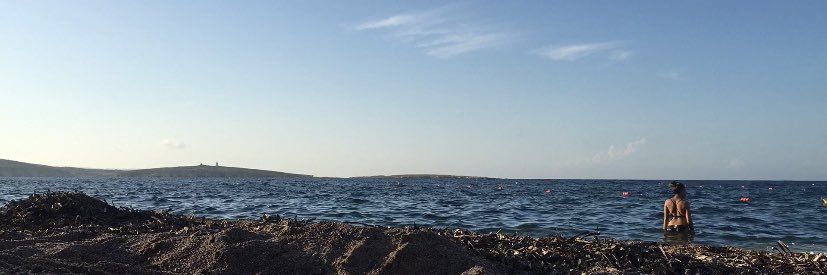
jam 4 ada drone warning, jam 6 bus telat, sekolah libur, bandara tutup, lah jam 7.15 situasi udh aman terkendali kehidupan mulai berjalan seperti biasa. Terlalu cepat penanganannya ini hei. Yallah negaraku msh jauh bgt dri ini 😂😭
She fell. She laughed. Two days later, she was gone.
In March 2009, Natasha Richardson was taking a beginner ski lesson at Mont-Tremblant in Quebec. She fell on a gentle slope, stood up, laughed it off, and said she felt fine. There was no visible injury. No panic. No reason to worry.
Hours later, she developed a severe headache.
By the next day, she was brain-dead.
The cause was an epidural hematoma, a rare and devastating injury known for its “lucid interval.” A person appears normal, even happy, while bleeding silently builds inside the skull. By the time symptoms become obvious, it is often too late.
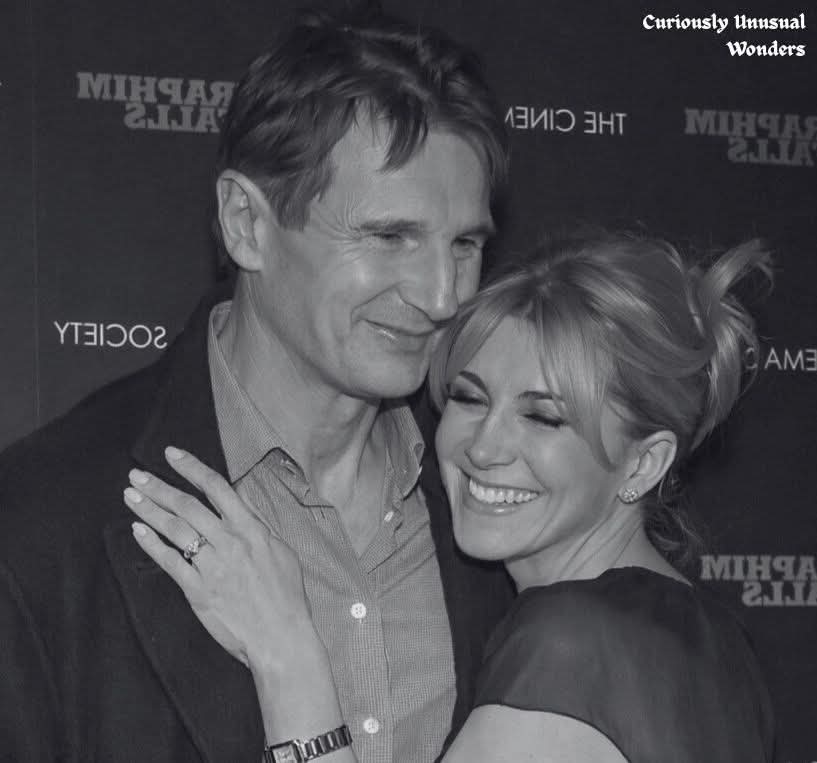
Her husband, Liam Neeson, rushed to her side and faced the unimaginable. Natasha was an organ donor and had made her wishes clear. In the midst of unbearable grief, Liam made the hardest decision of his life and authorized the removal of life support so others could live.
Natasha was 45 years old. They had been married for 15 years. Their two sons were brought in to say goodbye.
Her organs saved multiple lives.
After that day, Liam stepped away from public life and focused entirely on raising his children. Years later, he would describe grief as coming in waves, saying some losses never truly leave. He never remarried. Friends say he still wears his wedding ring.
Natasha Richardson fell on a gentle slope and laughed.
Forty-eight hours later, she was gone.
Liam Neeson has played heroes on screen his entire career. But the real courage was waking up every day after losing the person who anchored his life, and choosing to keep going.
This is not a movie scene.
It is life. Fragile. Sudden. Unforgiving.
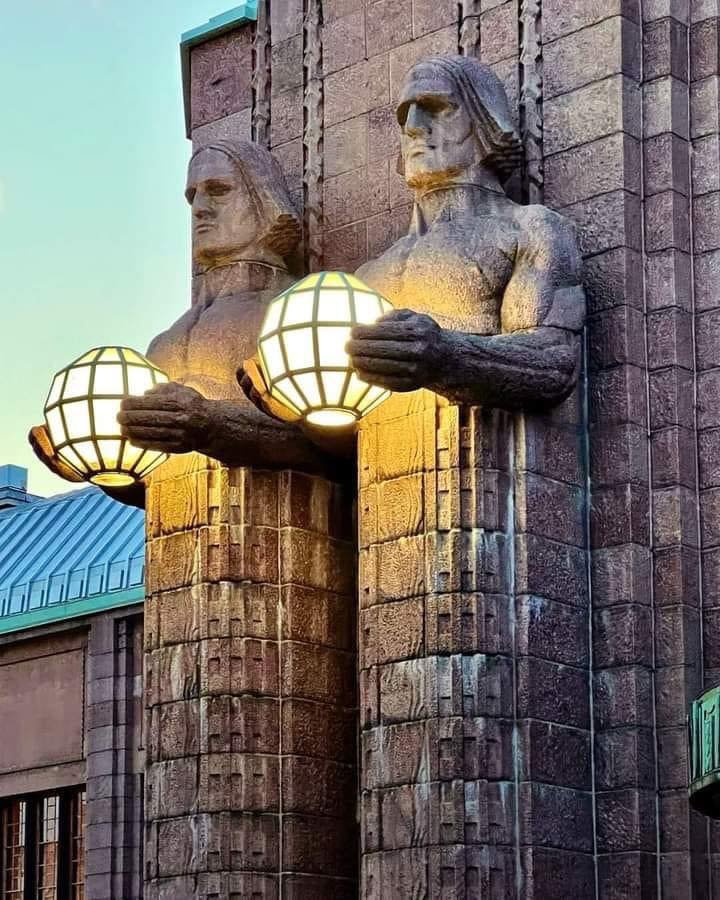
Helsinki’s most iconic “lamps”… are held by GRANITE GIANTS.
Meet Lyhdynkantajat (“The Lantern Bearers”)—four monumental stone figures built into the main entrance of Helsinki Central Station. Sculpted by Emil Wikström and completed in 1914, they were designed as part of Eliel Saarinen’s granite-clad station, inaugurated in 1919. The best detail? Those glowing spheres turn the façade itself into a piece of public lighting.
📷 Alberto Rodriguez