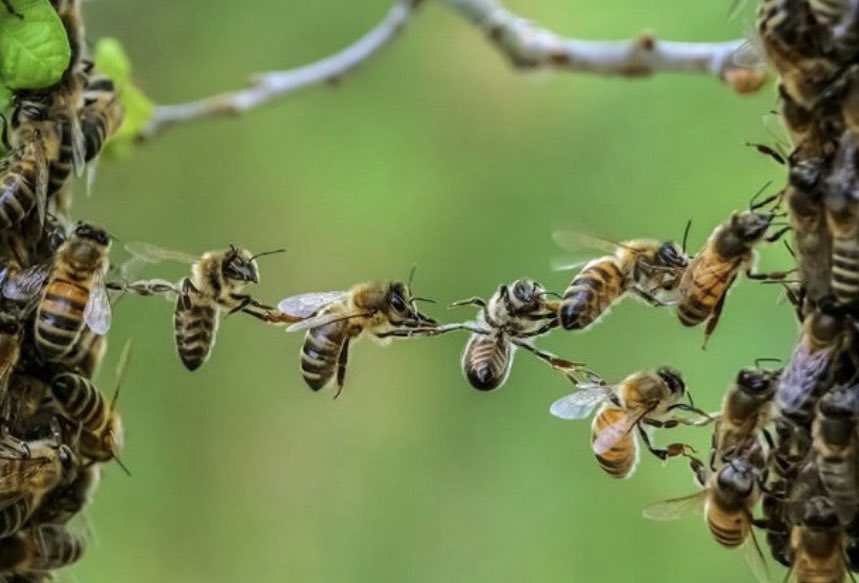
This #WorldEnvironmentDay we’re highlighting honey bees & the beekeepers who help sustain our planet. From enriching soil & pollinating crops to protecting clean air, water & whole ecosystems — our world wouldn’t be the same without them. 🐝
Learn more: https://t.co/37wuIMjVw4
Hay fever hell? Bee prepared immune supplements aid your immune system's response to hay fever & the ingredients also have natural antihistamine & anti-inflammatory actions. Formulated by nutritionists. No fillers or excipients. Find in UK & Irish health stores,
@Ocado & in London in @planetorganicuk@WholeFoodsUK
https://t.co/PQm2JRwy5v #allergies #hayfever @vegsocapproved
Article in Woman's Own Magazine.
Hello again
Such a beautiful painting by
Barbara Richardson new artist ( to me)
English painter well known for her sensitive light filled botanical Still Life Oil paintings
‘Auricula in Flower Pots’
GIVEAWAY- enter to WIN a gorgeous bee necklace & award winning natural anxiety / stress & sleep supplements worth £75. Enter here:
https://t.co/s078IPkIFm #giveawayuk#UKMakers
Did you know anemones aren’t plants but animals? 🪸 They may look still and harmless, but they’re actually predators that can slowly crawl, hunt, and even compete for space on the ocean floor.
#WelcomeToEarthSeries is now streaming on @DisneyPlus.
France has introduced one of the world’s toughest environmental laws by criminalizing “ecocide” under its Climate and Resilience Act.
The new legislation allows courts to impose severe penalties on companies and executives responsible for severe and lasting damage to air, water, or soil. Convicted offenders can face fines of up to €4.5 million, or up to ten times the profits gained from the violation, along with prison sentences of up to 10 years.
This marks a significant cultural and legal shift, elevating environmental protection to the same level of seriousness as threats to public safety or human life.
The law is part of a growing international movement, driven by activists, scientists, and legal experts, to treat large-scale ecological destruction as a serious crime rather than a mere business cost.
While some critics worry the law may prove difficult to enforce, it reflects a broader recognition that the health of the planet’s ecosystems is essential to human survival.
In our loud, frantic world, it makes my heart a little bit lighter to know that there is a quieter, calmer life to be found in the Peak District. Here you’ll still find sleepy villages surrounded by rolling hills, where the streams trickle over the cobbles past the cottages, just as they have done for centuries.
If you have a copy of my 2026 Peak District Calendar, this is the page that will be bringing a little calm and beauty to your wall for the month of June. My 2027 Calendar is out already and currently available for the Early Bird price of only £8.95 + P&P (sorry, UK only). Here’s the link for more information:
https://t.co/H7C6z6cloo
Monika Shukla, cofounder of Humble Bee, a social enterprise that has trained over 2,000 female women across rural India, believes women make better beekeepers
https://t.co/VzJiF63npt
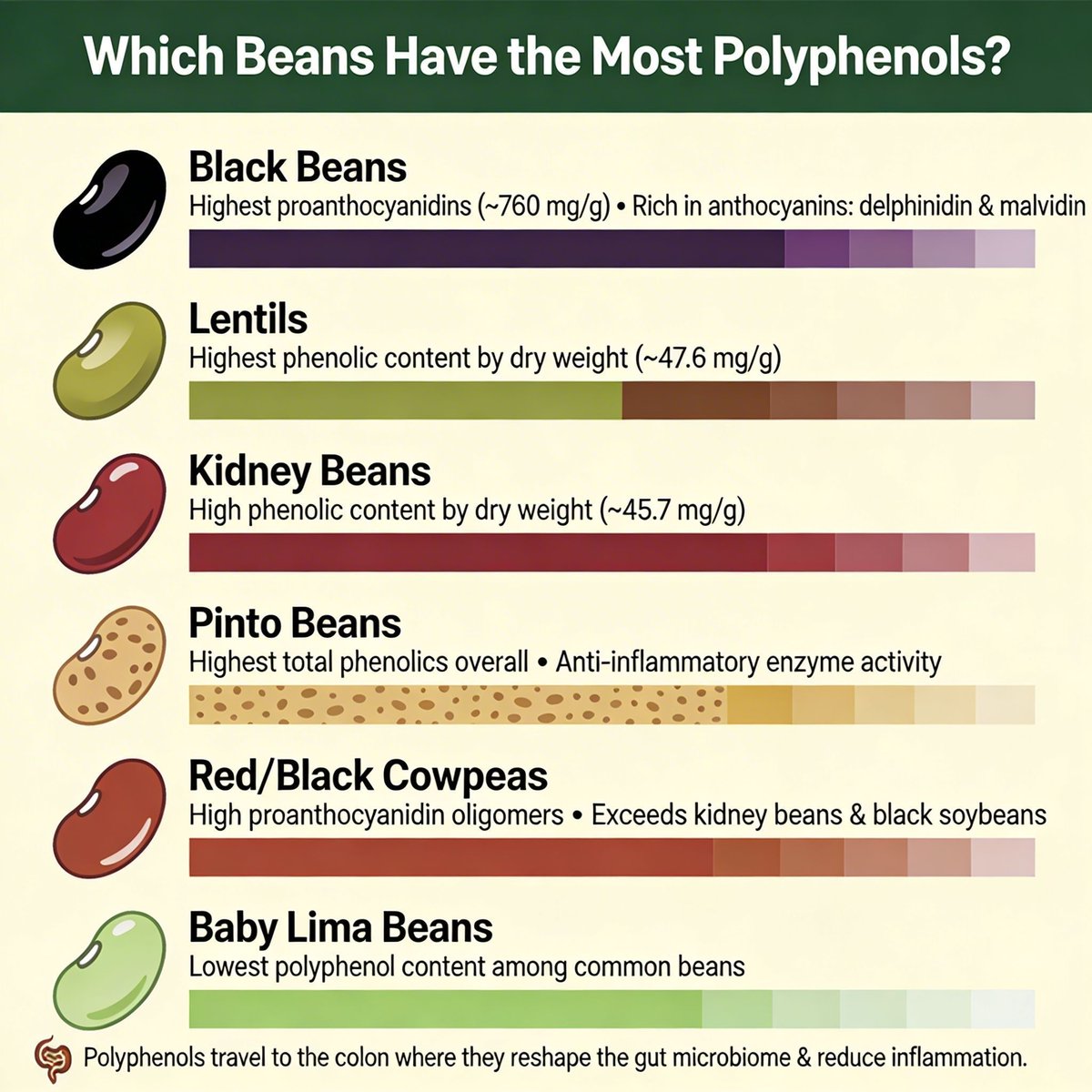
🚨 Not all beans are equal for longevity 🫘
If you’re eating legumes for better health, polyphenols are the real game-changer.
These compounds act as cellular signals that:
• Reshape your gut microbiome
• Reduce inflammation
• Build metabolic resilience
The Polyphenol Hierarchy:
🥇 Black Beans — Loaded with anthocyanins (same powerful pigment as blueberries)
🥈 Lentils & Kidney Beans — High phenolic density for glucose control & metabolic defense
🥉 Baby Lima Beans — Great fiber, but lowest polyphenol firepower
Pro‑Tip:
Polyphenols reach your colon intact and feed the beneficial bacteria that protect metabolic health.
Which bean is your kitchen staple?
#MetabolicHealth
#Longevity
#GutHealth
Montmorency cherry 🍒, a precursor to melatonin, can improve sleep. @GetTheGloss explains how & shares the best sleep supplements which contain it including Bee rested. If you have trouble sleeping have a read:
https://t.co/TG1qgHB0Qr #insomnia#healthtips
Bee propolis has over 2000 studies on its use for immunity, inflammation, acne, oral health, skin repair & more. Those bees! 🐝☺️⚡️
@health_com_
https://t.co/ZDmIN3JCGx #HealthTips#flu
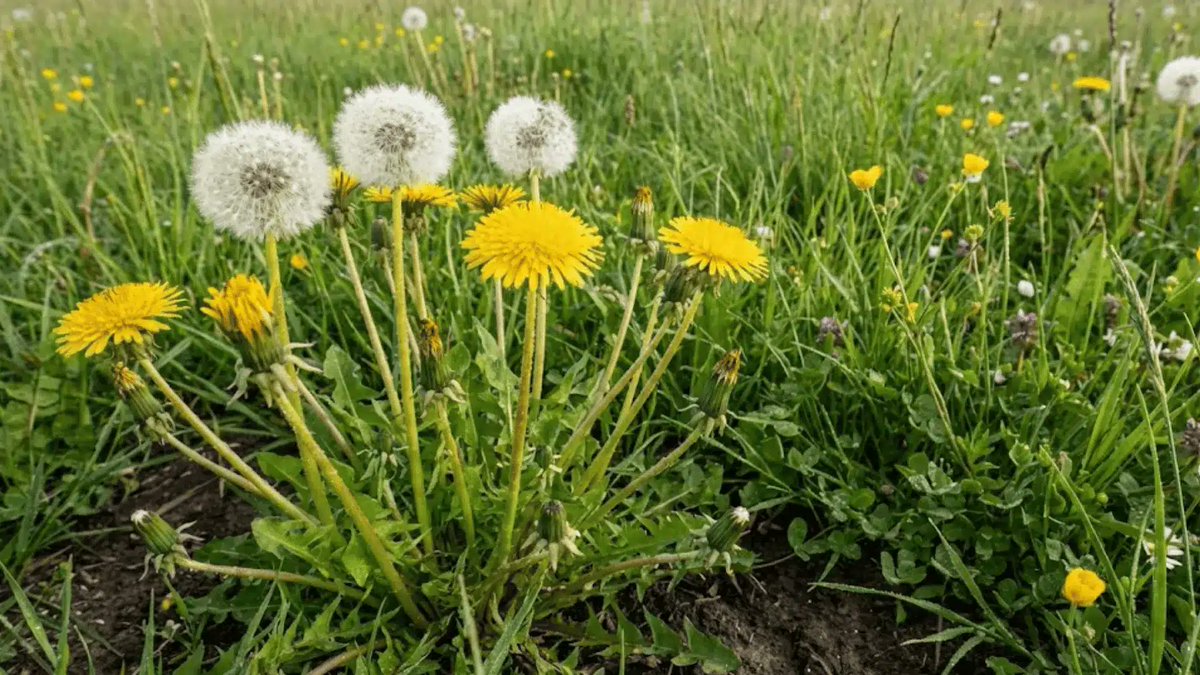
The reason we think dandelions are weeds is because of a 1950s marketing campaign.
Dandelions, native to Europe and Asia, were brought to North America in the 1600s by European colonists who grew them deliberately.
Every part is edible. The leaves are a salad green, the flowers were made into wine, and the roots were roasted as a coffee substitute and used medicinally for liver and kidney conditions for thousands of years. They were a kitchen-garden staple well into the 1800s.
The shift happened after World War II, when 2,4-D (originally developed for chemical warfare research) was approved as a residential herbicide. Companies like Scotts built the modern lawn-care industry around the idea that a perfect green lawn meant zero broadleaf plants.
Dandelions, being bright yellow and resistant to mowing, became a visible enemy, and the campaign worked. By the 1970s, "dandelion-free" was synonymous with "well-kept."
They aren't native, but they aren't doing significant ecological harm either. The herbicides used to kill them, on the other hand, kill bees, contaminate groundwater, and have been linked to non-Hodgkin lymphoma in humans.
If you hate dandelions, it's most likely due to a marketing campaign that ran before you were born.
"The value of bees can not be measured by their ability to produce honey alone, rather it must include the work bees do for agricultural crops, home gardens & wildlife habitat.”
~Nicholas Calderone PHD @Cornell
Illustration by Marcel George