How much of your retail planning process still happens manually?
A) Less than 20%
B) 20–40%
C) 40–60%
D) More than 60%
Forecasting, allocation, and ERP tools have come a long way.
But how much of the real workflow still lives outside the system, in Excel?
Vote below.
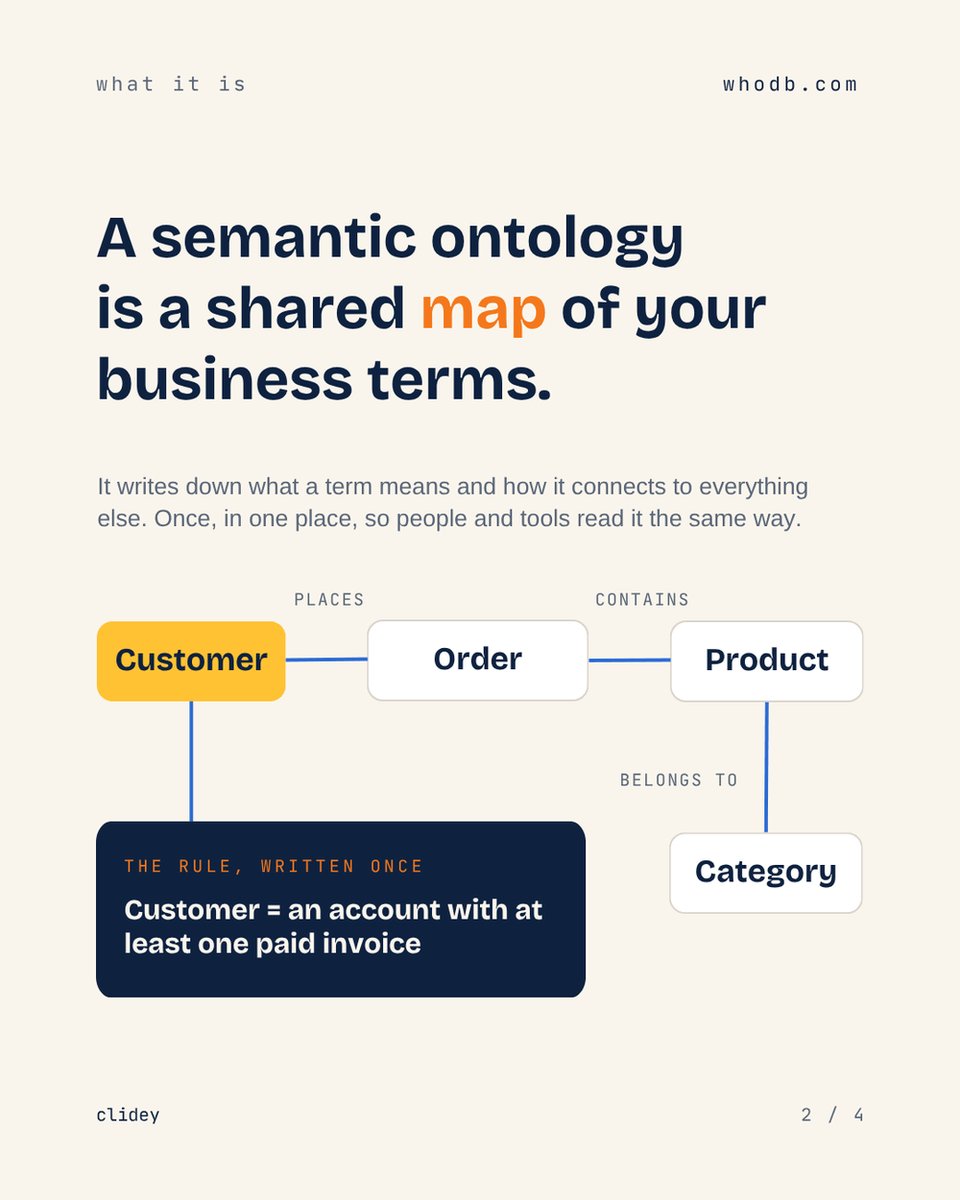
What is a semantic ontology, and why should non-technical teams care?
It's a shared map of what your business terms mean and how they connect.
Sales counts every account that signs up as a customer. Finance counts only accounts that have paid. Same word, different rules.
A semantic ontology writes the definition down once, so people and tools read it the same way.
Swipe for the short version. Full blog in the comments.
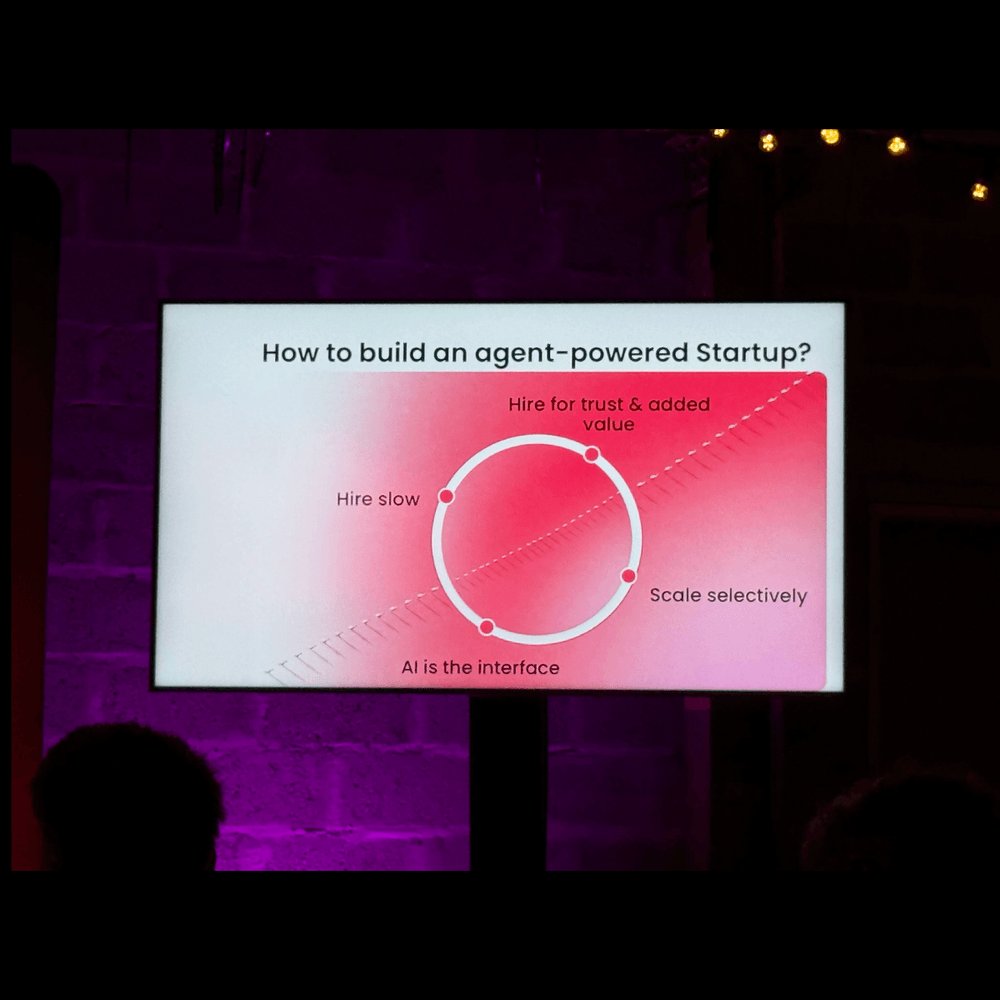
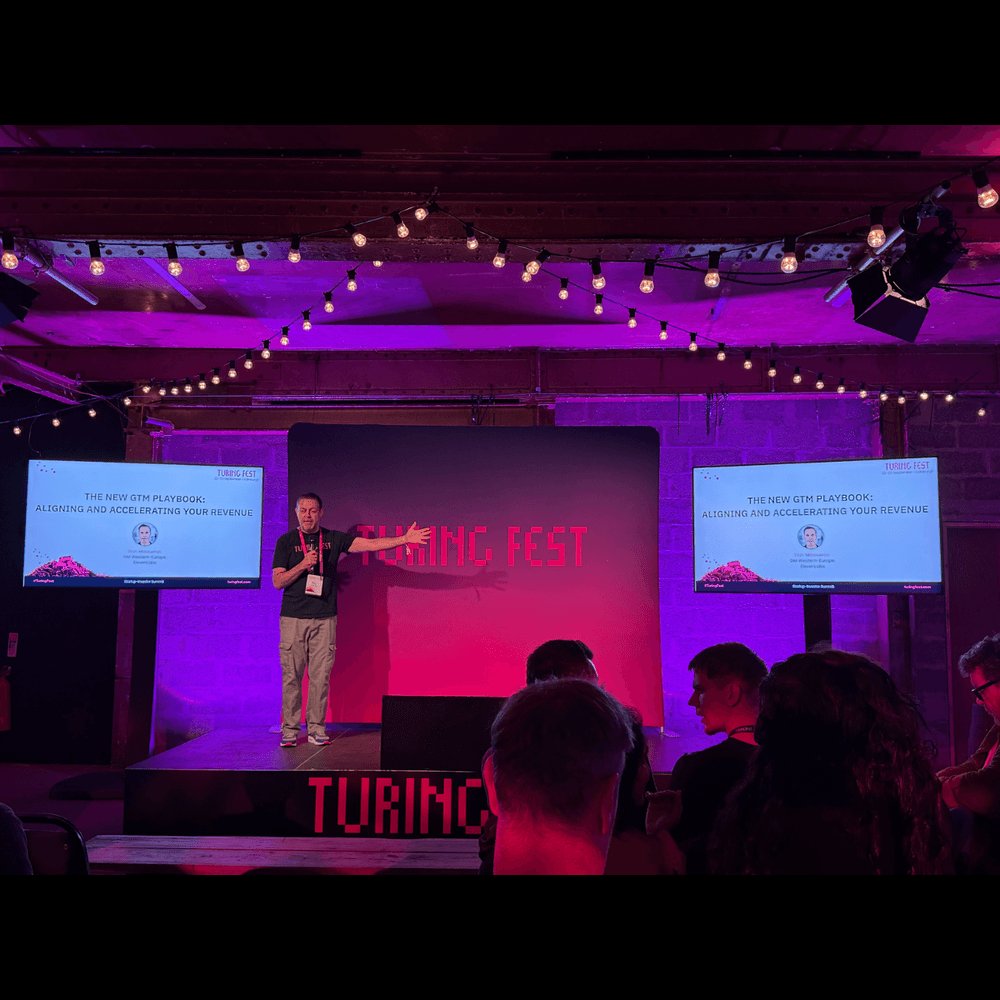
Our co-founder and CTO, Anguel Hristozov, was at Turing Fest last week, where founders and operators talked about AI, go-to-market, and building strong teams.
Here's what we're taking away:
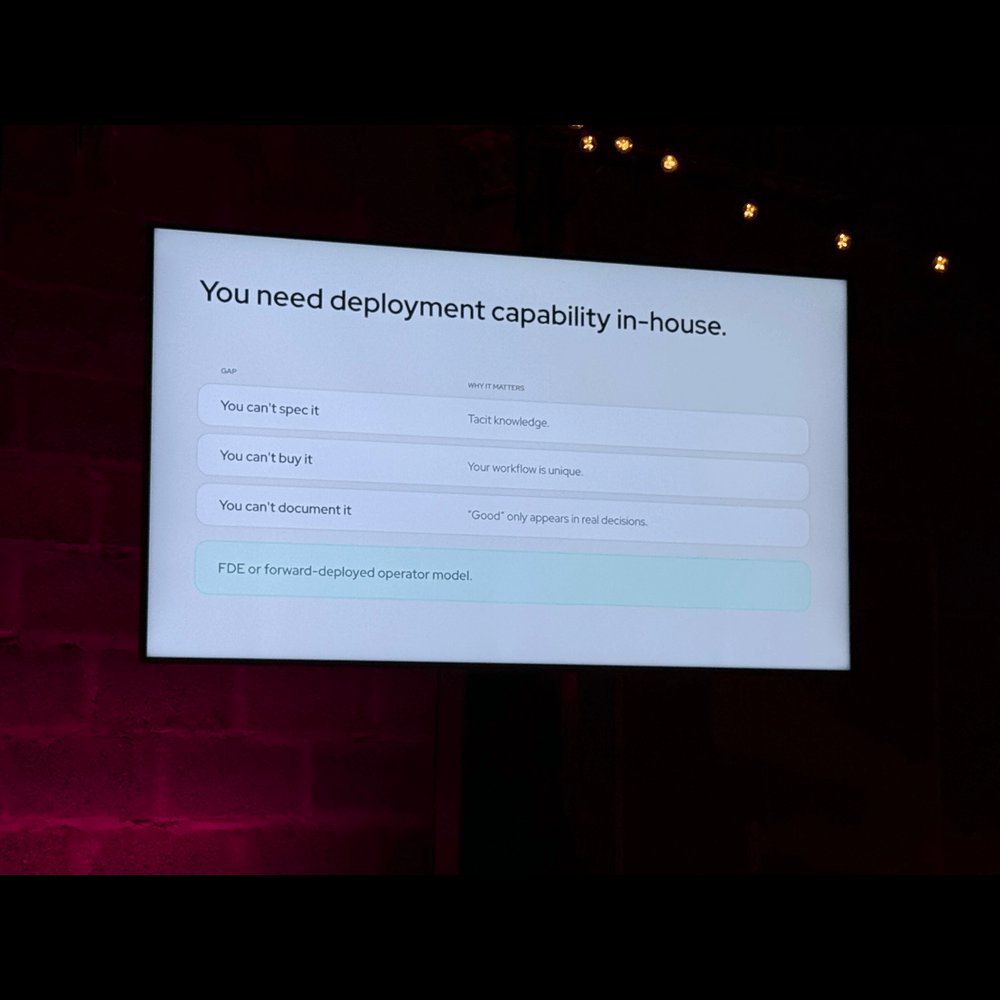
- Most AI rollouts fail for old reasons. Nobody owns the agent when it breaks, and there's no shared idea of what "good" looks like.
- The most valuable AI work sits in your own workflows. Generic tools cover common tasks, but your rules and exceptions need a setup built by people who know the business.
- As AI content floods the market, trust and community become the things you can't buy or automate.
- Augment people first. Automate once a process is stable.
Talks from Stan Massueras, April Dunford, Hana Abaza, and Husayn Kassai got us thinking.
At Clidey, we like tech that fits how your team really works. This was a good reminder of why.
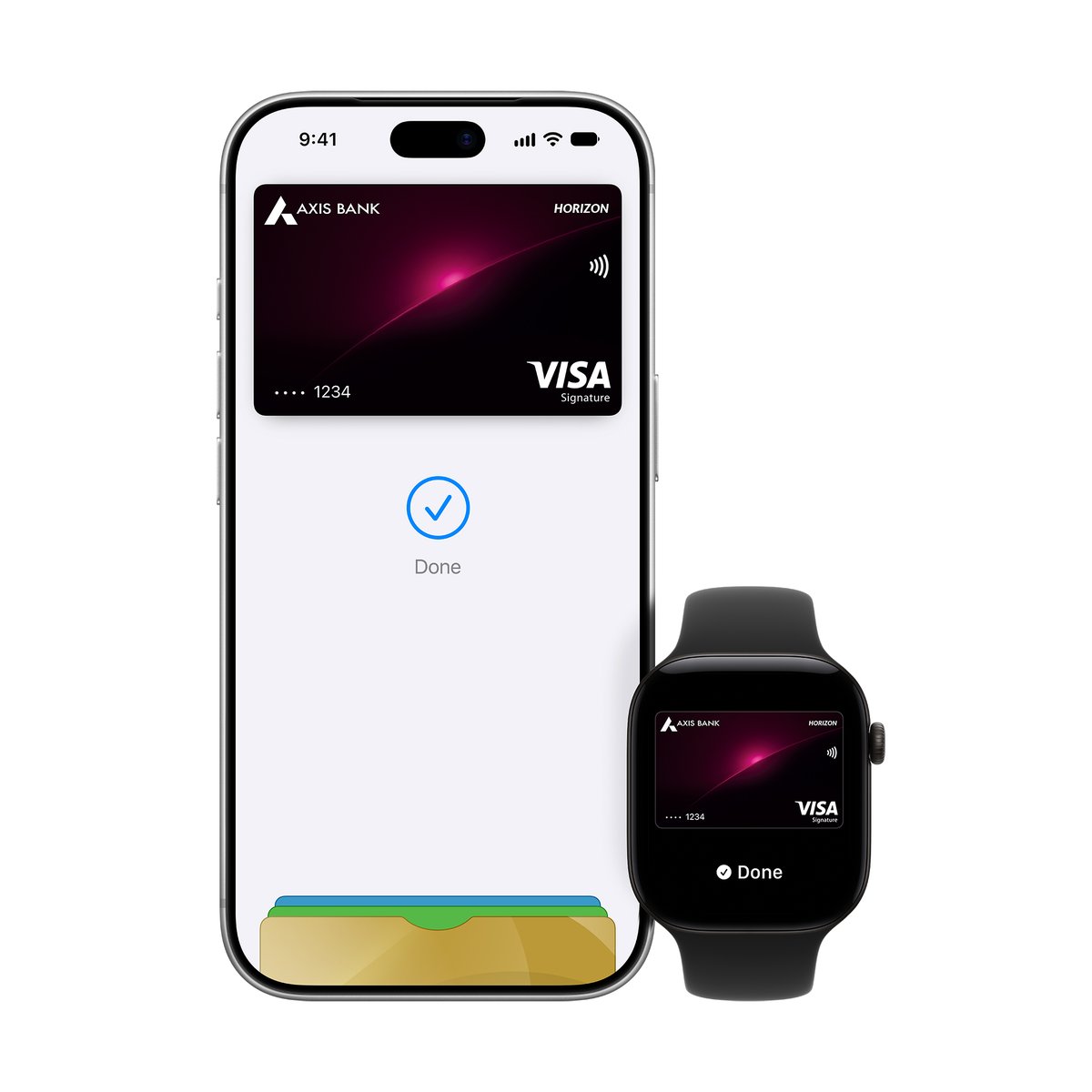
Say hello to Apple Pay in India! 🇮🇳
We’re so excited to bring Apple Pay to India today, and make it easier than ever for our customers to make safe and secure purchases on Apple devices.
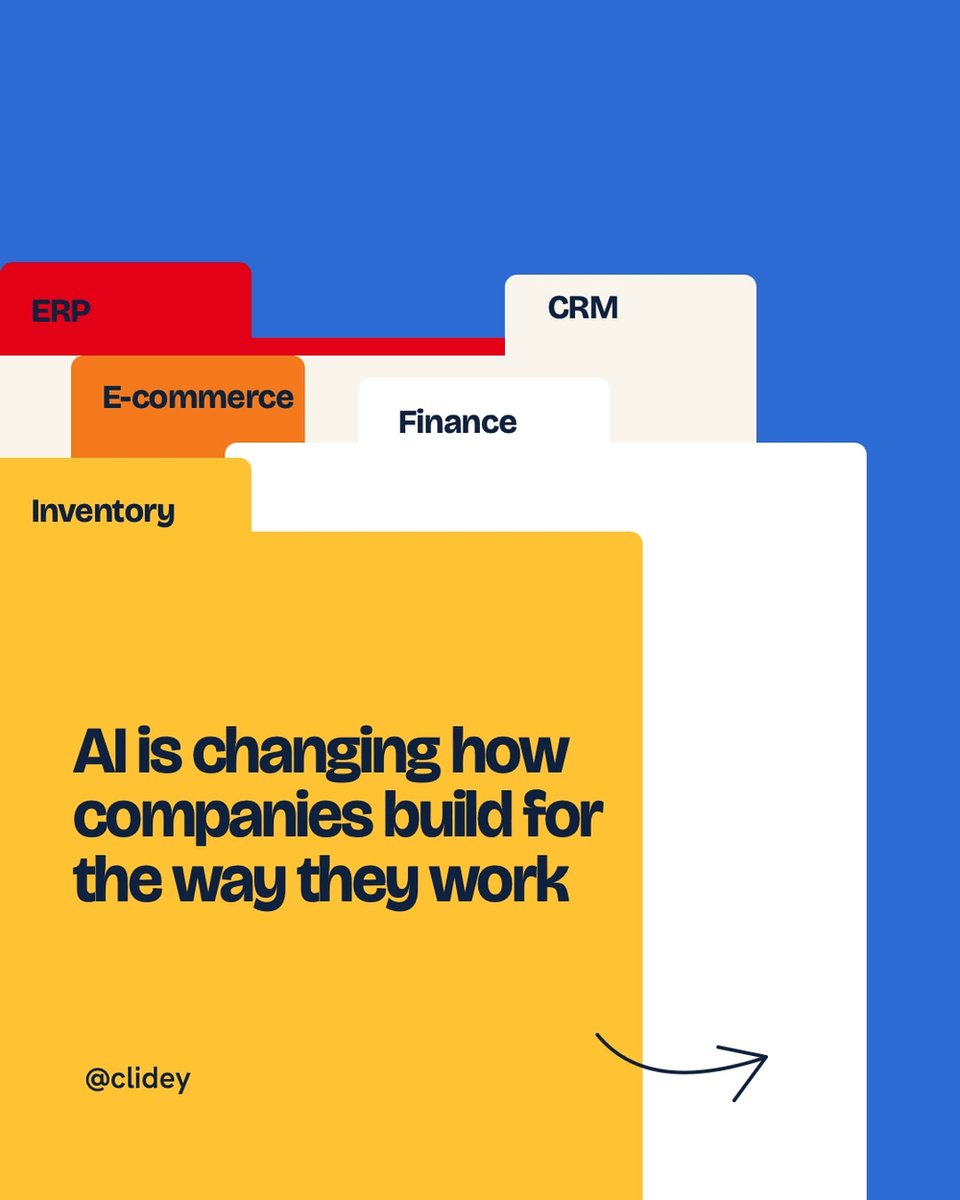
Most businesses adapt their workflows to fit generic software.
What if you could build the software around the way your business actually works?
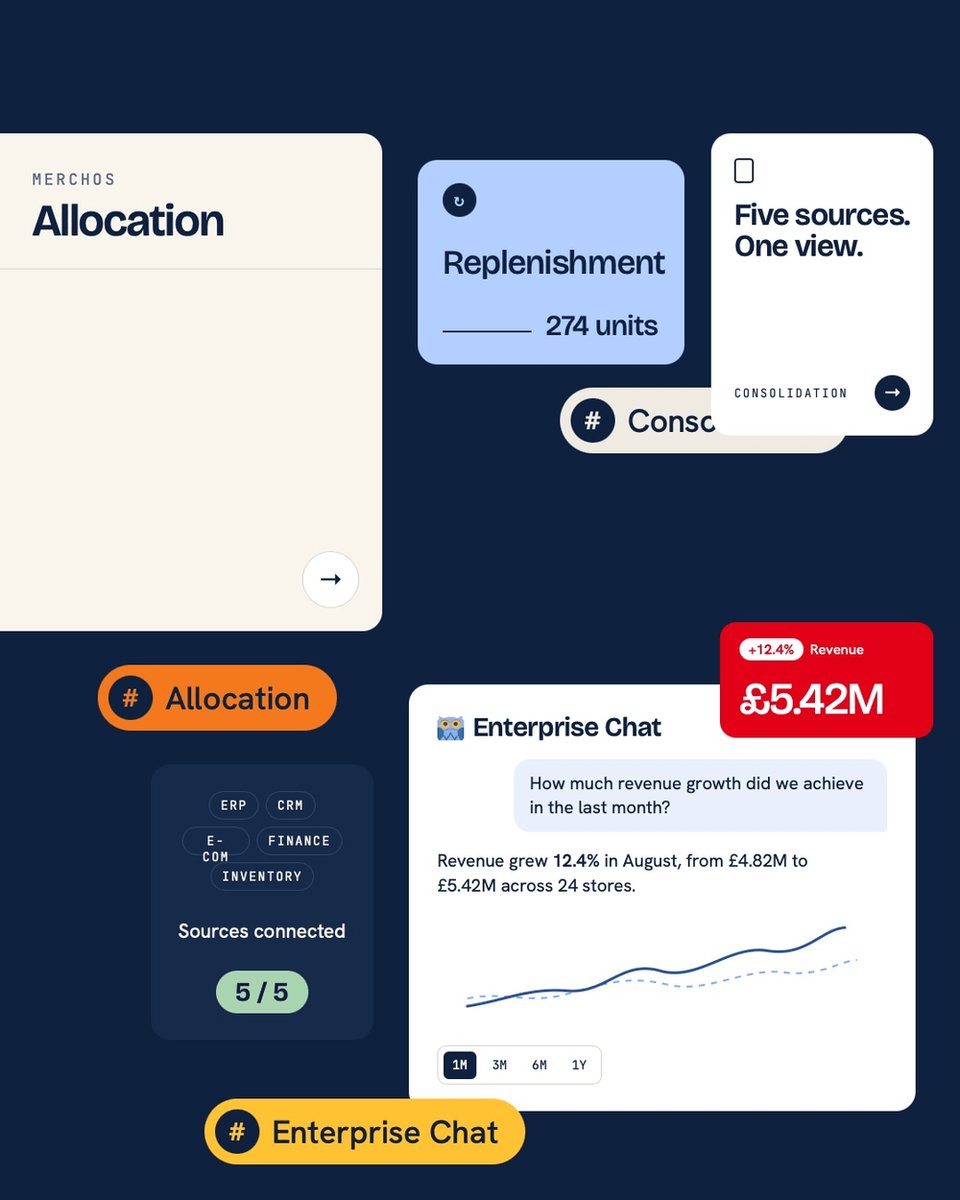
WhoDB connects and federates your data, giving IT teams the foundation to build applications tailored to their needs.
For retail, that could mean 𝗠𝗲𝗿𝗰𝗵𝗢𝗦 — automating 𝗮𝗹𝗹𝗼𝗰𝗮𝘁𝗶𝗼𝗻, 𝗿𝗲𝗽𝗹𝗲𝗻𝗶𝘀𝗵𝗺𝗲𝗻𝘁 𝗮𝗻𝗱 𝗰𝗼𝗻𝘀𝗼𝗹𝗶𝗱𝗮𝘁𝗶𝗼𝗻 around the way your merchandising team operates
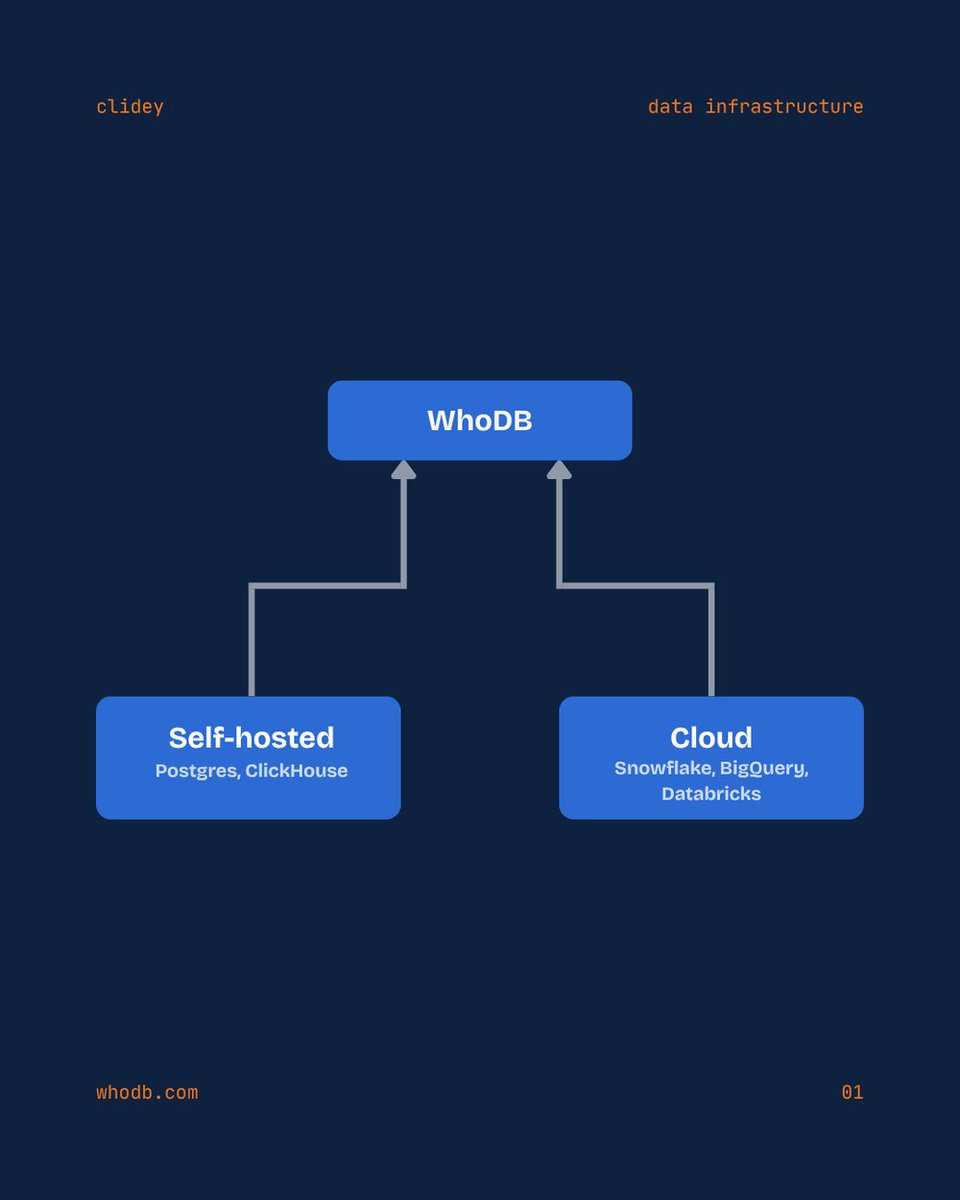
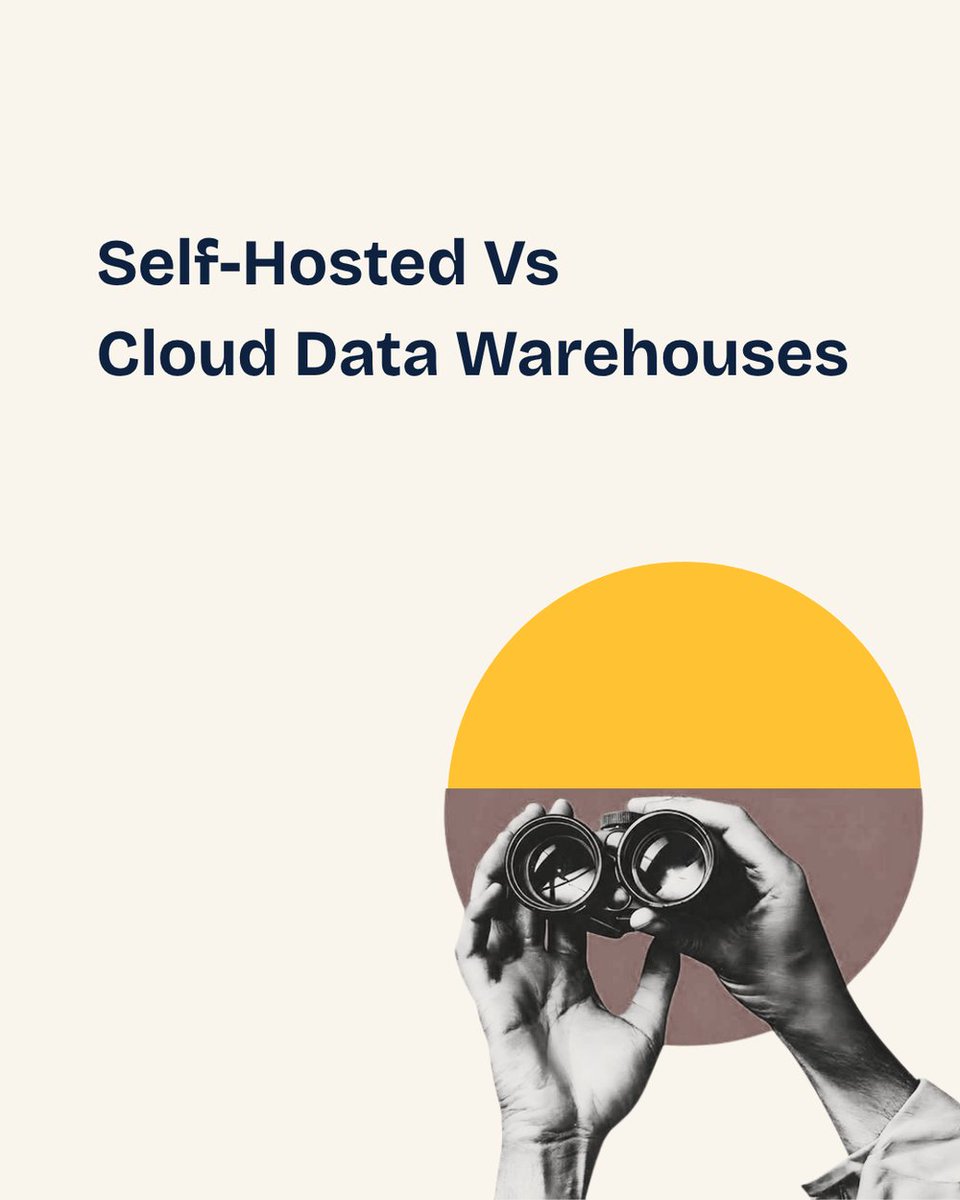
Self-hosted or cloud data warehouse? What does your team actually run on?
1. Self-hosted, full control
2. Cloud, someone else's problem
3. A mix of both
4. Honestly? Still deciding
Check the comments for the full breakdown, and explore WhoDB at https://t.co/1WhgtdpEnS
Self-hosted or cloud data warehouse?
Most teams treat it like a fixed choice, but it really comes down to cost, control, and compliance trade-offs that your team can actually live with.
Explore https://t.co/1WhgtdpEnS and check the comments for the full breakdown.
What happens after you have all the entities?
You can connect them into a complete retail ontology and see how products, customers, orders, payments, shipments, returns, and inventory fit together.
Here’s how it all comes together with WhoDB AI.
Check the comments for the full video
Your data shouldn’t live in silos.
WhoDB federates your data into one connected layer, giving you a single source of truth—and a foundation to build applications on top of it.
We built Enterprise Chat on this layer.
Check the comments for the full breakdown.
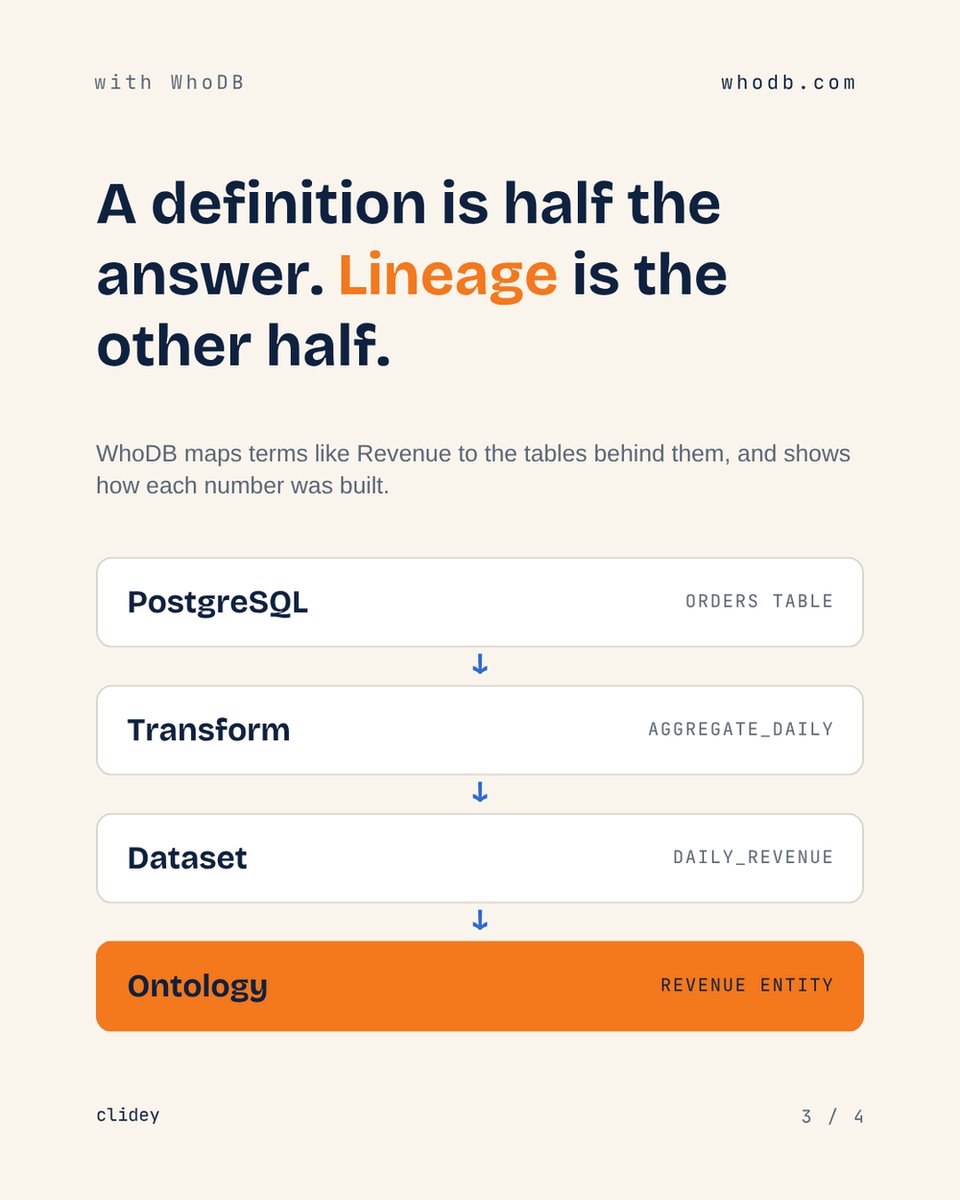
Data lineage isn't the same as an architecture diagram. An architecture diagram shows which systems connect. Data lineage shows which exact field fed which exact output.
That difference matters the moment something breaks. Without it, tracing a bad number means reading old SQL and hoping someone remembers what changed.
We wrote about what lineage actually tracks and why it matters for governance and PII.
Check the comments for the full breakdown.