Pedi pro Claude Fable 5.2 um Uno Mille 96 com escada no teto, num circuito de corrida, num arquivo HTML só.
7 horas depois: 603 KB, sem engine, sem biblioteca 3D, sem textura.
Carro, mata, céu e o ronco do motor 1.0 saem do código.
Roda no navegador.
For a thousand years, Japanese villagers treated their misty cedar mountains as sacred.
Today, corporate developers are bulldozing those steep ancient forests down to raw mud and paving them with black solar panels.
They call destroying a living forest "saving the planet."
Here is the part that makes ordinary Japanese families furious.
First, shaving trees off steep mountain slopes strips away the roots that hold heavy typhoon rain, leaving quiet villages below terrified of deadly mudslides.
Second, guess who is forced to fund the subsidies for those developers.
Every Japanese household, right on their monthly electric bill.
In 2026, Japan's mandatory "renewable energy surcharge" hit an all-time record high of 4.18 yen per kilowatt-hour, costing a typical family roughly $130 a year on top of soaring power bills.
Working families pay mandatory surcharges on their electric bills so speculators can chainsaw Japan's sacred mountains right above their roofs.
This is really eye-opening. China used more coal in just four years than the entire world did in the coal-heavy 19th century. Yep, your read that right.
Can someone please explain why countries like the UK or Germany sacrificed their economies for Net Zero? It doesn’t help the climate. High energy prices moved production to coal-fueled Asia, where the same products cause more emissions. A car built and shipped from China to Europe causes about 70% more emissions than one built in Germany, cement twice as much.
What’s the point of spending hundreds of billions on the “green” energy transition, decimating your industry and well-paid jobs, only to cause more, not less, global emissions? Does this make any sense to you?
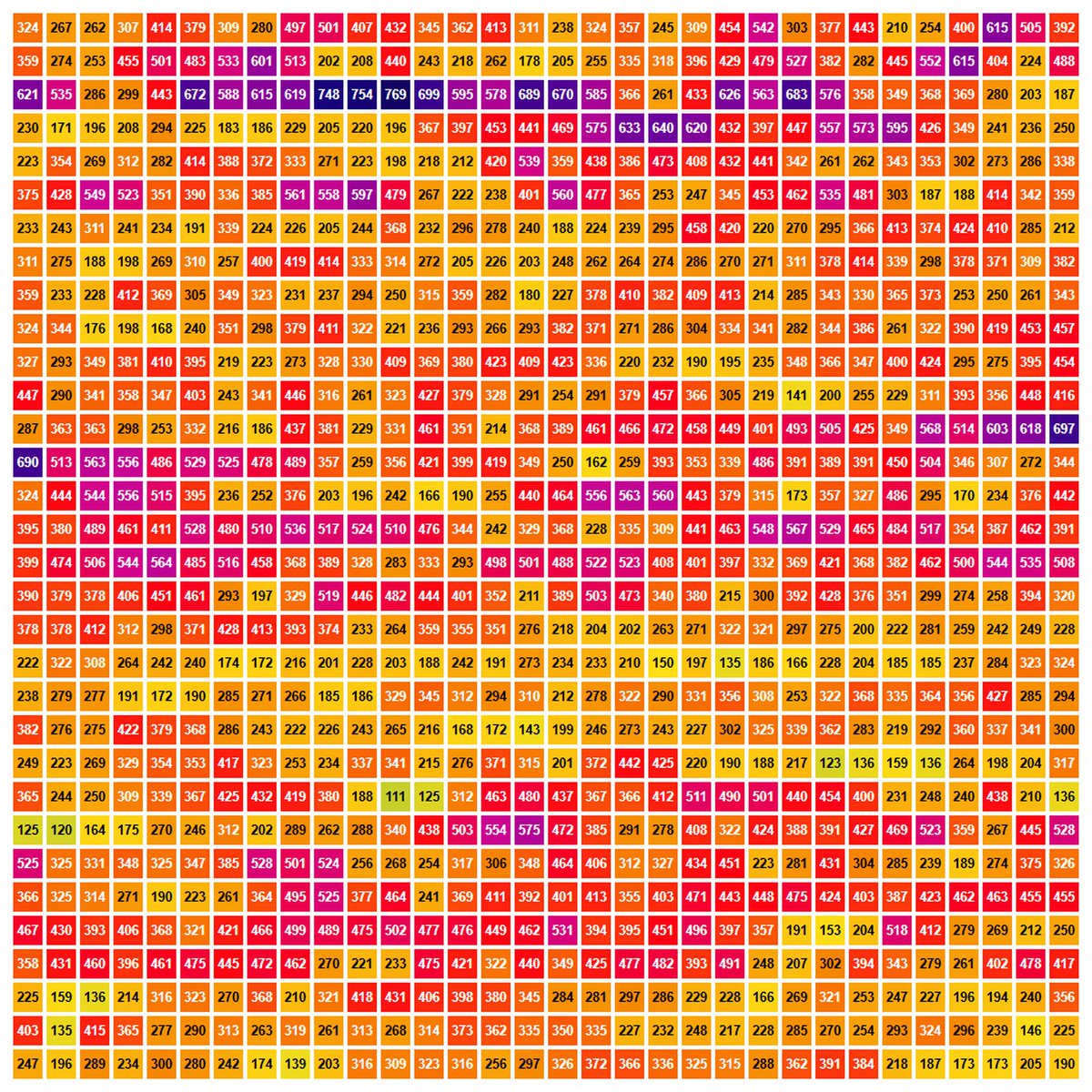
Comparaison des émissions de 🏭CO2 en g/kWh pour la consommation ⚡️électrique entre la 🇫🇷France et l'🇩🇪Allemagne durant les 1024 derniers jours (18/09/23-07/07/26).
Sur cette période, l'🇩🇪Allemagne fait en moyenne 345.85 quand la 🇫🇷France fait 31.59, soit 10.95 fois moins.
Données @ElectricityMaps
#stats