MONEY AND HOW IT GETS THAT WAY
A few months ago, during my hospital stay, a new friend gifted me two bottles of wine. I had known this friend was rich, and so when he left, Isabella and I looked up at value of the wine. Each bottle, it turned out, was worth almost a thousand pounds. Once we had seen this, it made it impossible for us to drink the wine; Isabella suggested that we might sell them, but in the end we shoved them in the bottom of a cupboard, waiting for what we called a ‘special occasion.’ God knows what that would be, unless I were to win the Nobel Prize, which is unlikely. We wondered whether a thousand-pound bottle of wine would taste much different to the usual Tesco shit we drink.
As people do these days, we then looked up our friend’s net worth on the internet, and were amazed to see he had half-a-billion quid. Inevitably, it changed our view of him, and we wondered if it were better not to look people up on the internet. Our opinion of him had been corrupted. We were now in awe of him. After all, to have accumulated such riches, he must have some special qualities. He is charming and clever, but then so are a lot of people, and we found ourselves trying to X-ray him.
We have another friend, known for his acuity, taste and intelligence, who now lives in a run-down block, and exists entirely off his government pension. Would we consider him a loser, since he has been unable to secure a reasonable standard of living in his old age, while our other friend has tens of millions? Financial status can have a profound effect on everyday relationships; you may find yourself imbuing your wealthy friend’s most inane statements with a deep wisdom.
My father was a minor civil servant in the Pakistan embassy, and he a bought our small house in a London suburb, Bromley, with help from my mother’s parents, who lived with us. We were always strapped for cash, but we had a decent standard of living; with a car, central heating, a washing machine, a large garden, two kids and a dog. Sometimes my mum took what she called, “little jobs” working in a factory or a shoe shop or painting toy soldiers. But a job was a job then, it wasn’t a career or a profession, and it would never make you rich. As an immigrant from India, Dad liked to tell us every day that we should appreciate what was in front of us; free education, dentistry, healthcare, and property was relatively cheap. The U.K was one of the richest countries in the world because of the empire. The welfare state meant we didn’t want for much, it was really a socialistic society.
When I left home in the mid-seventies for London - the city of the Sex Pistols and The Clash – it was rough and poor, and I lived, for ten years, in a housing co-op flat with a rent of twenty quid a week, next to four railway lines. We furnished the place with stuff we found in skips and jumble sales. We bought our clothes, books, and albums from second hand shops. We stole cutlery from restaurants, from which we would often abscond after eating, and we shoplifted. My school friends and the people I moved with all worked in the arts as photographers, musicians, actors, writers, and so on. We loved our work, but it never occurred to any of us that we would become wealthy or even make much of a living out of what we did. Money was never an animating force; it wasn’t in our lexicon, it was never a possibility.
What motivated us was our work and sex. We were a liberated generation, free, we believed, of hundreds of years of hiding and repression, and we wanted to fuck more than we coveted material things. The only rich people we were aware of were aristocrats who had inherited property and land. Then there were the nouveau rich models, actors and popstars, but even they had trouble holding on to money. They were admired for their creativity and originality rather than their ability to get rich. Growing up, even if you were to come into some money, there was only so much you could buy. There wasn’t so much “stuff” around.
For my three sons, things are different. According to Carlo, everything now has been monetised, a process that began with Thatcher and Reagan. Unlike me, my sons are privately educated. But being privately educated in my day meant becoming a doctor, or a bank manager, or an officer in the army. Prestigious jobs, but they wouldn’t make you rich. Some of my sons’ school friends have gone into the financial sector, and have earned huge amounts of money. Globalisation has reached it’s apex with the internet, where people can buy and sell things around the globe, and young content creators can become rich and famous quickly. Envy is central to our culture. People want to create envy in others, and we enjoy being envious, fantasies can be stimulating. Others teach you what to desire.
Being disabled, if you are to live well, is expensive. By necessity, I have become an employer of physios and carers, and builders to renovate my house. Some of the people I met at hospital who weren’t able to pay for these things have been shunted, some at a young age, into care homes, where they will receive little support. Disablement reconfigures your relation to money; you don’t want what you wanted before, and the new things you do want, or rather need, are wildly expensive. But if you don’t have them, your quality-of-life collapses.
For now, in my cupboard, I have two expensive bottles of wine, which I should drink before it is too late, but it will be through a straw.
Sadie Schreiner, male competing with the women, won the women's 200 & 400m today at the Liberty League championship meet. He broke the 400m women's record in the process
He would've finished last amongst the other boys by 2 full seconds
This is exactly why we're suing the @NCAA
This is utterly brilliant. A student accuses @jk_rowling of being transphobic. This teacher skilfully dissects the claim and challenges it by asking questions.
He teaches not what to think, but how to think critically.
Watch until the end.
You see the epiphany in real-time.
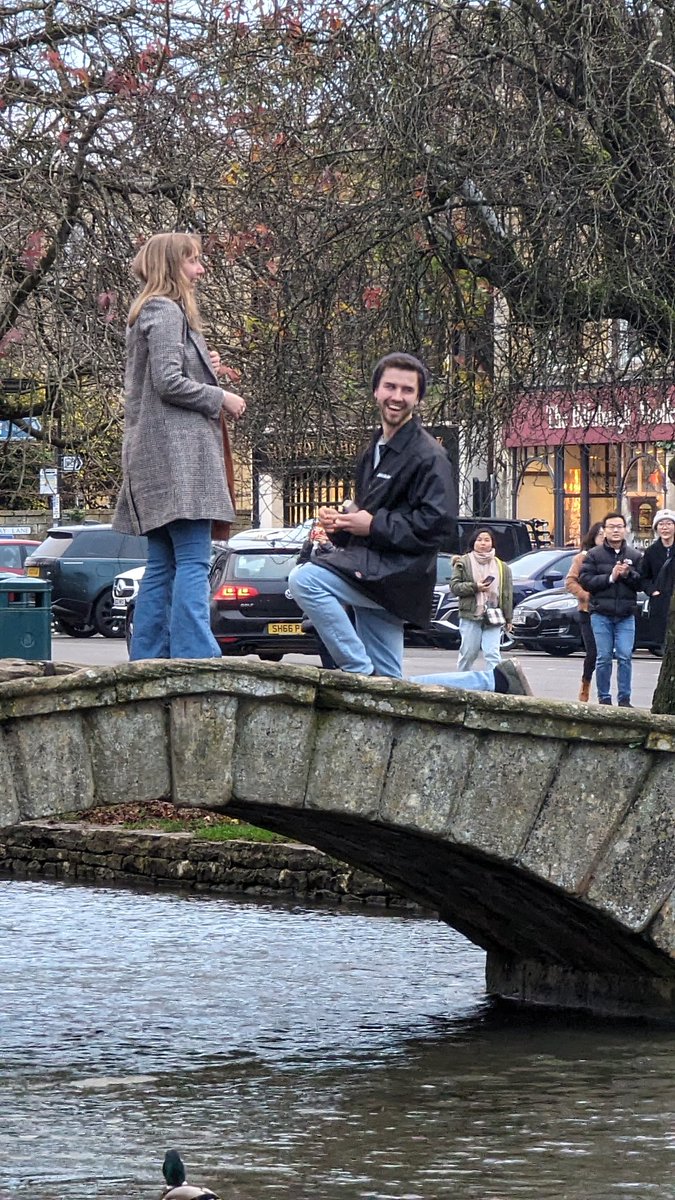
If anyone knows this couple please let them know I have some pictures of the marriage proposal which took place, today around 3pm in Bourton on the Water. I was too late and lost sight of them before I could reach them.
This is magnificent. Sinead O’Connor’s 2013 open letter in response to Miley Cyrus saying the video for Wrecking Ball was inspired by O’Connor https://t.co/wf02sZGnAY
Last year, working in Ireland, having a pint in the cold outside a Dalkey pub with some new friends, a woman with purpose strode past us. Puffy parker zipped to the nape and her bowed head covered in a scarf. One of my new friends muttered an exclamation, jumped up
How do we get young girls in particular but all kids, away for their smart phones & doing sport. Exercise is so terribly important for mental health as well as physically of course. Getting habits as kids we then have for a lifetime. Building personal confidence not reliant of ‘like’ or ‘follows’. Increased mental health issues & self harm can be shown to have grown parallel to more ‘on line’ life! Got to get kids living in the ‘here & now’ interacting with people not gadgets.
Happy birthday, BW! So glad we could celebrate you today. Love you and love our family.
Thank you to everyone for the love and warm wishes - we all feel them.
35 years ago @chilipeppers finished their first European tour that was a big success. During the tour the band appeared at one of their first TV shows - "Bingo". Due to the rules they had to use playback, but early Peppers always turned it to the mad show
A very lovely and poignant photo posted by Demi Moore on Instagram of Bruce Willis, who has Frontotemporal Dementia, - which is what my dad had. It’s a terrible disease but it’s very impressive the way his family and others around him are dealing with it.
I knew that a female surfer had announced a plan to boycott the WSL tour over its policy of allowing men with gender feels to surf in the women's category, but I didn't know it was THAT female surfer! 1/2
12 "If, then" algorithms that will change your life:
1. If you're pursuing a goal, then avoid telling people. It releases cheap dopamine and tricks your brain into thinking you've already achieved it (lowering motivation). Move in silence.
The Door Opens
Another shitty night. One of the worst. I went to sleep at eight o’clock after taking my medication and by one o’clock I was wide awake. Not only that, my head had become jammed down the side of the bed.