Super cool work with the amazingly looking Neotropical Pipa frogs! They are more diverse than previously thought and make super interesting systems to understand the evolution of phenotypical features in frogs 🐸
Our paper on phylogenomics of South American Liolaemus lizards is out now in Systematic Biology. We show that fast radiation and extreme levels of reticulation hamper the reconstruction of their evolution. https://t.co/JhvX4u1eOj
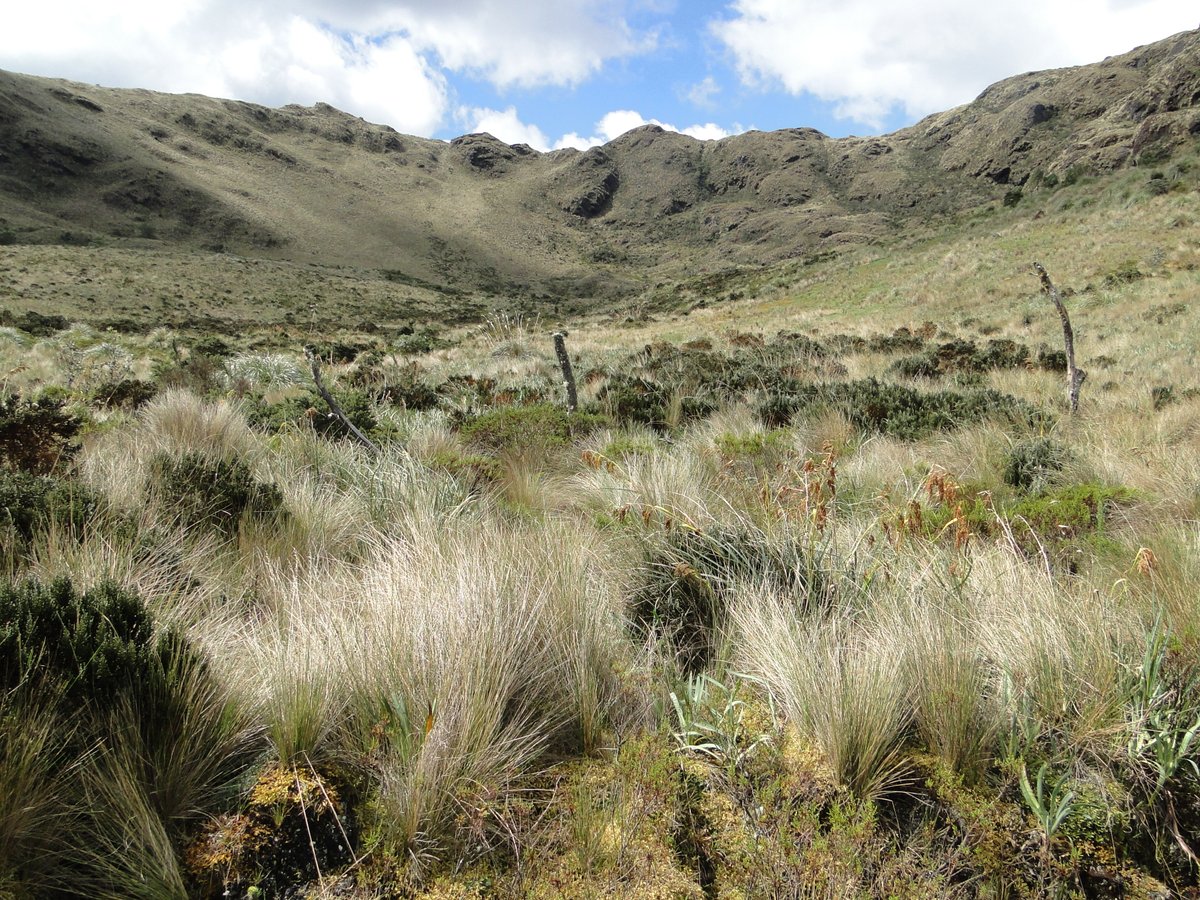
Nuevo articulo publicado ayer! Donde describimos dos nuevas especies de ranas marsupiales. Gastrotheca flavodactyla y G. trachyplevra ambas de los pajonales altoandinos del norte de Perú. #biodiversity#taxonomy#Ciencia https://t.co/JQbo6W7XPB
Evolutionary analyses of visual opsin genes in #frogs and #toads: Diversity, duplication, and positive selection —out in @WileyEcolEvol https://t.co/m6GpCzQYn1
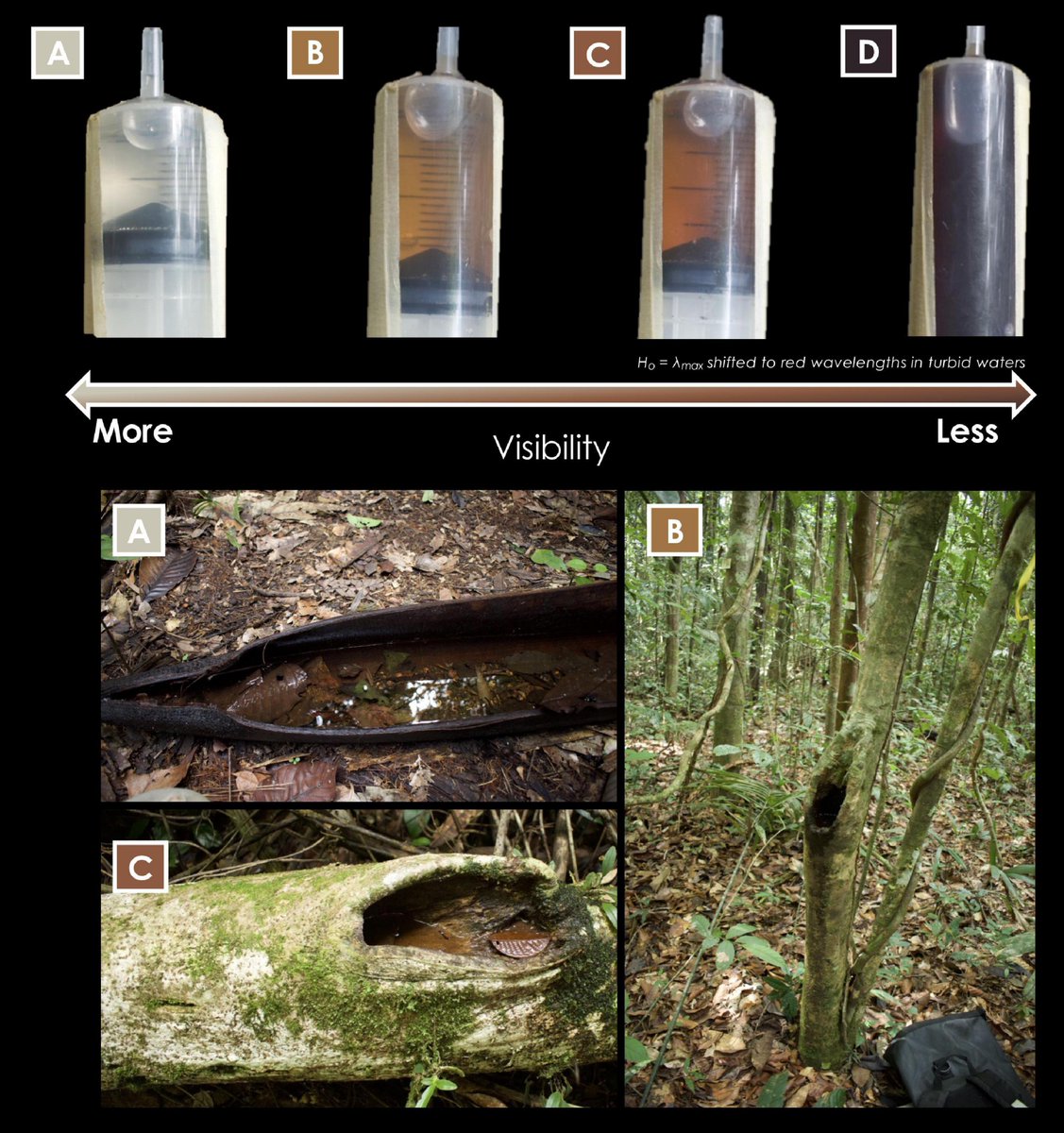
Here's our take on "#Tadpole responses to environments with limited visibility: what we (don’t) know and perspectives for a sharper future", finally out in @FrontEcolEvol SI: Vision in Limited Visibility @ChloeFouilloux@Caro_Yova@KLIVVWien@jyuscience https://t.co/stibs9w3SO
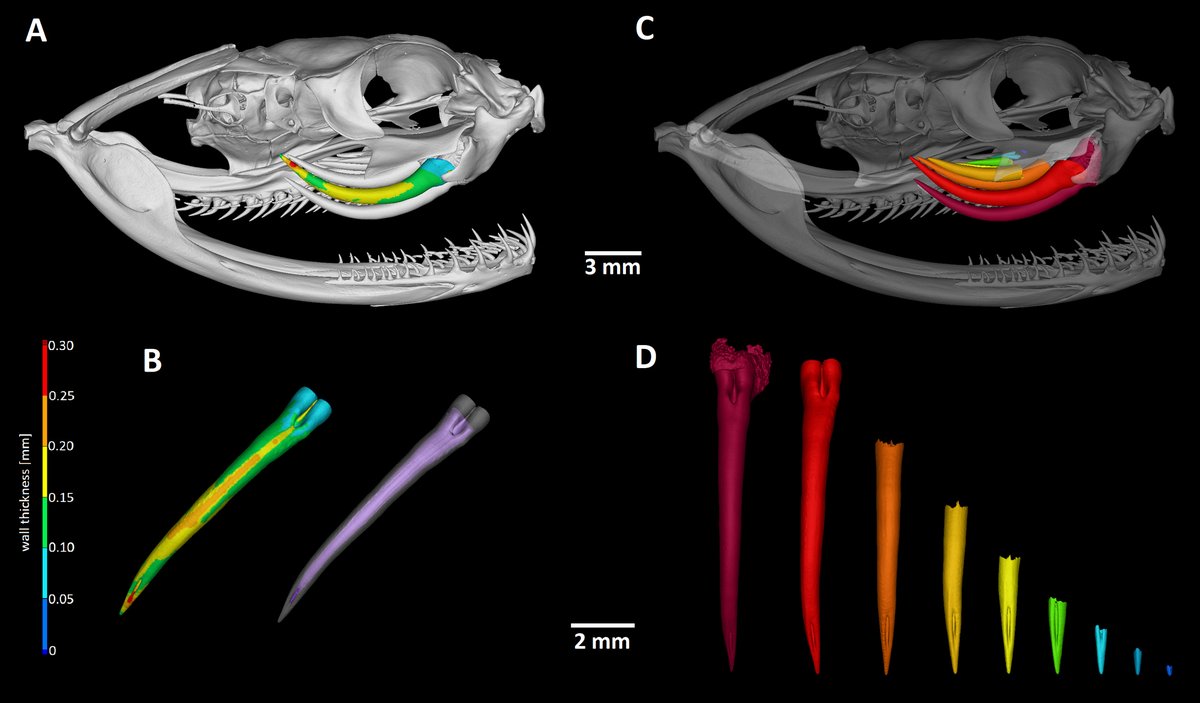
Our dataset with X-ray microtomography imaging of different types of dentitions in selected reptile species is now publicly available at GigaScience https://t.co/ERXbVzSxTZ. Thanks @MisaKavkova and Kaiserlab for cooperation. One rainbow for @garethjfraser 😊
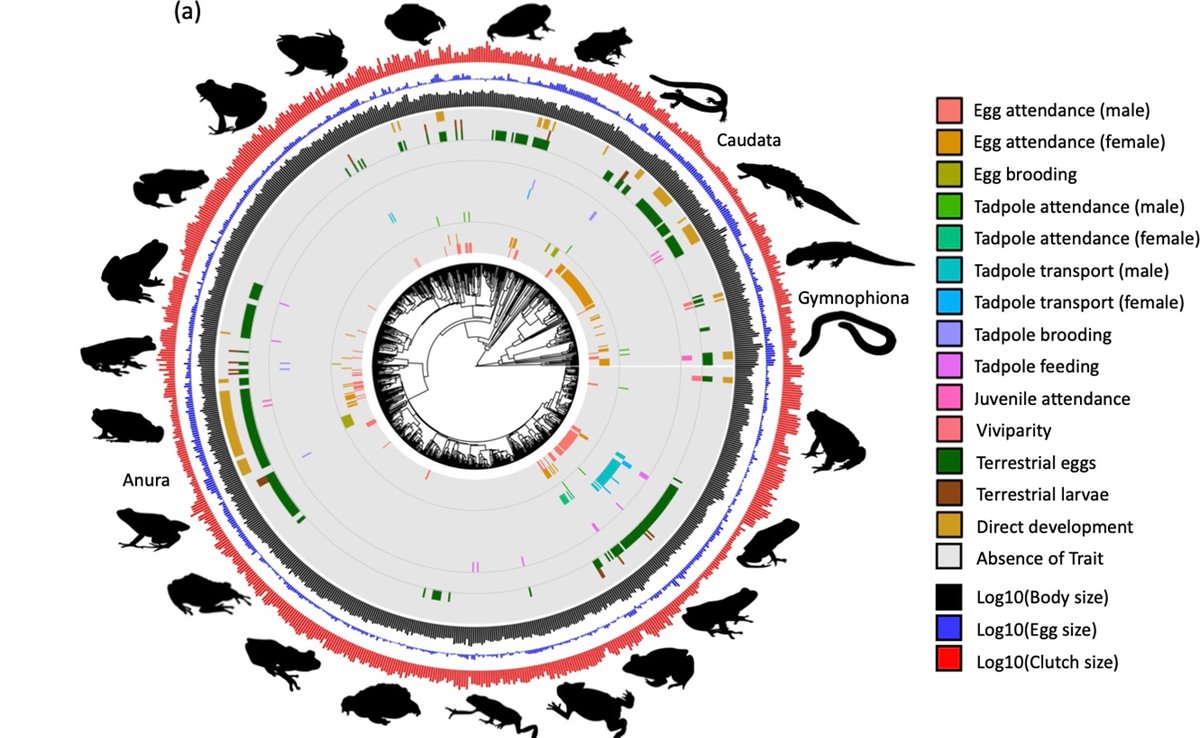
“Terrestrial reproduction and #parentacare drive rapid evolution in the trade-off between offspring size and number across #amphibians” New in @PLOSBiology 10.1371/journal.pbio.3001495
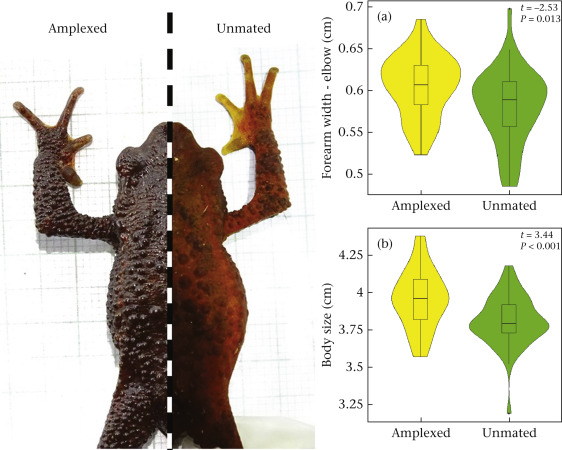
Que suuuuene la tambora 🎊 🥳... El Caribe colombiano en la revista más influyente de comportamiento animal. Estudiamos, por primera vez, cómo los abrazos nupciales (amplexos) de las ranas arlequín han evolucionado para durar meses!! 💪🏻🐸💕 @CrawfordAJ
💯 Boccia et al. descubren como las lagartijas Anolis 🦎 pueden respirar bajo el agua.
🔸️Tres especies de Anolis re-inhalando bajo el agua:
1. Anolis aquaticus de Costa Rica.
2. Anolis lynchi de Bilsa, Ecuador.
3. Anolis maculigula de Colombia.
📘
https://t.co/WdhAzBmLvV
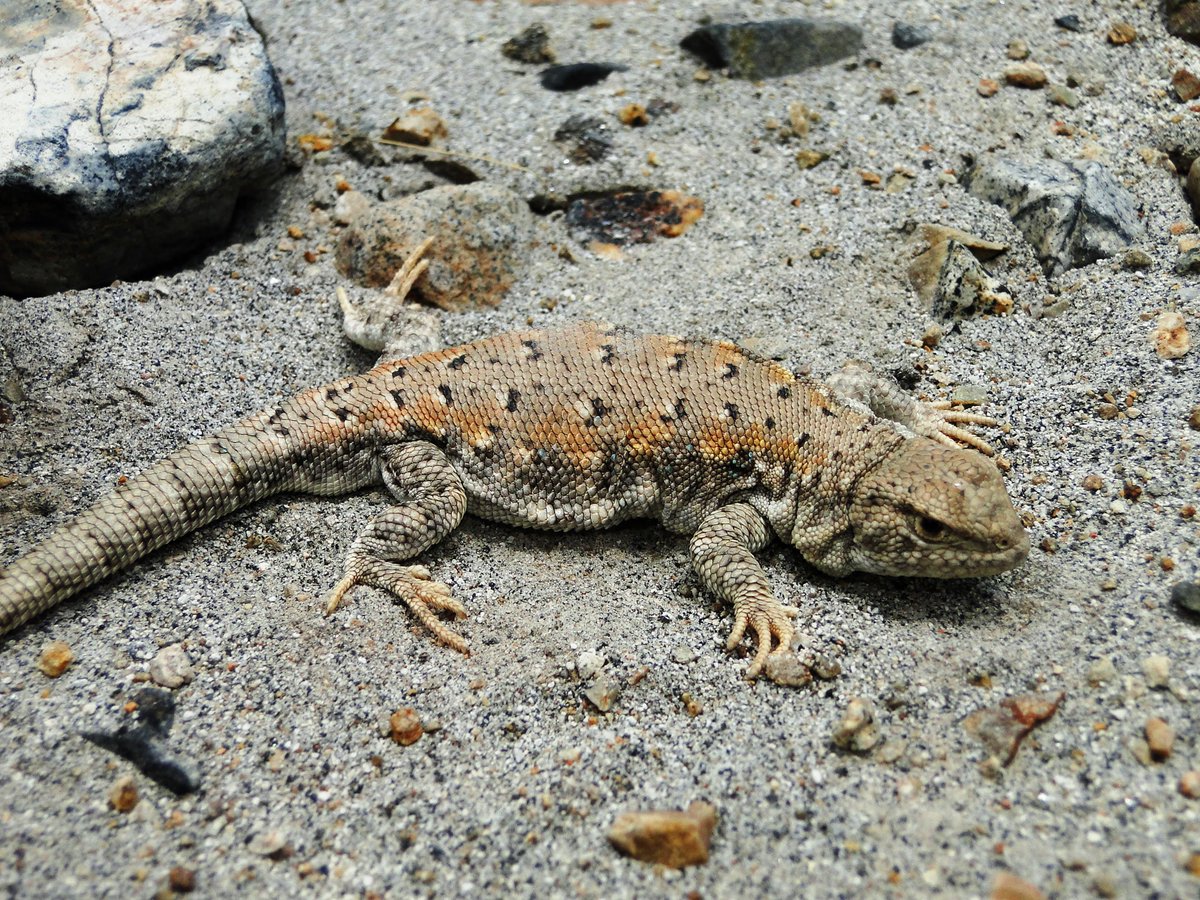
Aarón et al. 2021. describieron recientemente una nueva especie endémica para Perú (Liolaemus yarabamba); descubierta a 2510 m.s.n.m. en el distrito de Yarabamba, provincia de Arequipa, departamento de Arequipa.
https://t.co/VsWiTBByH7
¿Qué es herpetología?
El IPH tiene en su nombre una palabra muy curiosa: "herpetología", que es la rama de la ciencia en la que desarrollamos nuestras investigaciones.
¡Acompáñanos a saber qué es!
#ciencia#science#herpetology#peru#conservation