Counting down to Starship's eighth flight test. Weather looks favorable at the pad and the 60-minute launch window opens at 5:30 p.m. CT → https://t.co/alyJTRtOIP
The seventh flight test of Starship ended before reaching its ambitious goals. Lessons learned are being applied to future vehicles to make them more reliable. A technical summary of the investigation can be found here → https://t.co/bPVruJ0uY7
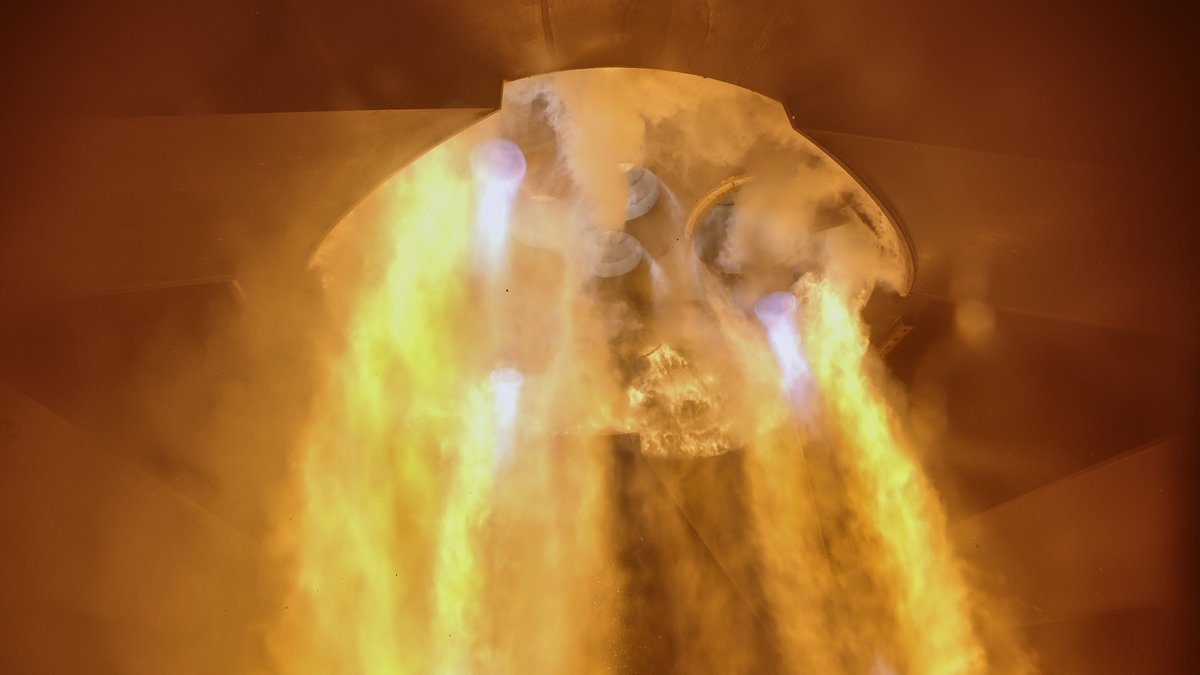
The extended firing tested new hardware and cycled the six Raptor engines through multiple thrust levels to recreate different conditions seen within the propulsion system during flight. Data from the test will inform upgrades to the ship’s hardware and flight profile ahead of the next launch
I keep talking about the Apollo program and how we know we went to the moon... but fun fact, my friend
@TJ_Cooney can send YOU to the moon!!! (Well, kind of). Upload your photos onto his SD card that will go to the moon on @astrobotic's next lunar lander! https://t.co/x6tPljqlgi
After flying to a peak altitude of ~90km, traveling more than 60 km downrange from Starbase, and completing its boostback burn and coast, Super Heavy ignited its landing burn less than 40 meters away from the preflight target.
The Raptor engines and booster guidance system precisely maneuvered the vehicle through the highest wind speeds yet for a Super Heavy landing burn.
Upgrades to the chopstick controls enabled them to start wider and move earlier for catch, expanding the envelope for booster landing burn trajectories.
The first Starship flight test of 2025 flew with ambitious goals, and it served as a reminder that development testing, by definition, can be unpredictable → https://t.co/QNCSPTewLA