As MPs consider whether to bring back the Bill for Assisted Dying that fell in the last session - spare a thought for the people who actually care for the dying. Prospect Hospice near Swindon in my constituency is running at half its potential capacity, with 6 beds open rather than 12, meaning they turn away 6 dying people per week. Patients are ending their lives in corridors in Great Western Hospital, 4 miles away, because of a failure to fund end of life care.
Meanwhile over in Devizes Julia’s House, a hospice for the most seriously ill children - including terminally - is scrabbling for money to keep open. The most moving visit I’ve paid as an MP was to Julia’s House: a truly wonderful place, full of sadness and goodness. Yet they only get 8% of their income from the government.
Hospices (a British invention) are the best institutions in the world. It’s great they attract so much philanthropy - long may it continue - but they deliver a service that is clearly healthcare, and the NHS is legally obliged to fund it; but it doesn’t, because there is no definition of what ‘it’ is. The government urgently needs to bring forward minimum standards that local health commissioners must follow in meeting their obligations to fund palliative care.
How about introducing a Private Members Bill to provide equitable access to palliative care across England and Wales? Rather than starting with a Private Members Bill for Assisted Dying? The sequence would be hugely important, given that so many cannot access basic care.
Over 300 dying people in the UK
Every day
cannot get the choice of specialist palliative care.
That is the democratic commitment to dying people
MPs should be fulfilling.
Not the cheap option of an assisted death.
Have now listened. Bizarre remarks from Hannah Spencer, claiming the peers scrutinising the assisted dying bill weren’t experts:
“How do we know the expertise when people didn’t assess who was going in there? Who decided that people were experts who went in there?”
Here is how:
📉 At last week's elections, “assisted dying” champions Keir Starmer and Kim Leadbeater's party went from being the biggest on Leadbeater's local authority to having no seats at all.
📈 A reminder of public priorities: 67% want “high-quality hospice and/or #palliativecare… universally available before any #assistedsuicide laws are passed.” (Just 1-in-6 disagree.)
📊 Recent polling suggested that more MPs would oppose the Leadbeater Bill if revived in the new Parliamentary session than could be relied upon to back it.
https://t.co/hEJgWGAaUC
https://t.co/cEZfzKqiPy
https://t.co/EQmPZ1n6h1
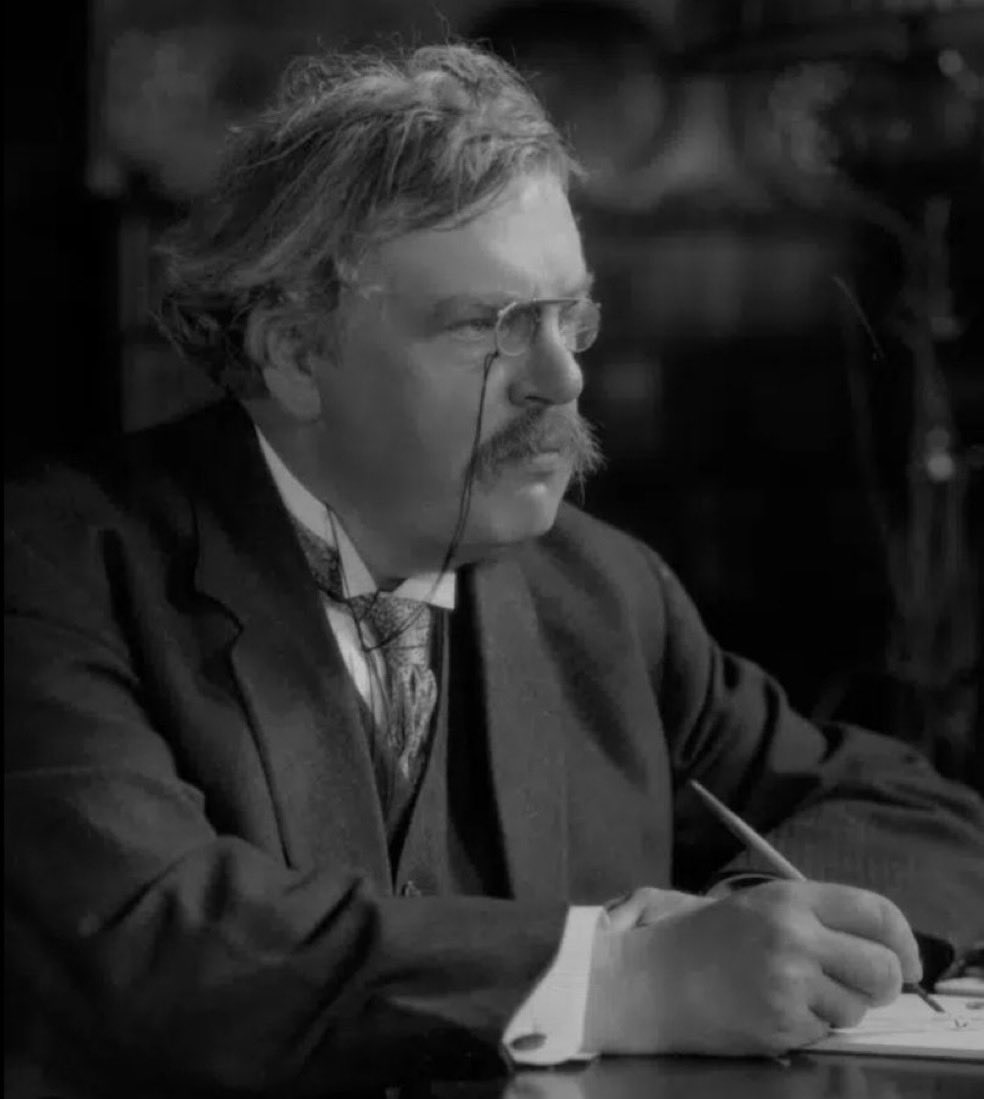
Fairy tales do not tell children the dragons exist. Children already know that dragons exist. Fairy tales tell children the dragons can be killed.
- GK Chesterton
It is staggering that the TIA Bill’s sponsors - not to mention supporting MPs - want to push this flawed Bill through using the Parliament Acts.
If this happens, we will essentially have devolved the serious task of legislating to a well-funded single-issue campaign group 🤦♀️
Fully fund Specialist Palliative Care provided by hospices -
Hospices provide vital care yet are dependent on fundraising.
Please consider signing this petition: https://t.co/yf2EtC4Ggr
It's astounding how many Canadians on social media will swear that assisted dying is only for those who are "dying", when five years ago Parliament passed a law to expand MAID to disabled people who are not at the end of life.
A reminder that opponents of assisted suicide are not:
pro suffering
evil or the devil or cruel
selfish or indifferent
lacking experience in pain, illness or death
without compassion
inevitably religious
uninformed
As a disabled woman, here's why I oppose
https://t.co/sMn5xTP0uS
1. The dark heart of the bill and the essence of the whole debate. Lord Harper puts Lord Falconer on the spot:
“Is he really saying that he’s OK with poor people ending their lives with the assistance of others *because they’re poor?*”
Falconer: “I’m saying it’s their choice.”
Falconer wants to create a misleading narrative that a small number of Peers have blocked the Bill. In reality, over 130 Peers have spoken against or signed amendments expressing concerns with the deeply flawed Bill, which was passed to the Lords with significant holes. 2/
HM Government have rejected the Manx AD bill on human rights bases. The exact same concerns apply to the English one… which is why thorough legislative scrutiny in the Lords was so important.
Yes, yes, all quite compelling!
Royal colleges couldn't support this Bill, no disability rights organisation nor a host of legal & end of life experts...
but most importantly the Bill's sponsor said @SkyNews
"I reject the assertion that there is anything wrong with this Bill"
No - the root cause of failure to legalise assisted dying is a Bill that is unsafe (as judged by Royal Colleges), a failure of the Bills sponsors to engage with these concerns, and a campaign driven by half-truths and spin (some of which is repeated in this Editorial).
The Westminster
Medically Assisted Dying bill
was drafted in little more than 3 weeks.
Its supporters have refused to fix its fundamental flaws.
Failure was inevitable.
Specialist palliative care improves patient quality of life, saves money and reduces pressure on hospital beds. These benefits apply to both hospital and community palliative care teams.
Invest short term and gain long term
https://t.co/ShJZ5Xw9CU
"For someone like me, who isn’t dying but often wants to, I need the law to protect me: from under-resourced systems, from clinicians afraid to talk about suicide and from myself on the days when I am convinced that dying is the answer.
That, to me, is compassion."