HealthyFoodAfrica (HFA) project titled ‘Improving nutrition in Africa by strengthening the diversity, sustainability, resilience and connectivity of food system
Chongwe is one of the largest suppliers of vegetables to Lusaka. However, access to markets is still a major challenge for smallholder farmers in Chongwe. Read how HealthyFoodAfrica is developing vegetable value chains in Chongwe. #H2020 https://t.co/IcAwCY46Ai
Countrymen, countrywomen and, especially, the Bazzukulu.
Greetings.
I was in Arusha yesterday for the EAC summit, where Somalia was admitted as the eighth country. The EAC now has a combined population of more than 300 million People and a land area of 2,104,210.82 Sq. miles. This is about 56% of the size of the territory of the USA.
Remember that the minimum target of economic integration is to deal with the prosperity of our People.
The question that the Post-independence leaders of Africa had to answer was: “Where does prosperity come from?” “Does it come from begging from other countries or even from the Governments of our respective countries?” The answer is: “No. Sustainable prosperity can only come from every adult to be engaged in producing a good or a service that he or she can sell, get income and address his or her prosperity issues!”
Government spending can deal with some aspects of social issues such as health, education, etc., but not all the issues of prosperity beyond putting in place an enabling atmosphere for wealth creation (peace, infrastructure, policy stimuli, etc.).
If all the adults engage in producing goods or services, then who buys those goods or services? Are the internal markets of our respective countries enough to support the sustainable prosperity of our People? The answer is that the internal markets are not enough because if internal markets of countries were enough, why would countries like China or India, each with 1.5bn People, still struggle to sell their products in other markets? Africans not addressing this issue is the highest form of okulambaala (nino, kwebaka, kugwejegyera, sleeping).
It is, therefore, a source of satisfaction that the NRM, right from 1986, started, in concert with our brothers of Kenya and Tanzania, initially, working on the restoration of the EAC which had collapsed in 1977 on account of the tensions caused by the coming to power of Idi Amin in Uganda in 1971.
It is, therefore, a great source of satisfaction to see how it has grown. I salute Mwalimu who was still alive but out of Government who supported us through the Mwalimu Nyerere Foundation.
I salute the Wazee Hassan Mwinyi, Arap Moi, Ben Mkapa, Mwai Kibaki, that helped in the resurrection of the nucleus of the EAC. Thereafter, the leaders of Rwanda, Burundi, South Sudan and DRC brought their countries into the EAC. I salute them.
Now Somalia has come in. Salutations to the Somali leaders and People. In 1968, both Somalia and Zambia, had applied to join the EAC. It was Amin’s coup in Uganda that interfered with those developments.
Food System Lab Accra, operated by @CSIR, focuses on promoting food safety and efficiency in food production to provide healthy protein rich foods to improve local diets. Read more about their work from their extensive blogs: https://t.co/gIIjguwv8V #H2020
Food System Lab in Kisumu, ran by @BiovIntCIAT_eng, focuses on diversifying nutritious food products and increasing incomes for urban poor. Get to know more about FSL Kisumu's work by getting familiar with their blogs: https://t.co/1reYvjioQZ #H2020
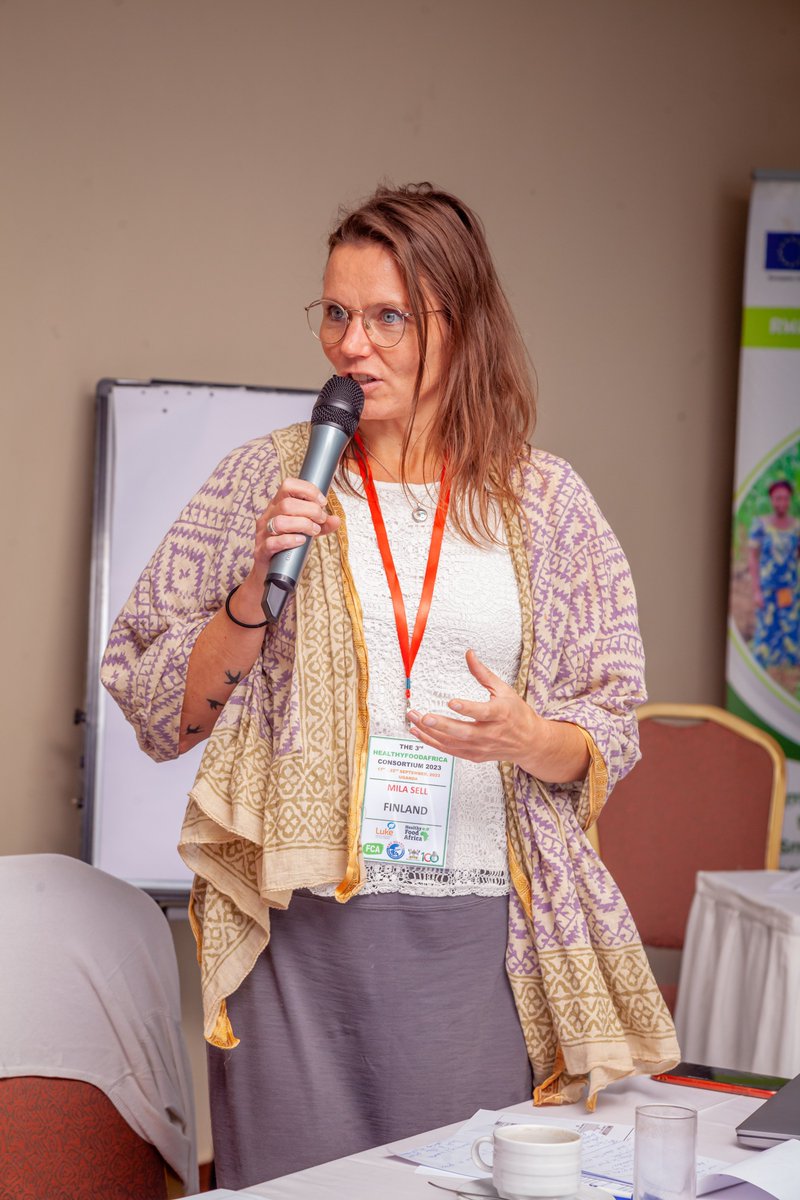
HealthyFoodAfrica and our coordinator @MilaSell are featured in @LukeFinlandInt article. Read about Mila's thoughts about European-African cooperation and our projects goals and results. #H2020
As a teacher, Happy teachers day to us!
Busy remembering some of my teachers
🥲My lower primary teachers, God bless you!
😉THERE IS THAT ONE MAN WHO CANED ME ALMOST TO DEATH, I FORGAVE YOU
😌There is the one headteacher that understood my problems in O-level, Hero you are!
Food System Lab Nairobi, ran by @aphrc, specializes in raising awareness, ensuring food safety and dietary diversity, and empowering local women and youth in urban slums. Gain more information about FSL Nairobi's work by reading their blogs: https://t.co/VzHdtwD3b6 #H2020
HealthyFoodAfrica focusing on integrating nutrition awareness activities into FoodSystemLabs work through collaborative actions with local stakeholders. @hfaconsortium
@HealthyFoodAfr making food systems in 10 African cities more sustainable, equitable & resilient through reconnecting food production and consumption. @MilaSell leading the discussion to envisionalize better food nutrition based on context of local food chain actors
@HealthyFoodAfr making food systems in 10 African cities more sustainable, equitable & resilient through reconnecting food production and consumption. @MilaSell leading the discussion to envisionalize better food nutrition based on context of local food chain actors
HealthyFoodAfrica primarily fosters an equitable multi-stakeholder approach to transform local food systems, through a structured participatory, transdisciplinary, co-creating and co-learning processes #WP1@HealthyFoodAfr@hfaconsortium
HealthyFoodAfrica promoting sustainable production of healthy and nutritious food products through resource-efficient, climate-resilient production systems – including crop, aquaculture and integrated systems #WP3@hfaconsortium
HealthyFoodAfrica’s WP5 strengthening innovative governance arrangements and market linkages among local food chain actors for sustainable, healthy, nutritious and affordable food products. @hfaconsortium@KRCUganda@fca_uganda@HealthyFoodAfr@MakCAES
HealthyFoodAfrica WP2 improving nutrition and mainstreaming healthy dietary patterns through increased awareness, and rapid yet sustainable transformation of consumption habits!
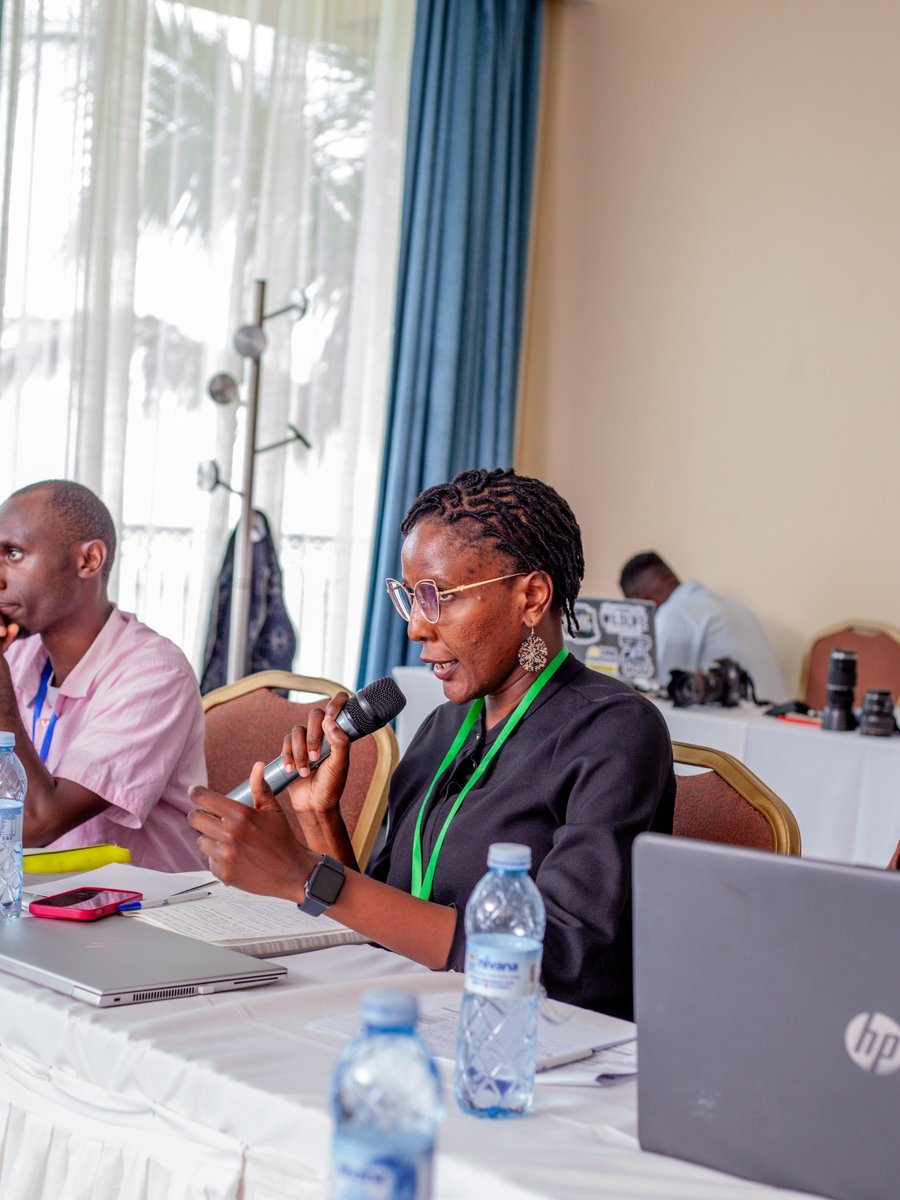
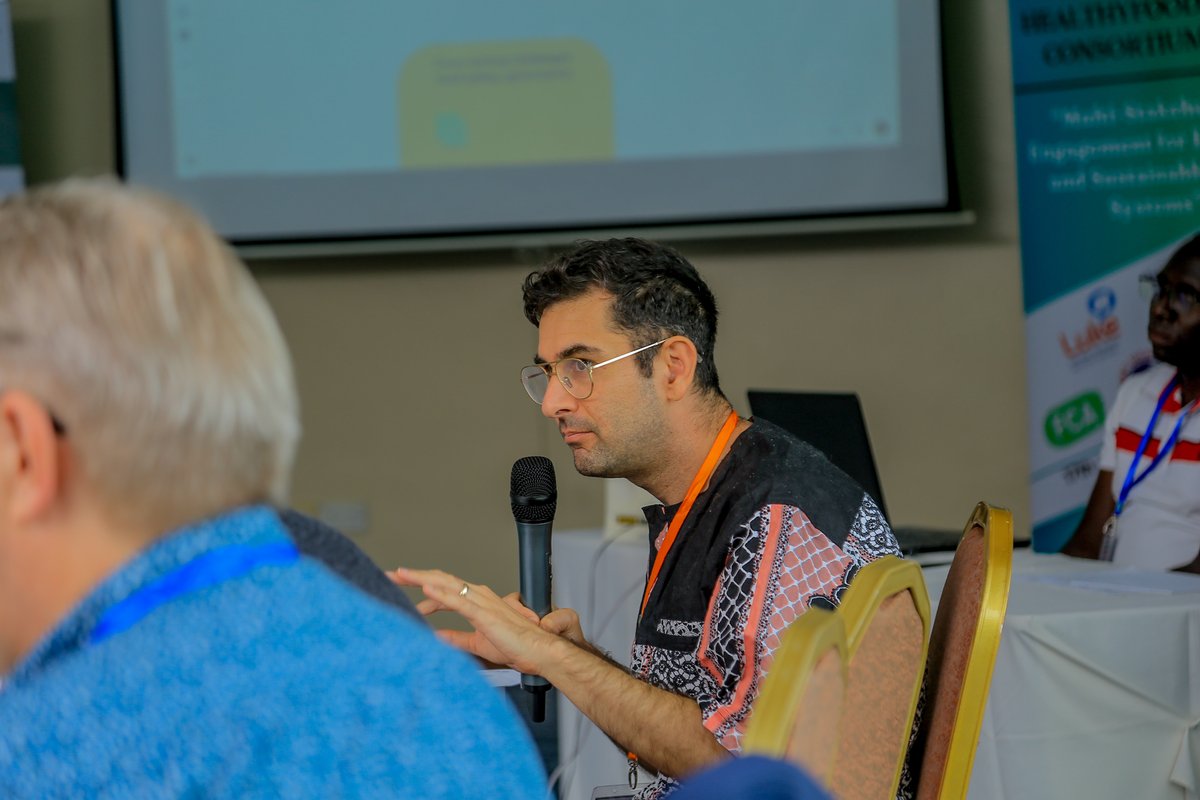
Areyou attending the HEALTHYFOODAFRICA Consortium Meetings? What is the most outstanding thing during the conference Why was it? Have your say by sharing your views. #hfaconsortium
HealthyFoodAfrica WP4 efforts aimed at increasing the efficiency of agri-food chains and improve food safety, through the development of innovative post-harvest innovations, new technologies and the minimization of food waste. Thanks to the Zambian Team @hfaconsortium