This #Meta-analysis looks at ketamine vs alternate induction agents and the haemodynamic stability of different agents during #intubation.
https://t.co/bGVzVvLe0c
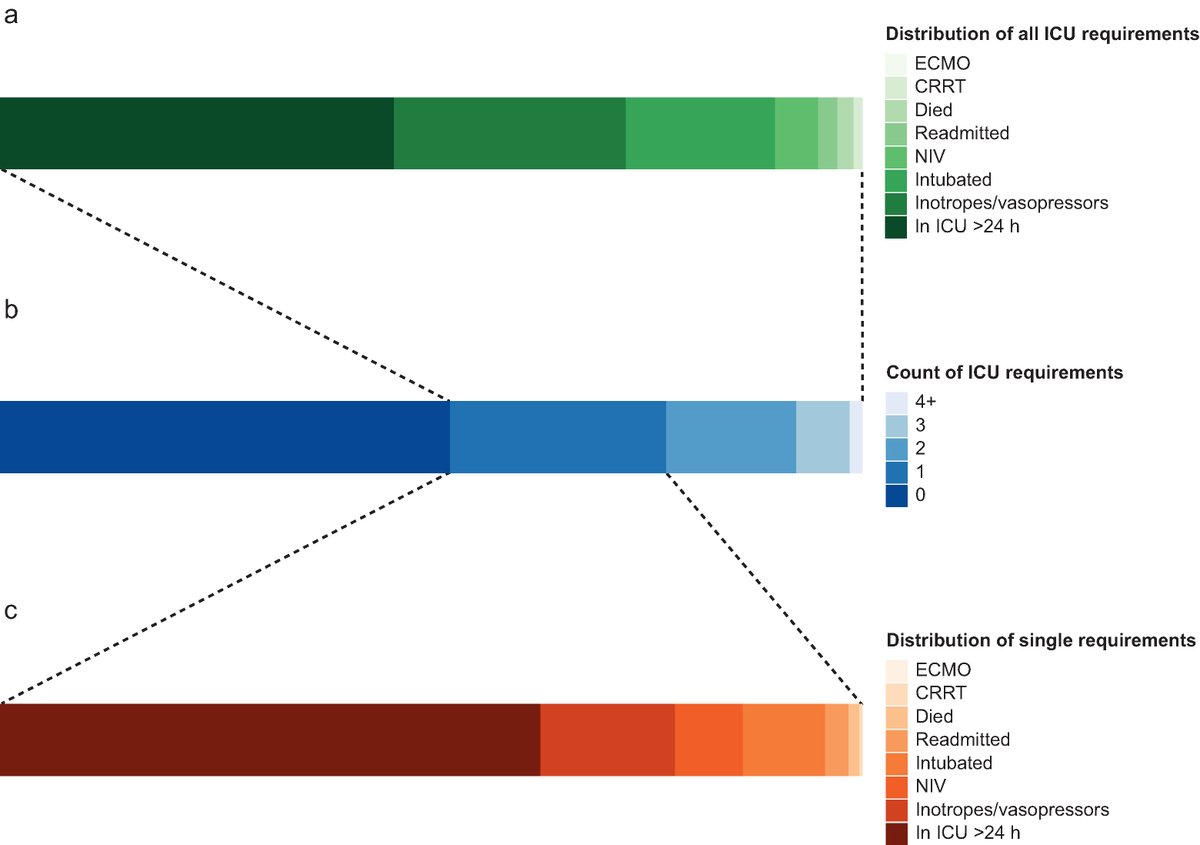
Interested in how we can better optimise resource utilisation and patient safety for planned ICU admissions following elective surgery?
This analysis by @hgmwalker89 and 𝗔𝗡𝗭𝗜𝗖𝗦 𝗖𝗢𝗥𝗘 of 75,000 patients shows which cohorts may be at increased risk of high resource intensity admissions.
𝗥𝗲𝗮𝗱 𝗶𝘁 𝗵𝗲𝗿𝗲: https://t.co/9XgBGZIQFA
This analysis of 75,000 patients shows which cohorts may be at increased risk of high resource intensity admissions. Read it here:
https://t.co/2IrrsMlOOC
@IntensiveDave@bja@anzics CORE
Patient with Stage V CKD, makes good volume of urine. For on-pump urgent CABG. Thoughts on AA infusion? Extrapolating evidence as excluded in protection trial, and likely poor renal functional reserve, or low risk and has potential to help. @BaiardoMartina@YukiKotani5
1/Do radiologists sound like they are speaking a different language when they talk about MRI?
T1 shortening what? T2 prolongation who?
Here’s a translation w/an introductory thread to MRI.
Q: How useful are mandated research projects in specialty medical training?
A: Not very. Our qualitative study of 7 medical colleges shows positive experiences rely on luck rather than intentionally structured learning.
Why are we still doing this? #MedEd
https://t.co/1coJ8GhKMY
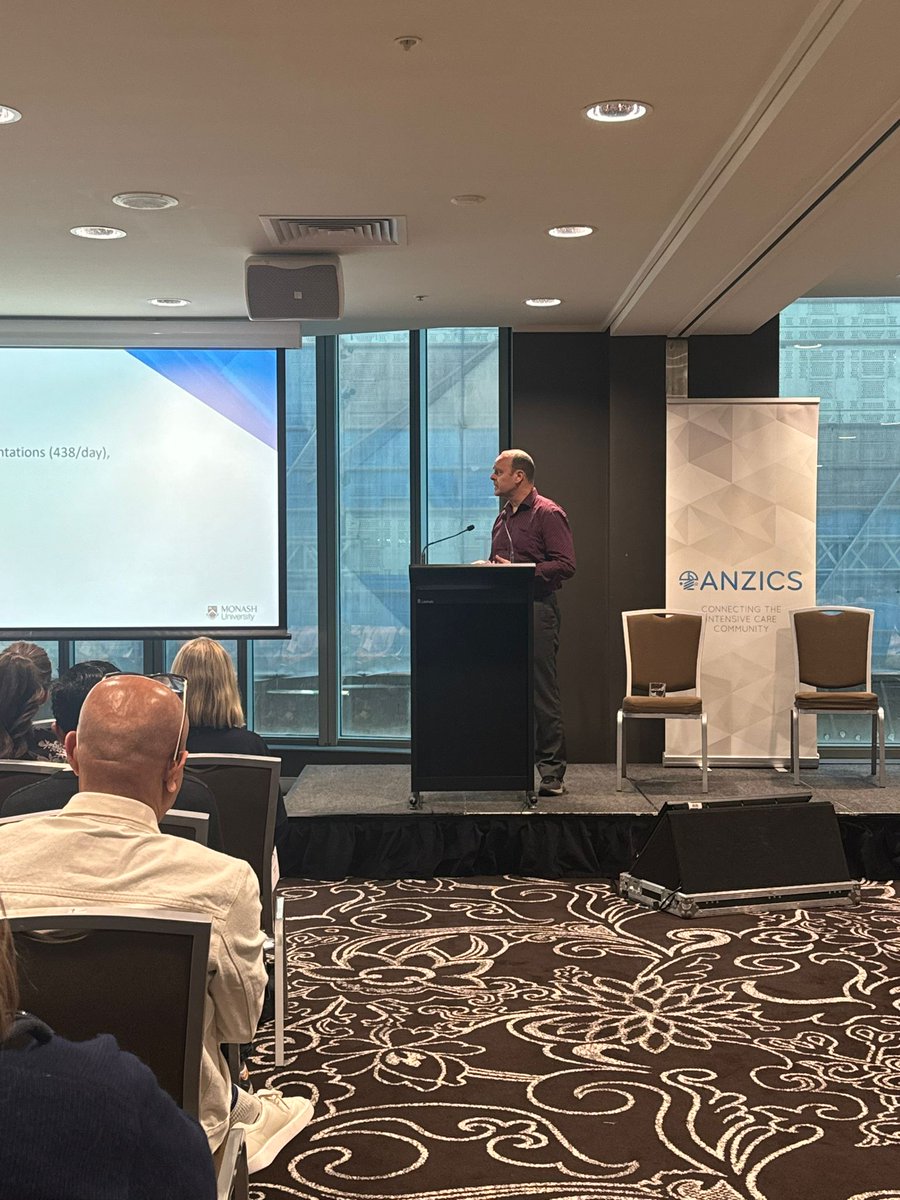
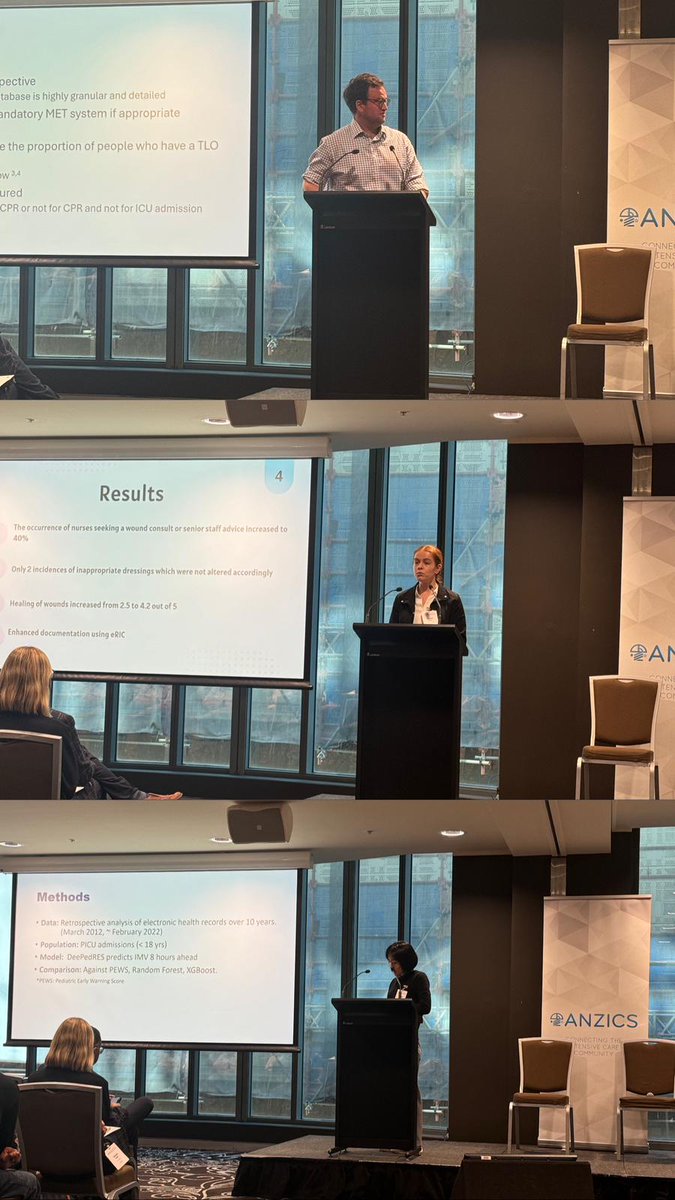
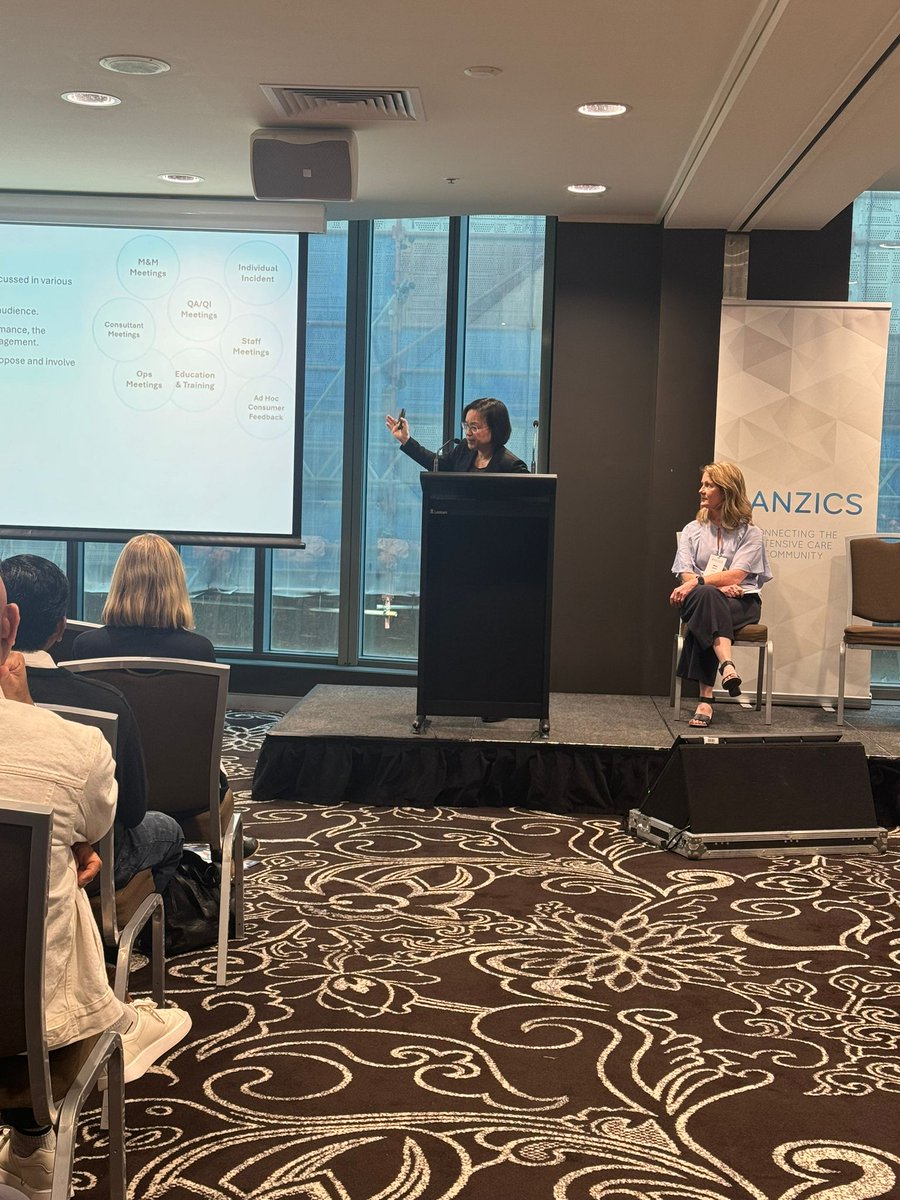
Day 1 Plenary 2 at the ANZICS Safety & Quality Conference 2024
Plenary 2 focused on sepsis, starting with a keynote from @jones_daza, Co-Deputy Director at Austin Health, followed by insightful talks from Steve McGloughlin, Director of ICU at Alfred Health, and concluding with Tina Xu, Deputy Director at Canberra Hospital, alongside Mary Nourse, ICU Research and Data Manager at ACT Health.
The session also highlighted exciting new research, including:
- George Walker on trends in Rapid Response Team activations,
- Naomi Keith on wound management in the ICU, and
- Younga Kim from South Korea, presenting a deep learning-based system for predicting invasive mechanical ventilation in critically ill children.
A powerful session showcasing groundbreaking research!
#SQ2024 #Sepsis #CriticalCare #HealthcareInnovation
Challenging dogma is important, especially when considering costs and associated environmental impact (see https://t.co/KhRogzcY6N). I’ll look forward to the @WICSBottomLine review.
Relaxed potassium supplementation (threshold 3.6 mEq/L) post-CABG surgery is noninferior to tight control (4.5 mEq/L) in preventing atrial fibrillation after cardiac surgery, potentially reducing costs & patient risks. https://t.co/rPSfoaORbl
#ESCCongress
O2 in VA #ECMO@EXCELoutcomes registry-embedded 🇦🇺 @BLENDER_RCT
🎯conservative vs liberal O2 strategy 🔍 300 pts
🔎 conservative: similar short & long-term outcomes vs liberal
⚠️ conservative: NO more major hypoxic complications, more protocol deviations
🔓https://t.co/nLgfcIJgyn
Volunteer to be a Practice Exam Quizmaster!
Our CICM Online Education Program are on the lookout for enthusiastic volunteers to take on the role of Quizmasters for our online practice VIVAs to help prepare candidates for upcoming exam sittings.
Sign up: https://t.co/SHlDlHi5ai
@bryan_reidy I found this resource that enables a pretty deep dive if you’re interested, unfortunately some are behind a paywall.
https://t.co/E0abnXRjBA
ECPR evidence – a historical journey - INTENSIVE
“Everything ECMO” on the history of ECPR evidence with questions for future research
#foamecmo#foamcc#foamed https://t.co/eubT6yaGGu
Are you a Trainee planning to sit your Second Part Exam?
Join our OEP Written Exam Prep on 19 Feb! ✍️
It will cover the topics of:
📌Written Exams: How/What/Why
📌What worked for me? Successful exam candidate’s perspective
📌Panel Discussion
Register➡️ https://t.co/BcdJAAk8Mb
Critical Care Reviews... Down Under! • LITFL
Hard not to get excited about this - Rob Mac Sweeney is bringing the @CritCareReviews meeting to Melbourne, Dec 10th & 11th 2024. Don’t miss out… Register your EOI to attend! https://t.co/2MGlSAVwZ6
🚨 Prehospital ECPR is feasible in an Australian setting. 🚨
50 mins from emergency call to ECMO support, with promising survival.
Proud to have been part of this innovative collaboration between @AmbulanceVic & @AlfredHealth.
Open access in @SJTREM: https://t.co/Uru0or957J