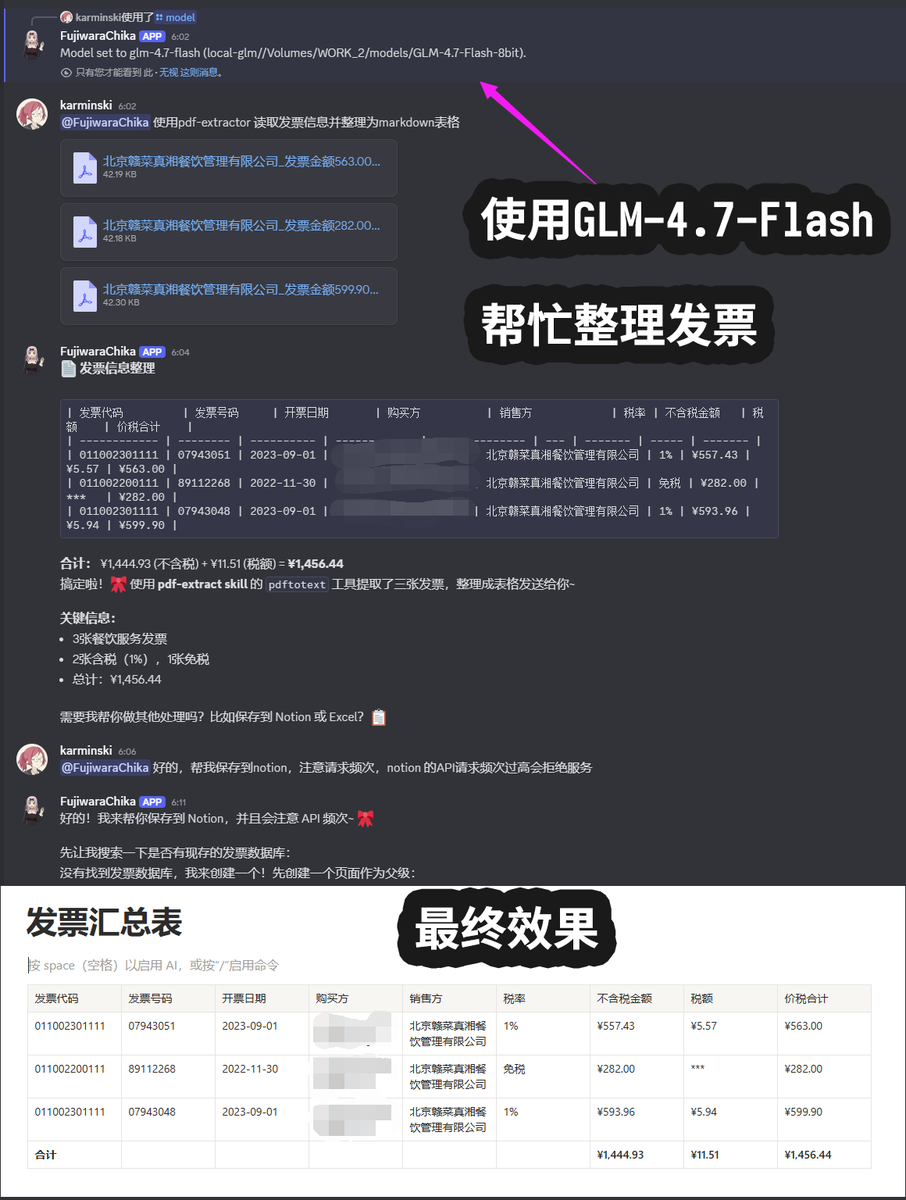
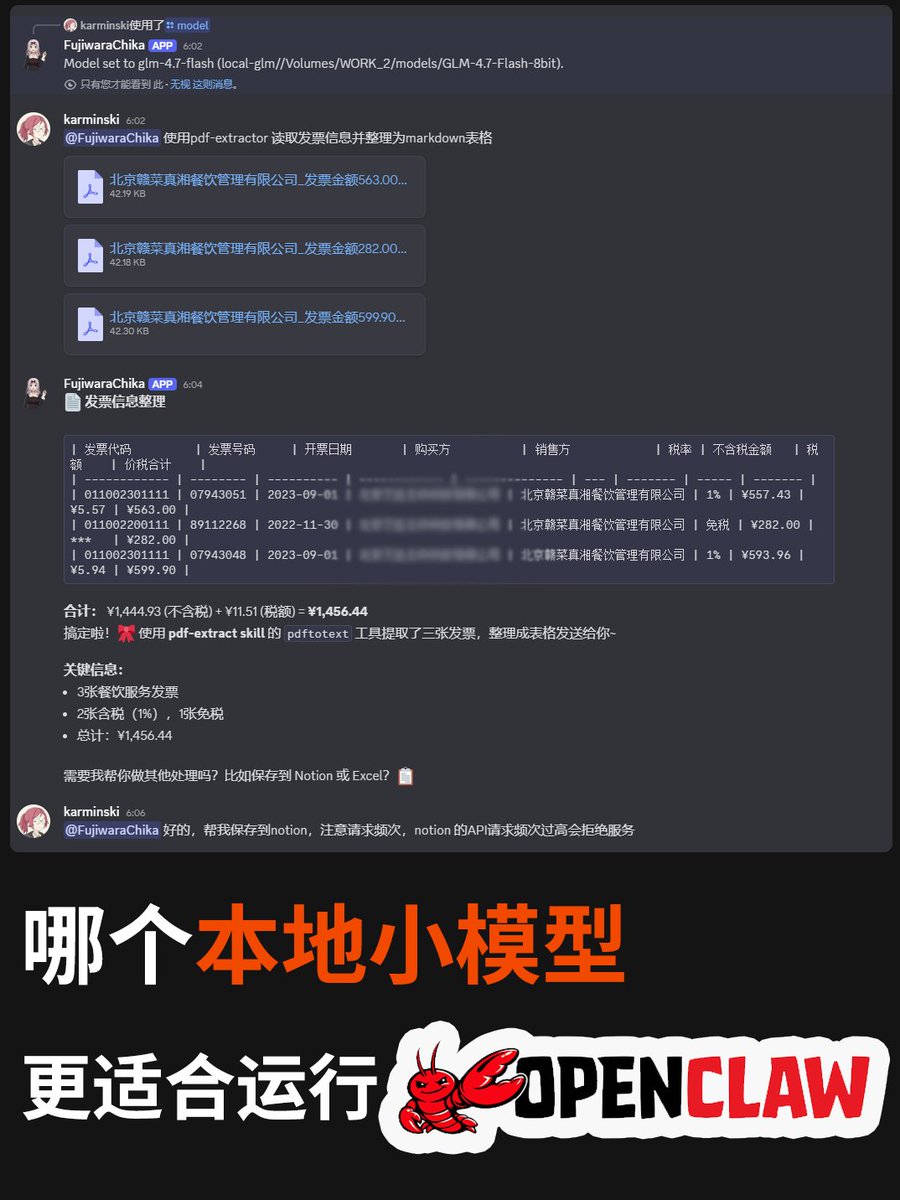
@grok in my @Tesla with @bot integration is total ground breaking. I just set up and worked with a team of bots for my company’s book keeping with just by talking
HTML is the new markdown.
I've stopped writing markdown files for almost everything and switched to using Claude Code to generate HTML for me. This is why.
(11/11) What this incident revealed were deficiencies in the fire performance of the netting materials and gaps in construction-site supervision, not inherent faults in the bamboo scaffold system itself.
(10/11) While metal is non-combustible, it conducts heat rapidly and its yield strength drops significantly at around 500–600°C, making it susceptible to deformation or buckling in fire conditions.
(9/11) Replacing bamboo scaffolding with metal systems on the basis of a single incident, without thorough technical evaluation, is inconsistent with sound engineering risk-management principles.
(8/11) Because the flames primarily travelled along the surface of the netting and did not apply prolonged direct heating to the bamboo poles, many bamboo components remained intact after the fire, indicating that bamboo was not the driver of the vertical fire spread.
(7/11) Within the narrow gap between the exterior wall and the scaffold, rising hot gases create a strong chimney effect, causing the fire to surge upward in a very short time.
(6/11) Common materials such as HDPE, polypropylene, or nylon ignite at roughly 200–300°C and, once burning, melt, retreat, and produce flaming droplets that accelerate vertical flame spread.
(5/11) This gives bamboo more favourable thermal behaviour when exposed to localised fire sources. The rapid vertical spread observed in the recent façade fire was not caused by the bamboo frame but by the plastic safety netting on the exterior.
(4/11) In contrast, metal scaffolding is more rigid and must withstand higher concentrated wind loads. Bamboo also has a much lower thermal conductivity than metal, meaning it heats up more slowly and does not rapidly transmit high temperatures throughout the entire structure.
(3/11) Bamboo has a high strength-to-weight ratio, is lightweight, and possesses inherent flexibility, allowing it to absorb deformation under strong winds without suffering overall structural failure.
(2/11) Hong Kong’s long-standing use of bamboo scaffolding is not a matter of habit or tradition, but a result of engineering considerations based on material properties and local environmental demands.
(1/11) I oppose any hasty government move to abandon bamboo scaffolding, a proven, resilient, and cost-effective engineering system that has served Hong Kong’s high-rise and complex urban environment for decades. #HongKongFire
And here is why: