Archrivals of microplastics...in our air, oceans, food, water and blood. Created by two siblings concerned about the global plastic problem! (parent-managed)
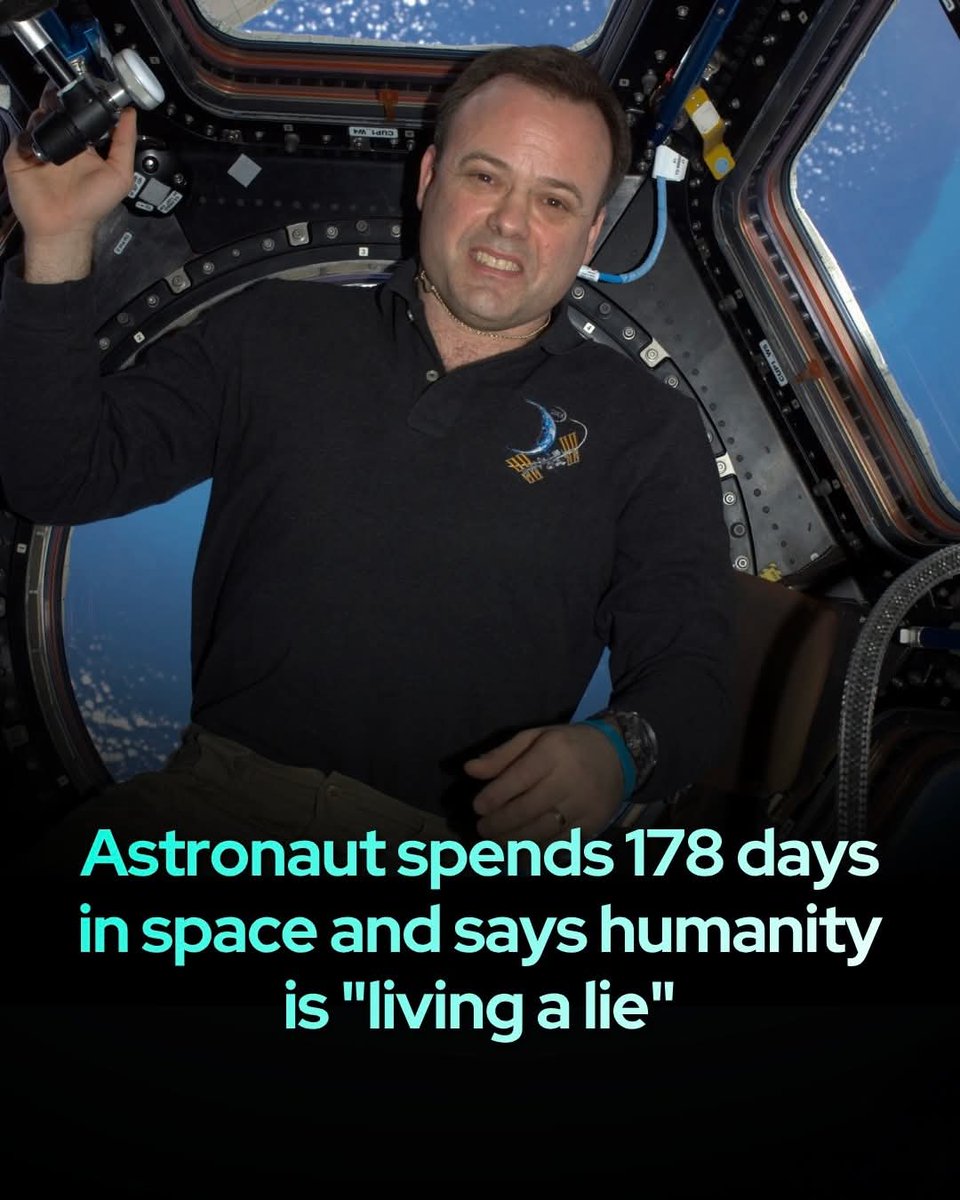
A man who spent months in space returned to Earth saying that humans are living a lie…
Former NASA astronaut Ron Garan spent 178 days aboard the International Space Station, orbiting the globe nearly 3,000 times.
During this mission, he experienced the Overview Effect, a profound cognitive shift that occurs when viewing Earth from space.
From his vantage point, the political boundaries and economic systems that dominate human discourse were invisible. Instead, he saw a singular, iridescent biosphere protected only by a gossamer-thin atmosphere, highlighting the extreme vulnerability of the only home humanity has ever known.
Garan now warns that our perceived separation from nature is a dangerous illusion. He argues that issues like climate change and habitat loss are not separate problems but symptoms of a failure to recognize Earth as an interconnected system.
Since returning to the surface, his mission has shifted to promoting a planet-first mentality. By viewing the world as a shared vessel rather than a collection of competing territories, Garan believes we can better protect the delicate balance that sustains life within our paper-thin atmosphere.
source: Garan, R. (2015). The Orbital Perspective: Lessons in Seeing the Big Picture from a Journey of 71 Million Miles. Berrett-Koehler Publishers.
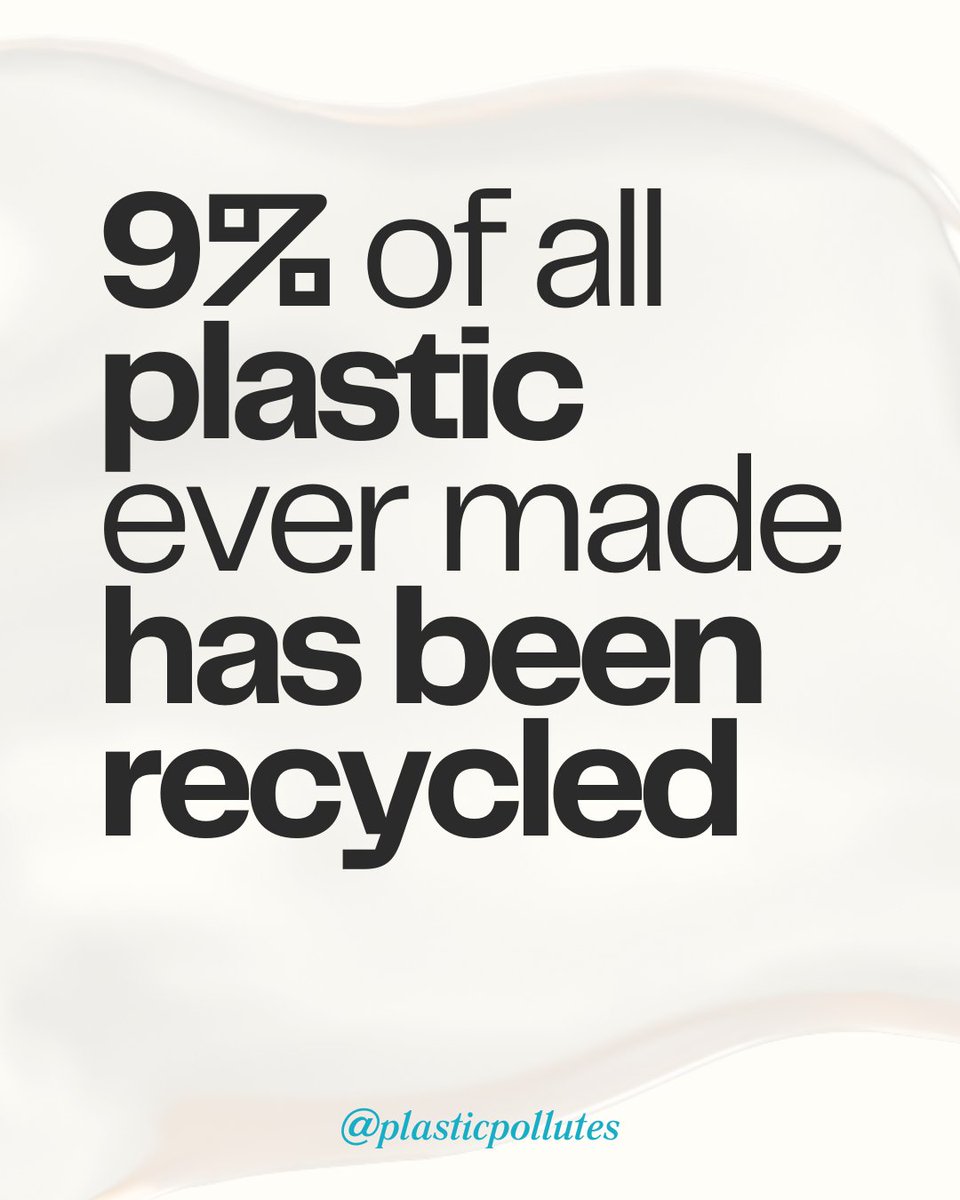
📉 It’s a staggering number. Only 9% of all plastic ever produced has been recycled worldwide. In the U.S, it’s even worse: just 5-6%. No matter how you flip the coin, plastic recycling is a failure.
👎 It’s not because “people need to recycle more.”
The truth? Plastic was never designed to be recycled in the first place.
Even if it is recycled, it is loaded with toxic chemicals, polluting the environment and our bodies.
Meanwhile, the world produces 400 million+ tons of plastic every year, a scale that recycling could never catch up with.
❌ In order to stop the crisis, companies need to stop producing so much plastic and shift to reuse systems and safer, and regenerative materials.
#PlasticPollutes #BreakFreeFromPlastic #Reuse #Recycling
5 Gyres' Microplastics Scientist Dr. Victoria Fulfer spoke with @BostonGlobe about her newly published research revealing increasing microplastic concentrations in Narragansett Bay - and solutions for a #MicroplasticFreeUS.
Read the full article: https://t.co/ikfATzzBGf
A new study review reveals that those that drink plastic bottled water in comparison to those that drink tap water, are ingesting 90,000 more microplastics annually. Opt for filtered, not plastic bottled water.
Source: Unveiling the hidden chronic health risks of nano- and microplastics in single-use plastic water bottles: A review. Journal of Hazardous Materials
#PlasticPollutes #BottledWater #DrinkingWater #FilteredNotBottled
For those following the Global Plastics Treaty…upcoming YPAN webinar to introduce the 3 INC-Chair candidates & explain the election process before Feb 7th. Zara & Ashton are moderating the Q&A! Sign up with QR code below:
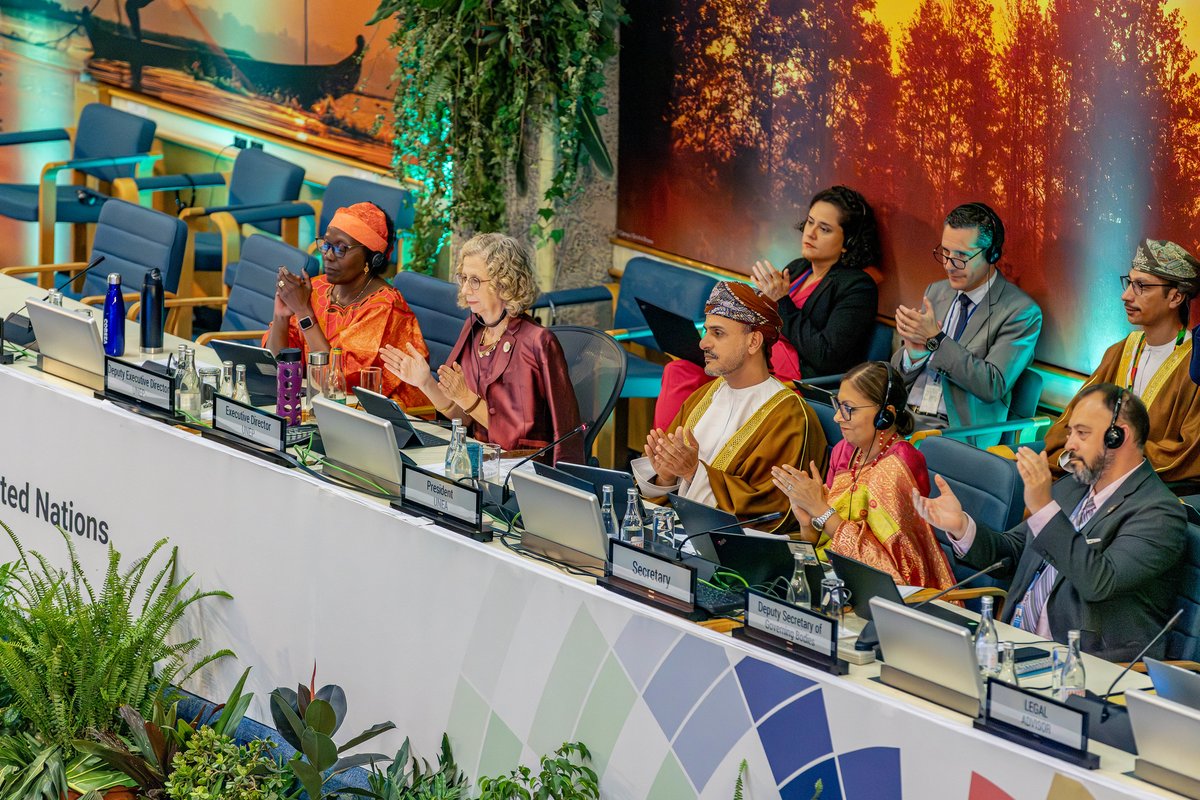
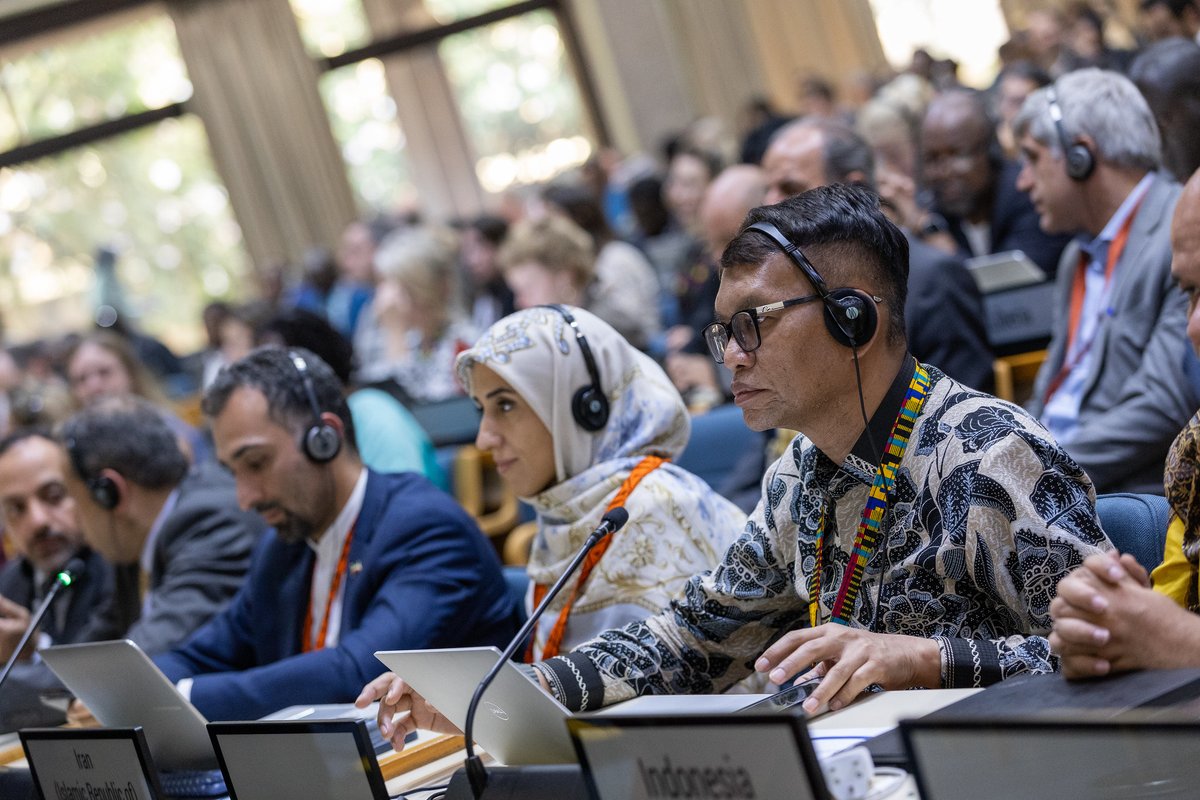
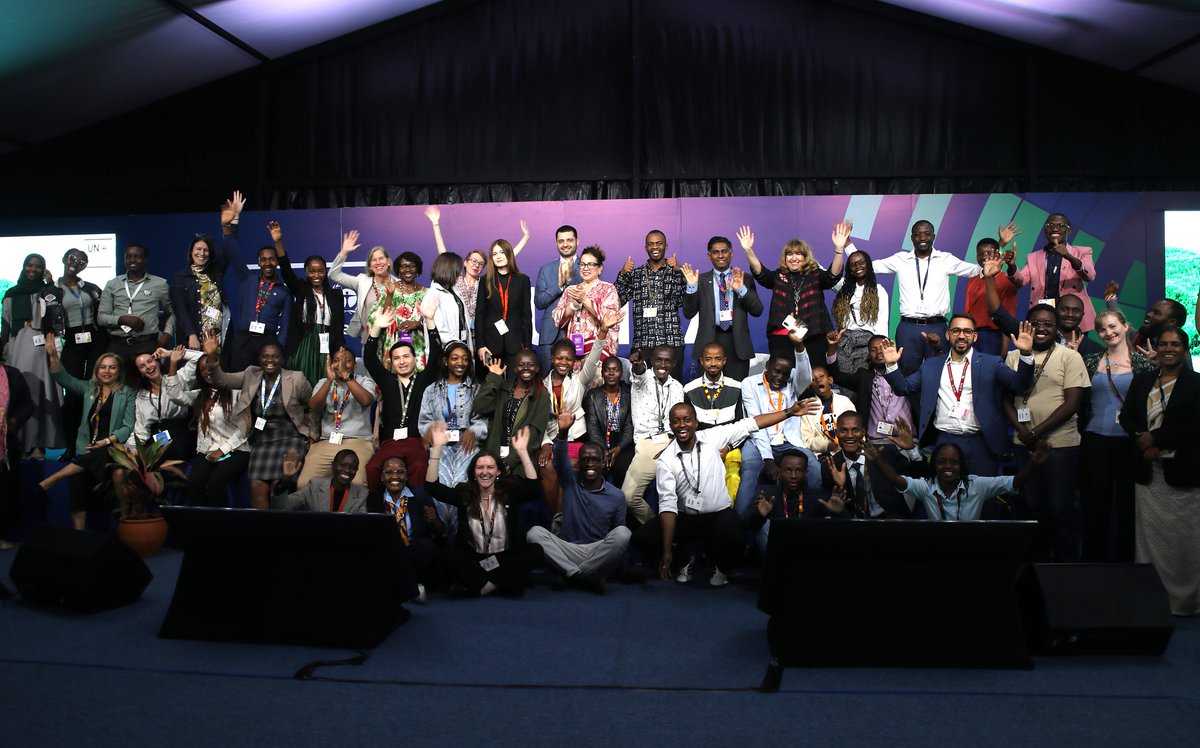
We were fortunate to be there at the press launch at UNEA-7 and extremely impressed with this report. Most up-to-date info on greatest environmental issues of our time. 🌍
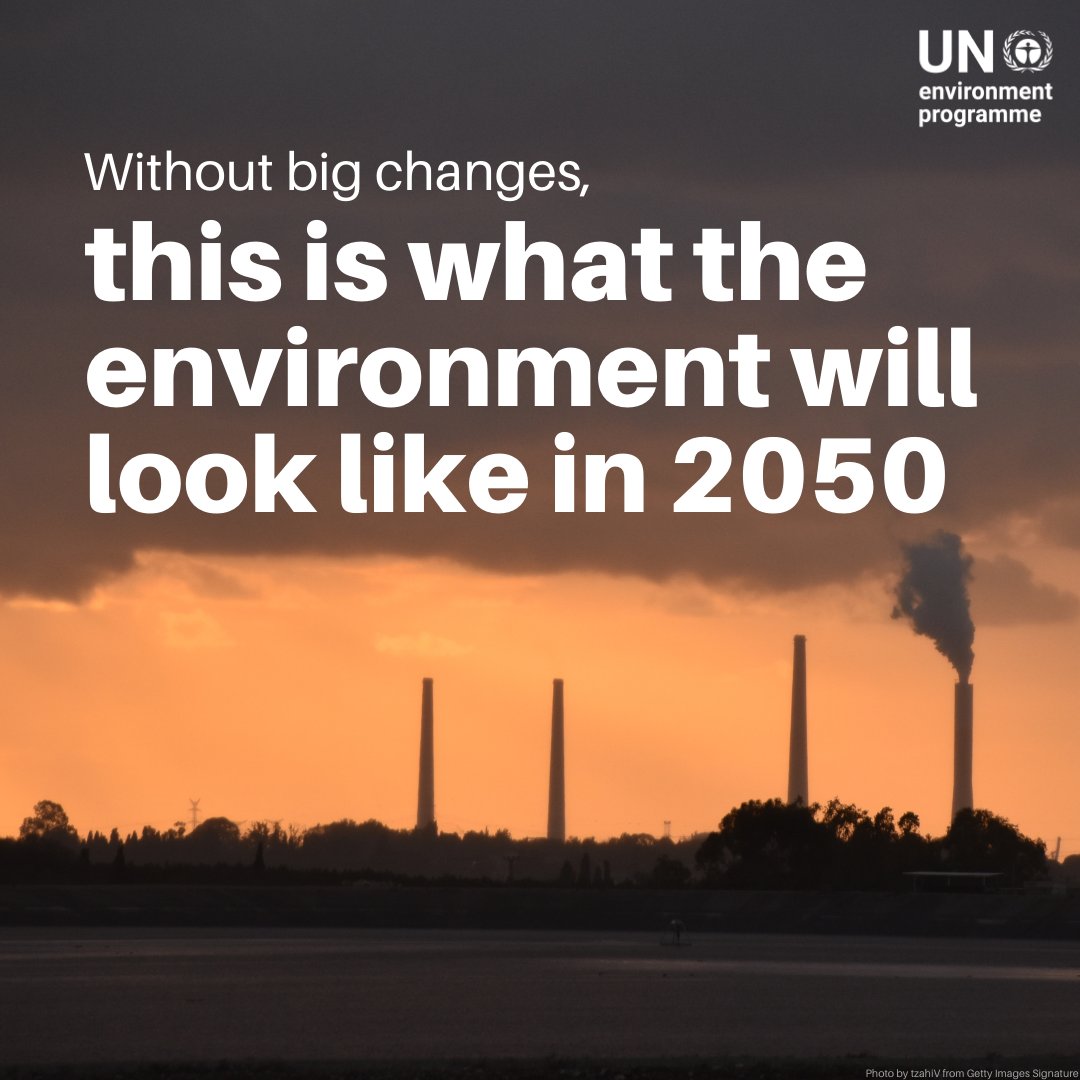
Oppressive heat. Species extinctions. Pollution-choked skies.
This is the future that awaits the world unless humanity takes dramatic steps to end a series of mushrooming environmental crises, finds #GEO7.
Read more: https://t.co/nI6kX3SV2T
Pollution undermines the human right to a healthy environment.
It also affects other rights, including health, water and food, hitting the most vulnerable the hardest.
@UNEP is calling for bold, urgent action to #BeatPollution and protect people’s rights.
#UNEA7 concludes in Nairobi with countries adopting 11 resolutions, 3 decisions and a Ministerial Declaration to advance multilateral solutions for a more resilient planet.
From climate and nature to pollution, AI and resource use, the focus now must turn to implementation and impact.
Read more: https://t.co/YSoU2CKGLT
@StefanBurnsGeo Today at #UNEA7 in Nairobi the world is standing strong together to bring real environmental action for the planet. 15 new resolutions just agreed for huge issues like coral reefs, sargassum, wildfires, AI and youth inclusion in global processes! Read them on @UNEP page. 🎉
Event: National Emergency Briefing on Climate
When: Thursday, Nov 27th -9am
Where: London
MPs, scientists and NGOs will take part in this special emergency briefing tomorrow. #IsYourMPAttending ?
https://t.co/VeoGlXtPzb #NEB2025 @EliieChowns
💐There are trillions of reasons to treat yourself better by choosing reusables over single-use cups—namely microplastics and toxic chemicals. 💞
🔬In one study, scientists found that 1.5 trillion plastic particles leached from one 12oz single-use paper cup. And heat increases the leaching of plastics. 😞
🔃 While plastic is all around us, one easy way to cut plastic is by making it a habit to bring a plastic-free reusable cup on the go.
💚 It’s not just for the health of the planet, but also for yourself!
Source: Environmental Science and Technology
#PlasticPollutes #BreakFreeFromPlastic
🗣️More voices, more ideas, more reasons to join the #TEDxGreatPacificGarbagePatch on Nov. 8. 🌊 Introducing the next wave of visionaries working to solve the plastic pollution crisis through policy, science, business, social justice, and culture change. 🎤Explore the latest speaker additions. 💭 Which topics are you most excited to hear about?
Register for the livestream: https://t.co/MMfA2Eu86L
#PlasticPollutes #BreakFreeFromPlastic #TEDx
Over 1 million marine organisms are killed each year due to plastic pollution in the ocean. It's time to end plastic pollution.
There is no planet B. Use less, buy less, waste less.
#ActOnClimate#climate#PlasticsTreaty
Scientists just found dolphins with Alzheimer’s. Yes, dolphins. The ocean’s geniuses are literally losing their memories.
In a shocking discovery, researchers studying stranded dolphins in Scotland found something terrifying. When they looked at the dolphins’ brains under a microscope, they saw the same signs humans get with Alzheimer’s disease. The same tangled proteins. The same sticky plaques. The same slow destruction of memory and awareness.
At first, scientists thought it was a mistake. Dolphins are known for incredible intelligence. They recognize themselves in mirrors. They have names for each other. They even mourn their dead. How could a creature like that develop something so human?
Then the connection became clear. The waters they swim in are full of toxins like mercury, lead, and other pollutants that build up in their bodies over time. These chemicals damage brain cells, disrupt hormones, and can trigger degenerative diseases. Basically, we’re poisoning the oceans, and the smartest animals in them are paying the price.
Some researchers think this could also explain a haunting mystery: mass strandings. Dolphins sometimes beach themselves in groups, seemingly confused or disoriented. If their brains are being damaged by toxins, that confusion might not be random. It could be a tragic symptom.
It’s eerie to think about. Alzheimer’s used to be something we only associated with humans. Now, we’re seeing the same patterns in wild animals who live completely different lives. The line between us and the natural world just got a lot thinner.
The saddest part? Dolphins can’t tell us when they’re struggling. They just start acting differently, swimming slower, forgetting familiar routes, or following sick podmates to shore.
We always call dolphins the “brains of the sea.” But if the oceans keep getting dirtier, those brilliant minds might keep breaking down. Maybe the real test of our intelligence is whether we care enough to stop it.
Sign up for TEDxGreatPacific GarbagePatch livestream, where experts will answer, ‘How do we solve plastic pollution by 2040?’ Topics include microplastics & human health, environmental justice, climate change, and much more. Register!🌎 https://t.co/vxbXOOHlOY @PlasticPollutes
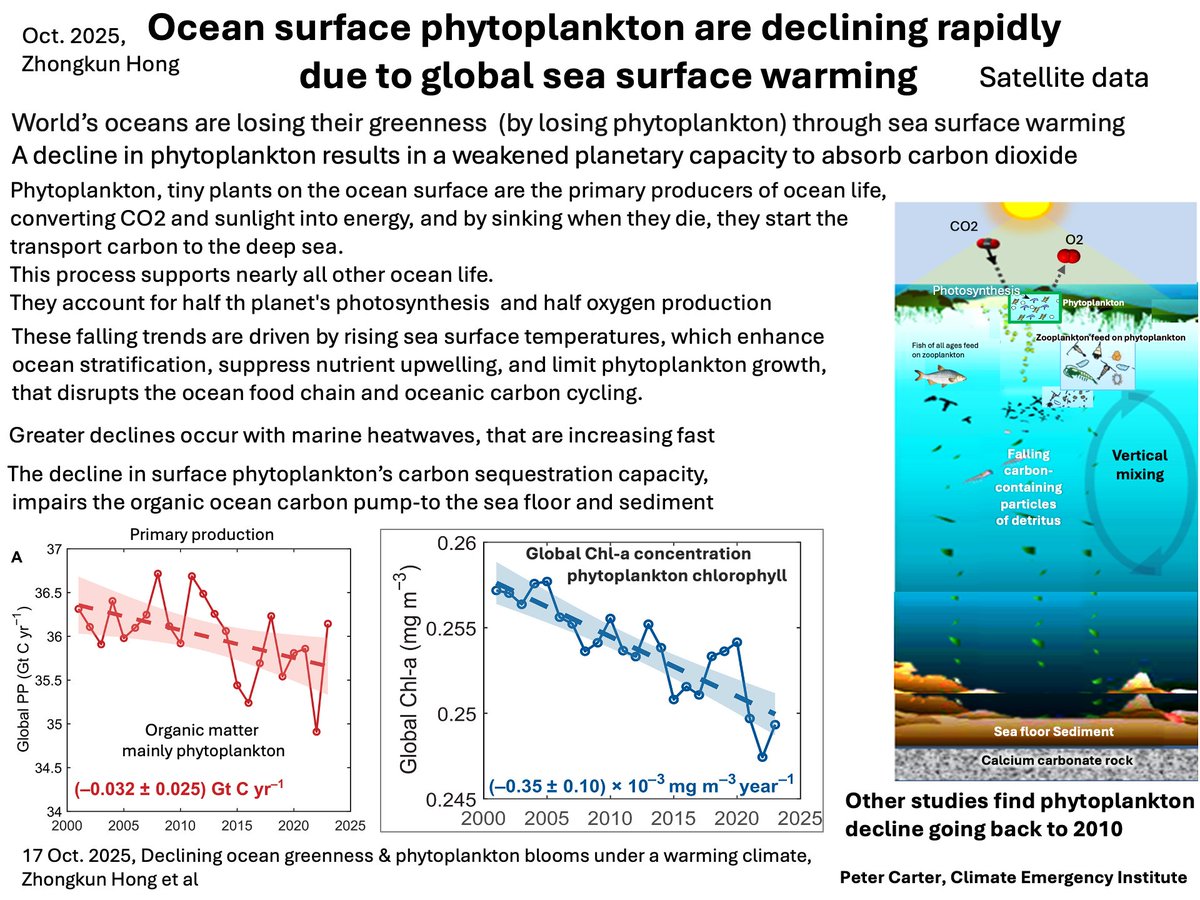
WORST NEWS YET: OCEAN PHYTOPLANKTON DECLINE
Satellite data shows a steady and rapid decline in global ocean surface phytoplankton, due to rapid ocean surface warming.
Confirms the same findings going back to 2010. Phytoplankton are the basis of ocean life and so life on Earth. They contribute half of Earth's photosynthesis and produce half of the oxygen.
They start the ocean food chain and the ocean carbon pump that sinks carbon to the seabed. MOST DIRE EARTH EMERGENCY
https://t.co/HuKTH7678t #ocean #ClimateChange #phytoplankton #globalwarming
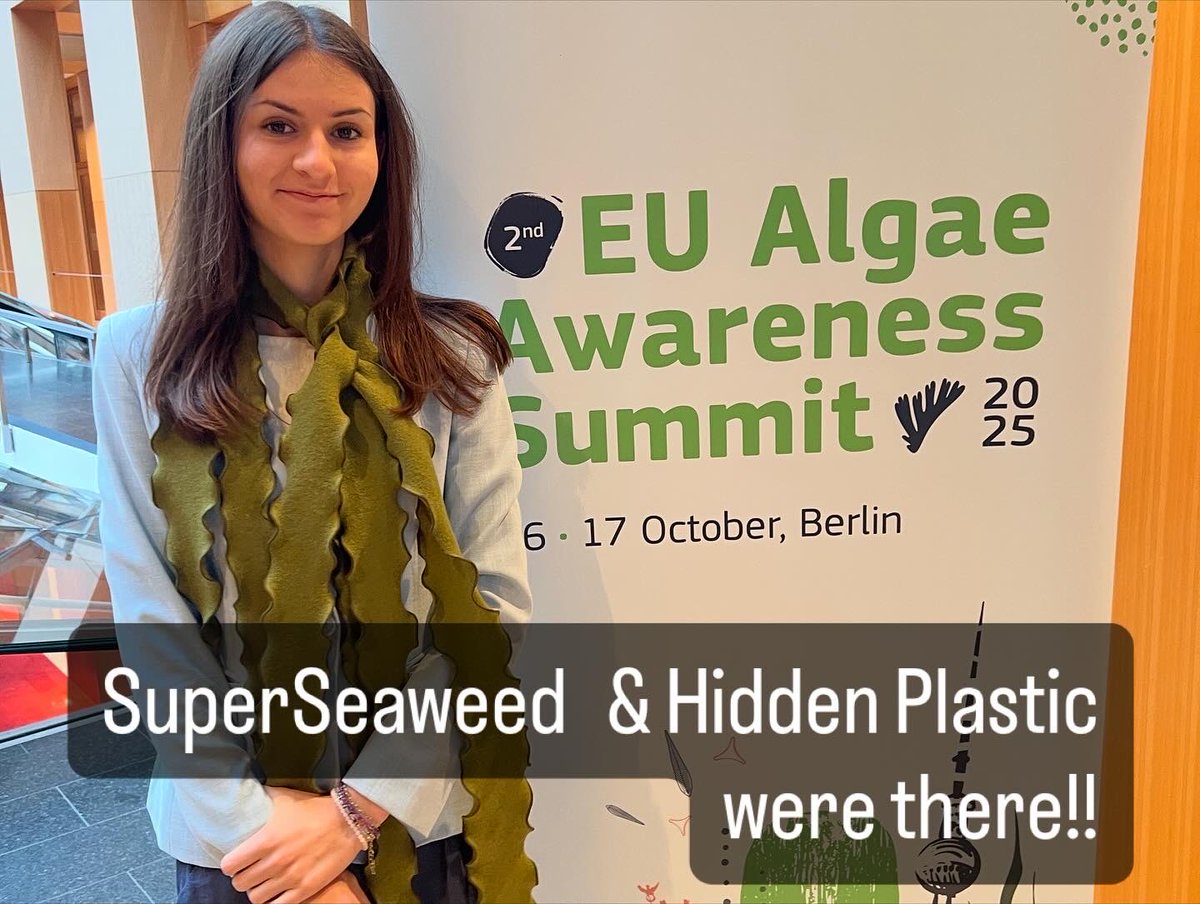
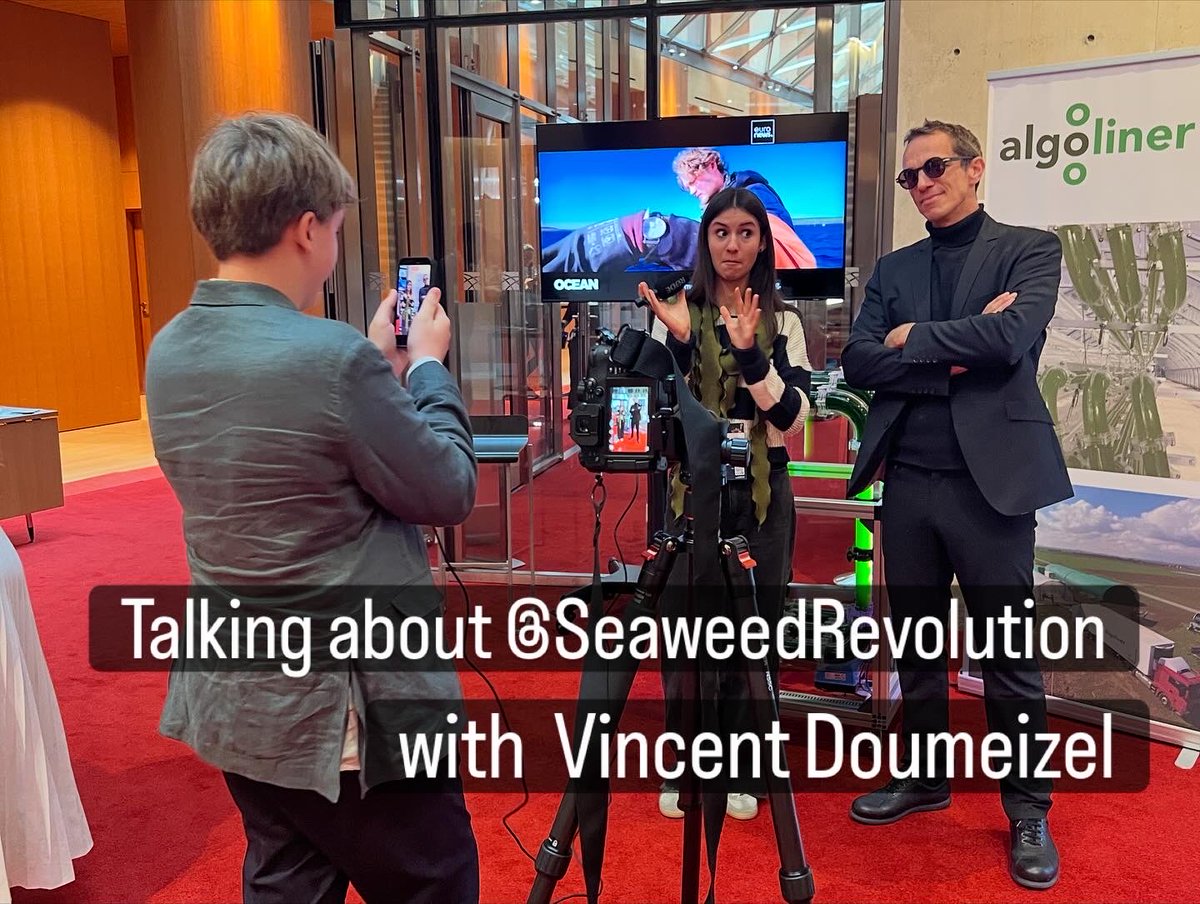
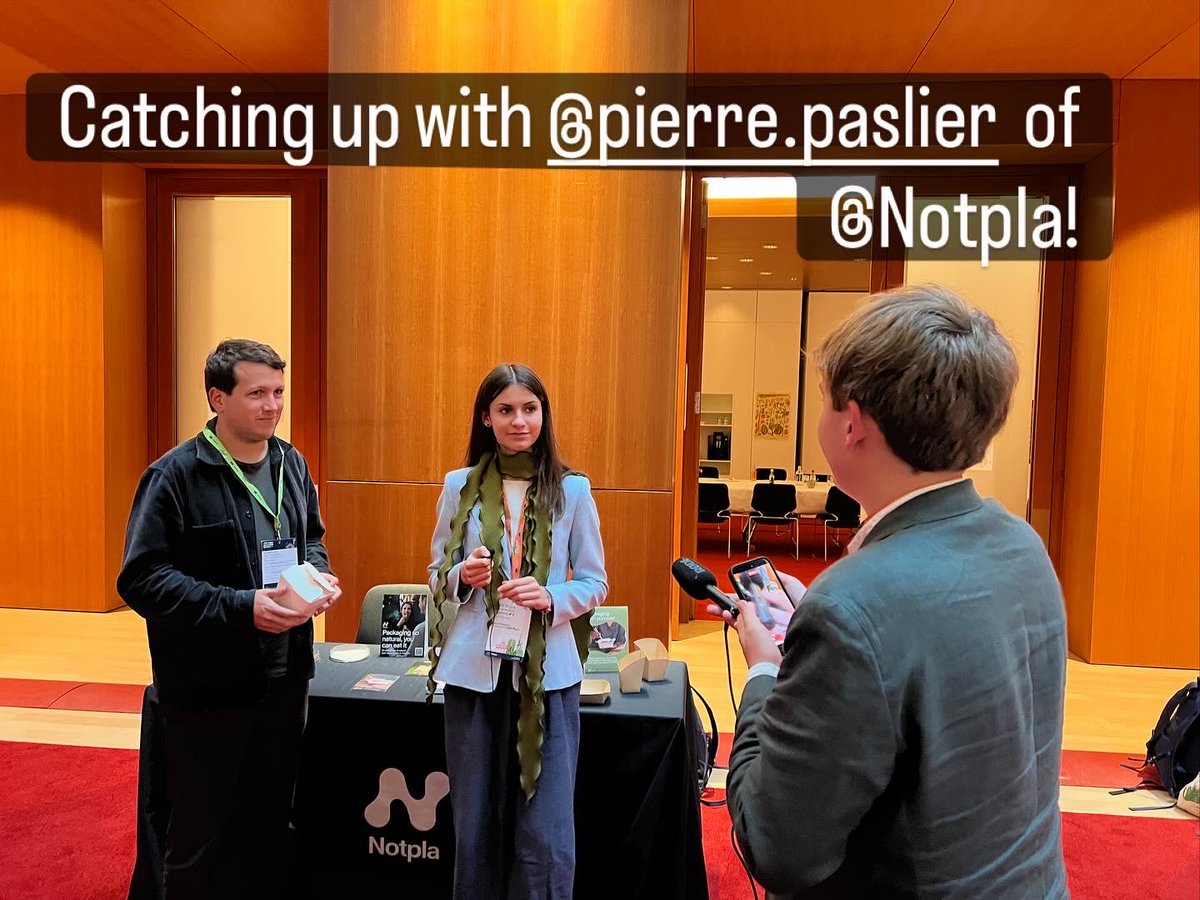
We returned from an amazing TWO days at the 2nd EU Algae Awareness Summit 🪸
The summit included…
🪸Talks from role models in the seaweed sector 🤩
🪸Seaweed-based food, drinks and samples!
🪸Interviews recorded - especially on non-plastic solutions! #EU4Algae#EMFAF#EU
🚨 BREAKING: Half the UK’s top 10 fish stocks are being overexploited
We’ve done one of the most comprehensive health checks of UK seas & the data is undeniable
⚠️Overfishing is emptying our seas, & it’s a political choice
📩Tell Keir Starmer to act: https://t.co/nV2fl4prYu