Machine gun posts like this surround the perimeters of large French Forts near Verdun, France. They are accessed via long tunnels that lead back to the fort.
#ww1#blackandwhitephotography
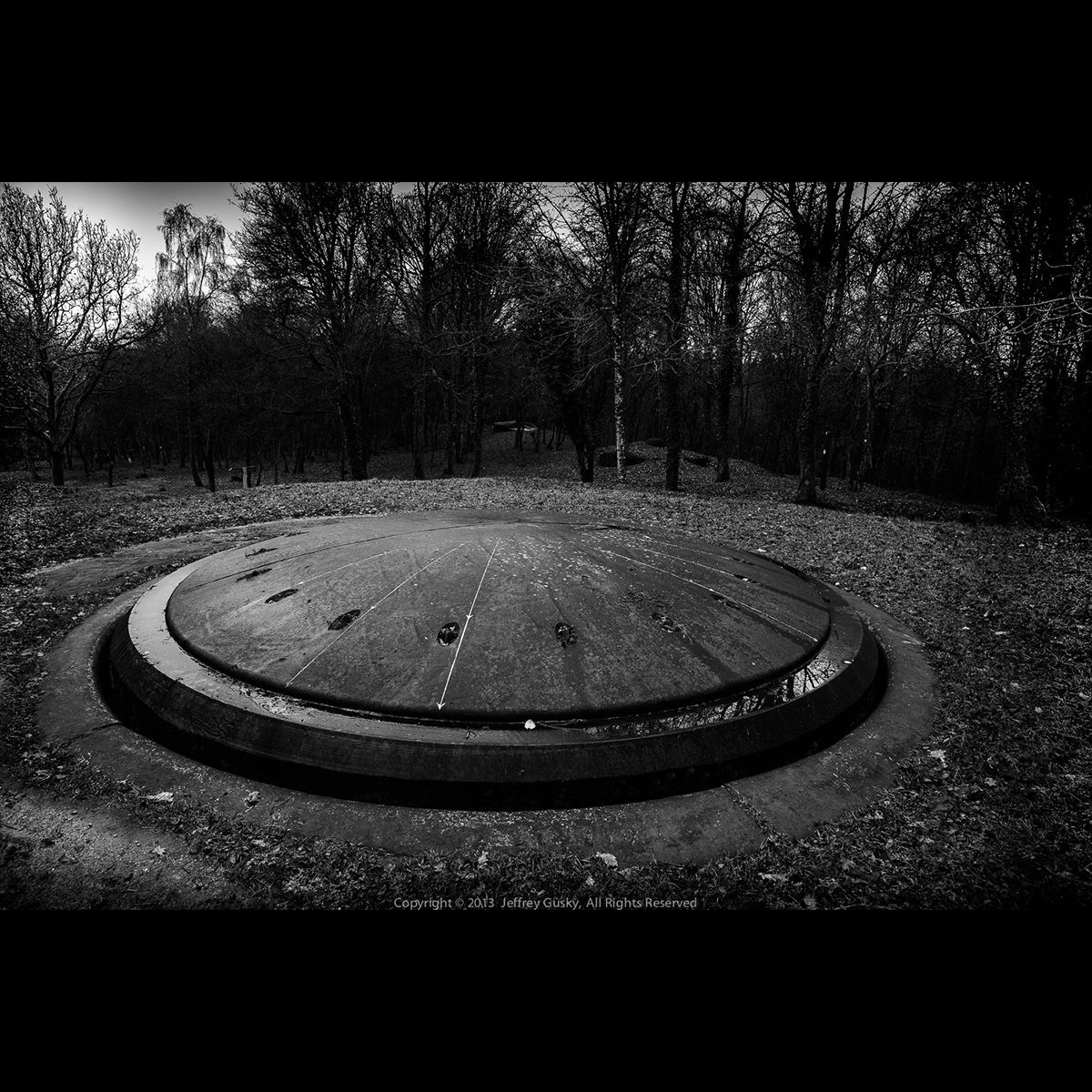
Beneath this large metal enclosure is a large cannon inside one of the French forts which ring the town of Verdun. When deployed, the metal enclosure would extend upward, revealing the cannon.
#ww1#blackandwhitephotography
These gears were used to rotate one of the large canons that still remain inside Fort Douaumont on the battlefield of Verdun, France
#ww1#blackandwhitephotography
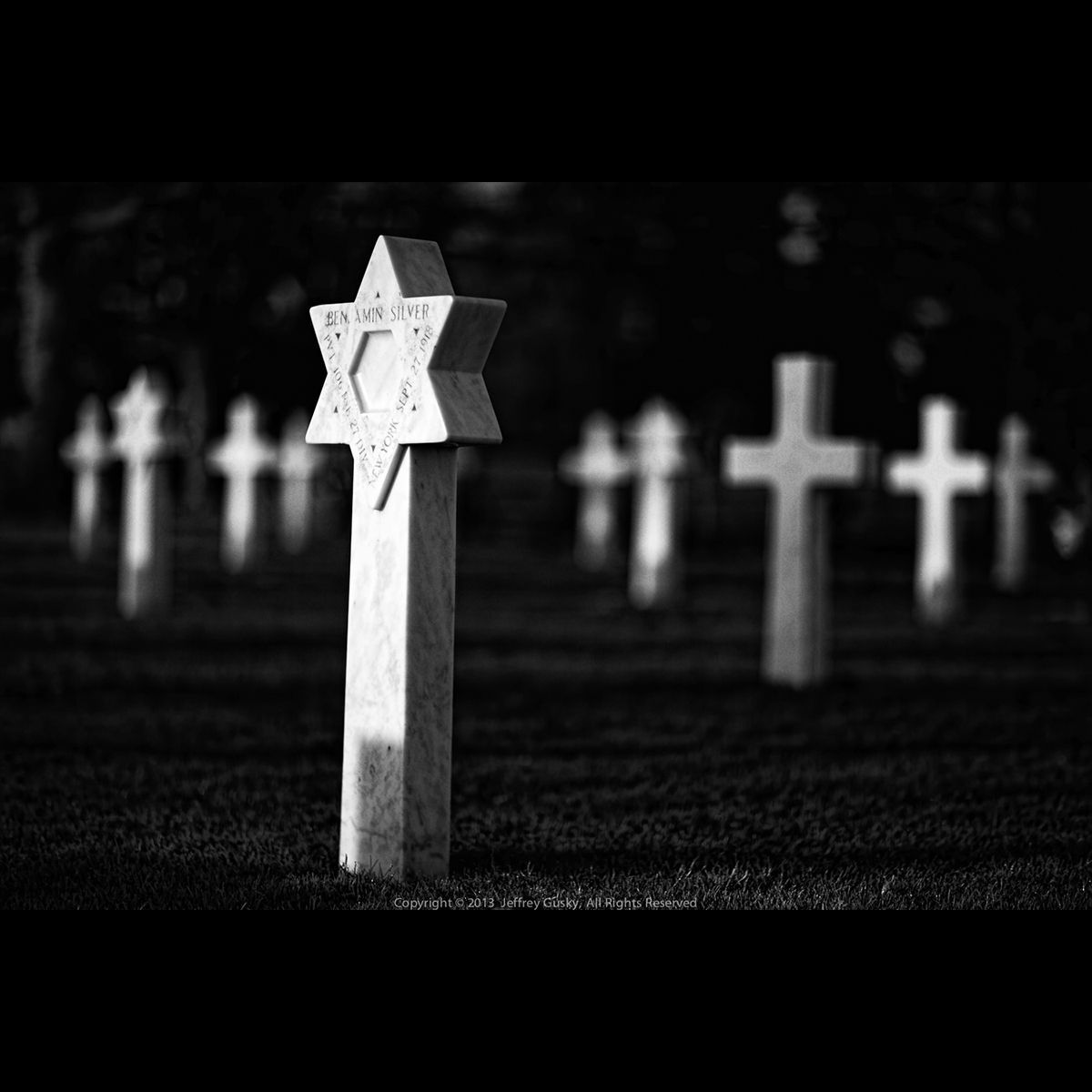
Many Jewish American soldiers fought and died for their country in WWI. Benjamin Silver, from New York City, passed away on September 27, 1918.
#ww1#blackandwhitephotography
Canadian sniper Alex McCrae, serial number 118087. He was part of the 2nd Canadian Mounted Rifles and fought in Ypres 1915-1916 and Ghent in 1916.
#ww1#blackandwhitephotography
Original British front line trench in Sanctuary Wood near Ypres, Belgium. After the war the farmer who owned this land decided to preserve the trenches that passed through his land in the state which they were left when the fighting stopped.
#ww1#blackandwhitephotography
After a hundred years, the scars of WWI remain. Millions of high explosive shells were fired. In the forests of Belgium and France located along the former Western Front, many evidences of the trauma of war caused by WWI still can be found.
#ww1#blackandwhitephotography
Spout of rum bottle, once used by WWI soldiers and now repurposed by a farmer as a component of his fence. Along the Western Front, it is fairly common to find original WWI war materials repurposed by farmers to build fences, sheds and more.
#ww1#blackandwhitephotography
Sadness hangs in the air at this German WWI cemetery. 44,000 German soldiers are buried here. There is a mass grave containing nearly 25,000 bodies, about 7,000 of which are unknown. It’s located in a small village in Belgium.
#ww1#blackandwhitephotography
Temperatures underground are cool year round (around 50 degrees Fahrenheit). This fireplace in a French underground city was created by drilling an exhaust port to the surface. Some underground cities were only about 5 meters beneath the surface.
#ww1#blackandwhitephotography
In 1914 & 1915, this French WWI-era army unit recorded its military campaigns in stone. I found this at the entryway of larger French underground city.
#ww1#blackandwhitephotography
This arrow pointing towards Paris is carved into the stone of a German WWI tunnel system. It’s shows us the lighthearted side of war.
#ww1#blackandwhitephotography
Primitive carving of a naked woman found in a German WWI offensive tunnel. The tunnelers must have had sex on their mind. In the same tunnel are highly graphic, anatomically correct carvings of female genitalia.
#ww1#blackandwhitephotography
The entrance to a German WWI tunnel which originates in a German underground city and courses underground towards the front line trenches. The tunnels often had electric lights and telephone lines. WWI was a modern war fought my modern people.
#ww1#blackandwhitephotography
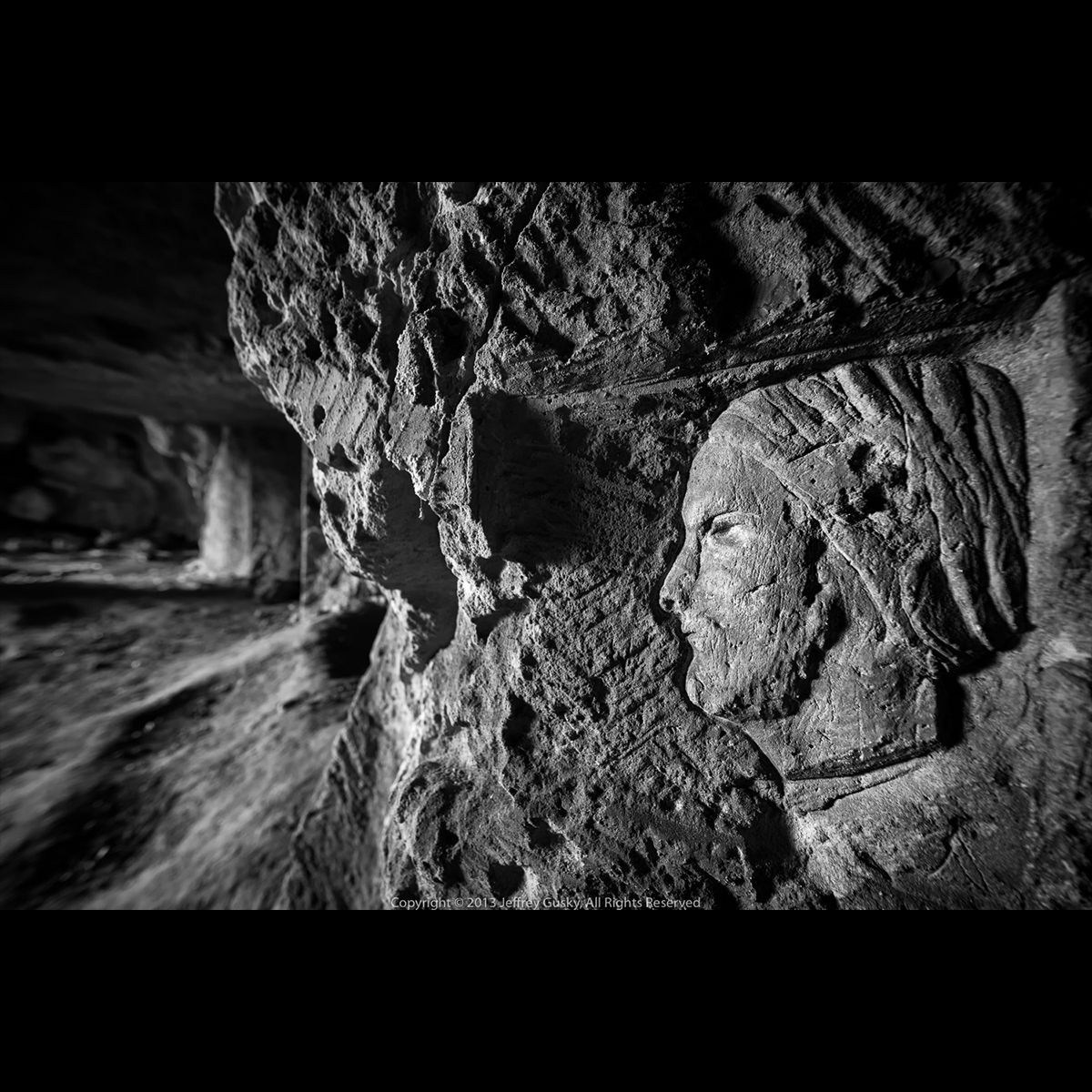
Probably carved by American soldiers in 1918, this underground space has a number of mask-like faces like this carved in stone.
#ww1#blackandwhitephotography
Carving at the entryway of a German WWI underground city located near the former front line. The soldiers who occupied this place showed a bit of humor. Nearby is a carving that jokes about the soldier’s food.
#ww1#blackandwhitephotography
An ornately carved French mail box underground. This is where French soldiers in this underground city sent and received their mail.
#ww1#blackandwhitephotography
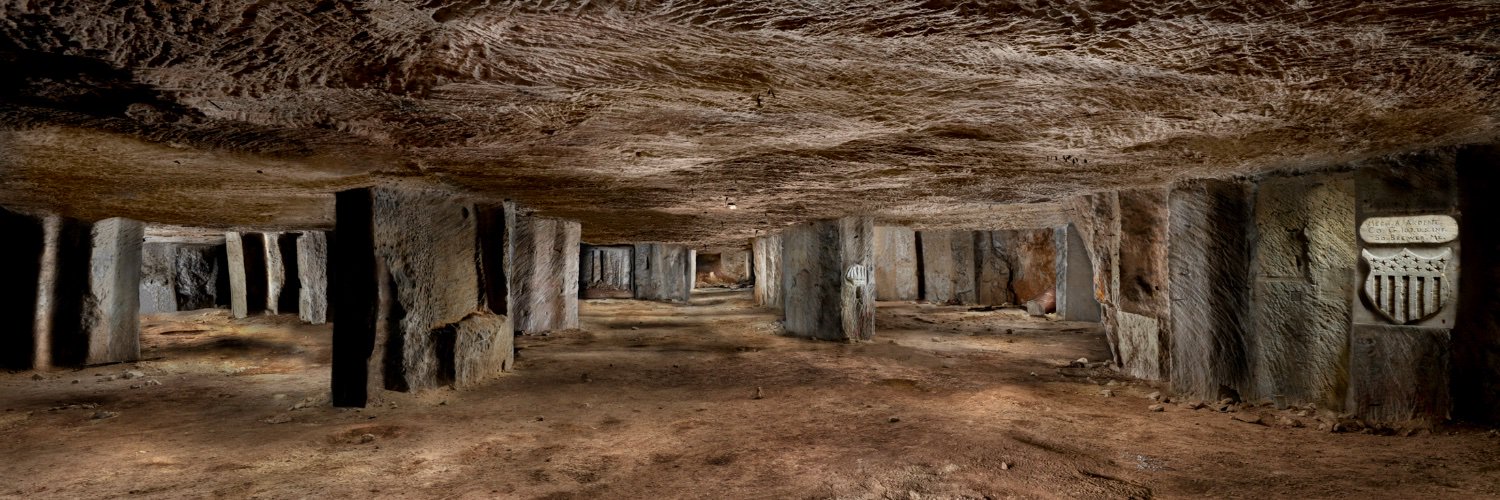
Carving found near entrance to a German WWI underground city that seems to go on and on and on. These spaces pre-existed WWI by centuries. They were the quarries from which stone for castles, cathedrals and homes was mined.
#ww1#blackandwhitephotography