For people living with depression, trying one treatment after another without finding relief can be exhausting.
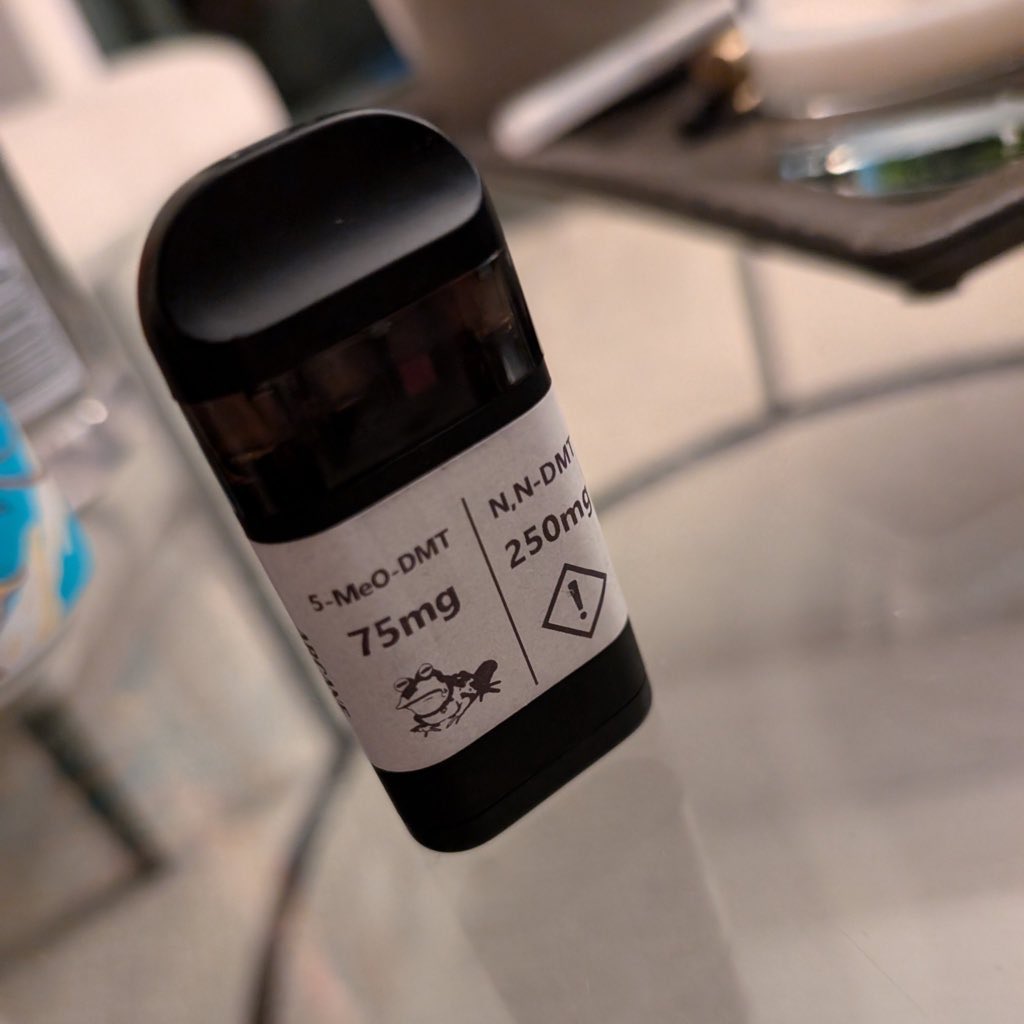
Researchers across 38 sites in the United States, Europe, and Australia wanted to see if a nasal spray containing 5-MeO-DMT could offer another option.
They recruited 193 adults whose depression hadn’t improved enough with previous antidepressants.
Each received a single dose of the spray, along with psychological support, and researchers followed their progress over the next eight weeks.
Within just two days, participants receiving the higher doses were already showing greater improvements in depression symptoms than those receiving the lowest dose.
And the results continued over the following weeks.
By day 29:
• 35% of the 8 mg group had a significant response.
• 34% of the 12 mg group had a significant response.
• 12% of the low-dose group had a significant response.
The improvements remained significantly greater through day 57, nearly eight weeks after a single dose.
There’s another part of this research worth paying attention to: how little time people needed to spend at the clinic.
Most participants receiving the higher doses were ready to leave within two hours.
That’s a much shorter monitoring period than what’s typically needed for treatments involving psilocybin.
For people who have spent years searching for relief, the findings offer an encouraging possibility.
Larger clinical trials will help determine whether these benefits hold up over time.
The day is finally coming when LSD becomes a medicine🌈
This is news that could send ripples through the drug culture scene.
You know, everyone’s favorite LSD is now moving toward seeking FDA approval as a treatment for generalized anxiety disorder (GAD).
DT120 ODT, an LSD tartrate formulation being developed by Definium Therapeutics
Incredibly, it met its primary endpoints in both of two Phase 3 trials for GAD.
The effect sizes were 0.81 and 0.64.
Those are pretty impressive—and pretty powerful—numbers.
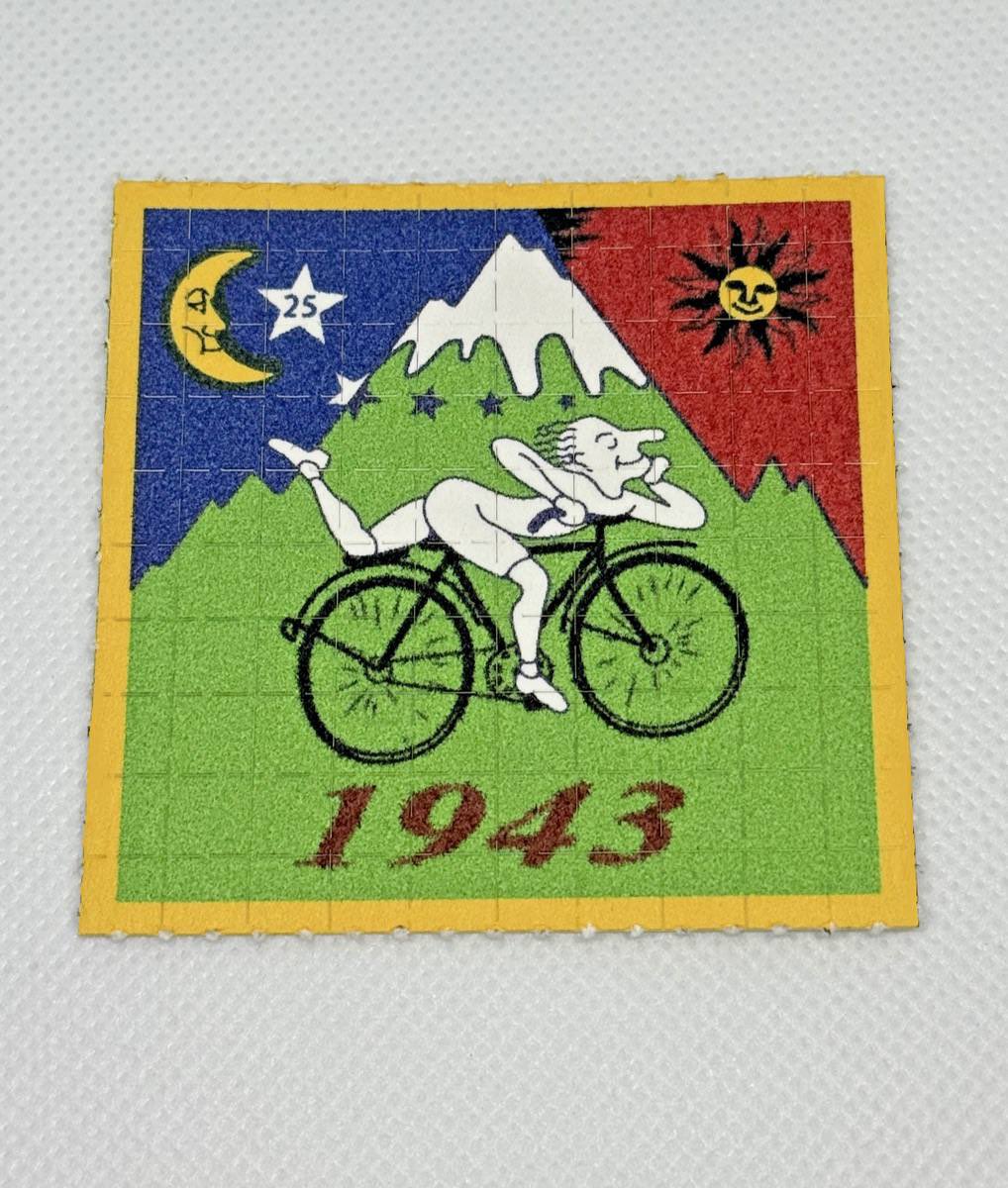
LSD, once a symbol of counterculture and the psychedelic movement, is now being standardized by a pharmaceutical company, making it through clinical trials and aiming for approval as a medicine.
Who would have thought the psychedelic era the hippies dreamed of would return through pharmaceutical companies’ clinical trial data and FDA review…
LSD itself might not just be making a comeback in society—it might be making its debut in medicine🤭
Apparently, the results of a Phase 3 trial for depression are due in 2027.
History is in motion.
And it’s happening worldwide. There’s no choice but to ride this big wave.
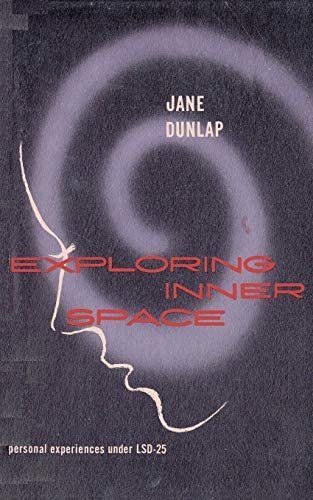
Adelle Davis was the best known nutritionist in the mid-20th century, with 4 best-selling books. Davis published “Exploring Inner Space” in 1961, becoming the 1st woman with a full book on her LSD experiences. She experimented with high dose vitamins combined with psychedelics.
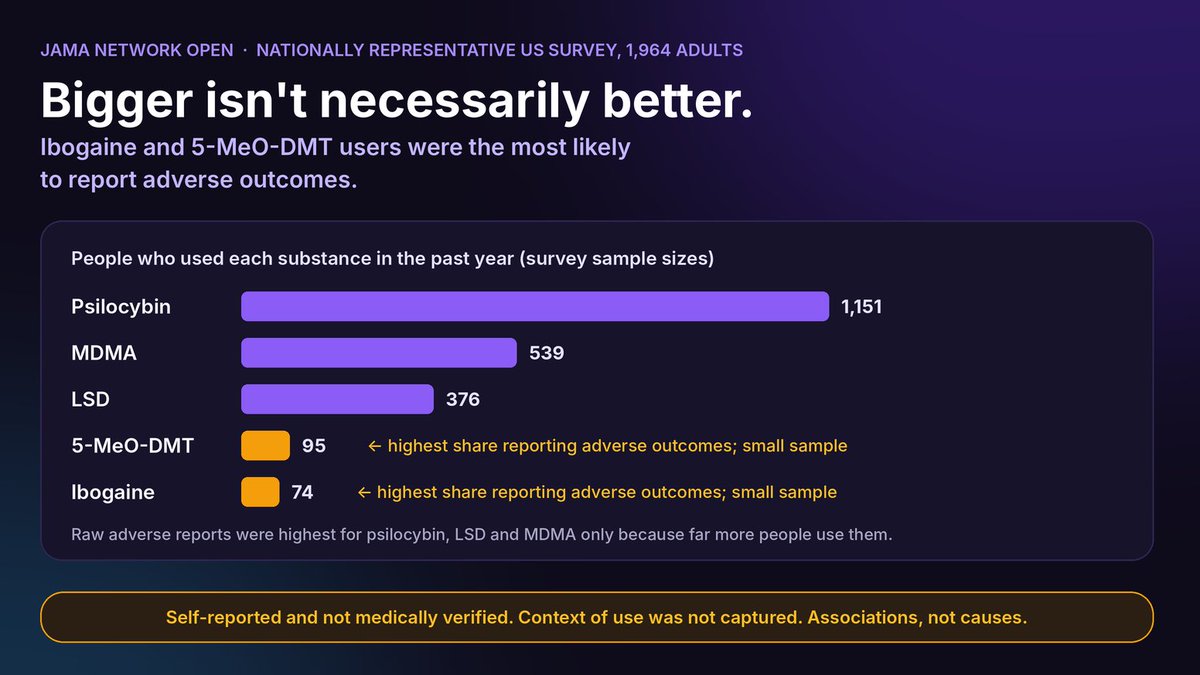
Bigger isn’t necessarily better.
A nationally representative JAMA Network Open survey of 1,964 US adults found ibogaine and 5-MeO-DMT users were the most likely to report adverse outcomes.
Psilocybin, LSD, and MDMA had more reports in raw numbers, but far more people use them.
self-reported, small samples for the two strongest substances, and no data on who guided the sessions.
My take : starting with the most intense substance isn’t a good idea, and neither is going without a trained guide.
Psychedelics demand of us courage. Every single person who says they’ve done psychedelics several dozen times is a courageous person. You’re standing in the presence of fearlessness, because otherwise people turn away from it. -Terence McKenna
The effects of hallucinogenic drugs on the brain make it impossible at the present time to separate the effect of suggestion from the effect of the drug itself." 1967—same concerns with studying psychedelics as today. Not much has changed.