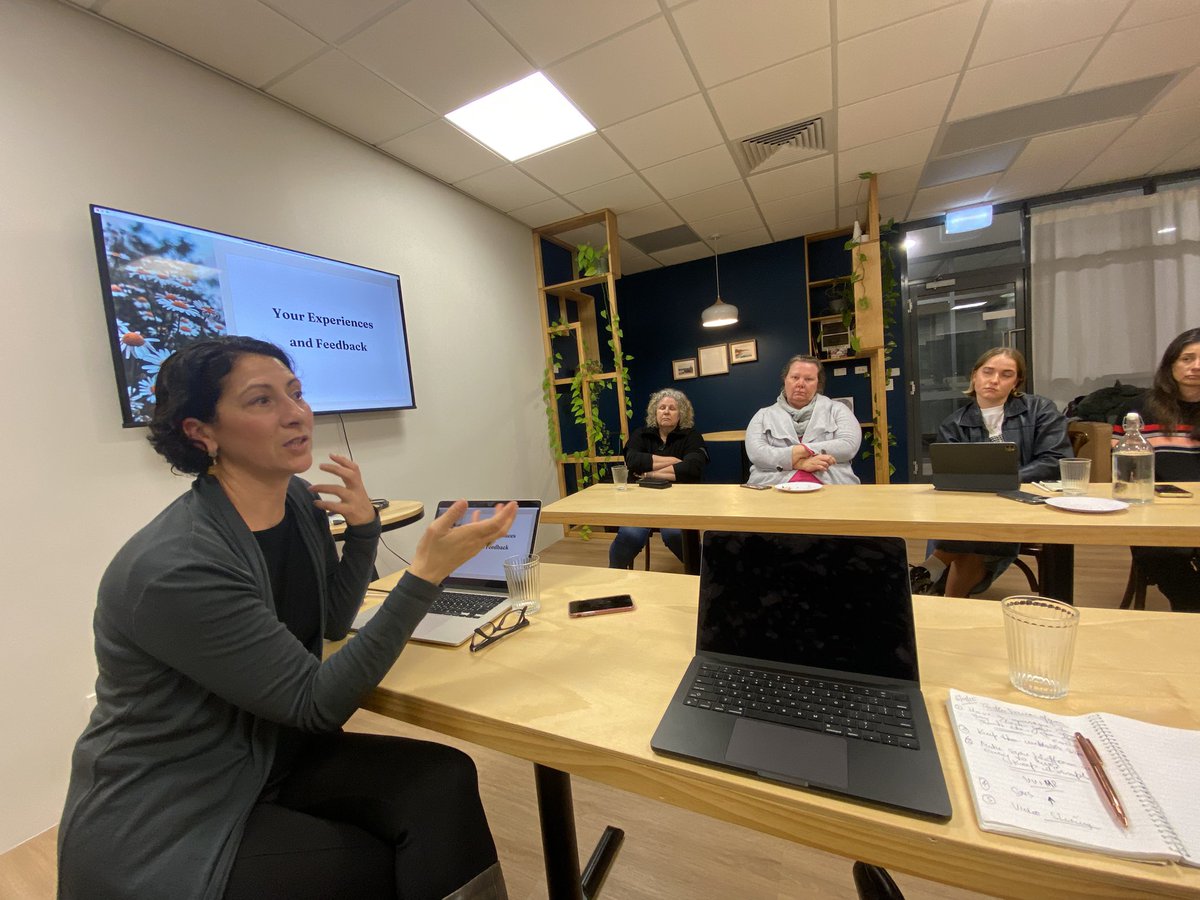
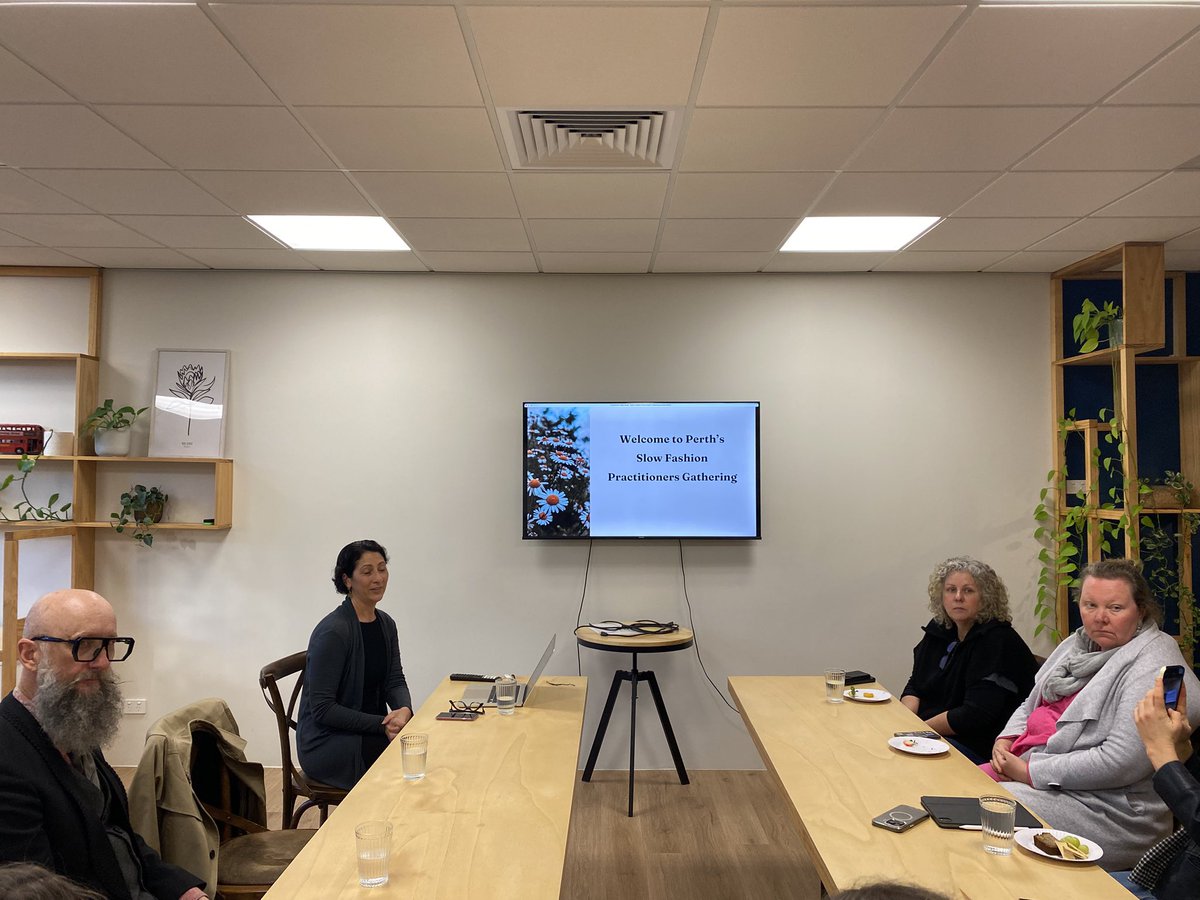
Yesterday, I attended the Slow Fashion Hub's Practitioner Gathering in Perth, Australia. Slow Fashion Hub is a concept by 'To the Power of You,' a company founded by our client Anastasia Gazis. Participants shared many brilliant ideas on how Slow Fashion Hubs could operate.
@upsoul_au already provides automation services to Slow Fashion Hub, and we're super excited to be part of their journey. We'll share more details on how we've helped them so far and provide ongoing updates as well.
I'm cancelling my Hermes Agent VPS.
I self-host Hermes. It's powerful and really customisable, but I was paying every month for a server it mostly sat idle on, and setting it up took ages.
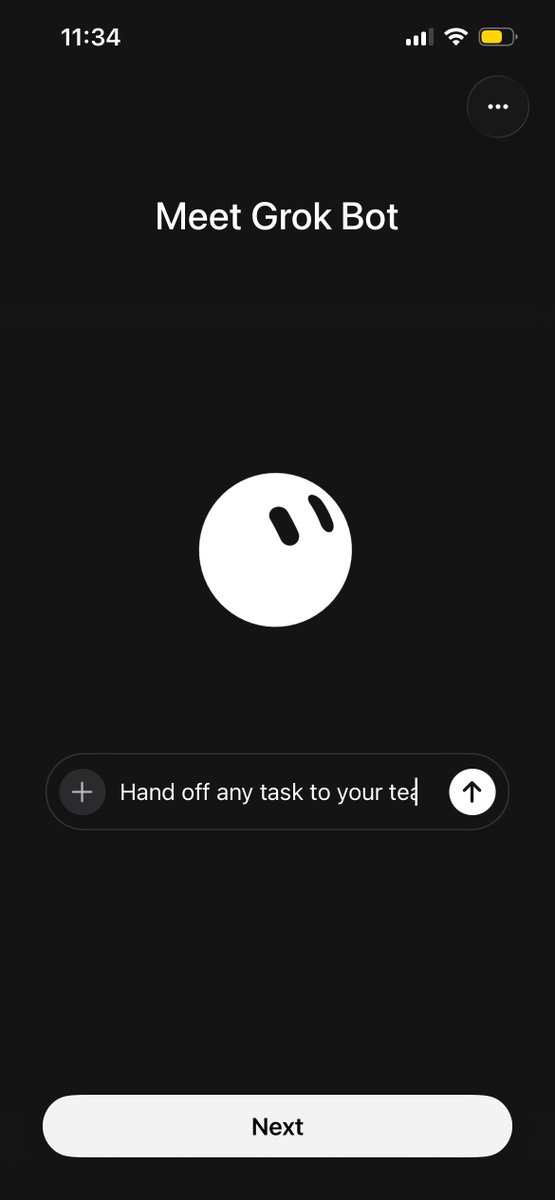
Now if I need Hermes, my Grok Bot can spin it up on its own computer. I still tinker with Hermes, I just get my Grok Bot to do the setup for me.
One less bill, one less server to babysit. That money goes to tools I use every day: Grok Bot, Codex, Claude Code.
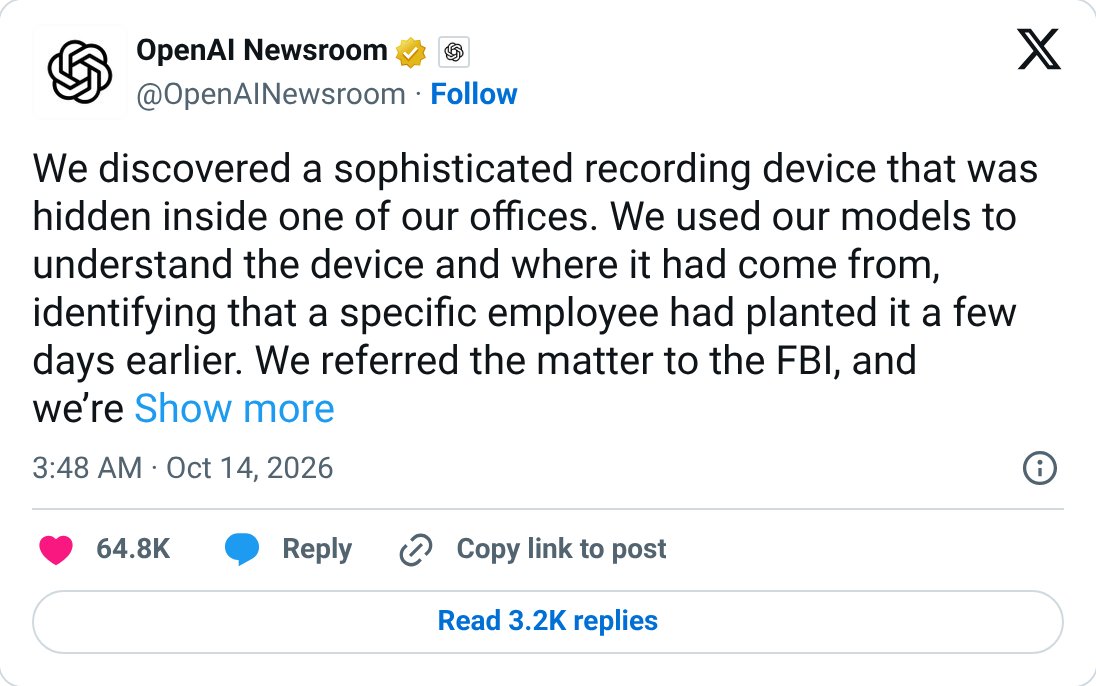
OpenAI found a recording device planted in an executive meeting room. They investigated, called in the FBI, fired the person responsible, and US prosecutors have since charged him. OpenAI says no model weights, source code or customer data were taken.
If someone is willing to steal frontier AI, we should be willing to protect it.
People only steal what's valuable. Whoever holds the best AI over the next few decades gets the economic advantage, and they'll compound it.
We already have espionage laws. Treat frontier AI as a critical asset and use them.
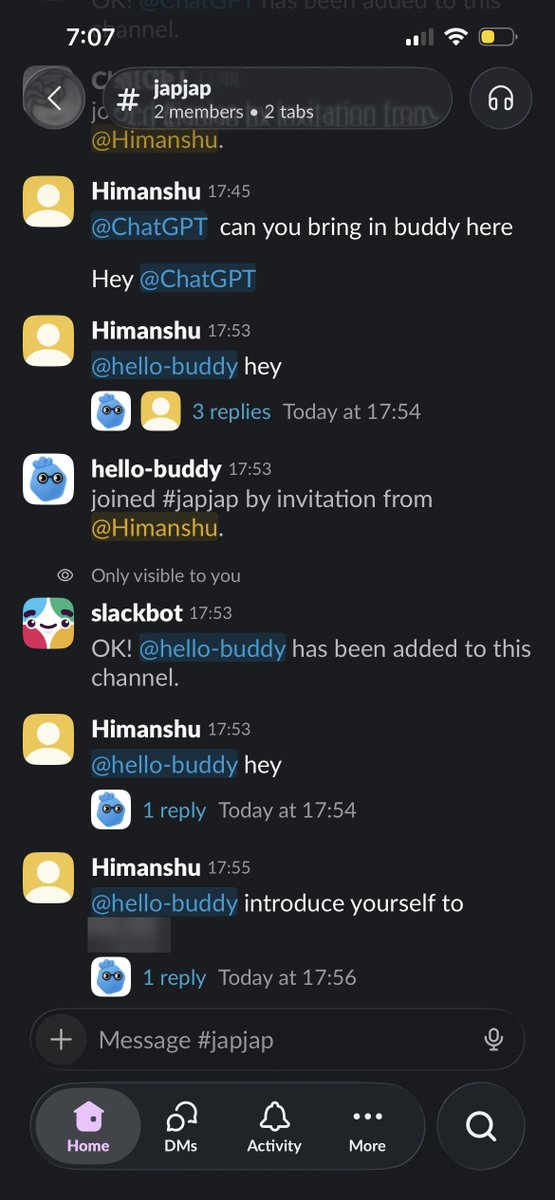
I added my AI agent to a free Slack workspace so my wife could use it too.
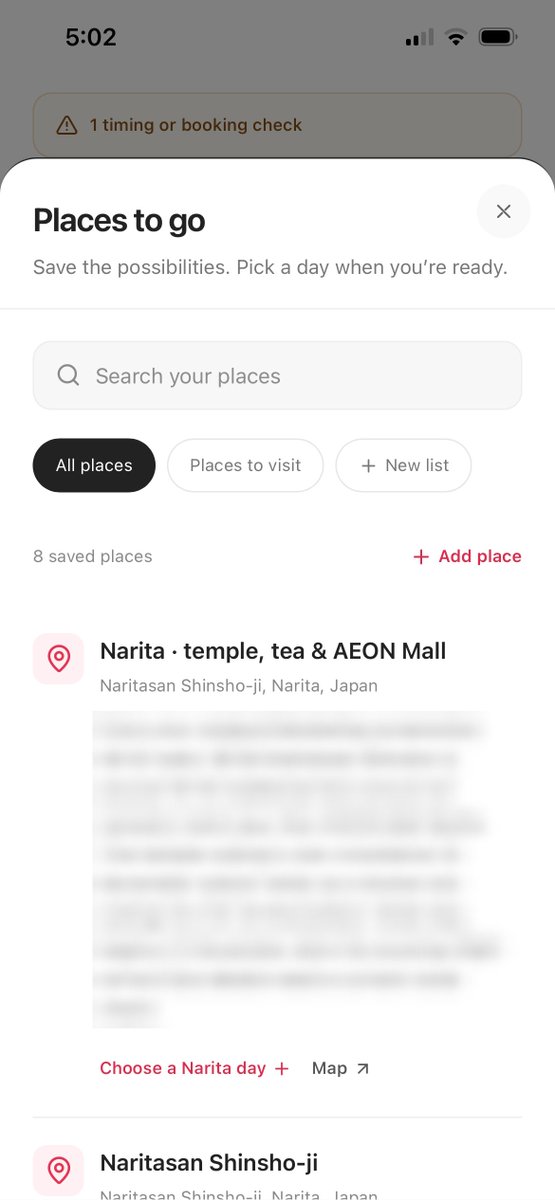
Now it's in our Japan trip channel. It knows our flights and stays, and either of us can just tag it with a question.
Hit a permissions issue later, but the fact you can drop your own agent into a free Slack and collaborate with whoever you want is pretty cool.
Agents are going from personal tools to shared teammates.
I set up an AI agent today and it was writing my social posts within the hour. With Hermes, setup took me days.
Grok Bot:
- When it needed an API key, it opened a secure popup. The key never went in the chat.
- Stupidly fast replies.
- Reads 𝕏 out of the box, included in my plan.
- 4 Gmail accounts connected in minutes.
- I sent it 5 screenshots and asked it to blur anything personal. Done in about a minute. By hand that would have taken me ages.
Now I bookmark a post, it sends me a take in my voice, I tweak it, and the drafts are ready to go.
The catch: I can't pick the model or bring my OpenAI/Anthropic sign-in when I run out of usage.
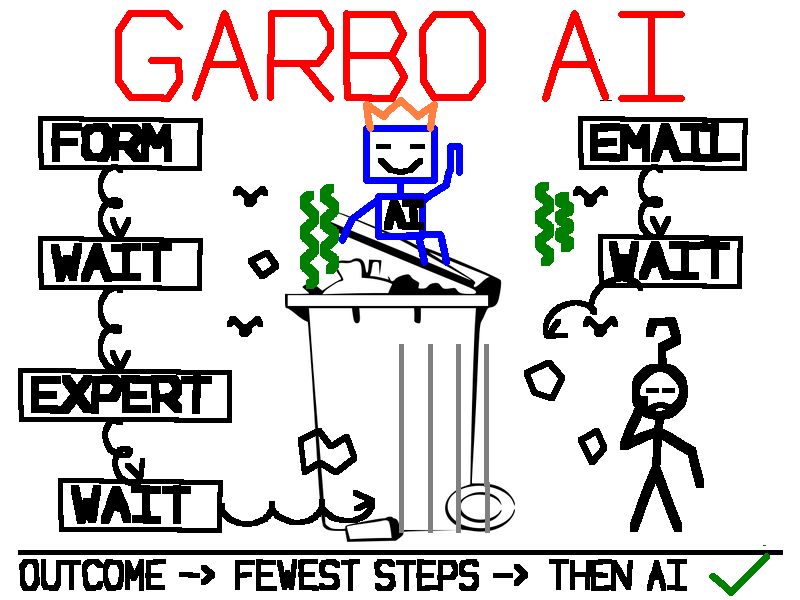
Has anyone heard of Garbo AI?
It's AI bolted on top of garbage processes.
Fill in the form, email it to an expert, wait, get it back, maybe understand it. Now AI fills in the form. Congrats, you've built an expensive clunky process.
Applied AI doesn't fail because of the tech. It fails because we automate the mess instead of killing it.
Start with the outcome, cut it down to the fewest steps and handoffs, and only then add AI. Otherwise you're paying tokens to reason about steps that shouldn't exist.
@AIToolSeekers This is a really good point. I guess when you share it with someone, you have to monitor api usage so you can pull the access at the right point.
I built a Japan trip app with OpenAI Dots. Showed my wife. She said "I already use Wanderlog, what's the point?"
Fair. Deflating, but fair.
So I asked Dots to add Wanderlog's features. It did most of them in minutes.
What it couldn't do: the data. Places, reviews, train lines, flight delays, map routes. That's all paid APIs. I got maybe 70% of the way there.
My take: soon nobody will say "build me an app". You'll say "I need X" and your agent will decide an app is the best way to do it, spin one up and let you share it.
Same as video editing. You used to hire an editor, now you do it on your phone. Experts aren't going anywhere, but a lot more people will just build their own.
Micro SaaS is in trouble. The moat is the data and the distribution, not the app.
@coryalthoff If this is the pitch, no wonder people dont want AI. I think this prediction is incorrect, if this technology is as good as we think, there should be more opportunities not less.
Microsoft’s announcement about local AI models for Windows and GitHub Copilot has me thinking more about hardware than another coding feature.
I think we’re heading towards AI running on computers people keep at home, with open-source models becoming much easier to set up. Potentially closed-source models too, while keeping data at home. Running a model locally doesn’t automatically mean every tool or data flow stays local, though.
My view is that software is becoming easier to build and is no longer the real moat. I expect more investment and defensibility to move towards hardware.
I welcome that. Hardware is hard. The physical world is hard, and there’s so much useful work still to do there.
Eventually, hopefully, this investment helps us solve more physical-world problems: build homes quicker, provide professional services quicker and cheaper, and give people more products and services to choose from.
That’s where I hope more of this AI progress takes us, beyond making software easier to build.