Official Turkish government accounts on X are proudly celebrating the sixth anniversary of the reconversion of Hagia Sophia into a mosque in 2020.
Hagia Sophia, the world’s once greatest cathedral, was first converted into a mosque after Ottomans conquered Constantinople in the fifteenth century.
In 1934, Turkey transformed Hagia Sophia into a museum.
Not letting churches operate as churches and converting them into mosques and other functions is a symbol of Islamic conquest and supremacy.
Meanwhile, Turkey and Qatar are building mosques across Europe, North America and other regions around the world.
Thank you to the bipartisan California members of Congress who serve on the House Foreign Relations Committee, for calling on Azerbaijan to immediately release all Armenian hostages. Thank you for your solidarity and pro-Armenian advocacy.
#FreeArmenianHostages
When the enemy within,
@NikolPashinyan / Նիկոլ Փաշինյան and @presidentaz They are competing who will have more Armenian leadership in the prison.
In Armenia arbitrary arrests have become increasingly common in Armenia. They contend that people are detained not because they have committed crimes, but because they oppose the government or have become politically inconvenient,
the concentration of power has reached a point where decisions can be carried out with little meaningful oversight. They argue that once an order is given from the highest levels of government, law enforcement and other state institutions implement it without questioning its legality or fairness. In their view, this reflects a dangerous erosion of judicial independence, due process, and the rule of law.
Two Lands. Two Tragedies. One Important Difference.
Artsakh and Gaza are not identical, but they share painful similarities. Both are lands where people lived for generations. Both have experienced war, displacement, and immense human suffering. Families lost their homes, their communities, and in many cases, everything they had built over a lifetime.
The difference, in my view, is where responsibility lies.
In Gaza, the conflict is between two opposing sides—Israel and Hamas/Palestinian armed groups—within a long-running and violent conflict. Civilians have paid a terrible price.
In Artsakh, I believe the tragedy cannot be understood by looking only at Azerbaijan. I believe Armenia's own leadership under Nikol Pashinyan / Նիկոլ Փաշինյան "The Butcher of Ijevan" also bears responsibility for decisions that contributed to the loss of Artsakh and the displacement of more than 120,000 Armenians. That is why I often refer to the "enemy within."
What I find most troubling is what I see as selective outrage. Many public figures speak passionately about Gaza, yet have been far less critical of the Armenian leadership over the loss of Artsakh. If we demand accountability in one case, we should be willing to demand it in the other as well.
This is not about excusing suffering anywhere. Innocent civilians deserve compassion regardless of their nationality.
My point is simple: our principles should not change depending on who is involved. Justice, human rights, and accountability must be applied consistently. Without consistency, moral credibility is lost.
Critical thinking means applying the same standard to everyone—not only to those we oppose, but also to those we support
Arpine Soghoyan, the head of 1 of the departments of the Yerevan polyclinic №16, with whom #Pashinyan argued in May, was fired. The "official" reason is downsizing. In fact, the officials just waited for the #elections so that there'd be no resonance, and took revenge.
#Armenia
SHOCK!
Zelensky’s military commissar is strangling and beating a girl !
The Ukrainian people hate this government !
This is real terror against their own nation.
A new "court session" on the complaints of Armenian hostages was held in Baku. Former President of #Artsakh Bako Sahakyan stated that he did not agree with the charges. David Manukyan's "defense" requested that he be acquitted. The next "hearing" will take place on July 17.
An application in Ruben Vardanyan’s case will be submitted to the European Court of Human Rights in the coming weeks, after his judgment was finally obtained from Azerbaijan.
International law expert and Armenian Legal Center Executive Director Siranush Sahakyan said the case will argue that the charges against the former Artsakh state minister are politically motivated and that the collective right to self-determination was unlawfully treated as terrorism.
Azerbaijan has still not provided the judgments of 15 other Armenian captives, including members of Artsakh’s former military and political leadership. The ECHR has ordered Baku to submit those rulings by August 31.
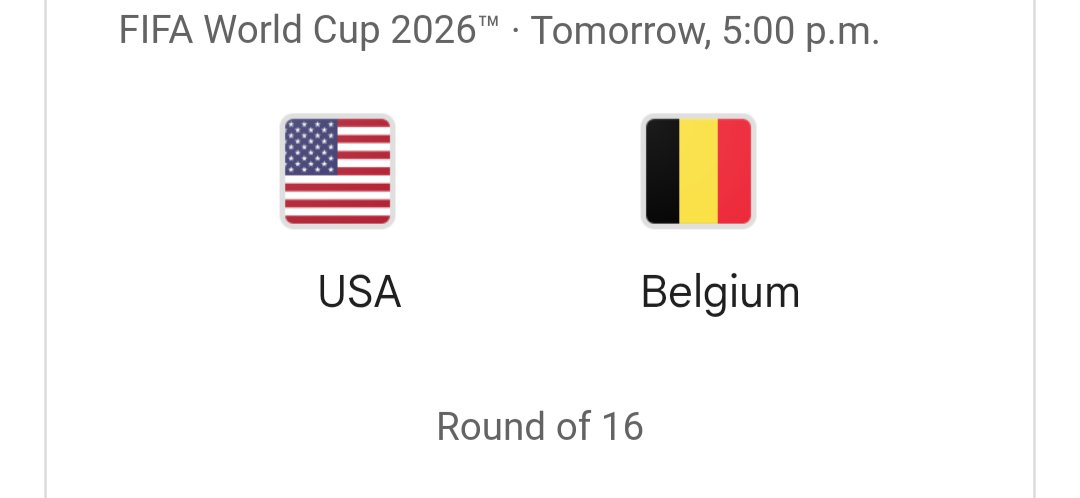
Who are you cheering for tomorrow?
Donald Trump has done the impossible: he's united billions of people around the world in cheering for Belgium tomorrow.
Serzhik when Pashinyan says Azerbaijan did not even threaten Artsakh civilians vs. Serzhik when Israel wields the Armenian Genocide for its own purposes.
@HorizonWeekly He is a turk who speaks Armenian fluently. His mandate has been to destroy anything Armenian including the recognition of the Armenian genocide.
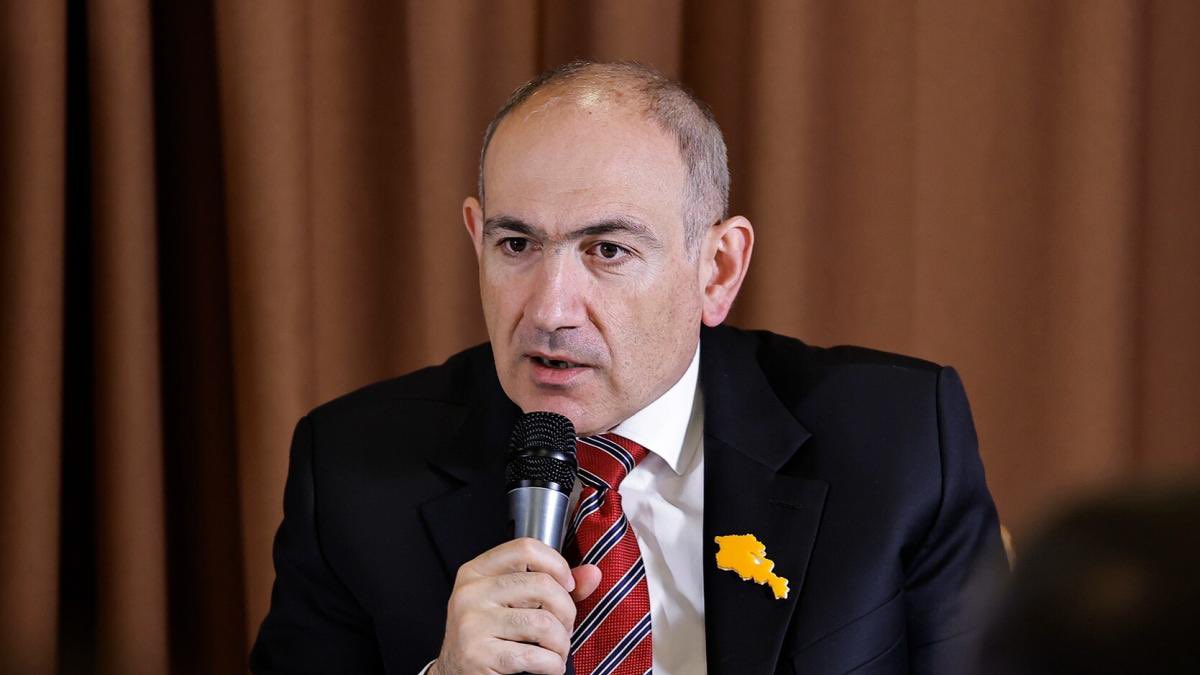
Nikol Pashinyan says Yerevan sees no need to respond to Israel’s official recognition of the Armenian Genocide, arguing that Armenia should avoid entering what he described as the “weaponization” of the issue.
The position is striking. Israel’s recognition comes after decades of hesitation and follows a unanimous government decision backed by Foreign Minister Gideon Sa’ar and supported by Prime Minister Benjamin Netanyahu.
While the timing is clearly linked to Israel’s worsening relations with Turkey, Armenia’s silence raises questions. A measured response could have welcomed the long overdue recognition while making clear that the Armenian Genocide must never be reduced to a diplomatic tool.
Instead, the Armenian government has chosen not to publicly acknowledge a decision of major historical and political significance.
Breaking News: @NikolPashinyan / Նիկոլ Փաշինյան in Panic
Israel's reported move toward official recognition of the Armenian Genocide has sparked significant discussion. If the Knesset ultimately approves such recognition, it would mark an important development in Israeli-Armenian relations.
Critics of Armenia's government argue that Prime Minister Nikol Pashinyan now faces a difficult political situation. They contend that his administration has sought closer ties with Turkey and has taken a more cautious approach on issues related to the Armenian Genocide.
Turkey continues to reject the characterization of the 1915 mass killings and deportations of Armenians as genocide, a position that has long been a source of tension with Armenia and many other countries. Critics question how the Armenian government will respond if Israel formally recognizes the genocide, given its current diplomatic approach toward Turkey. #փաշինյանհեռացիր