Ya he VISTO la película de WE THE HISPANOS, aquí os dejo las ENTREVISTAS o OPINIONES que pude sacar después de la película @HispanidadTr@CanalHispanidad@HeroeHispanidad
https://t.co/EOCafVWNMe
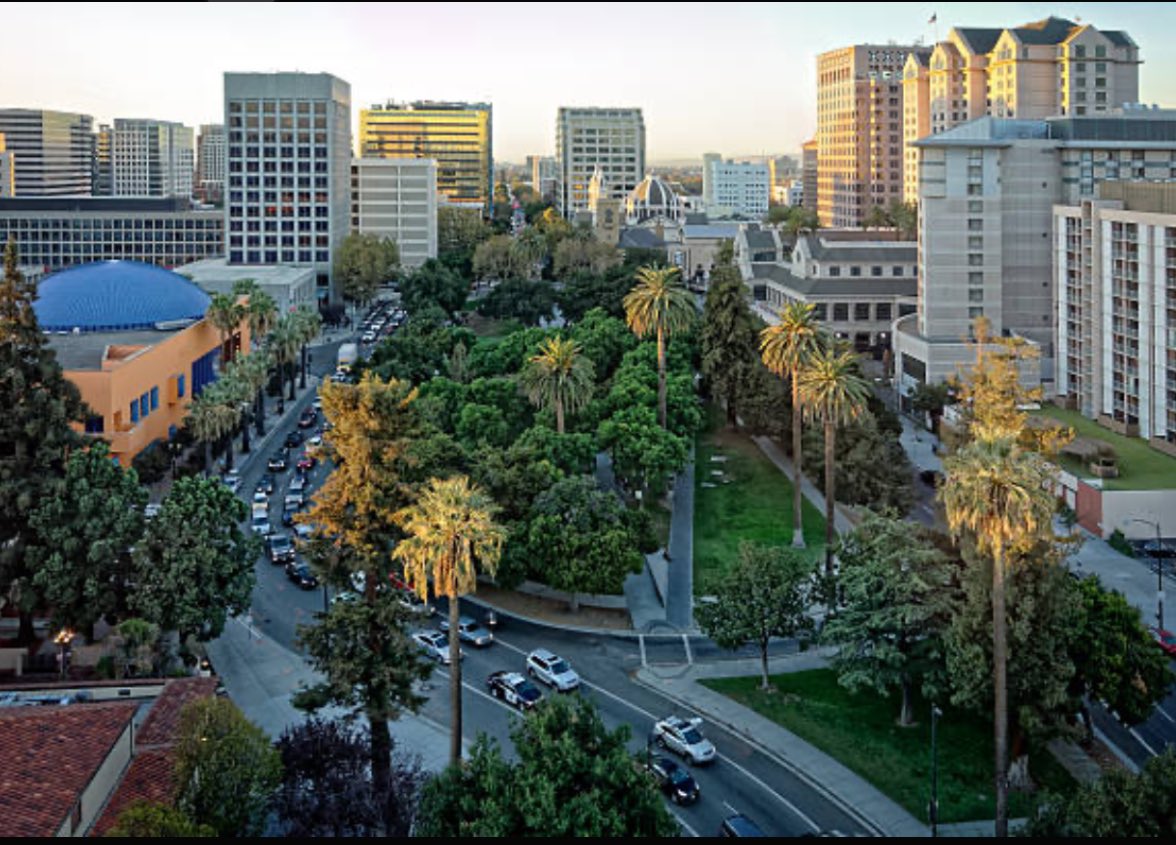
I’m launching a campaign to change the name of Cesar Chavez Plaza in San Jose to De Anza Plaza, after Spanish military officer Juan Bautista de Anza, a founding father of the Bay Area, what was then known as Pueblo de San José de Guadalupe. I need a million signatures.
https://t.co/0QKGx63Kl8
Most people imagine the Spanish Empire as a rigid racial hierarchy. The myth of the “caste system” was invented centuries later. In reality Indigenous nobility from Mexico to the Andes kept their titles, privileges and social rank under Spanish rule.
The Spanish Crown recognized caciques and principales as legitimate nobles with real authority. This was not symbolic. They held privileges in government, law and the church. Many Indigenous aristocrats even had “cleaner bloodlines” than European commoners.
Take Sebastiana Inés Josefa de San Agustín. She was an Indigenous noblewoman whose prestige surpassed that of many Spaniards born in Europe.
Her status shows that the legal system valued lineage, legitimacy and service rather than race. Indigenous elites used the title don and were treated as señores with recognized authority.
Pre-Hispanic societies had strict social stratification that blocked mobility between nobles and commoners. Only birth within the ruling lineage granted privilege. Spanish reforms changed this by opening new paths for Indigenous commoners who had been excluded under the old order.
In New Spain, many nobles even complained that the Nuevas Leyes allowed macehuales (Mexica plebeians) to rise socially and economically. Spanish reforms weakened Indigenous caste barriers. The Crown wanted integration and loyalty, not a frozen hierarchy.
Spanish law also protected Indigenous nobles from abuses by local officials. They could appeal directly to the Crown. This created a legal space where Indigenous elites acted as partners in governing their communities.
Entire pre-Hispanic aristocracies were absorbed into the imperial structure. The House of Moctezuma held titles in Castile. The panacas of Cuzco had roles in noble councils. Tlaxcalan lords received privileges for their alliance. Charles V was even recognized by Andean nobles as the fifteenth Sapa Inca.
Institutions like the Alférez Real de los Incas formalized Indigenous nobility in the imperial system. Noble families elected representatives for civic and ceremonial duties. Local authority was preserved while being tied directly to the monarchy.
Indigenous nobles enjoyed concrete privileges. They were exempt from tribute. They could ride horses, bear defensive arms and wear Spanish clothing. They held precedence in ceremonies and could vote in Indigenous cabildos.
Their benefits did not stop there. They had pensions, tax advantages and authorization to hold specific trades and offices. They commanded militias and sat on municipal councils. In many communities they exercised real jurisdiction.
The Spanish even restored Indigenous orders of chivalry like the Caballeros Teclecs. This revived warrior traditions within a Christian legal framework.
It shows that the empire incorporated Indigenous institutions rather than erasing them.
By the late seventeenth century the Crown officially equated Indigenous nobles with Castilian hidalgos.
They could take roles that required limpieza de sangre, including positions in the clergy. A multiethnic elite emerged that made racial simplifications impossible.
Compared to pre Hispanic systems the difference is dramatic. The Spanish Empire created more mobility for common people who had been permanently excluded under Indigenous caste law. The Nuevas Leyes did not freeze race. They disrupted old hierarchies.
The empire does not fit the Anglo Protestant narrative of a racial system imposed by Europeans. Indigenous nobility survived, adapted and governed.
Spanish law recognized their legitimacy and expanded opportunities beyond what had existed before.
If we take this evidence seriously the entire framework collapses. Viceroyal society was not built on biological race.
It was built on jurisdiction, lineage, legal privilege and service to the Crown.
Indigenous nobles were not subject to racial domination. They were stakeholders in a complex imperial structure.
The textbooks never told you this.
But the archives did.
https://t.co/y3Zw9pU7A2 🎥🇪🇸🇺🇸
Hablando del nuevo documental
We the Hispanos, La Raíz Hispana de los EEUU
Con @CanalHispanidad en el V Congreso Internacional Hispanidad Cartagena 2025 @AchCavite
🇲🇽 The fact that, after Mexico’s independence in 1821, nobody rushed back to the sublime and benevolent cult of Huītzilōpōchtli —and that after two centuries of indigenist nationalism, religious persecution and Black Legend propaganda the country is still 91% Christian— should tell you absolutely everything you need to know about paganism.
Elivira Roca Barea: «No sé a cuántos tontos les he podido oír yo esta idea de que para América no iban más que los desgraciados (...).
A Cervantes mismo de mi alma no se le permitió marchar a América 🌎».
Únanse 👉 https://t.co/8mzK5fdl3P
https://t.co/y3Zw9pU7A2 🎥🇪🇸🇺🇸
Hablando del nuevo documental
We the Hispanos, La Raíz Hispana de los EEUU
Con @CanalHispanidad en el V Congreso Internacional Hispanidad Cartagena 2025 @AchCavite
🗓️ Plus Ultra: Legado – Launching on October 9, 2025
Dive into a Mesoamerican Metroidvania with vivid comic visuals, rich lore, dynamic combat, and a captivating OST. A true comicvania adventure awaits!
✅ Mark your calendars and add Plus Ultra: Legado to your Steam wishlist.
✨✞ The greatest woman in history since Mary, mother of Jesus— Queen Isabel the Catholic
Instrumental in the defence of Christianity in Europe
Sponsored the discovery of America
Launched the largest evangelization campaign since the Apostles
Won the longest war in history, expelling the moors from the peninsula
Unified Spain into a single kingdom, laying the foundations of the world’s most powerful empire at the time
Promoted women and prohibited slavery
Was a devoted wife and mother of five
Reformed justice and administration, creating one of the most efficient governments of her age
Codified universal human rights
A reminder:
– Tenochtitlán was founded in 1325. Mexico was not.
– Columbus reached the Americas in 1492. He did not reach Mexico.
– In 1521, Tenochtitlán fell. Mexico did not fall.
– In 1532, the Viceroyalty of New Spain was born. Mexico was not.
– The Viceroyalty of New Spain was founded as a Translatio Imperii — the sublation of the Mexica polity into the universal imperium of Charles V.
– There was one empire comprised of Viceroyalties and Captaincies General, not colonies. Mexico did not yet exist.
– Mexico was born in 1821 (not 1810) from the political, legal, religious, and economic structures of the Viceroyalty of New Spain
Francisco Javier Girón y Ezpeleta,
Duque de Ahumada
The descendant of Moctezuma who played a key role in founding Spain’s Guardia Civil 🇪🇸
By Mario Opazo
El Trastero de la Historia @trastero_de