Air launch to orbit was an idea initially pursued in the 1950s with the NOTS-EV-1 Pilot. However the first successful orbital air launch was conducted in 1990 with Pegasus.
To date three air launch vehicles have reached orbit:
Pegasus
Pegasus XL
LauncherOne
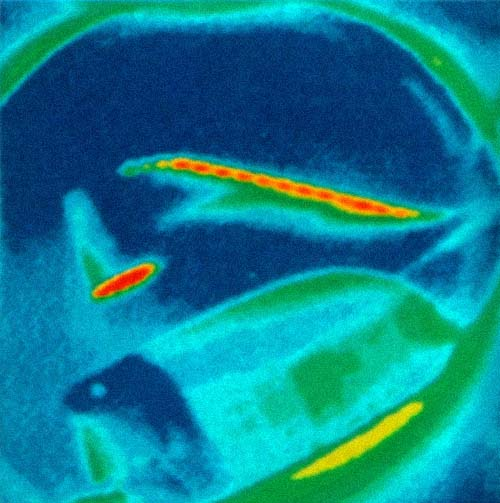
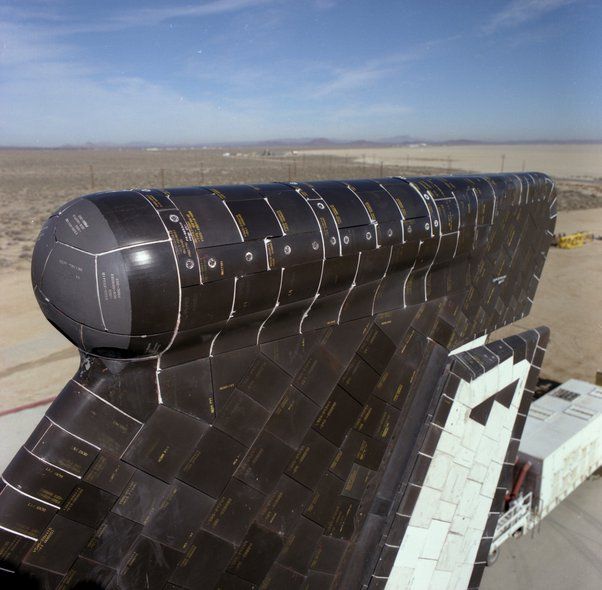
The SILTS pod was a camera/sensor suite attached to Space Shuttle Columbia that was used to analyze the vehicle during reentry. It was used from STS-9 to STS-40 when the camera suite was removed, but the pod was kept for usage with other experiments later.
📸credit @NASA
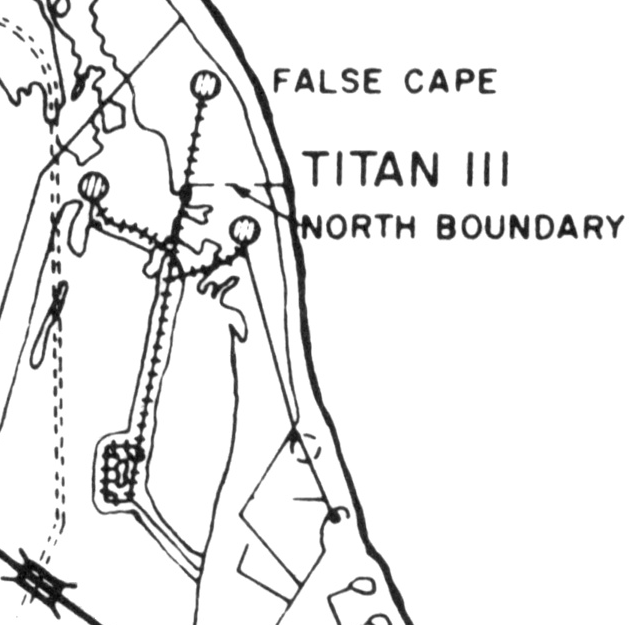
The ITL Complex (Integrate Transfer Launch) is one of the most used sites at CCSFS. The original design called for a third launch site, known as SLC-42. This pad was never built. SLC-43, 45 have since built and demolished, and SLC-46, and LC-48 and 47 have also been built.
#OTD 25 years ago, Athena II made its maiden flight, sending the Lunar Prospector to the moon. This rocket was the first vehicle to make an orbital flight from SLC-46.
It’s a MOL double!
Robert Henry Lawrence Jr. Was selected as a MOL Astronaut in 1967. He was the first African-American Astronaut, and likely would have been the first in space. Lawrence was unfortunately killed in an F-104 training accident before he ever flew to space.
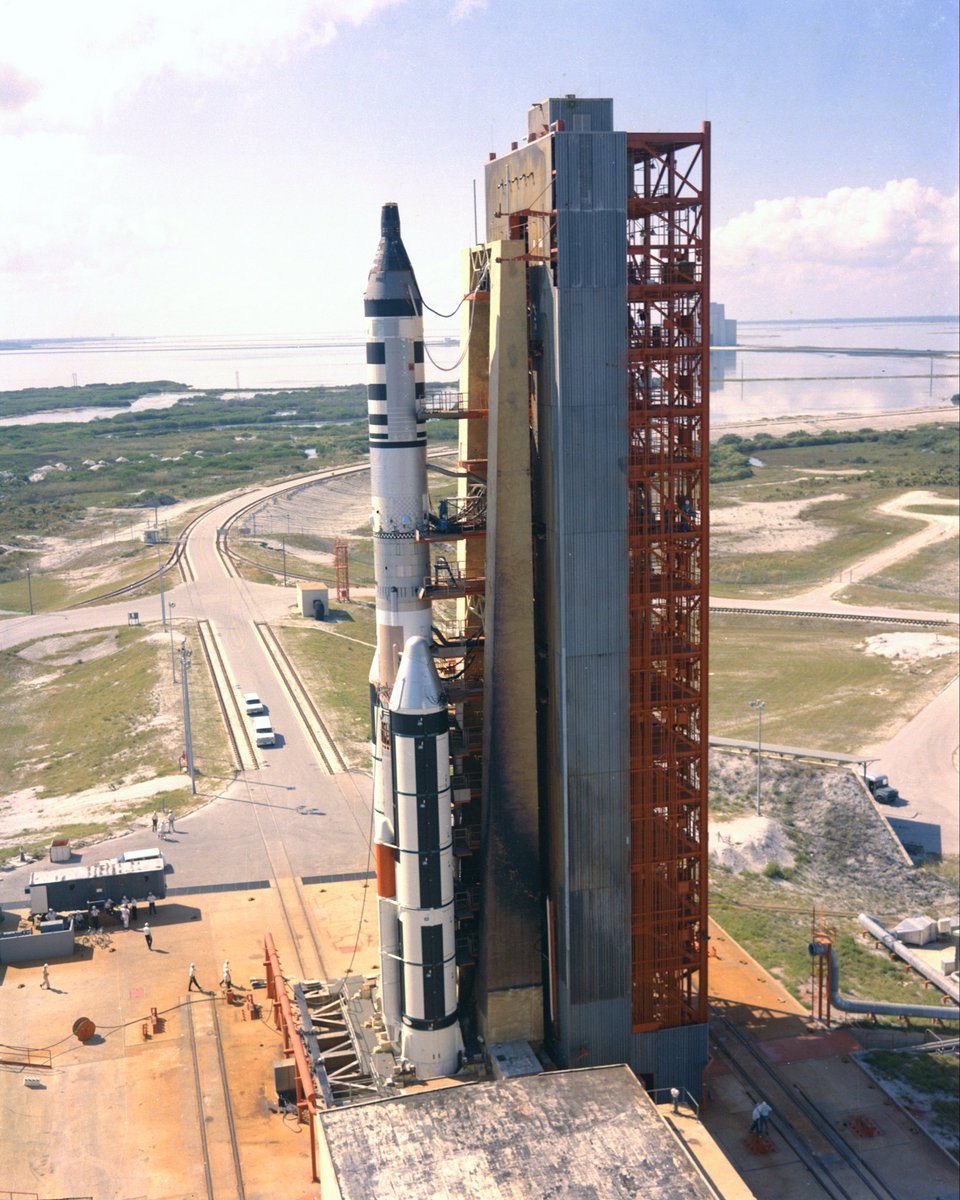
The Manned Orbiting Laboratory was a planned set of military space stations that would be used as a reconnaissance satellite. Each one would be launched and used for 60 days with a modified Gemini capsule as the return vehicle for the two crew members.
The Manned Orbiting Laboratory was a planned set of military space stations that would be used as a reconnaissance satellite. Each one would be launched and used for 60 days with a modified Gemini capsule as the return vehicle for the two crew members.
STS-2 was the second flight of the Space Shuttle program and the first to carry the now famous Canadarm.
Canadarm 3 is currently being designed and built for usage on the Gateway Lunar Space Station.
Skylab 4 was the third and final mission to visit Skylab. The mission lasted for 83 days, becoming the longest single flight of a crewed US spacecraft until February 8, 2021 when the SpaceX Crew 1 mission eclipsed Skylab 4’s record.
📸 @NASA
This configuration would be mirrored in 2022 with the Falcon 9 Crew 4 mission on LC-39A, and the Artemis I SLS on LC-39B, an invert of what was seen in 1973.
📸@derekdotspace
During the Apollo program, LC-39A and B were only jointly occupied once. This was during preparation for the Skylab 1 and 2 missions as the final Saturn V stood alongside a Saturn 1B.
📸@NASA
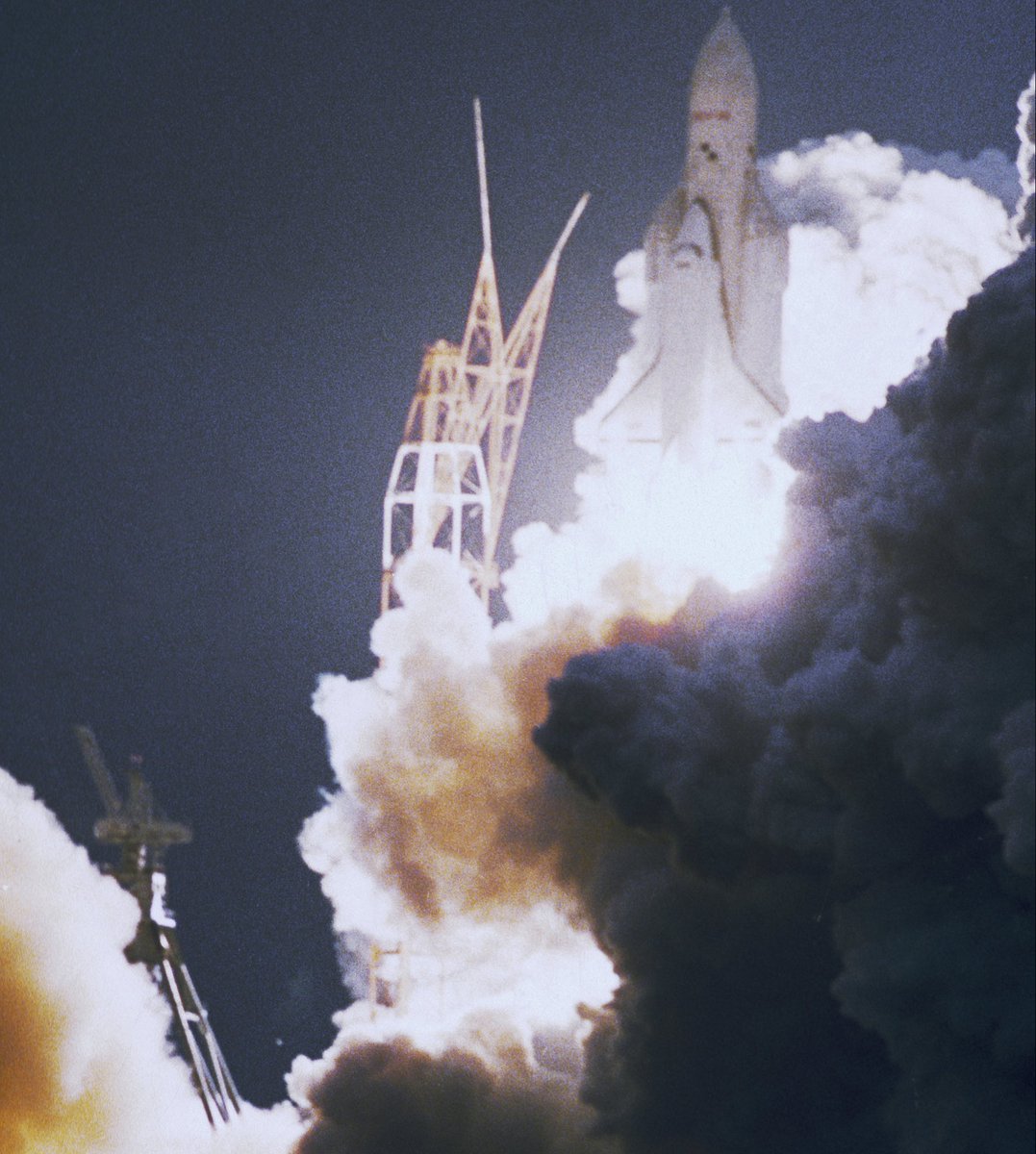
On this day in 1988, the fifth “Space Shuttle” made its first and only flight.
Buran was the Soviet Union’s answer to the US Space Shuttle program, and successfully flew a robotic mission.
Unfortunately with the collapse of the Soviet Union, so too collapsed the Buran program.
Apollo 10 was the only time LC-39B had to be used for a Saturn V as the rollout of Apollo 10 was just 8 days after Apollo 9 lifted off from LC-39A, not nearly enough time to repair and refurbish the pad from damage sustained during the liftoff of a Saturn V.
On May 18th, 1969, Apollo 10 lifted off from Launch Complex 39B on the final test flight of the Apollo spacecraft before the first moon landing.
Just two days later on May 20th, SA-506 would roll out to Launch Complex 39A to begin final preparations for the Apollo 11 mission.
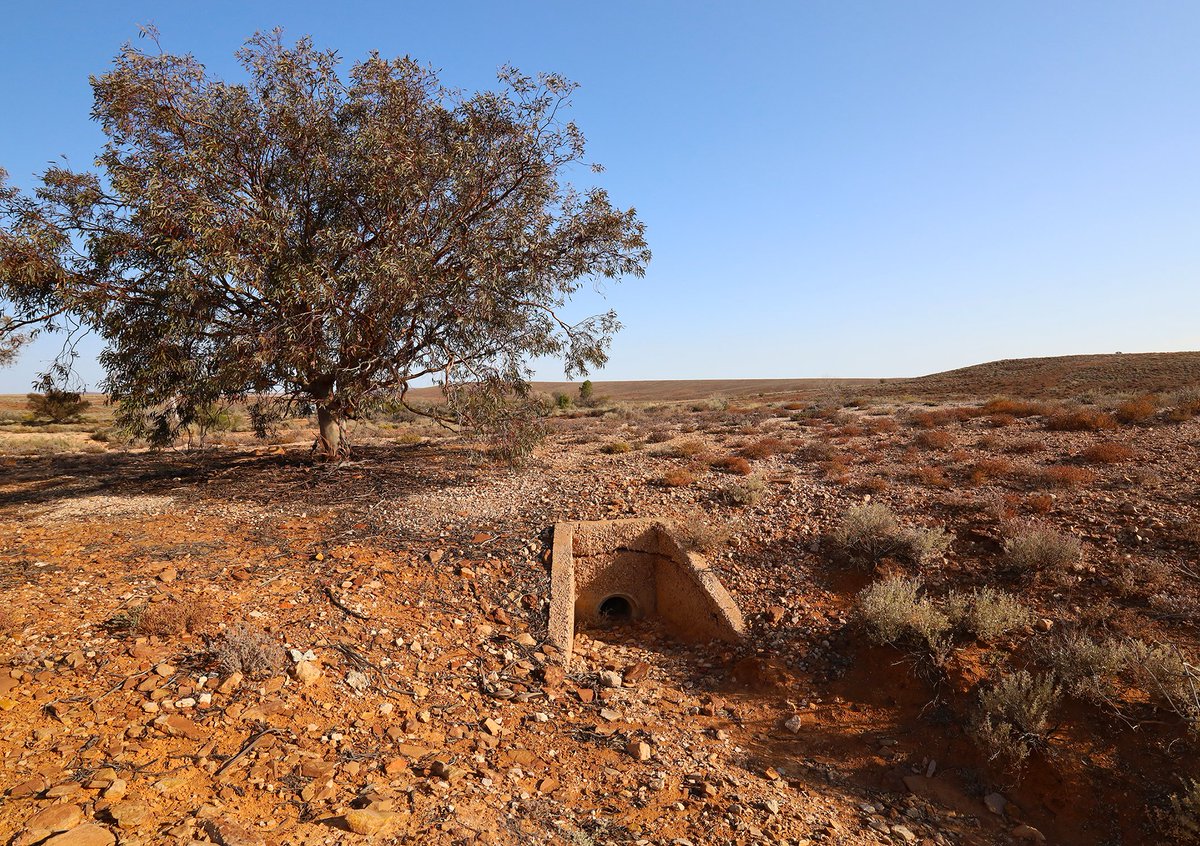
More photos from the site of the remote Island Lagoon Tracking Station (Deep Space Station 41) near Woomera. Not much left.
@HistoricSpace#SpaceScience
NASA considered many support vehicle to work with the Space Shuttle. One of these, known as Shuttle C, was nearly green lit, with a full scale prototypes being produced. However a lack of SSME production along with cargo volume limitations ended Shuttle C before it could fly.
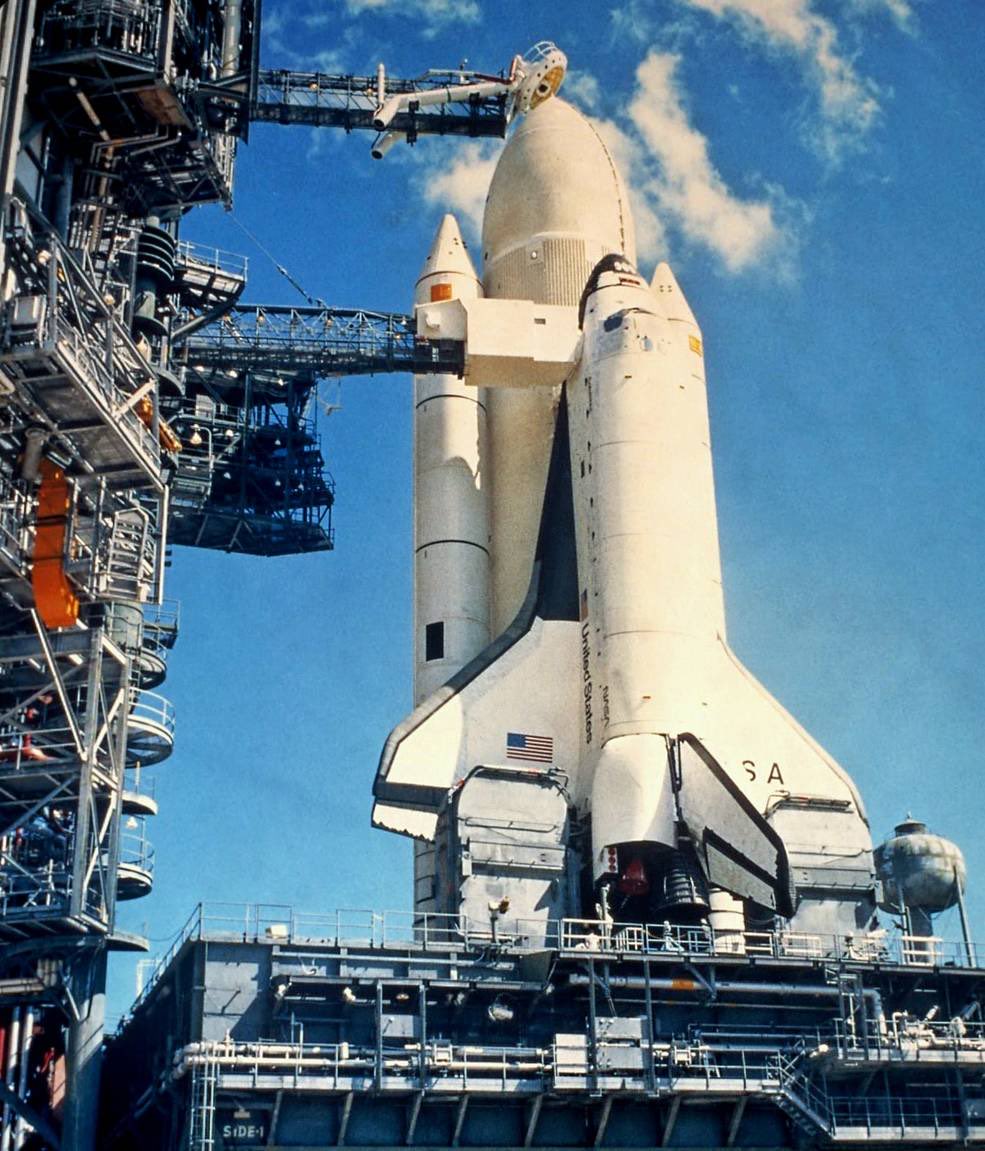
In the skies above Edwards Air Force Base, the Space Shuttle spread its wings for the first time.
45 years ago today Enterprise would make that first trip to the skies for the orbiters, gliding down to a safe landing 5 and a half minutes after release.
📸 @NASAArmstrong
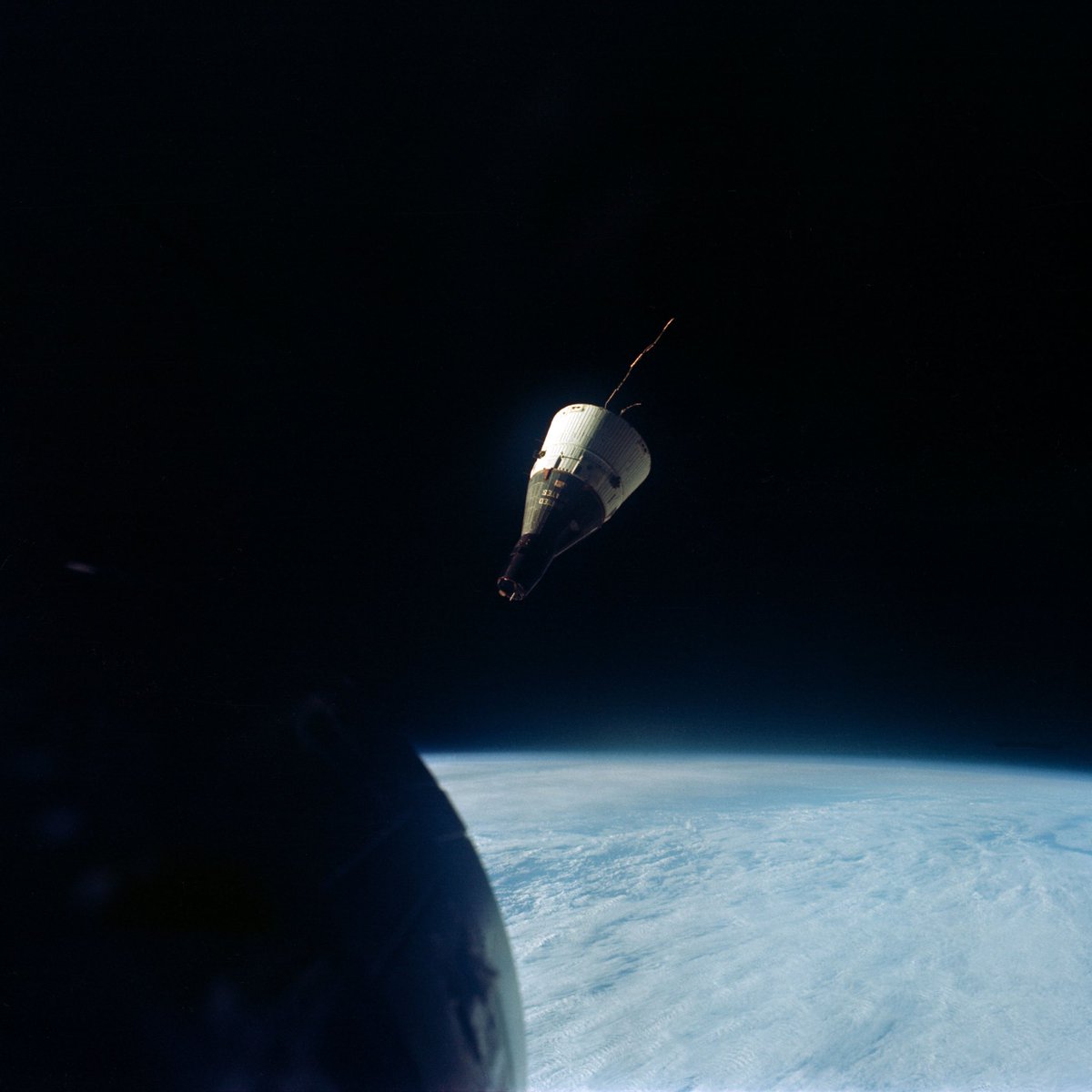
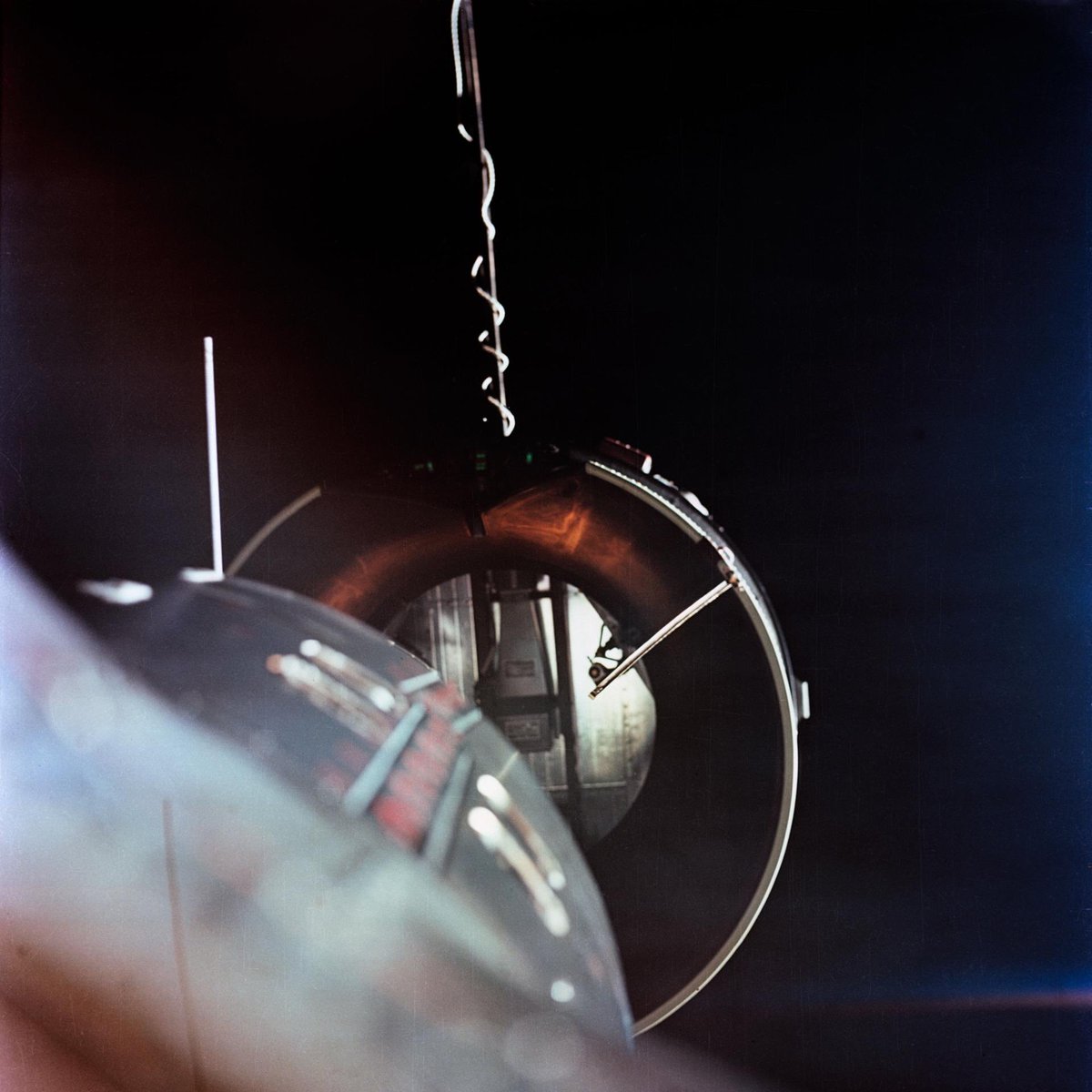
This was followed just months later by Gemini 8 which achieved the first docking between two spacecraft on orbit, when it docked with its Agena Target Vehicle on March 16, 1966.
The Vostok 3&4 vehicles lacked any ability for fine orbit control, and only got as close as their initial orbits allowed, not achieving a rendezvous.
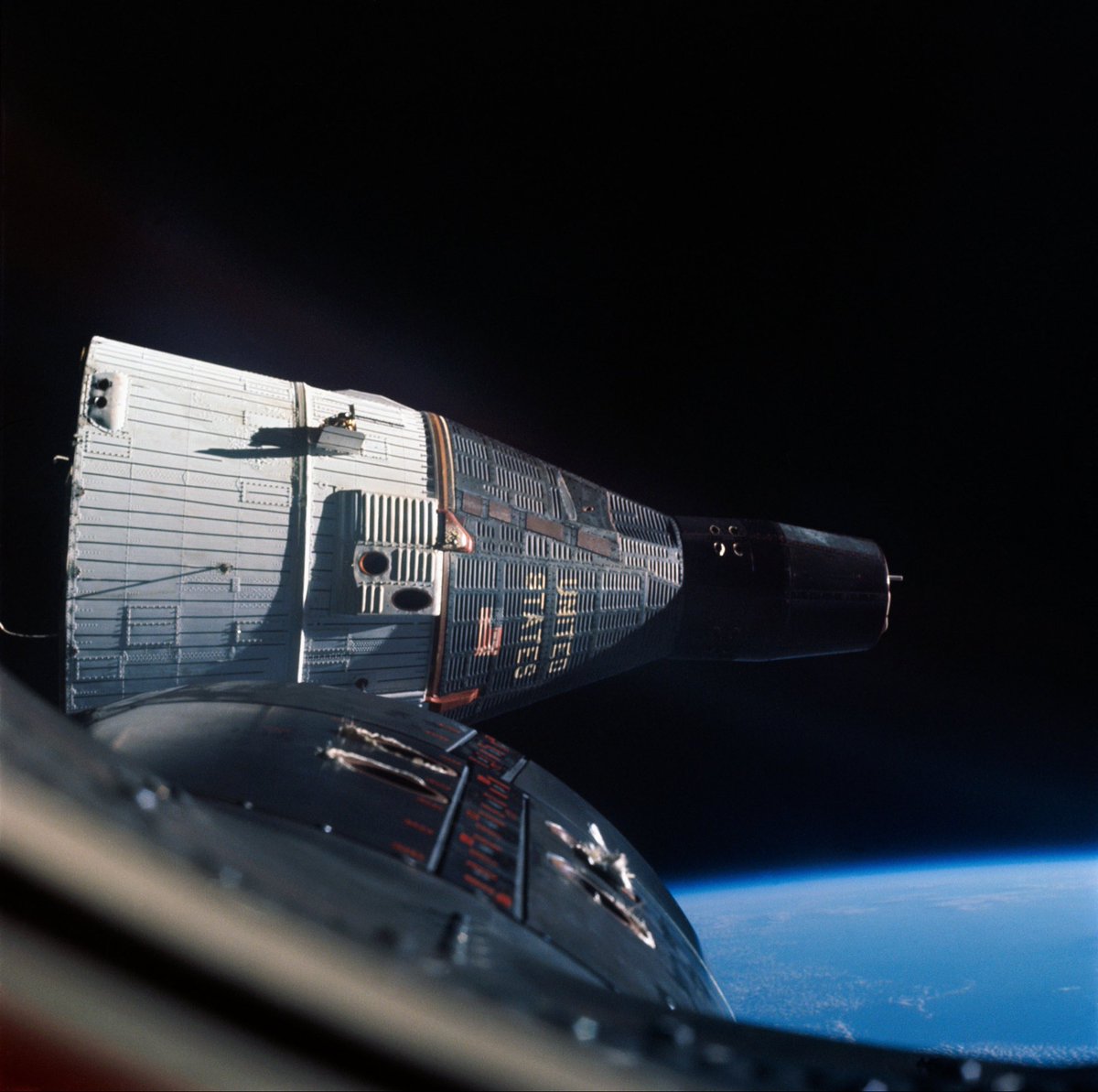
However in 1965 the Gemini 6&7 missions from the US successfully rendezvoused and kept station as close as 30cm from each vehicle
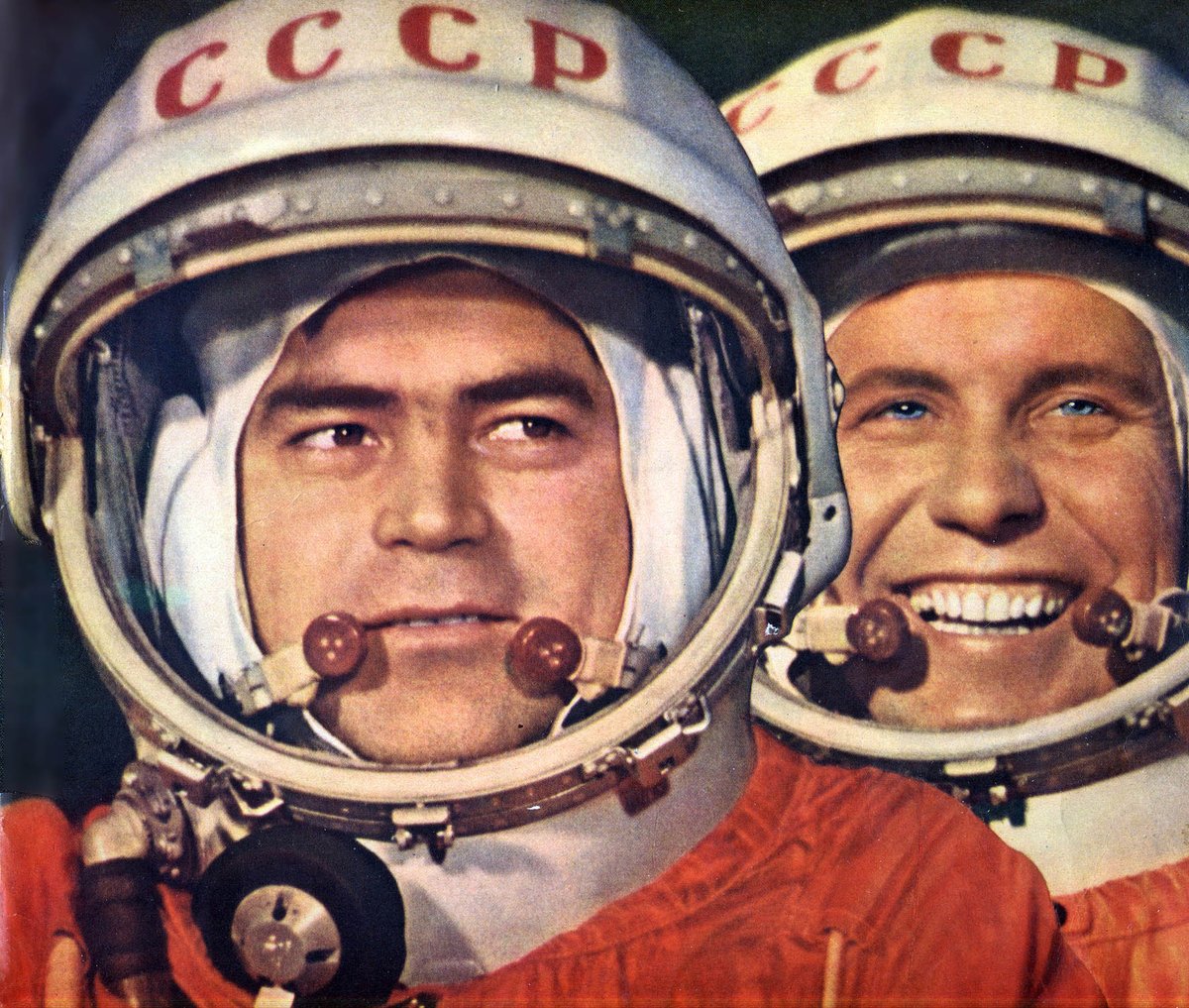
🗓 #OTD 6️⃣0️⃣ years ago, in 1962, a major space exploration milestone was achieved - #Vostok3 space mission launched from #Baikonur. The next day #Vostok4 followed.
Cosmonauts №3 & 4, Nikolayev & Popovich, met in orbit - only 6,5 km apart.
🚀 1st group spaceflight in history.
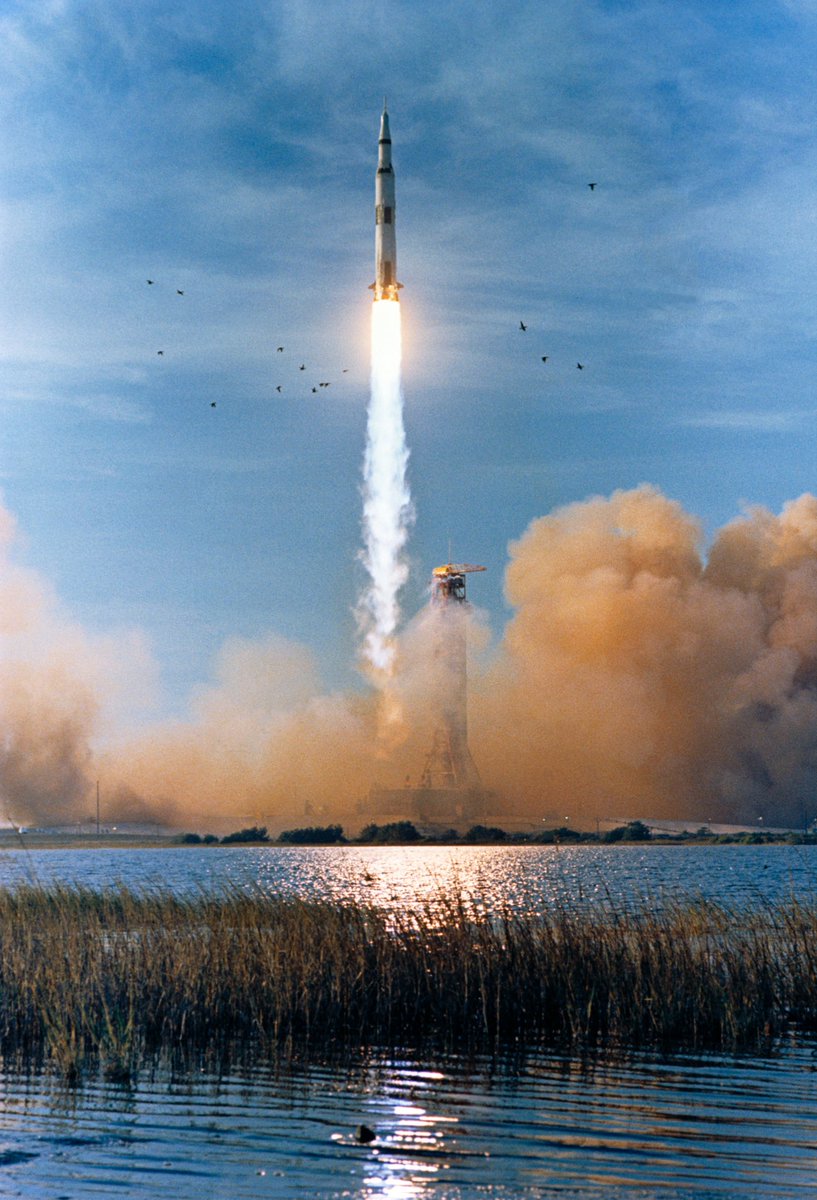
Apollo 8 was one of NASA’s most ambitious missions ever flown, taking the Saturn V and Apollo CSM on their first trip to the moon, and with a crew of 3 aboard. The incredibly successful mission helped paved the way for Apollo 11’s 1969 lunar landing.
📸 @NASAhistory