You can now install Claude artifacts as desktop apps on Mac and Windows.
Ask Claude to build an artifact, click "Install as app", and open it like any other app. It can use your connectors and, if you allow it, send notifications or add a menu bar item.
A Bitcoin block hash isn't "finding leading zeros" — the hash is read as a 256-bit integer and must be below the target. Difficulty is just a division. Miners aren't solving puzzles; they're rolling a cosmic die quintillions of times a second, hoping for a small number. #g33klife
Proof of work comes before storytelling.
Top line hashrate numbers are impressive, but meaningless without underlying production numbers.
You can't underwrite a story.
FACT: Twenty One Capital $XXI now only needs to buy 160 more #Bitcoin to flip Metaplanet $MPJPY and become the world's 2nd-largest BTC treasury company.
The treasury race is heating up 👀🔥
4 percent is the top of the FPPS fee chart.
FPPS pools publish fees from 2 to 4 percent, the highest band on the market. The cause is on the pool's balance sheet: it pays every share its expected value daily and keeps reserves against runs of bad luck, and the reserves are priced into the fee.
By contrast, 2 percent is the top of the PPLNS band, which runs from 0 to 2. The pool holds no reserves because the miner accepts payment variance.
1/X
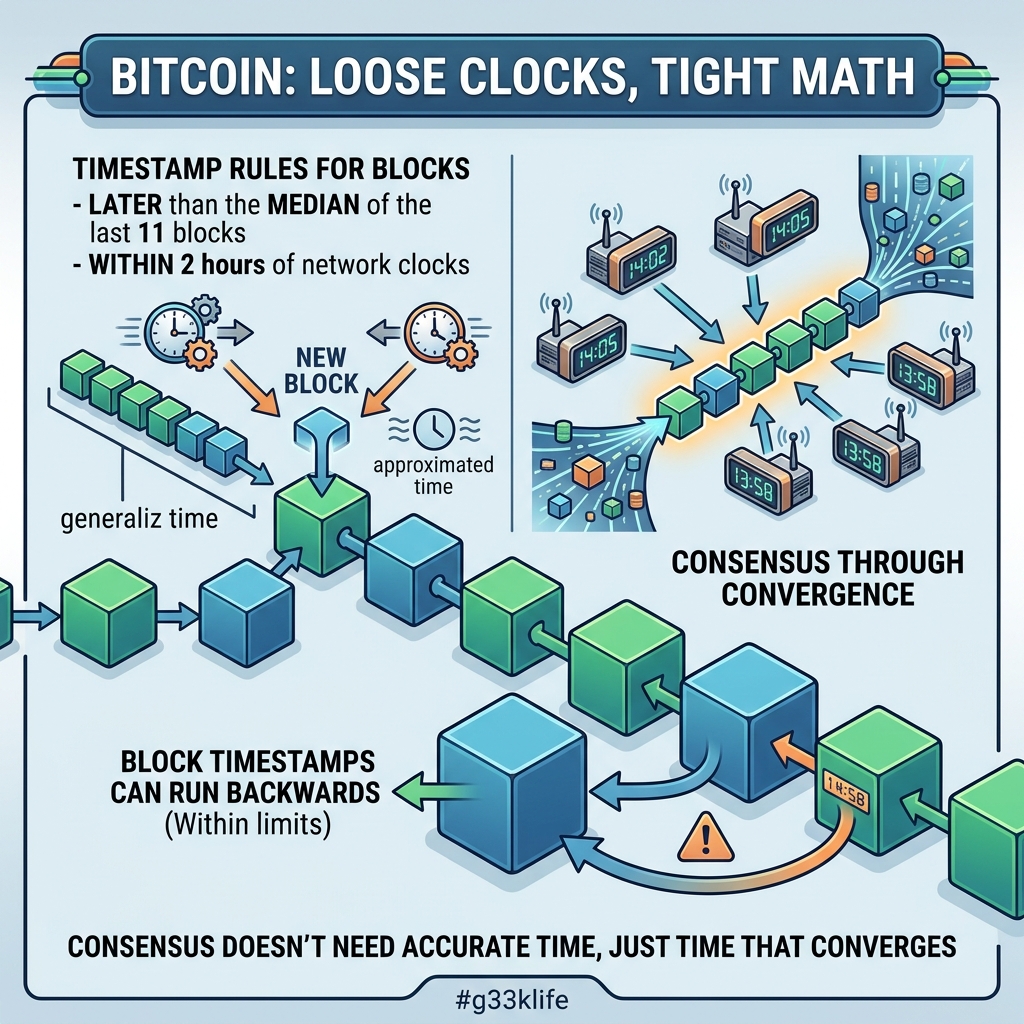
Bitcoin block timestamps can run backwards, a block only needs a time later than the median of the last 11 blocks and within 2 hours of network clocks. Consensus doesn't need accurate time, just time that converges. Loose clocks, tight math. #g33klife#bitcoin
BITCOIN MINING IS TURNING LANDFILL METHANE INTO 'DIGITAL GOLD'
Bitcoin environmental researcher @DSBatten says his company, CH4 Capital, is preparing to launch a 2-megawatt Bitcoin mining operation at a landfill outside Mexico City.
The project aims to capture methane that would otherwise escape into the atmosphere, convert it into electricity, and use that power to mine Bitcoin.
Methane is approximately 86 times more potent than CO₂ over a 20-year period, making landfills a significant contributor to global emissions.
Rather than spending millions on infrastructure to simply destroy the methane, landfill operators could generate revenue by supplying gas-derived electricity to Bitcoin miners.
The miners, meanwhile, could access electricity for approximately $0.01 per kilowatt-hour, while potentially earning additional revenue from carbon credits generated through verified methane destruction.
Batten estimates the infrastructure required for the initial 2-megawatt project will cost an additional $3 million to $4 million, with operations expected to take roughly a year to bring online.
His longer-term ambition is to deploy approximately 327 megawatts of landfill-powered Bitcoin mining across 41 sites.
Batten argues that, at that scale, the methane emissions prevented could exceed the emissions associated with powering the entire Bitcoin network, potentially making Bitcoin mining a net carbon-negative industry.
If successful, the model could turn an environmental liability into a revenue-generating asset while expanding Bitcoin mining into previously untapped energy markets.
Que se cuece con las grandes mineras, a dónde va el hashrate y qué demonios le pasa a los fabricantes de ASICs... Pues eso tal cual lo analizo en el último v��deo.
Tansólo deciros que este trimestre se vendieron un 96% menos de ASICs que el año pasado
https://t.co/q15w5scbXQ
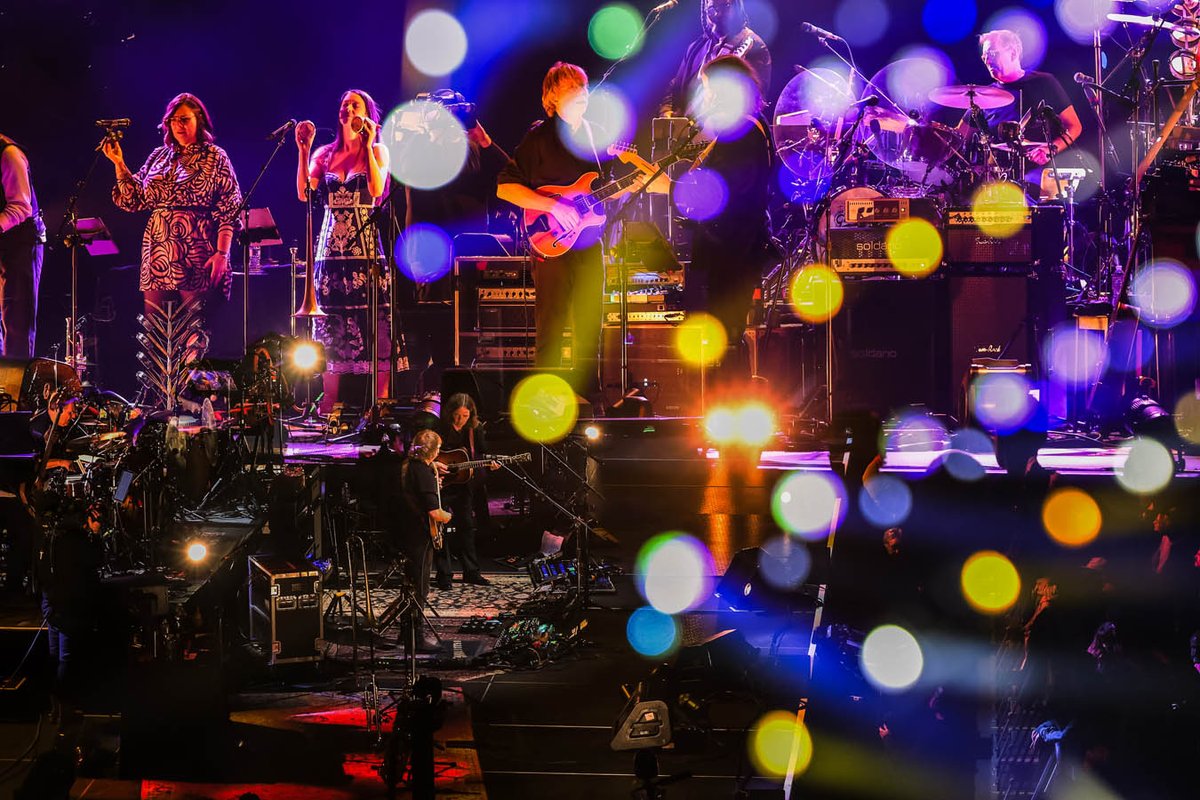
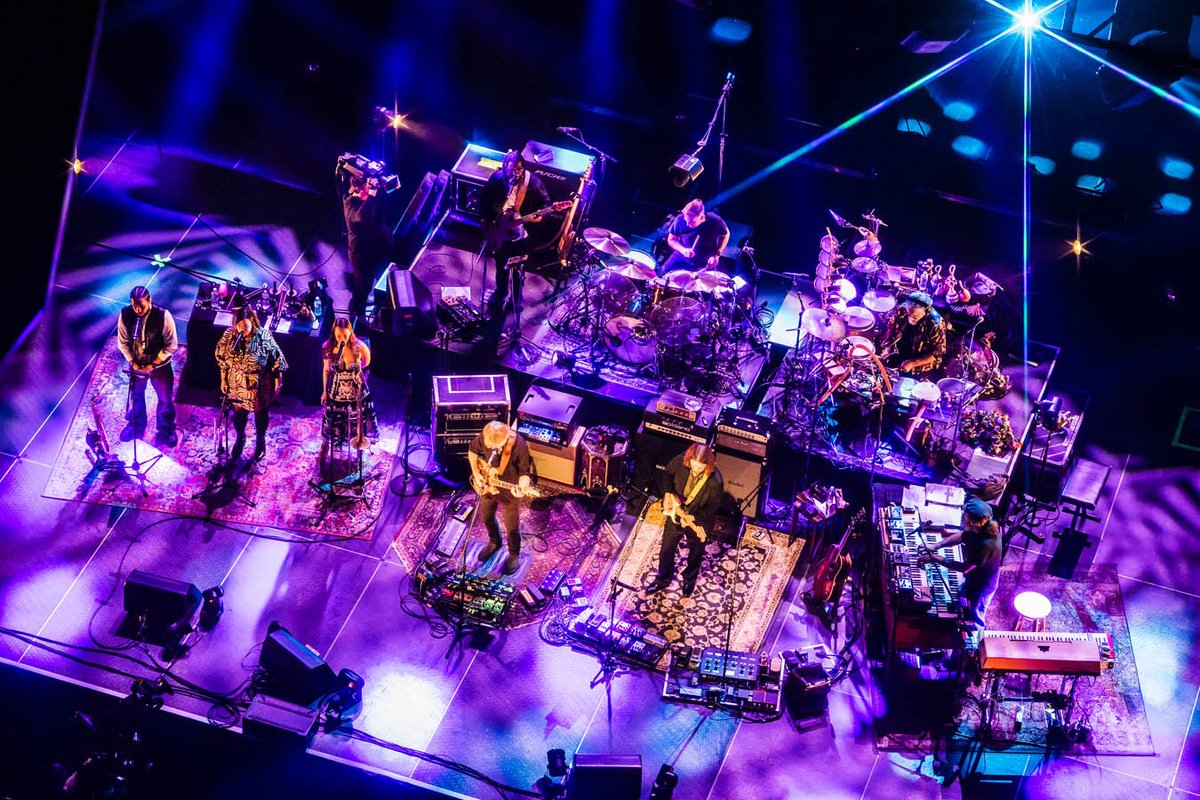
The Trey Anastasio and @BillyStrings show from Worcester, MA on 11/20/26 is available now for download and streaming via @LivePhish: https://t.co/aCokEBGRiV
Satoshi capped Bitcoin's supply with a geometric series: 50 BTC halving every 210,000 blocks sums to just under 21 million. The cap isn't a rule in the code — it's a limit, in the calculus sense. Monetary policy as a converging infinite series. #g33klife