We stop spammers, block fraudsters & enable businesses to connect with their customers again. See the news & insights on innovations that impact how we connect.
What country gets the most spam calls? What are the most popular phone scams in your country? You’ll find the answer to those questions and more in Hiya’s H1 2024 Global Call Threat Report. https://t.co/XTXCyKpepu
The Future of Fraud Calls: AI, Deepfakes, and Voice Manipulation
The Global Call Threat Report Q4 2024 by Hiya highlights the rapid rise of AI-generated voice fraud, contributing to a global loss of $1.03 trillion to scams in 2024, as estimated by the Global Anti-Scam Alliance. In Q4 alone, 11.3 billion unwanted calls were reported—an increase of 1.5 billion from Q3—with fraud calls accounting for 9% of all unwanted calls. Fraudsters are leveraging synthetic voice cloning to impersonate trusted individuals, bypass authentication systems, and execute high-value fraud schemes.
�� AI Voice Cloning for Impersonation – Deepfake technology replicates executives, government officials, and family members to authorize fraudulent transactions or extract sensitive information. Real estate scams have also surfaced, with fraudsters impersonating professionals to intercept mortgage payments.
🔹 AI-Driven Corporate Fraud – Fraudsters clone CEO voices for financial fraud. In one case, a Ferrari executive detected a deepfake impersonation of CEO Benedetto Vigna, as the caller failed to answer a personal question regarding a book the CEO had recommended.
🔹 AI-Powered Scam Calls – Fraudsters use AI-generated voices to bypass authentication systems and engage victims in highly convincing interactions. A BBC reporter successfully accessed her bank accounts at two banks using a cloned voice.
🔹 AI-Generated Voicemail Scams – Fraudsters use AI-generated voicemail messages to impersonate banks, law enforcement, and government agencies, coercing victims into revealing sensitive information or making urgent payments.
#AIFraud #VoiceCloning #DeepfakeScams #AIVoice #PhoneFraud #Robocalls #AIImpersonation #SyntheticVoices #FraudPrevention #CyberSecurity #AIThreats #TelecomSecurity #VoicePhishing #AIinFraud #CallScams #AIDeepfakes #IdentityTheft #AIManipulation #ScamAlert #AIVoiceCloning
📖 Read More: Global Call Threat Report Q4 2024 by @Hiya https://t.co/8RIvaCJFZH
@MagpiePants If you are on the iPhone app, you can choose if the app silences Junk Calls or not!
Select the blocking icon in the bottom menu >Open Settings > toggle on Silence Junk Calls
The settings on your phone may look slightly different depending on your carrier.
To avoid errors with certain detectors of synthetic images, we have also added an image auto-resizing option.
In synthetic audio detection, @Hiya replaces https://t.co/uDGAaaipai (change of owner, same technology)
Can YOU spot the deepfakes?
Most can't, which is why it's vital to get help from technology that can identify these fakes before falling for misinformation. https://t.co/MCd0VWl8J4
How legal is it to deepfake a real person?
“The law recognizes copyright in characters; it doesn't recognize legal protection for someone's style of speech,” says Meredith Rose, senior policy counsel at consumer advocacy organization Public Knowledge. https://t.co/b9CaUUpKc0
AI deepfake voice detection is key in an increasing number of channels. Being able to trust what you hear and see is vital to stopping fraud, even on video calls. https://t.co/kyYp35pXbH
@qjpdzgjz6g Hello,
You can find the steps to deactivate the voicemail feature here: https://t.co/ysaihwtais
Please make sure that you try the dialing codes on the help page to disable.
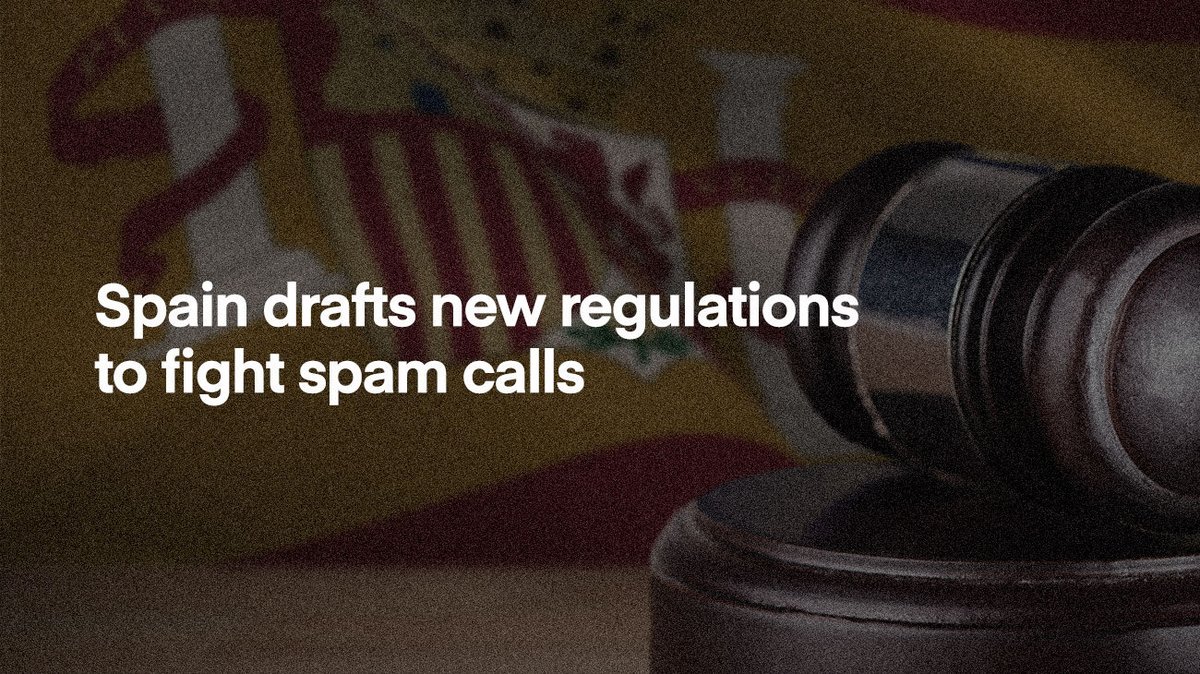
Regulators in Spain have issued a draft order to tackle the increasing issue of fraud facilitated through phone calls and text messages. See how these proposed regulations will affect both telecom operators and businesses: https://t.co/wdfQQtgGcZ
Each month we feature a different Hiya employee in our blog series Voices of Hiya. This month we hear from our Chief Revenue Officer, Tony Lanham. Learn more about Tony’s job, his insights on the voice industry, and what he does when he’s not working: https://t.co/ICDK08n50z
Bank scams were the most commonly reported type of phone scam in the world last year, according to our global data. See how these scams work, and read comments about bank scams from Hiya users in seven countries around the world. https://t.co/MTZ0pcqsgn
It’s time to rethink how we approach identity on the voice channel. When a phone call comes in, the default is to show just a phone number. On any other channel, no one would trust someone who provided such little information. https://t.co/FWbXZ5axQK
How can businesses reduce the risk of their calls being labeled as spam? They can register their business numbers. Find out how Hiya Registration supports a healthy call reputation and how to easily set up a free account for your business: https://t.co/FrQkdmojBa
It’s frustrating for businesses when they call customers or prospects and their phone numbers are labeled as spam. But how does spam labeling work, and what can businesses do to build a healthy call reputation?
Read our latest blog to find out: https://t.co/nPccvx2oTv
EU phone carriers are faced with competing directives: regulators want carriers to stop fraud calls, while EU telco laws say carriers can’t use call traffic data, which is necessary to prevent fraud calls. What’s the solution? Find out: https://t.co/yojdMEX7J0
This guest blog post from KONTXT, part of @RealNetworks, highlights two emerging threats that reach victims through text based messages: micro messaging scams and fraudulent messages sent using RCS technology. https://t.co/mOYzAZMpYW