PhD student searching for ways to identify the species of burnt bone and determine the burning conditions based on changes to the micro and nano-structure 🦴🔥
@EdGardner_ 💡- After heating bone dynamically, we found that key processes occur at different temps, rates & quantities than prev. thought. We then realised that in situ analysis unlocks more species specific info. which we wouldn't see if analysing bone once cooled!
Want to find out if in situ X-ray diffraction analysis is a cheap and rapid alternative to identify unknown bone? Check out my poster! 🦴🔥🐶#RSCPoster#RSCAnalytical#RSCMat
@EdGardner_ Thanks for you Q, Ed! The differences occur in the fundamental chemistry of bone - certain ionic substitutions are more preferential within different species and these influence the thermal degradation processes
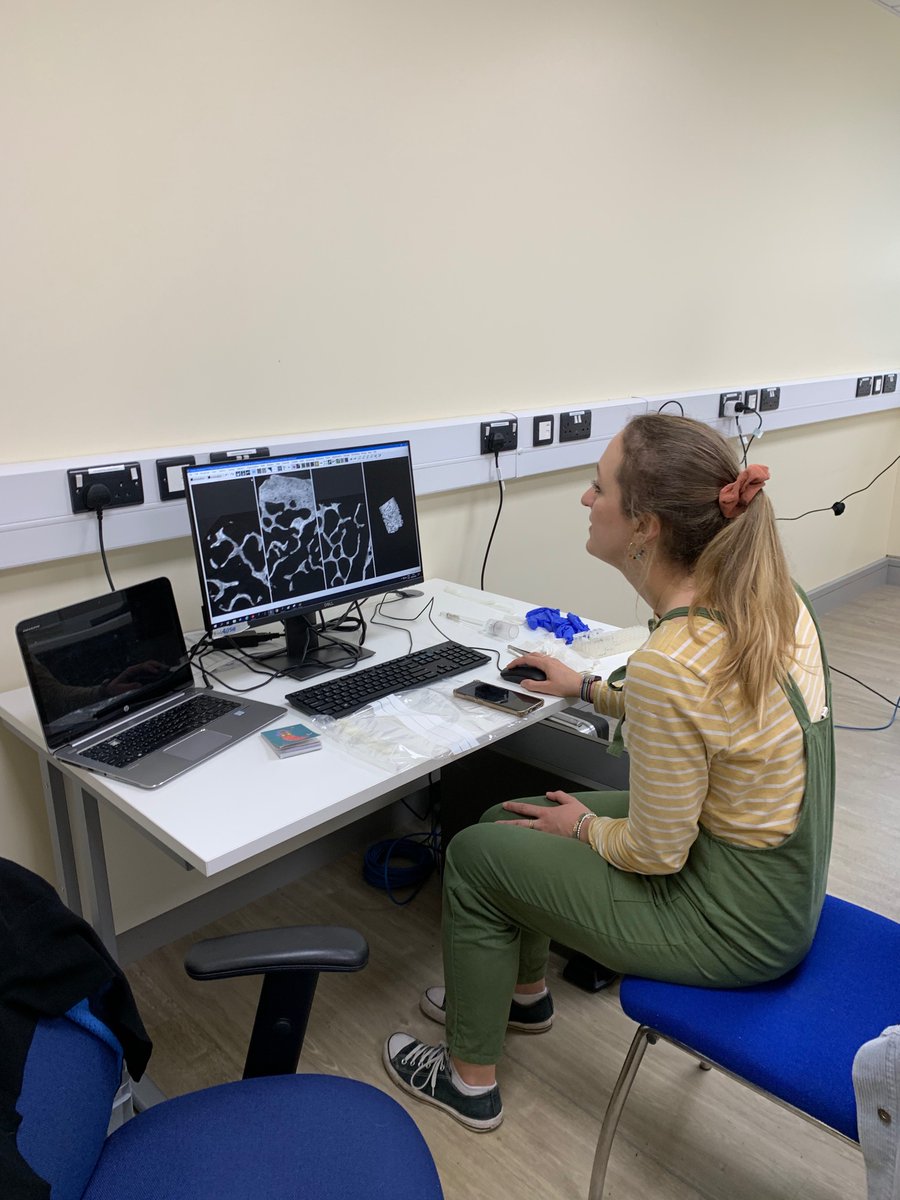
Fantastic day with @hlcross6 at Keele yesterday looking at BMD of our femur samples from Barton on their #microCT hoping to see if we can find a link with past smoking #archaeologicalsci
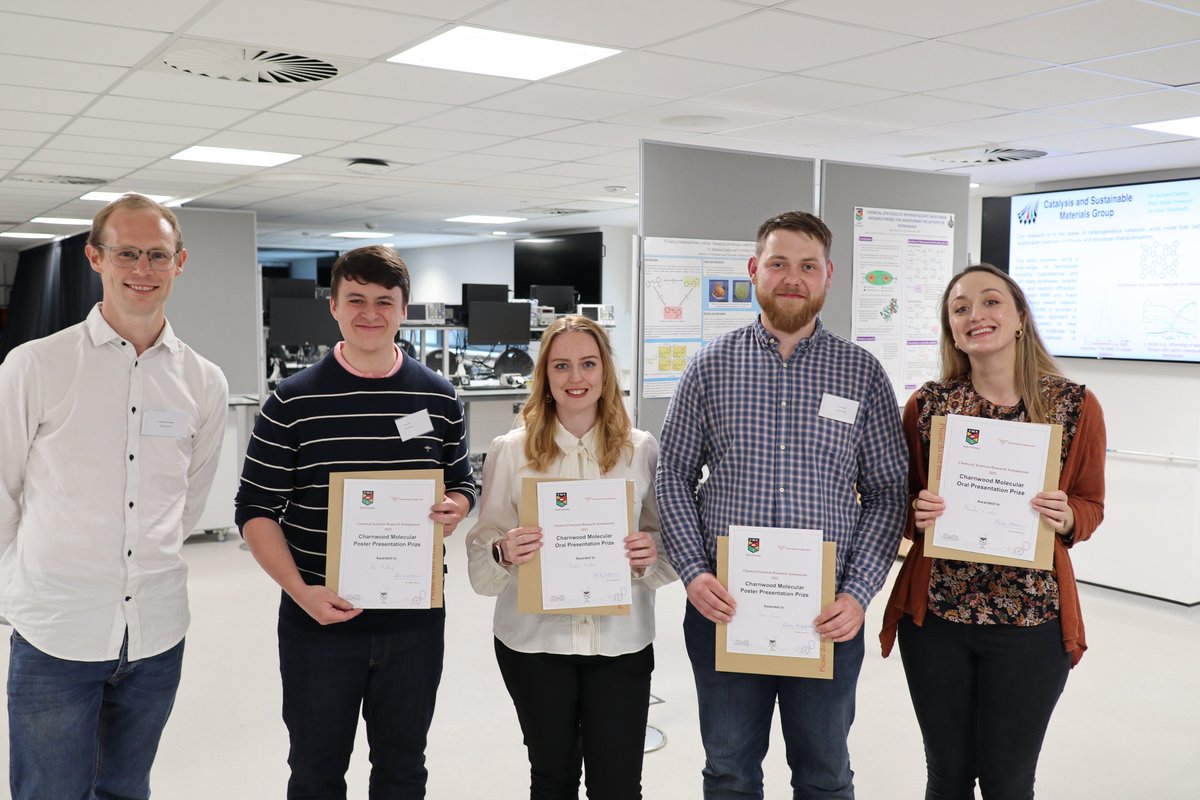
Had a great time the Keele Chemical Sciences Research Symposium sponsored by @charnwoodmol. Enjoyed learning more about the remarkable research currently being conducted in Keele and was delighted to receive the Charnwood Molecular's first place oral presentation prize! 👩🔬
Thoroughly enjoyed the American Academy of Forensic Sciences conference! Met lots of interesting, lovely people and had some conversations. Hopefully will be back next year!