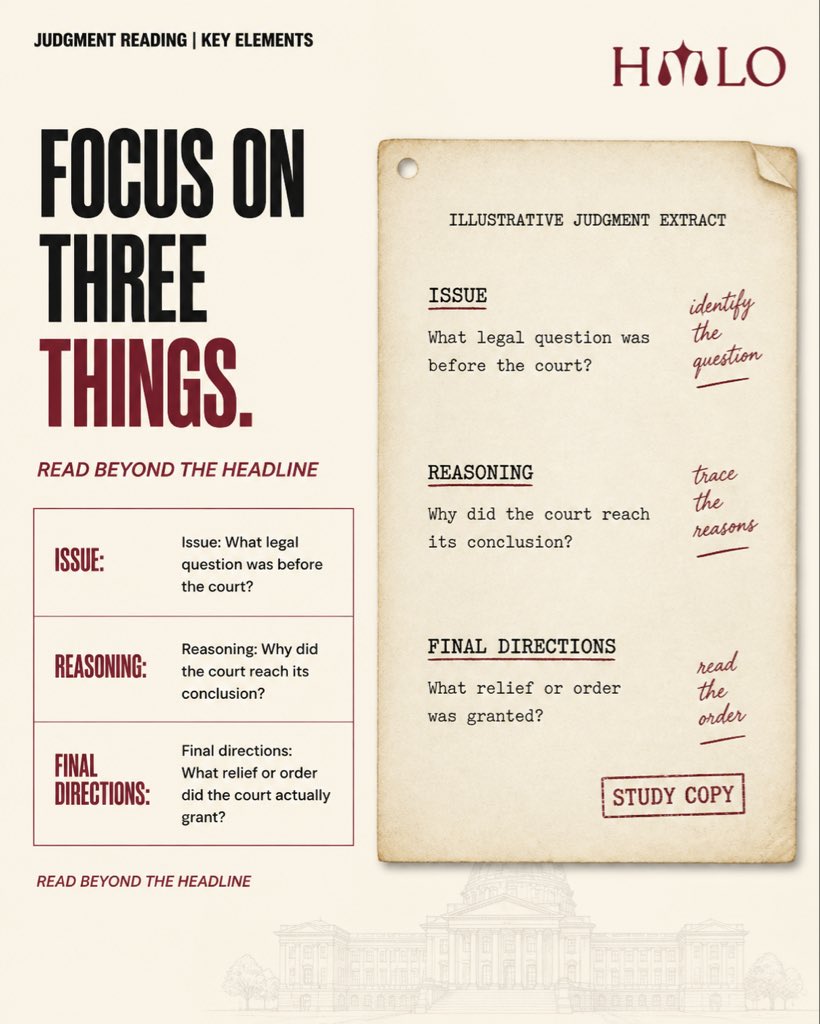
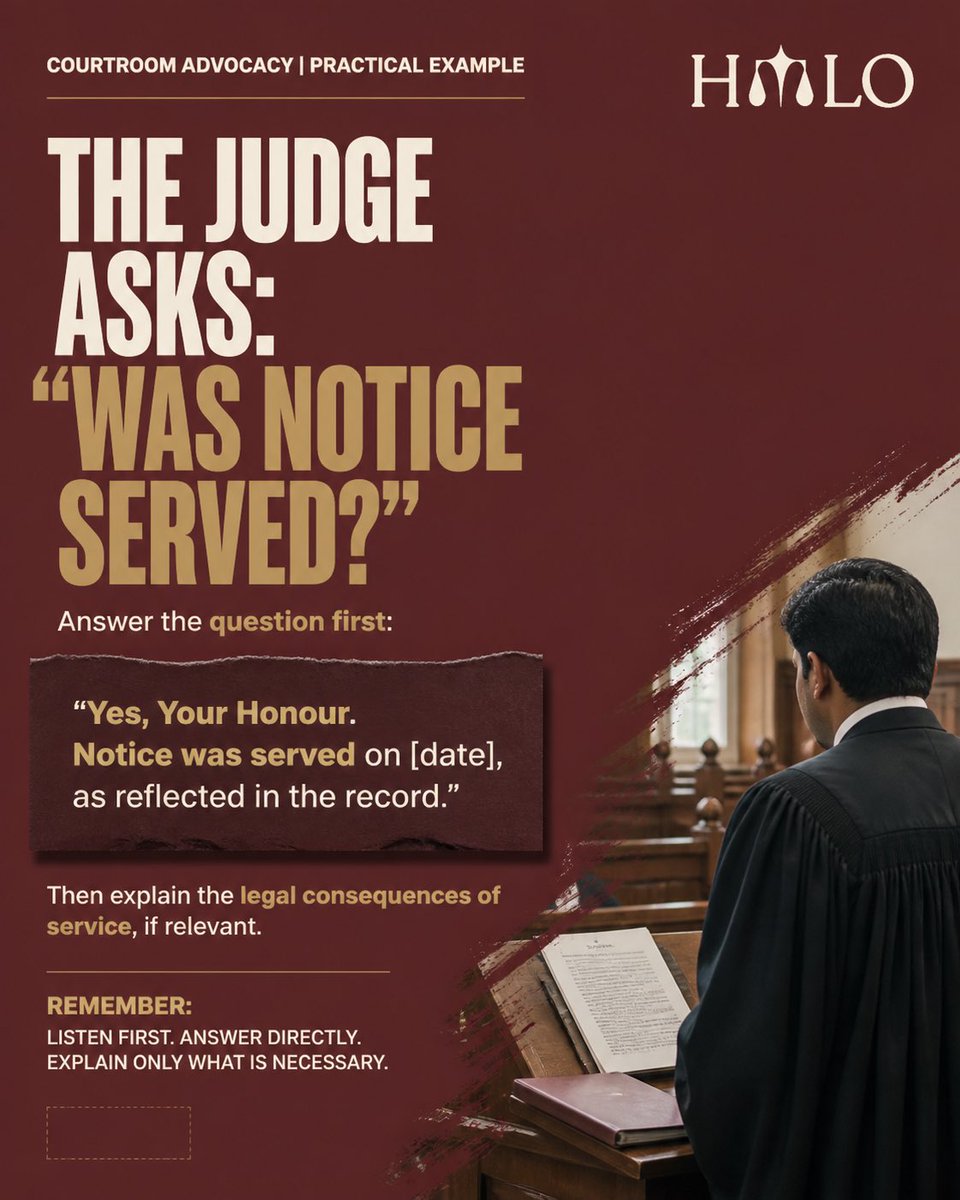
A judgment is more than its headline.
Understand the issue, follow the reasoning, and recognise the limits of the ruling.
Read beyond the outcome. Know what the court actually decided.
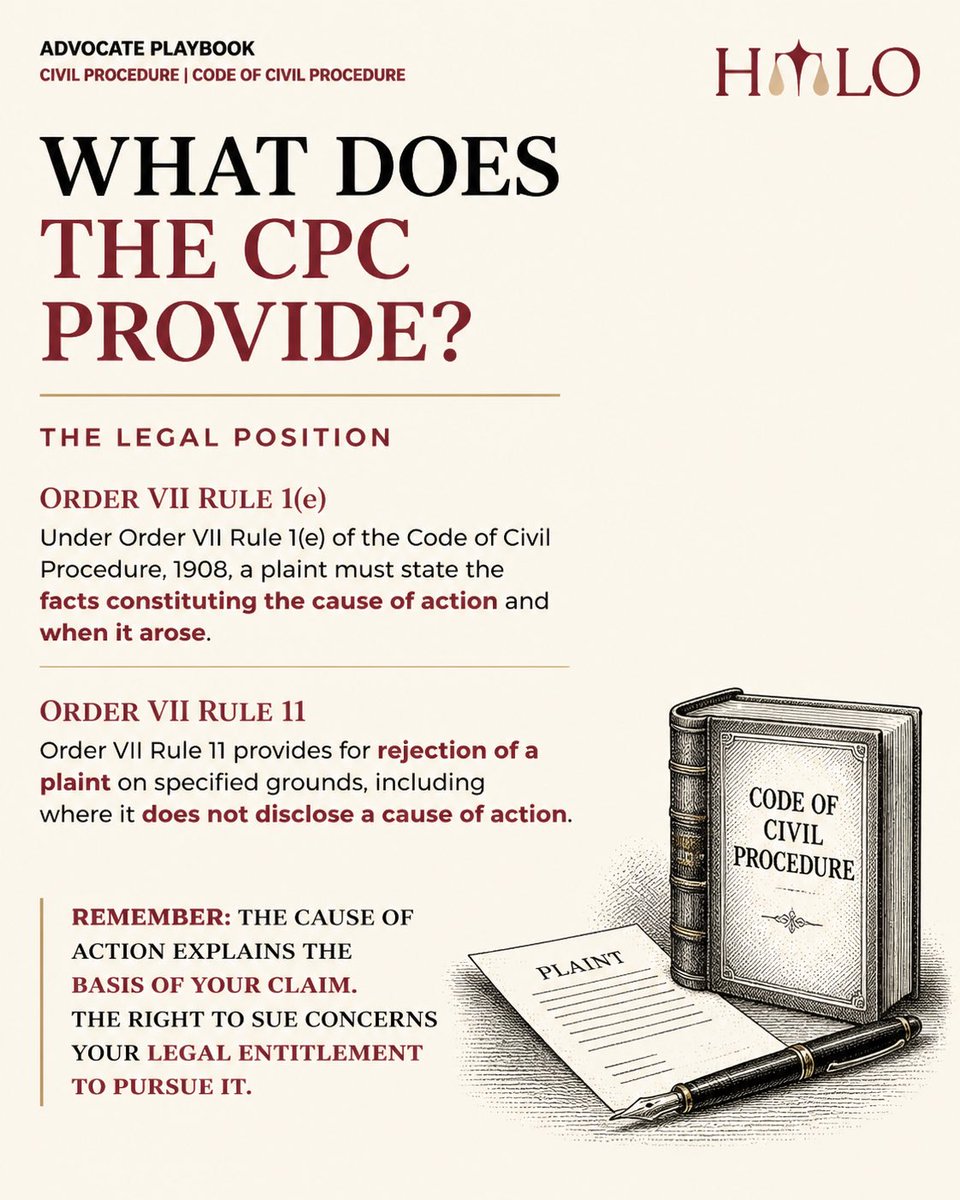
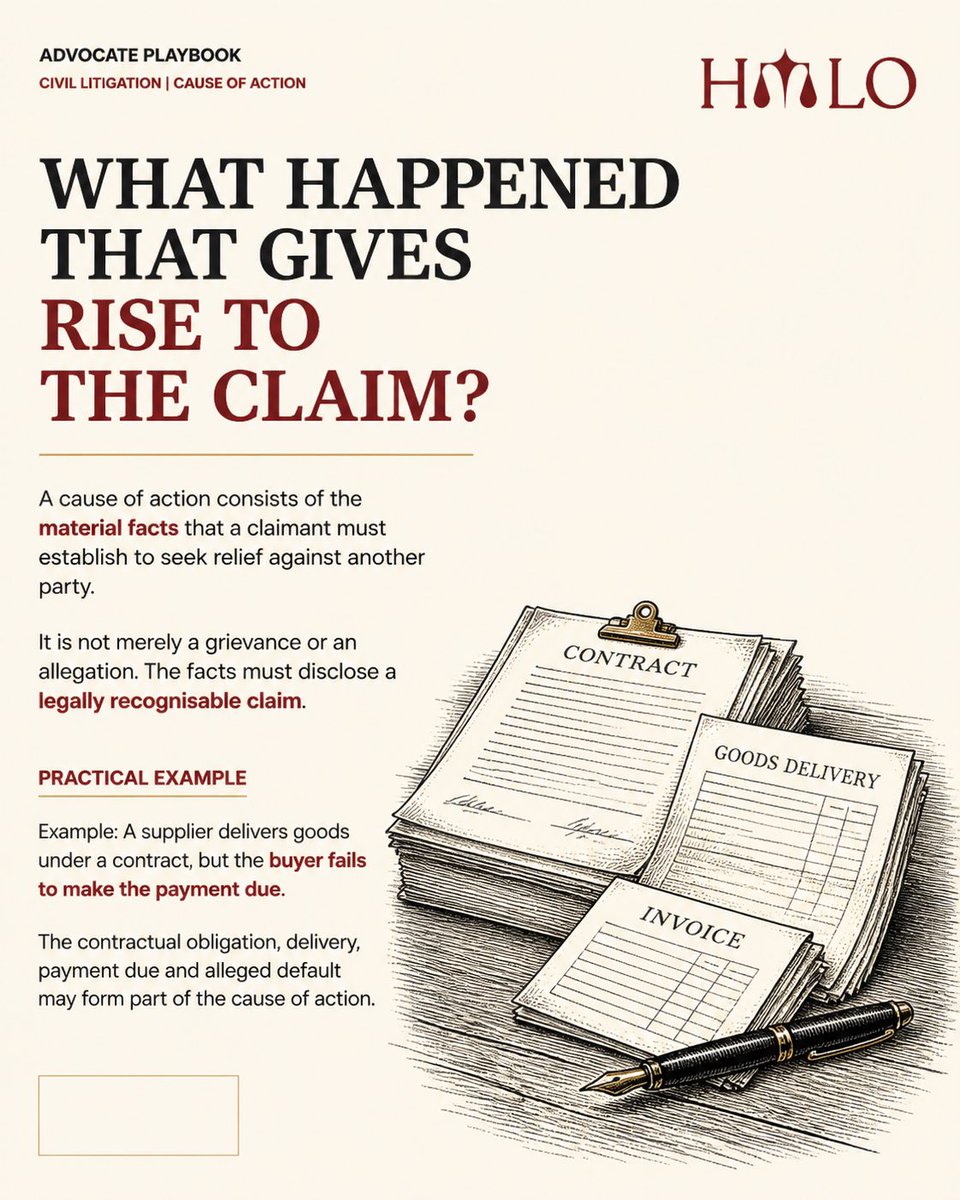
Not every dispute gives you the right to sue.
A cause of action establishes the factual basis of a claim, while the right to sue concerns your legal entitlement to pursue it.
Understanding this distinction is essential before initiating legal proceedings.
A contract can renew before you realise the deadline has passed.
Missing a notice window could mean another contract term, revised obligations, or unexpected costs.
Know your expiry date. Check the renewal clause. Act before the deadline.
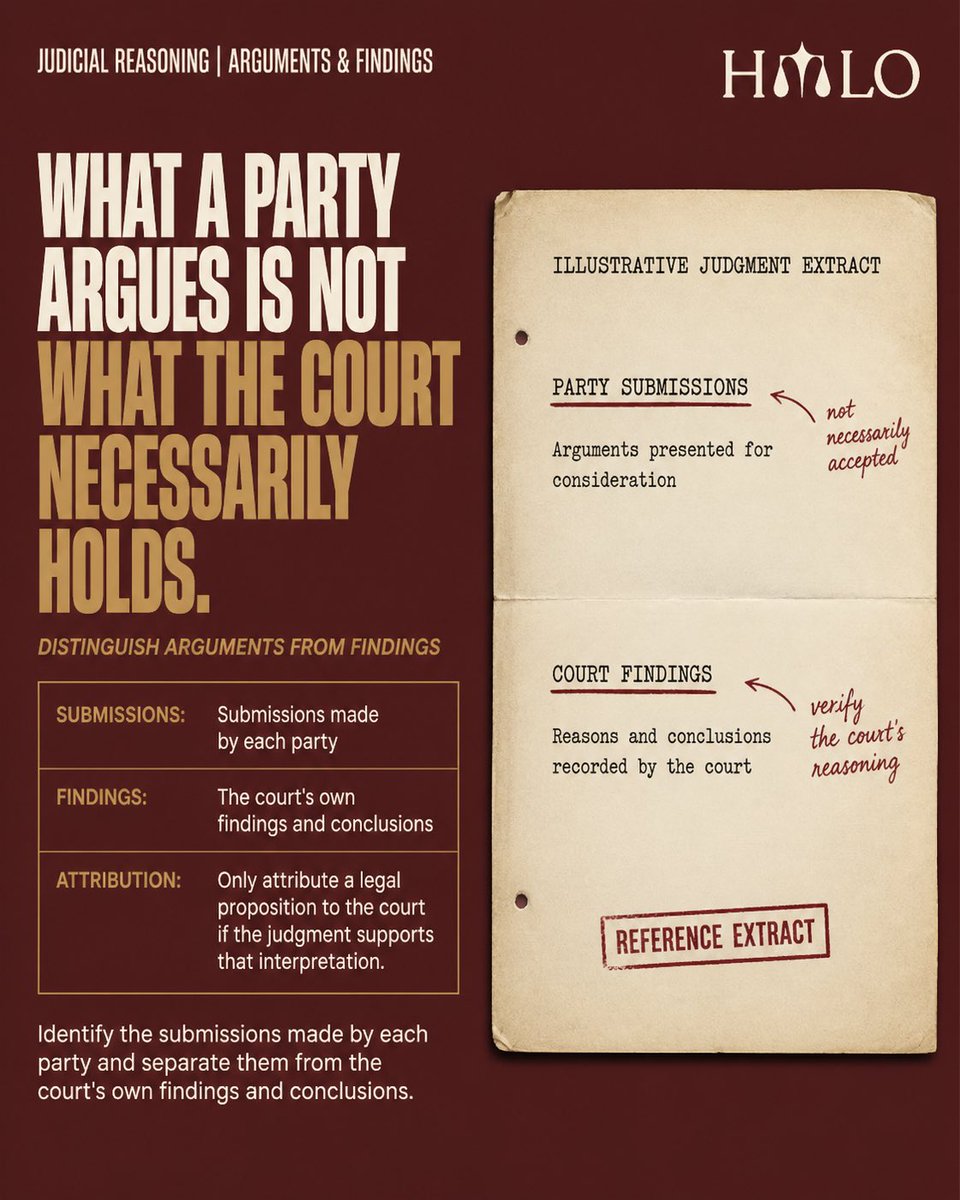
A judgment is more than its headline.
Understanding what the court actually decided means looking at the issues, reasoning, findings, and final directions.
Read beyond the headline. Understand the reasoning. Never overstate the ruling.
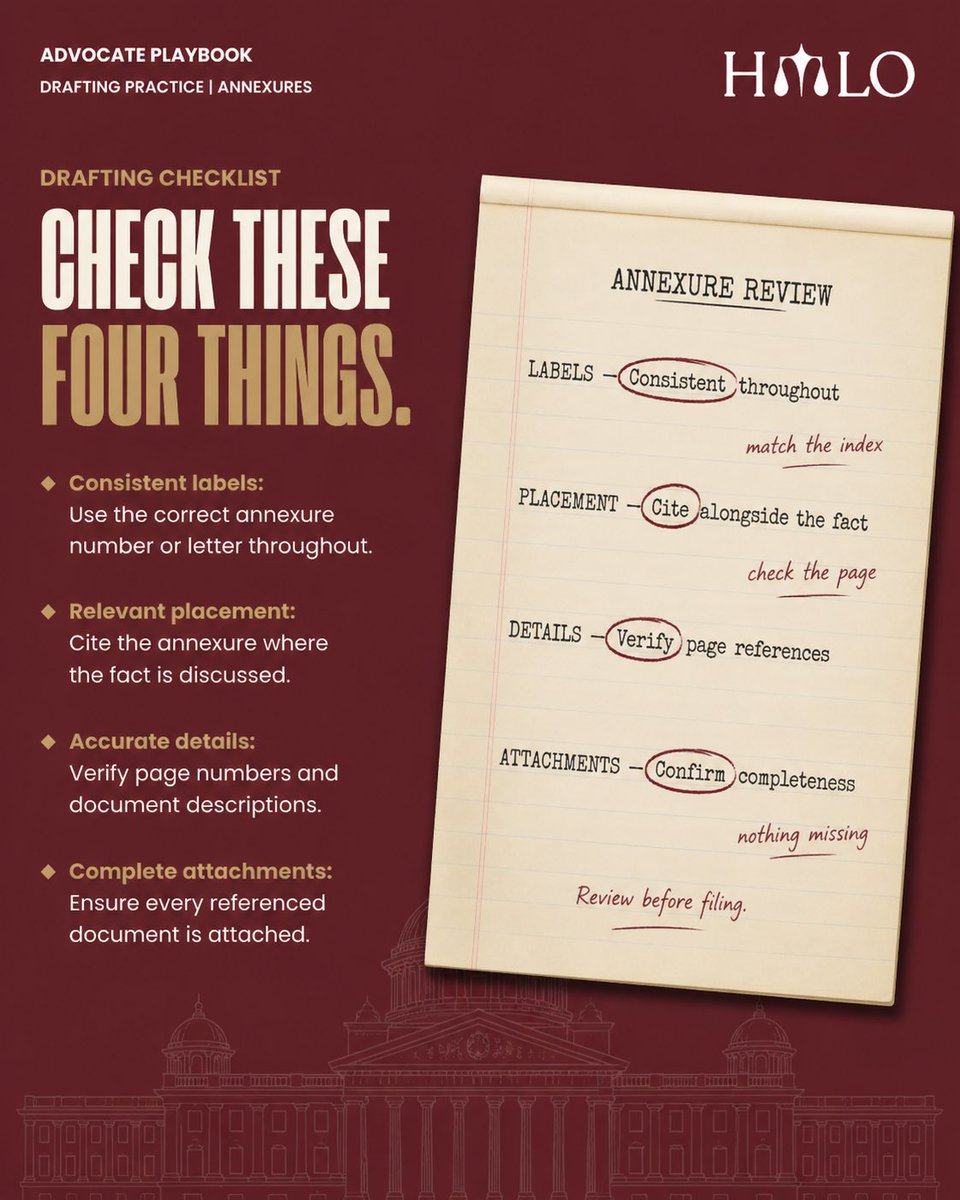
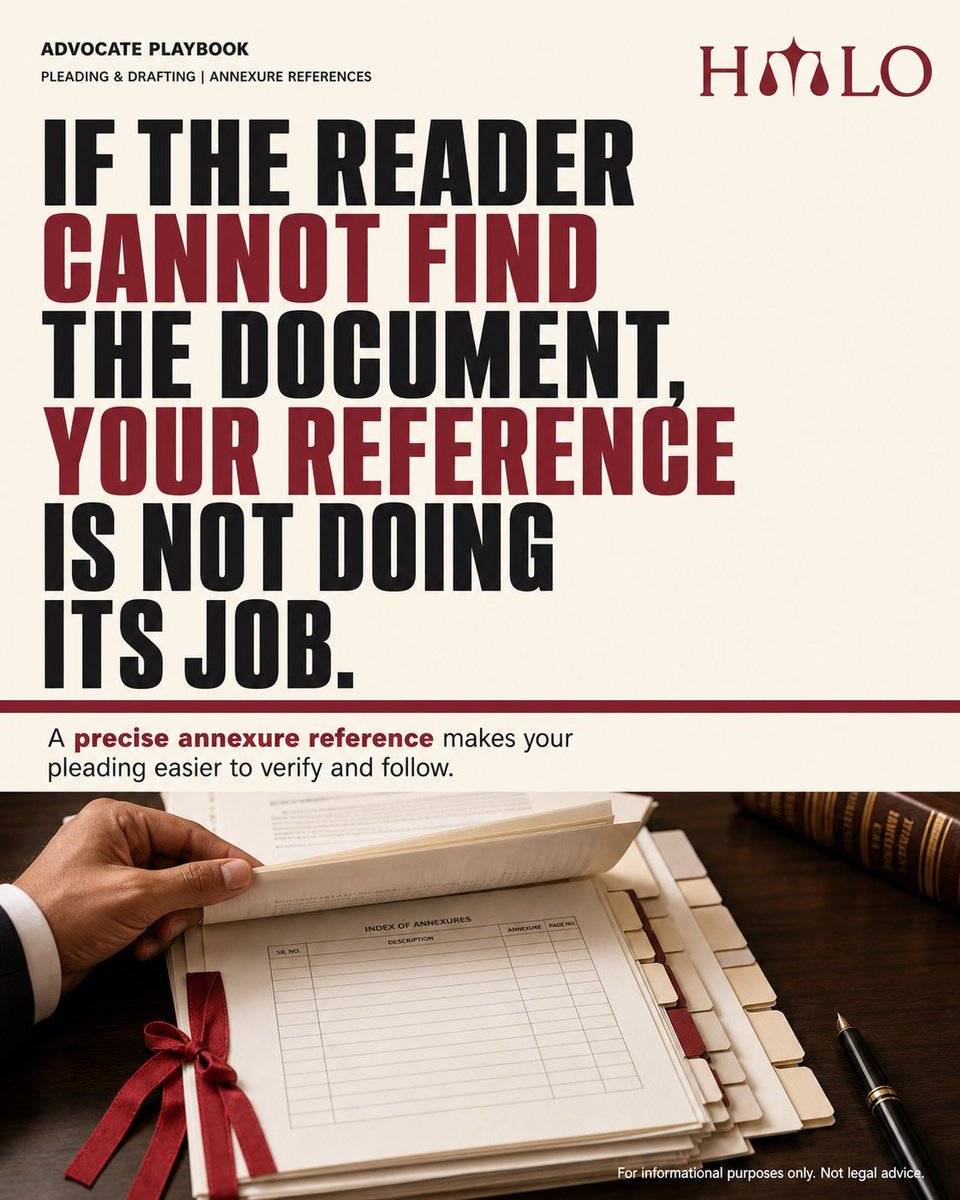
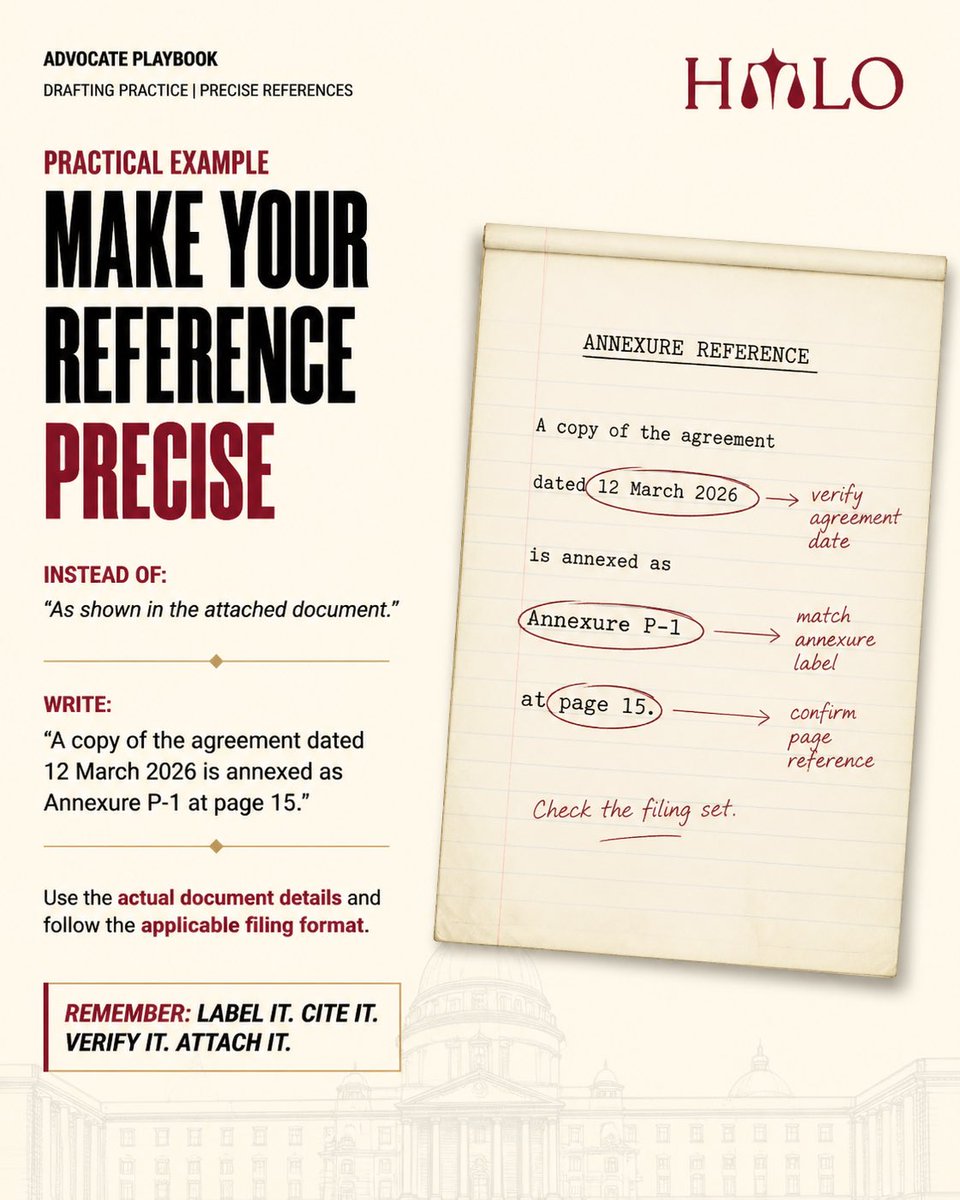
A well-drafted pleading needs clear and accurate annexure references. Consistent labels, correct page numbers and complete attachments make documents easier to verify and follow.
Small drafting details make a big difference.
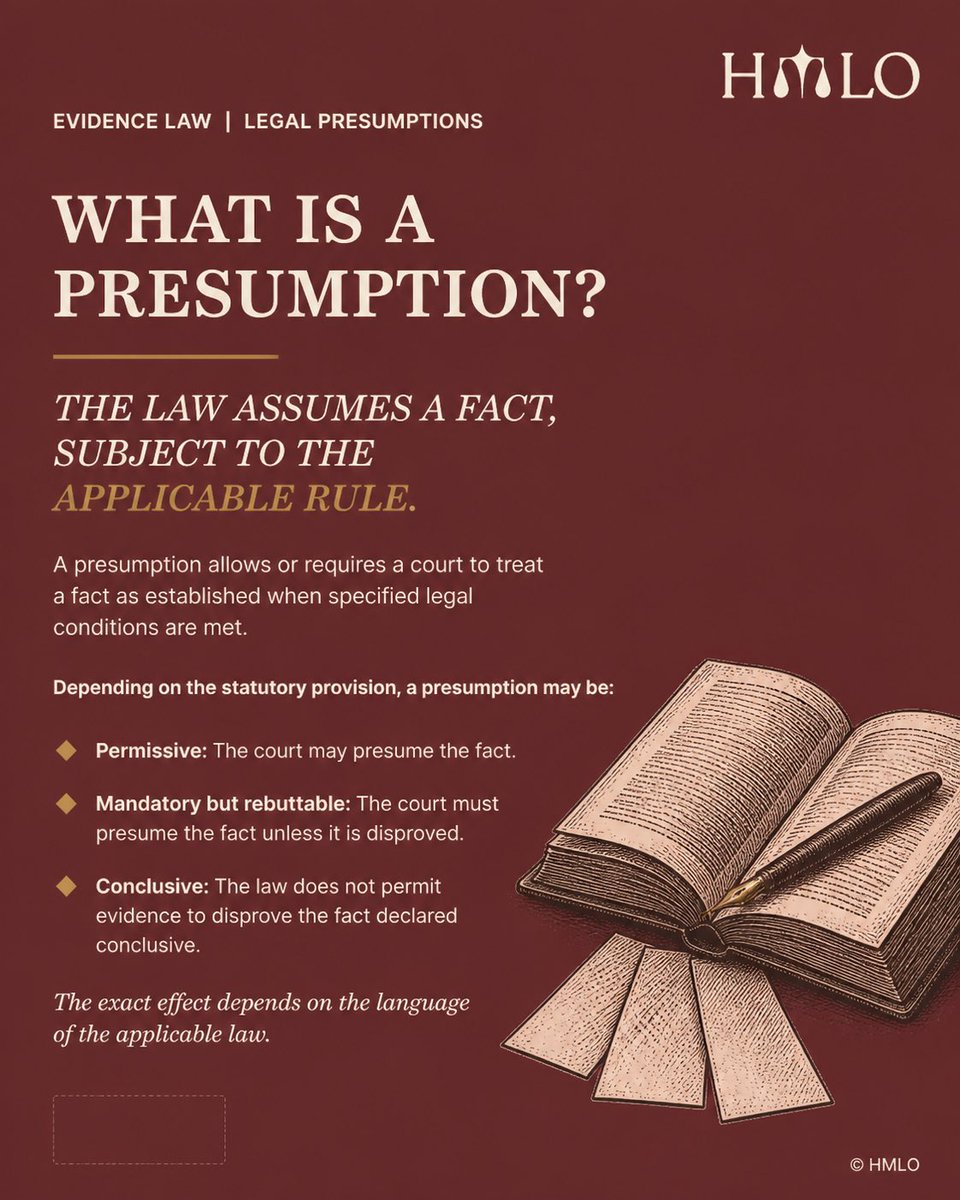
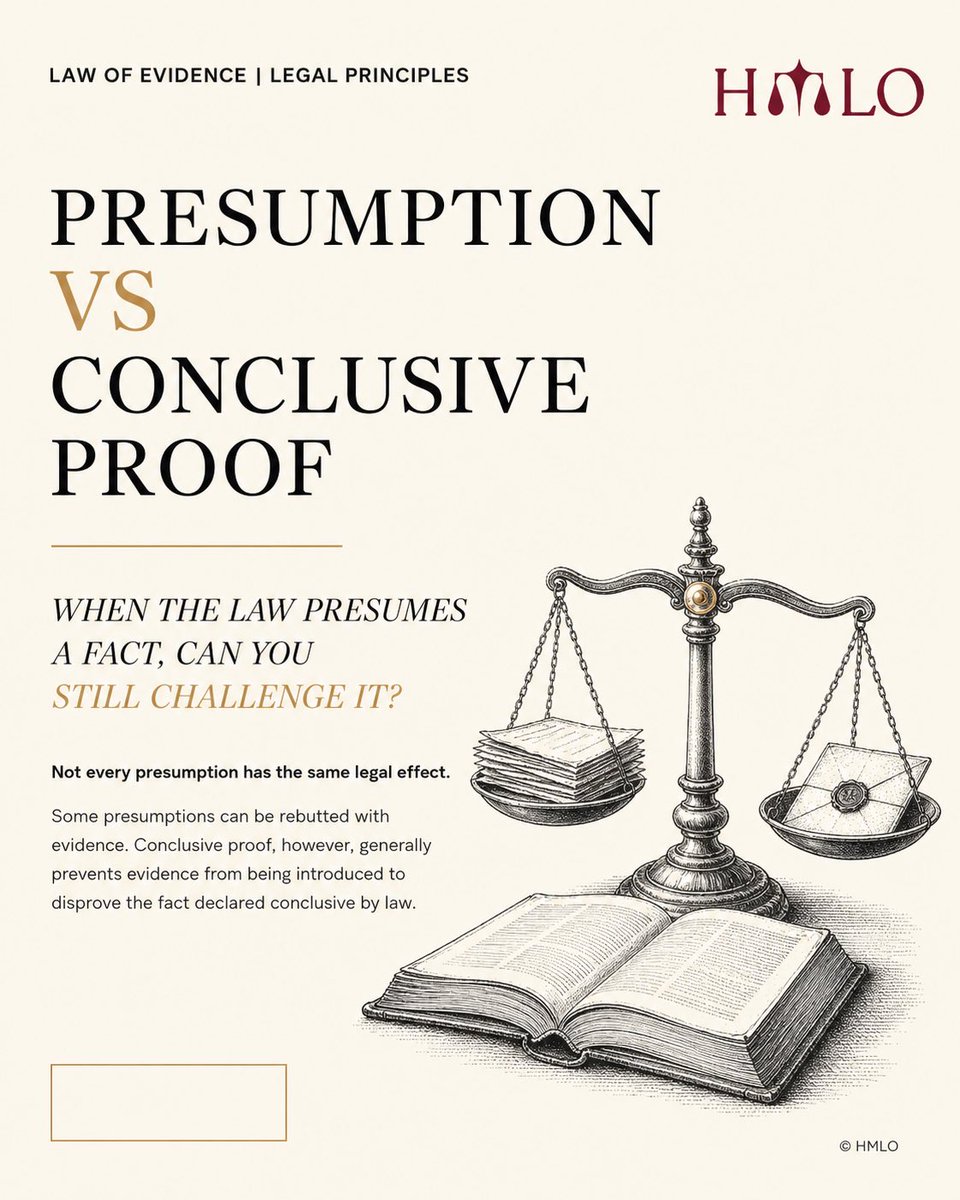
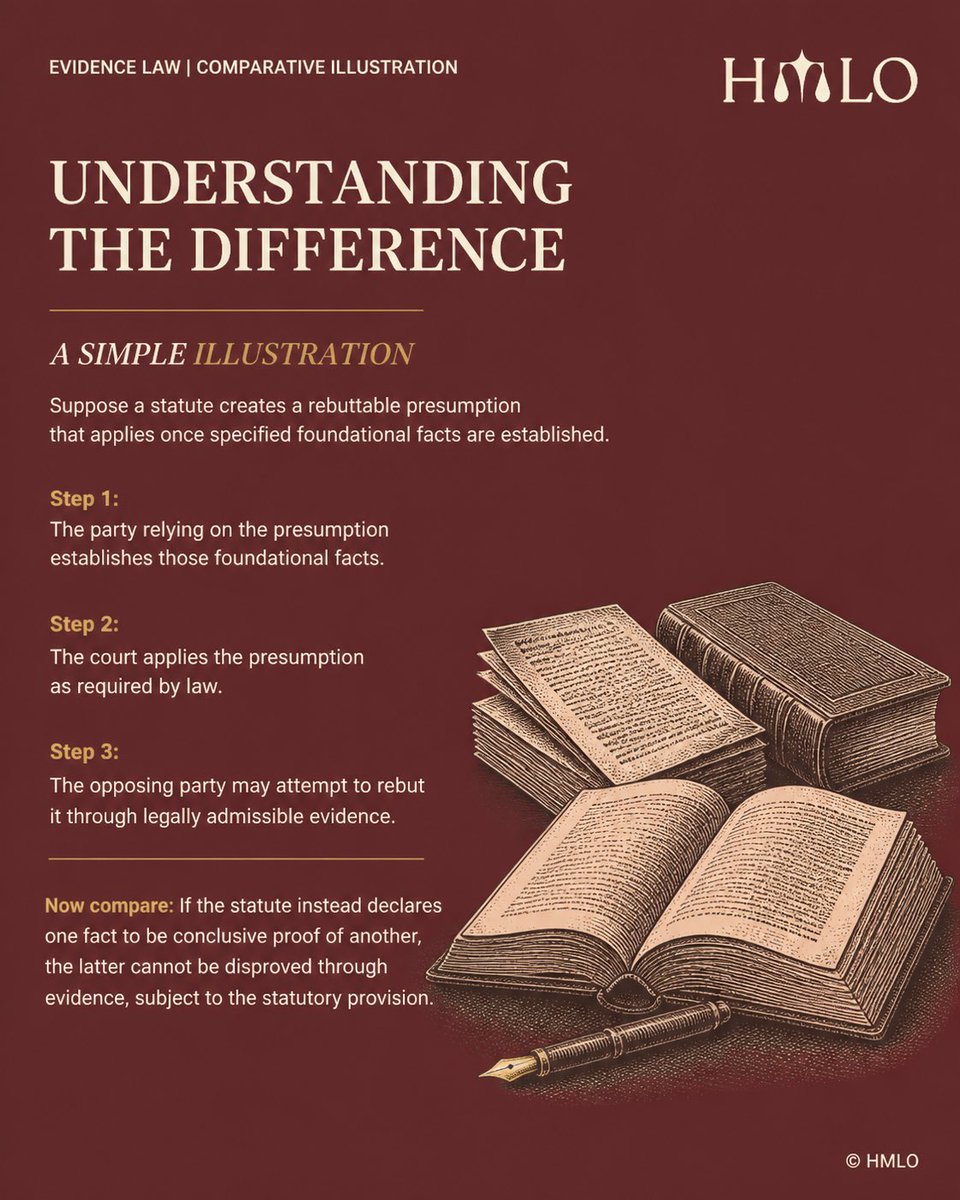
Not every presumption is final.
While some presumptions can be challenged with evidence, conclusive proof generally cannot be disputed once established under law.
Know the difference. It matters in evidence law.
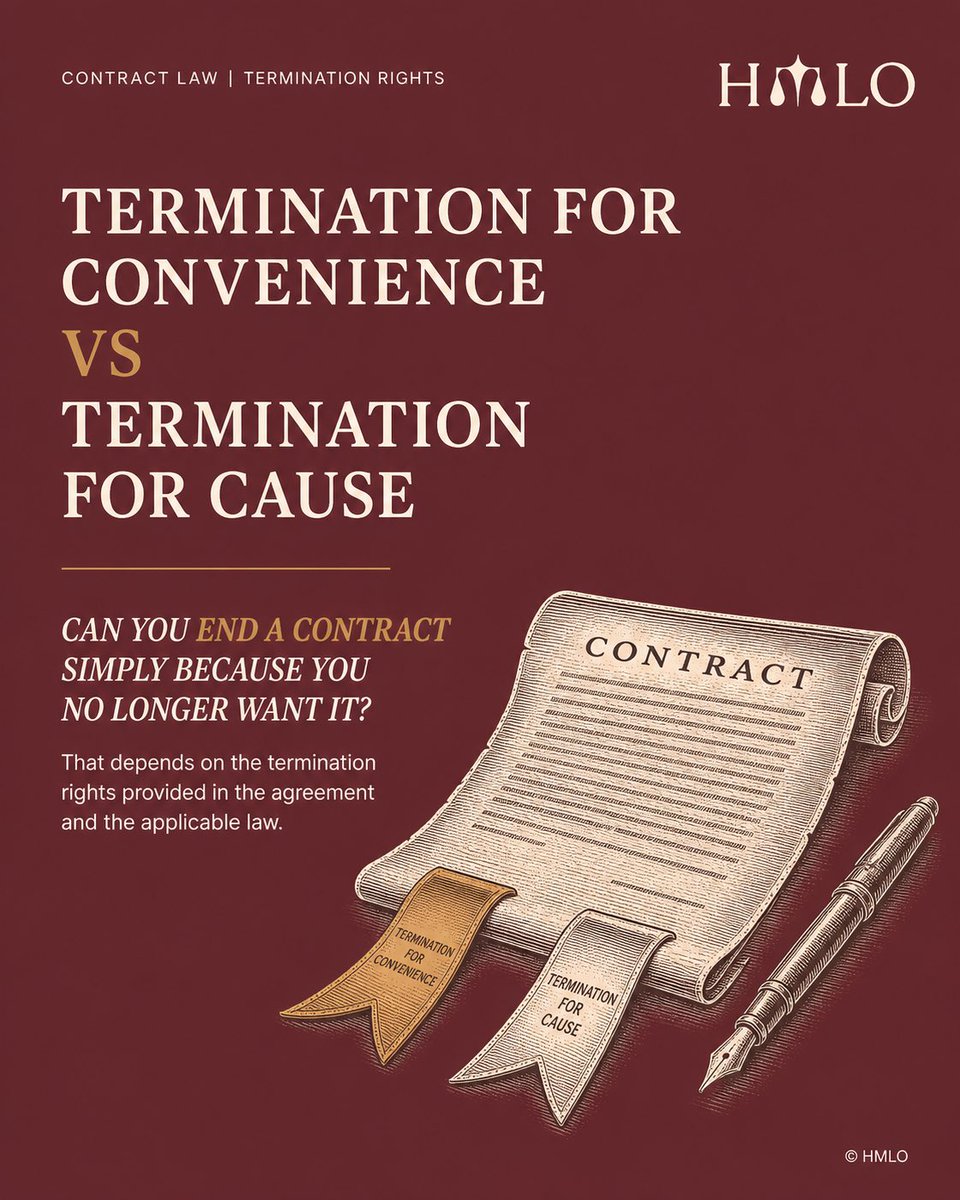
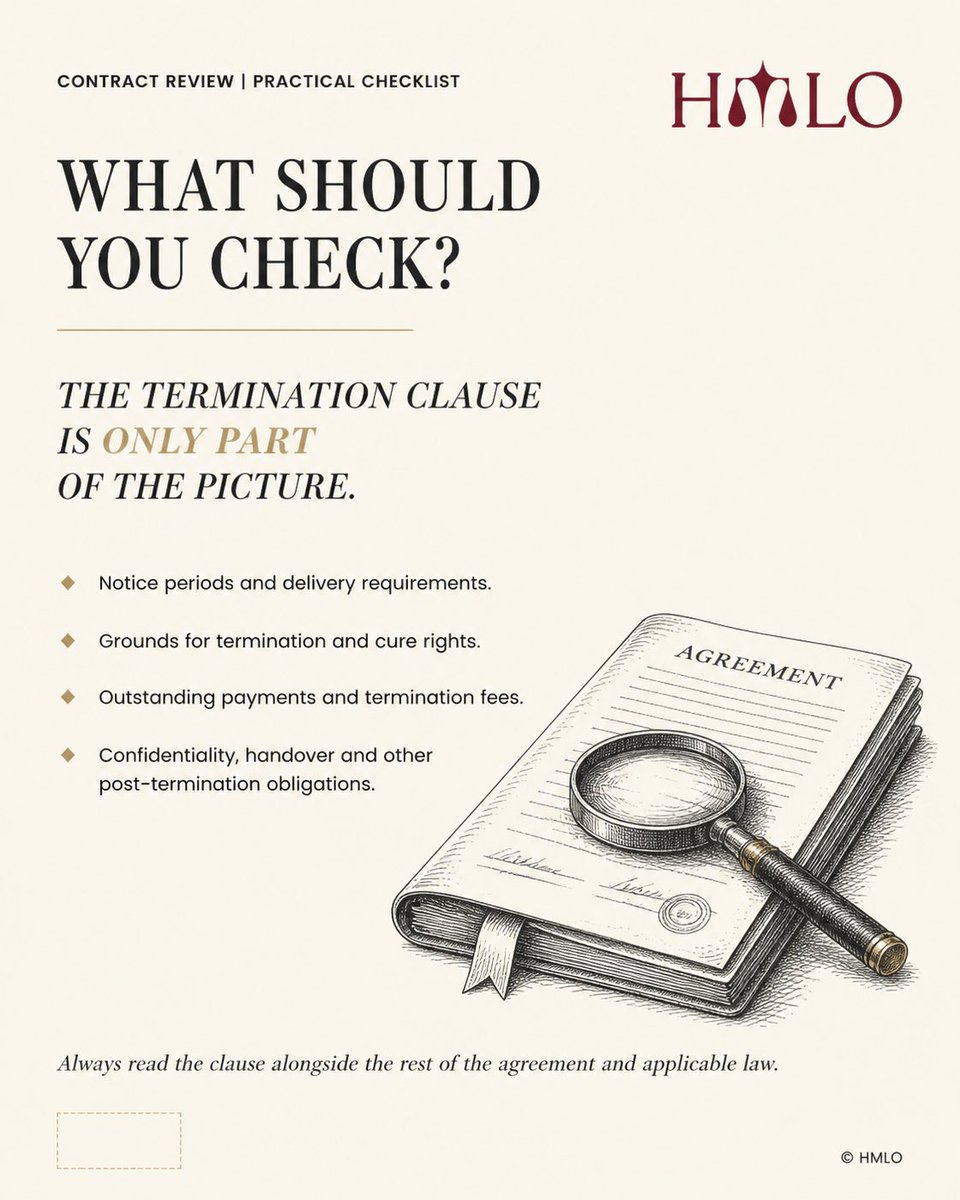
Termination for convenience allows a party to end an agreement without proving a breach, subject to the agreed terms. Termination for cause, on the other hand, requires a specified contractual ground, such as a material breach.
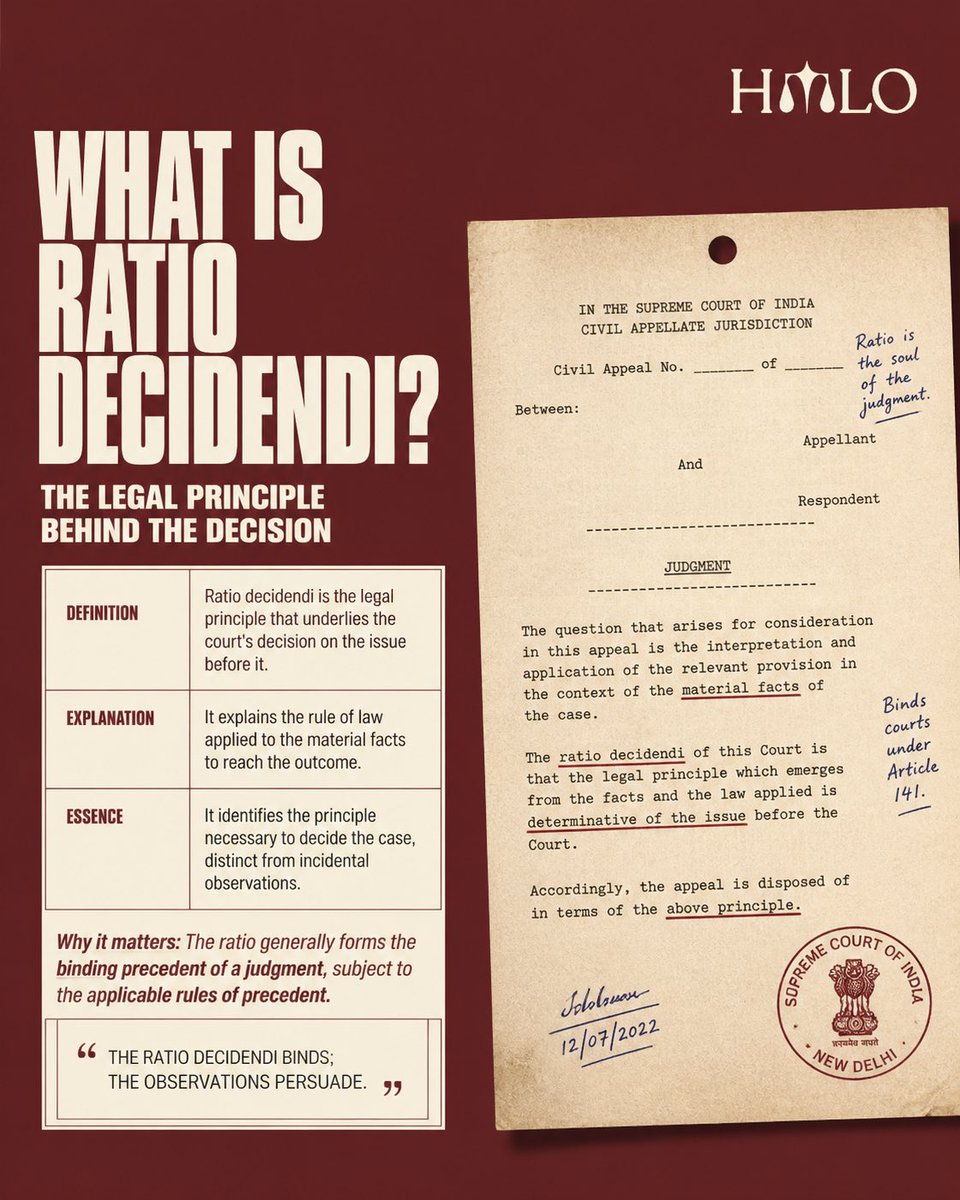
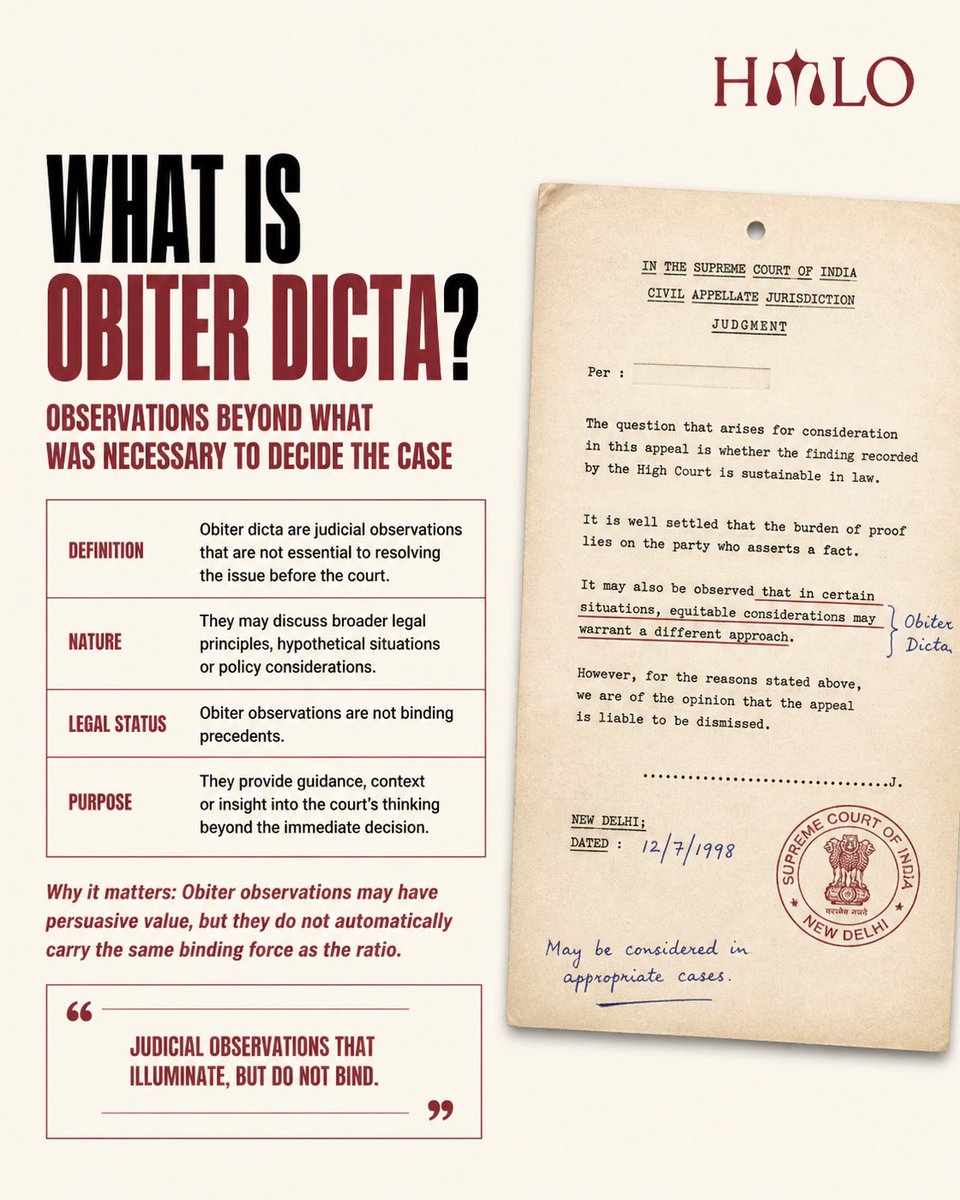
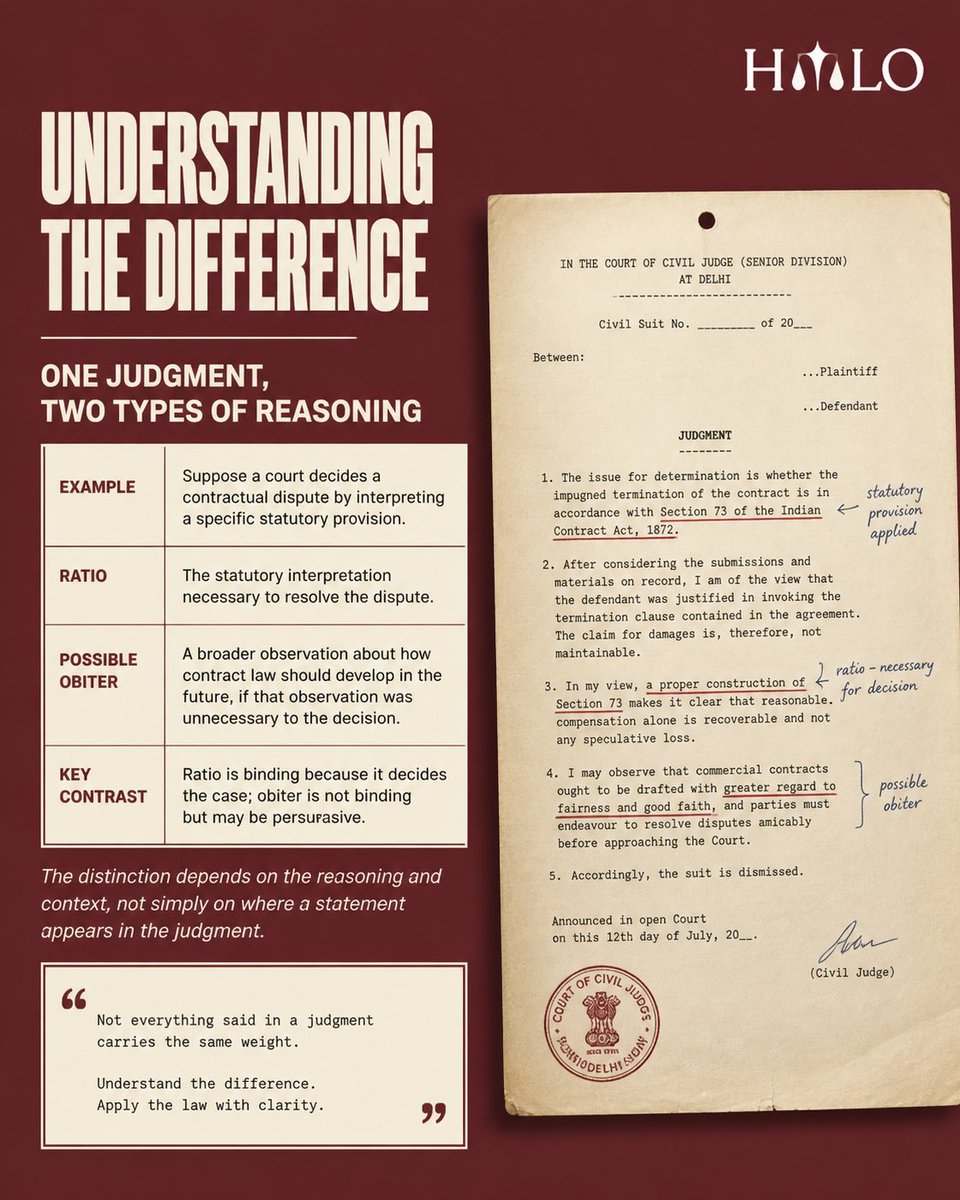
Ratio Decidendi vs Obiter Dicta: Not every observation in a judgment is binding. Understand what decides a case and what merely guides future reasoning.
A small inconsistency can raise questions about an otherwise sound legal document. From names and dates to figures and supporting records, every detail matters. Before filing, take a moment to verify, cross-check, and ensure consistency throughout.
Indemnity vs. Limitation of Liability
One covers specified losses, while the other limits the extent of liability. Understanding both is key to drafting stronger commercial contracts.
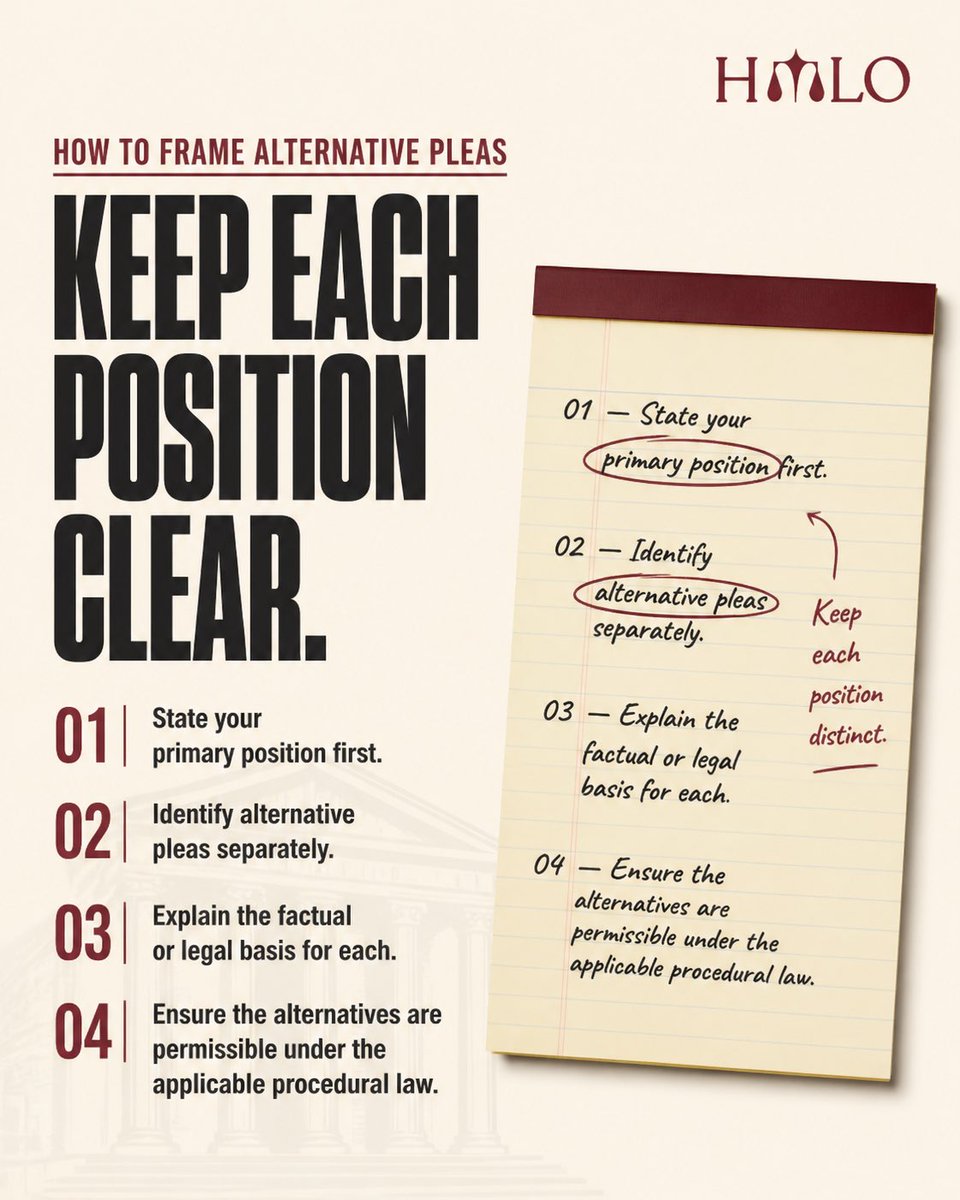
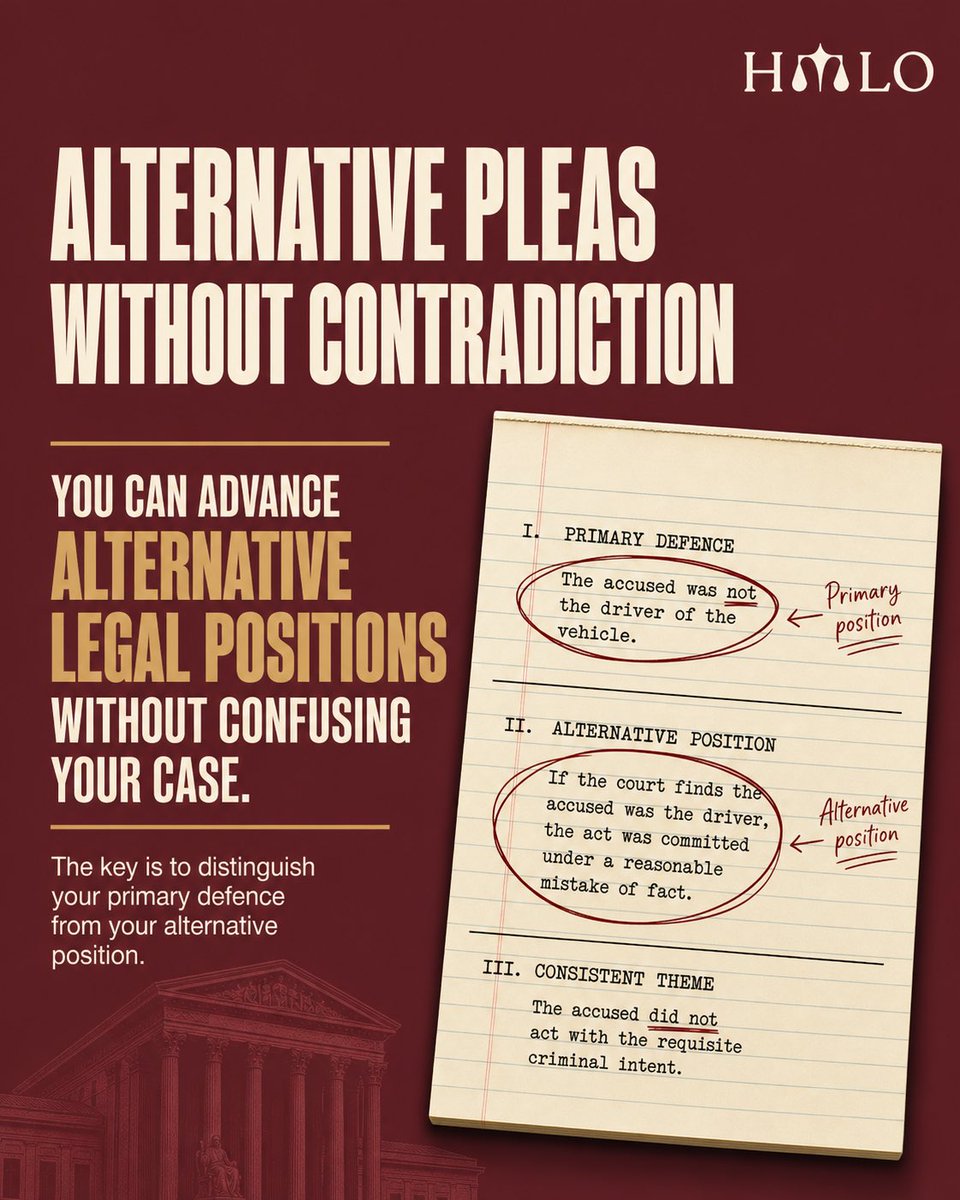
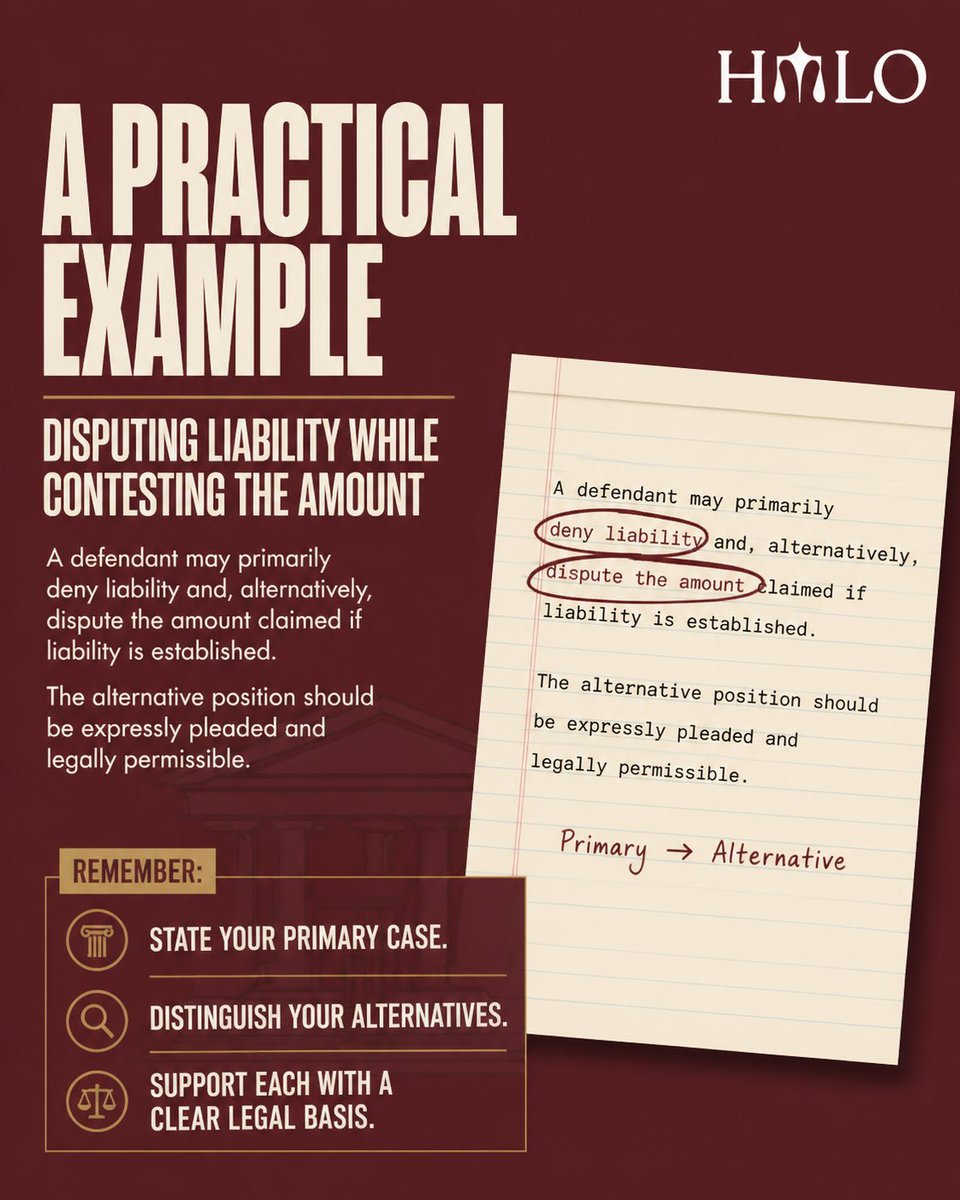
Alternative pleas, without contradiction.
Clearly distinguish your primary defence from your alternative position. Strong advocacy begins with strategic pleadings.
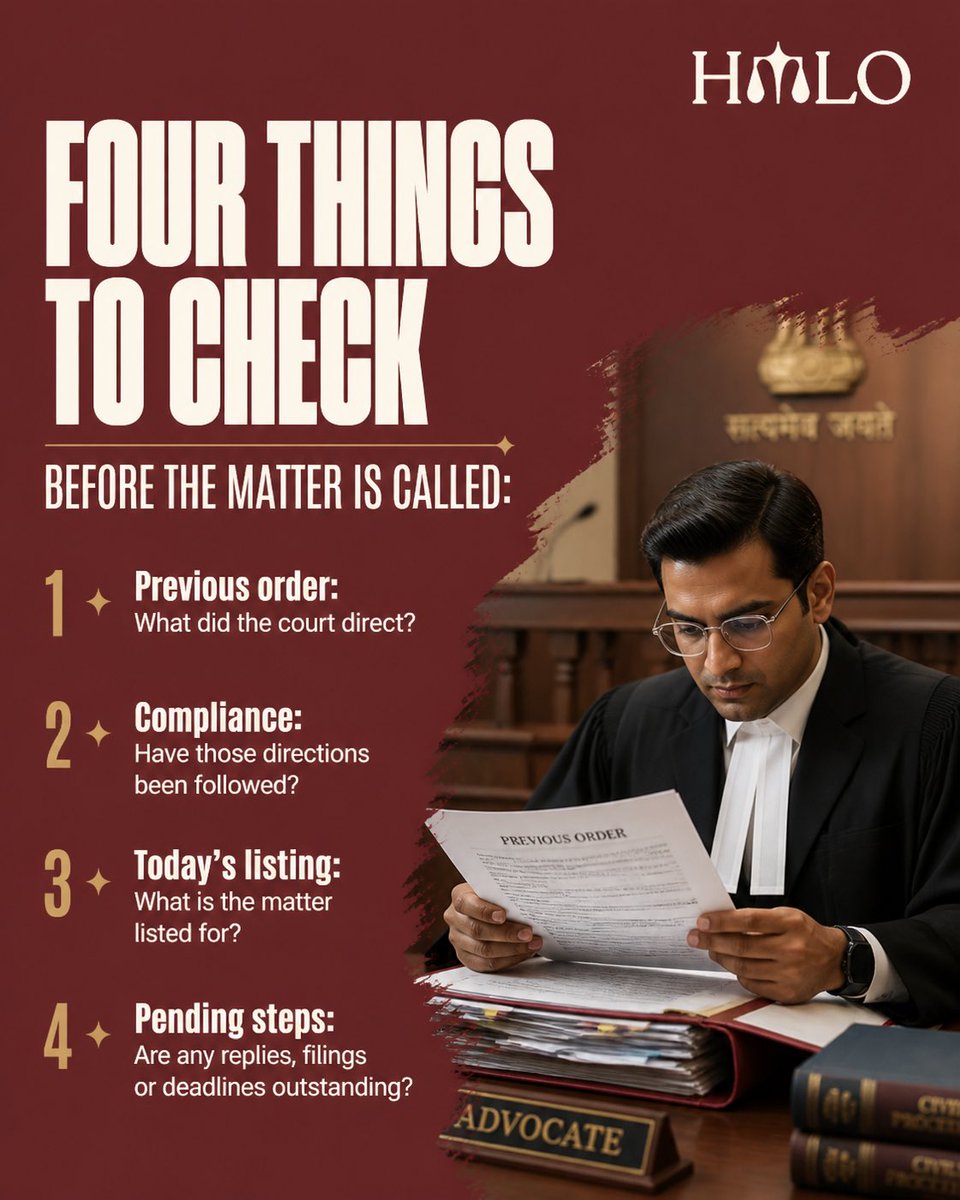
A good hearing note can make all the difference in court.
Know your issues, locate your evidence, and be ready with your submissions.
Prepare smart. Present with clarity.
A legal right establishes what a person is entitled to under the law, while a legal remedy provides a means of seeking relief when that right is violated. However, the remedy available depends on the applicable law, the facts of the case, and the relief legally permissible.
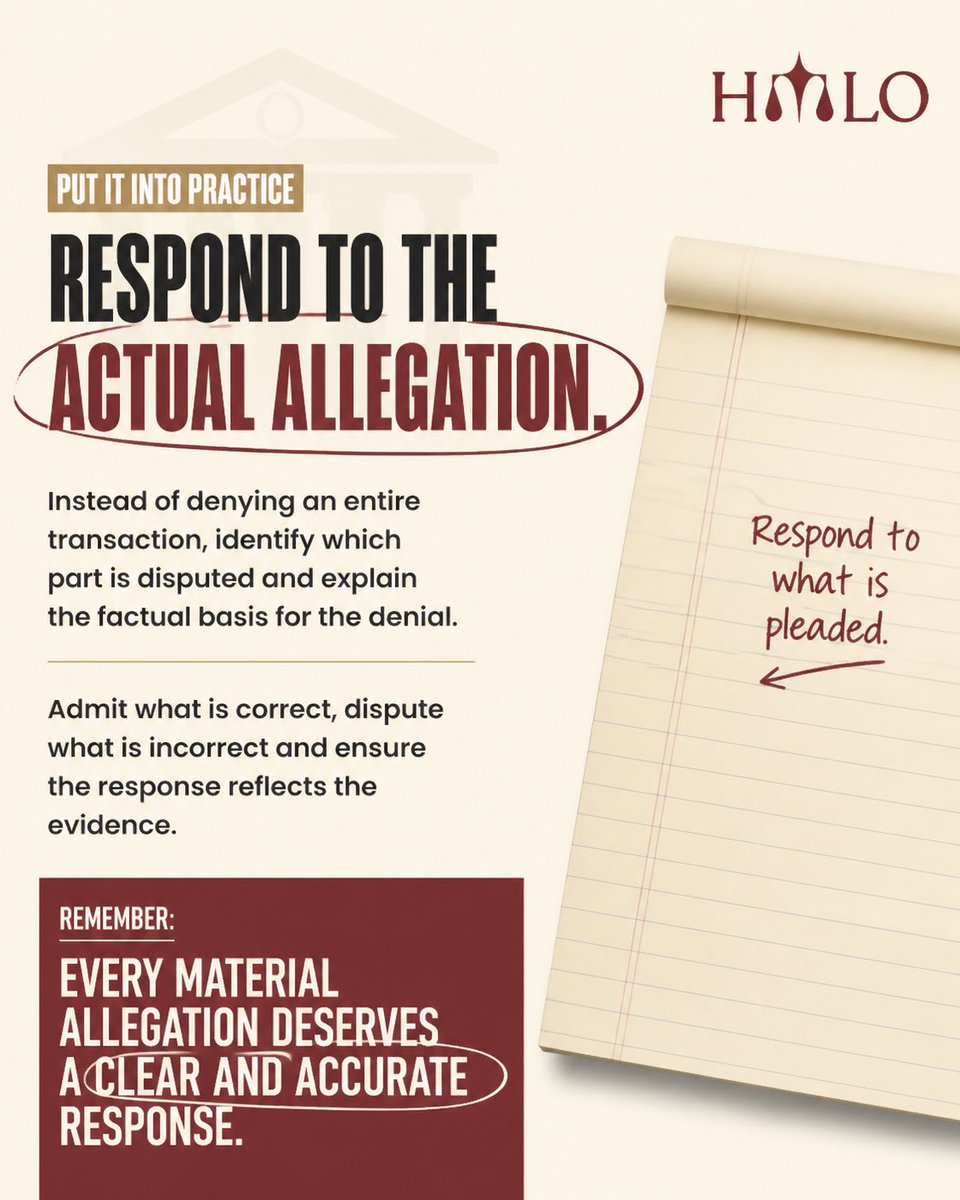
A strong pleading responds to each material allegation specifically. Admit facts that are correct, dispute those that are incorrect, and ensure every denial is consistent with the available evidence. Avoid blanket denials that fail to address the actual dispute.