ARTICLE 59
Under Article 59 of the Treaty of Lausanne, Greece was condemned to pay reparations for the war crimes committed during its invasion of Anatolia. By signing this clause, the Greeks formally confessed to their unlawful acts and violations of the laws of war
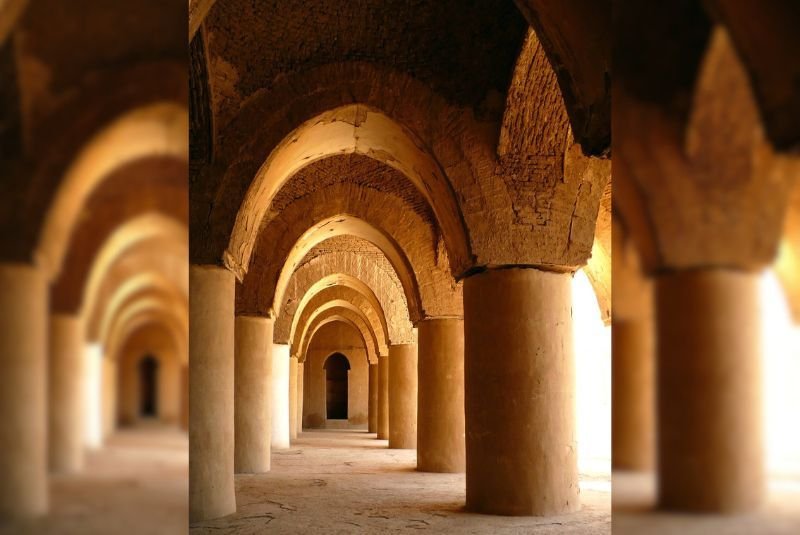
بناها از دو شهر کرمان و یزد در فارسستان رو میبینید که شبیه رنگ اسهال هستند ولی فارسها می گویند بناهای فیروزهای ترکان در سمرقند و تاشکند و تبریز و بخارا معماری فارسی هستند:))
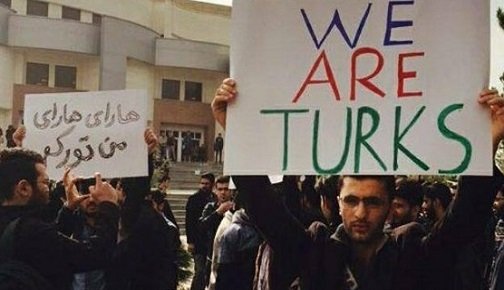
Fifty-five Azerbaijani NGOs have written an open letter to Iranian President Masoud Pezeshkian, calling for schools in the Azerbaijani language in Iran.
The letter says millions of Azerbaijanis living in Iran should have the chance to study in their mother tongue, and calls for systematic teaching of Azerbaijani in schools, Azerbaijani-language secondary and higher education institutions, teacher training, and textbooks and curricula.
The NGOs say mother-tongue education as a matter of historical justice and respect for national and moral values, and say decisive steps under Pezeshkian's presidency would leave an indelible mark on the memory of millions of Azerbaijanis in Iran.
@ifkoparan The Taj Mahal is a masterpiece built on a rich legacy. Its grand scale and 8-paradise layout came from Humayun’s Tomb, its flawless white marble and pietra dura inlay from Itmad-ud-Daulah, and its signature onion dome from Samarkand’s Gur-e-Amir.
@JaAliz1991 What changed was the decoration: more refined geometric brickwork, muqarnas, and the growing use of glazed tiles (especially turquoise), which became much more prominent in later periods.
@JaAliz1991 Pre-Seljuk mosques in Iran were mostly hypostyle (shabestani) halls, like the 8th-century Tarikhaneh Mosque in Damghan—rows of massive brick columns, barrel vaults, and a courtyard. The big shift came with the Seljuks, who turned them into the classic four-iwan plan
@JaAliz1991 Pre-Seljuk mosques (like Tarikhaneh) were built with baked brick and mudbrick, using thick cylindrical brick piers and vaults. Under the Seljuks and later, the structure remained brick.
Reconstructed face of a 2,000 years old Roman soldier.
Who was this brutally murdered man? The researchers think he was more likely to have been a regular soldier than an officer.
At around 1.90 metres, the man was surprisingly tall for the time and very muscular. Archaeologists in the early 1980s therefore suggested that he might have been a Frisian. The latest dating methods led the team to a different conclusion: isotopes in the man’s tooth enamel indicate a childhood spent in Southern Europe.
https://t.co/3ZBzNiupsW
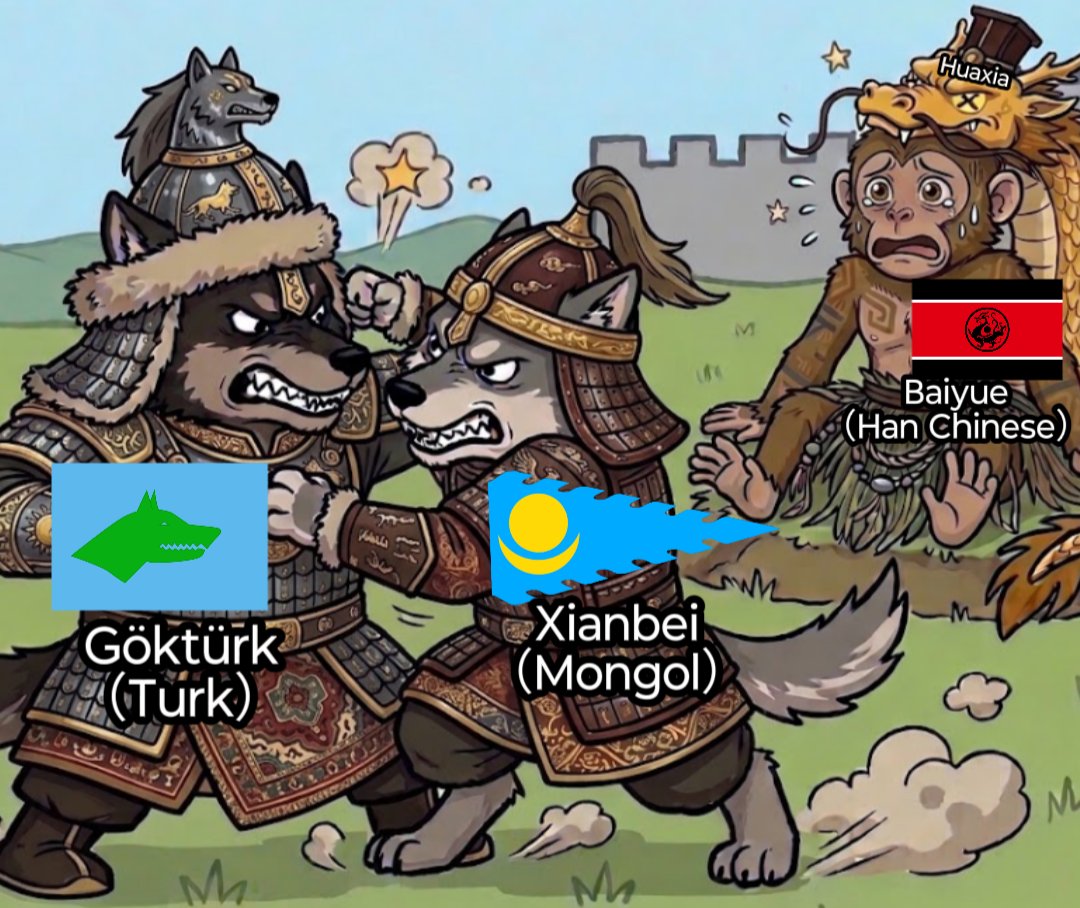
The true China history during 304AD to 907AD:
Two altaic wolves🐺🤘 fought in the north.
A monkey🐒 in the south stole dead dragon's skin and fantasized that he was real descendant of the dragon.
Graeculus, Latince "küçük Yunan" veya "Yunançık" demektir. Romalılar bunu aşağılayıcı anlamda kullanırdı: kurnaz, geveze, açgözlü veya köle gibi görülen Yunanları küçümsemek için. İmparatorlukta özellikle Batılı Latinler, kendilerine Rhomaioi diyen Doğu Romalılara bu şekilde hitap ederek Romalılıklarını inkâr ederdi.