“These [flowers and leaves] were tiny pieces of her life quietly hidden to be seen again, or maybe not—[much as] our brains keep memories of grief and loss stashed away in the far files of our minds to remain a haunting part of our identities” @AStraww https://t.co/p7JfCW76sr
“Think most of the time the most difficult [part] is to get the right concept, that fits the wall, that fits the neighborhood. but when you got the right idea, then there is not much difficult” @sofie_tapia https://t.co/B20HImtoTr
“The Lunar Library, as the archive is known, constitutes a “civilization backup” to help ensure that our distant descendants never lose humanity's collective wisdom” @coreyspowell https://t.co/D5KDD96n6F
You'll never get to read everything you bookmark, and that's fine.
Learn to accept it.
The goal of bookmarking is to always have interesting options when you have time to read.
It's not "read later". More like "put in on my menu".
“Attention is a resource, and, like all precious resources, it must be cultivated with care and defended. It is, after all, that by which we get our grip on the world and how we remain open to world” @LMSacasas https://t.co/fB6qGonWVd
I think most smart people know that reading widely-read books from your profession (e.g. business, tech) is useless. But people get stuck reading obscure, dense books in their industry instead. Reading basic books from other professions (e.g. architecture, science) is underrated.
Why studying a bit each day is so much more effective than cramming: New synapses form while we're sleeping, but only so many connections can form in a single night. Becoming an expert requires daily practice.
- @barbaraoakley Mindshift
“How exactly does the technology we use to read change the way we read? How reading on screens differs from reading on paper is relevant not just to the youngest among us, but to just about everyone who reads” @ferrisjabr https://t.co/zr0Cun8Kqy
"At any given time I'm reading 10 or 20 books. If the book is getting a little boring I'll skip ahead. Sometimes I'll start reading a book in the middle because some paragraph caught my eye. And I feel no obligation whatsoever to finish the book." @naval
This was huge for me.
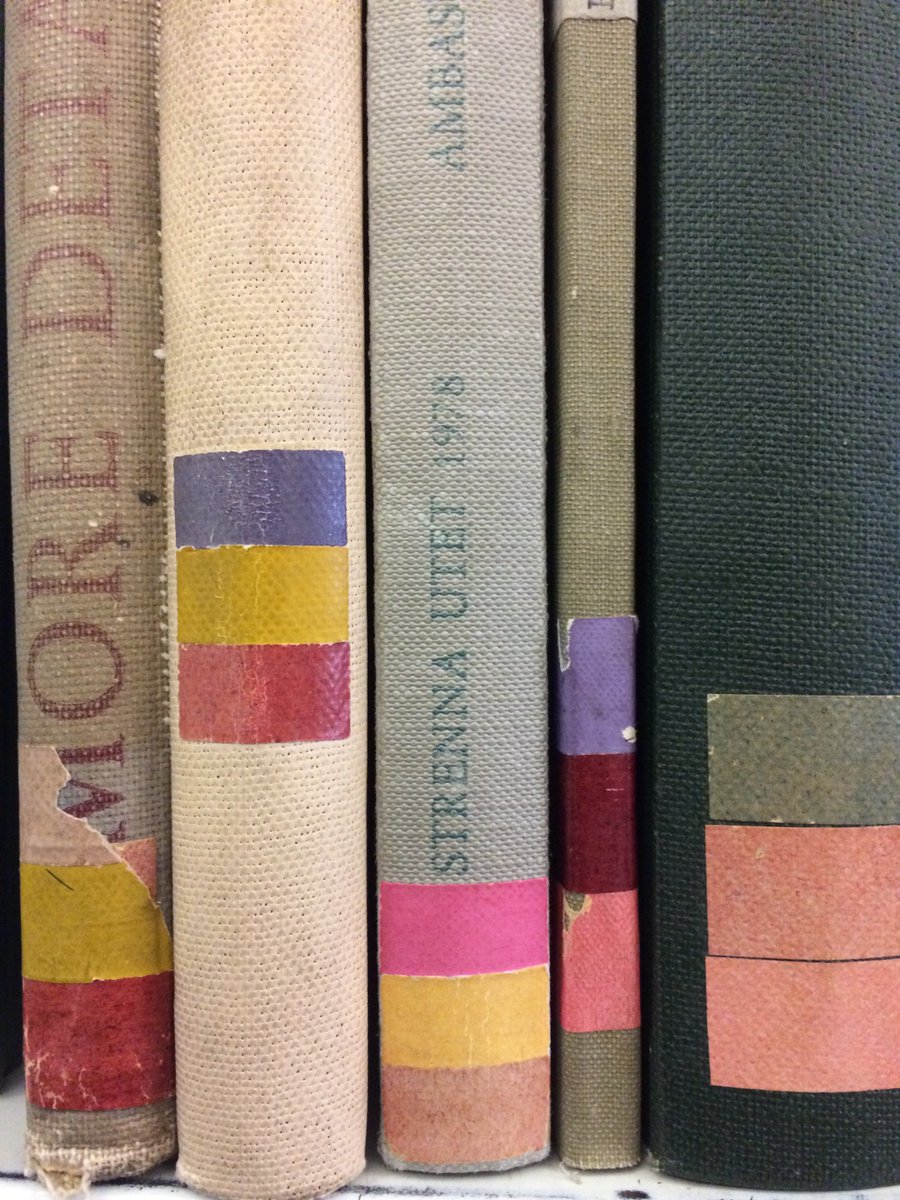
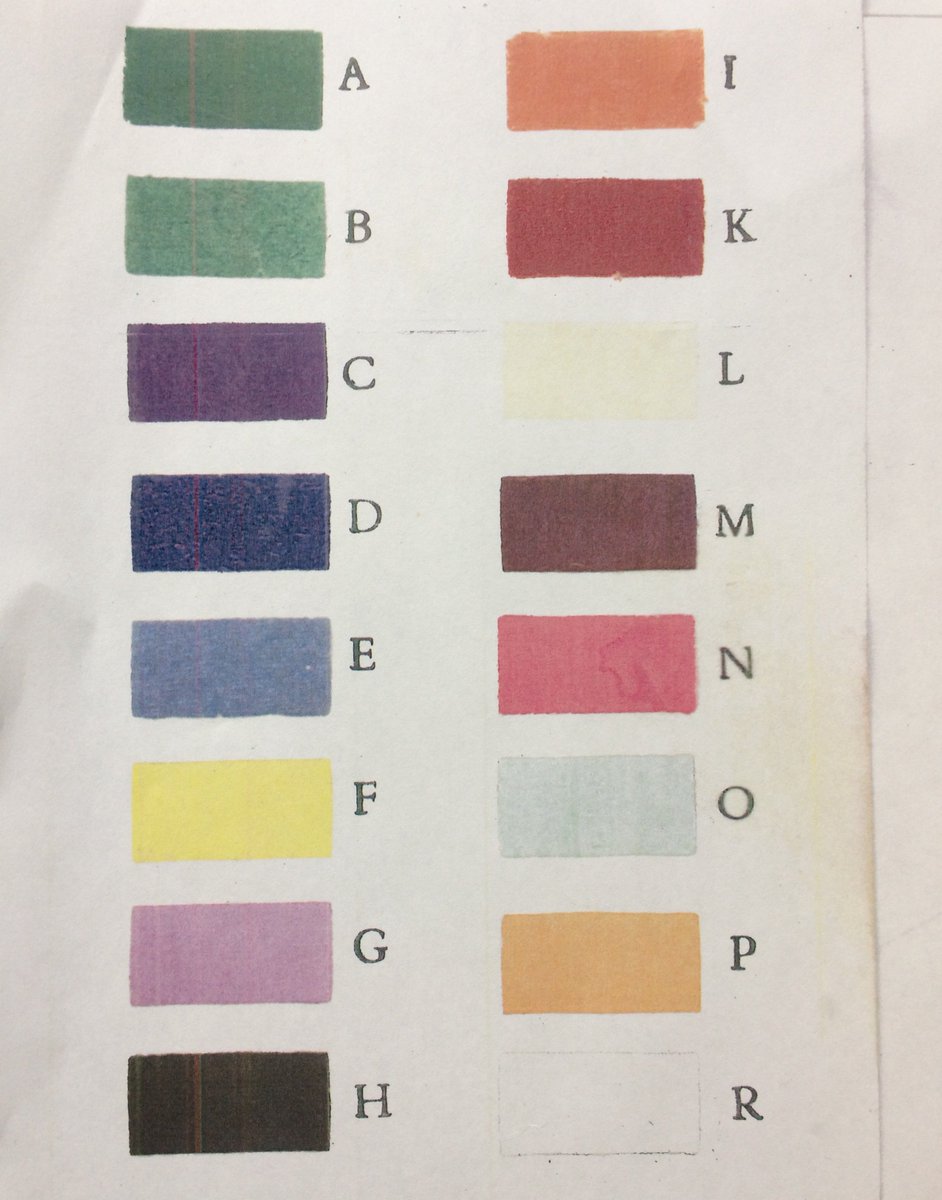
If you were a colour what colour would you be? Pick up a spine and look at our classification palette that dates to the old days of the Warburg Library in Hamburg.
Science is yellow, Philosophy is dark green, Art History is burgundy. #KnowledgeIsARainbow, #BooksHaveAllColours
Footnotes: “As long as university presses fulfill their time-honored function of publishing learned books for a learned reading public, there will always be, @scaliger jokes, a cure for insomnia” https://t.co/rzoliLlaP8
“Give them a picture and they have a cookie to work with...with animation, it's all dumped on them all at once, and they don't have to do any of the work” @anya1anya https://t.co/3Mn6m5hWqm
“Easy good books will, with a bit of luck, find their audiences; easy bad books will do so too, because they are often fun in spite of or because of their badness” @questingvole https://t.co/JzsIiGoCR6
“The manuscripts are brown, small, almost self-effacing. There’s no outward sign of how important they are, how unprecedented their meeting. So why are these four little books so special?” @Jo_Livingstone https://t.co/CbCiUB5sWa
“This conception of libraries—especially public libraries, where universal access is more important than permanent preservation—explains the metaphor of weeding” @readwriteradio https://t.co/Ta1Bz96wwJ
“Myopia is the prize to pay for good education - statistically, one year of education makes about a quarter diopter more myopic. Myopia is increasing worldwide, since a solid education becomes more and more important” Alleman, Wang & Schaeffel https://t.co/V8xVvdR8RJ
“Little Free Libraries have not strayed from Bol’s original design: They’re almost always a simple schoolhouse-shaped box set atop a wooden post, and they tend to hold 20 to 100 books at a time” @ethanepstiiiine https://t.co/Im1dso6wdy