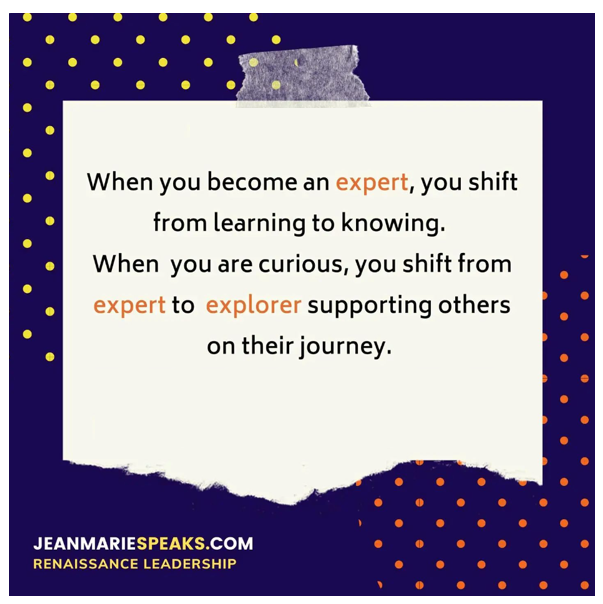
Another post about the difference between thinking like an "expert" & an "explorer". An expert starts from a place of knowing a lot about the topic ("expertise"). That leads to conviction about the right thing to do, confirmation & desirability bias & validation of the current way of thinking. An explorer starts from a place of humility (appreciating there is a lot they don't know). This leads to doubt, curiosity & a stronger likelihood of discovery & breakthrough thinking. Graphic adapted from one by @anujmagazine.
Download "A practical guide to kindness in the workplace" for free. Chapters include:
- The science behind kindness at work
- Kindness in leadership
- Operationalising kindness
- Promoting inclusion & diversity through kindness
- Kindness in performance management
- Measuring the kindness impact
It comes as an embedded flip book but if you make it full screen you can convert it to a pdf and share it: https://t.co/HTdwobQwcI. Thank you @hacking_hr
Often, as leaders, we get cast in the role of "experts". It can be affirming & powerful as we become the "go-to" people for knowledge & advice. The problem is that being more "expert" means being less "explorer". Experts learn less and help other people less on their journeys. They favour incremental tweaks and shut out space for radical ideas: https://t.co/3giJuNTP9N. Article: @sdg_oslo_falcon Graphic: @jeanmariespeaks
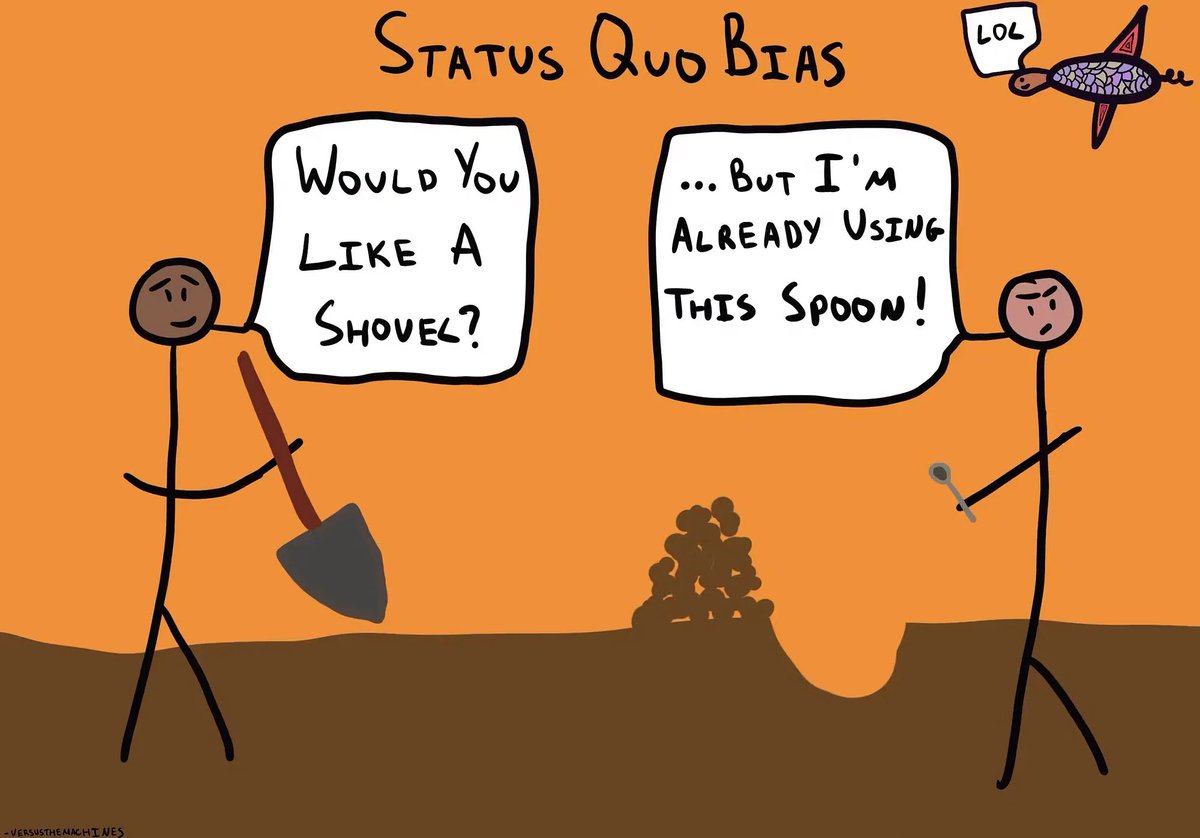
Being a leader of change means challenging the status quo. This can be tough. People have a "status quo bias". Behavioural economists tell us the fear of what might be lost is twice as strong as the hope of what might be gained. The more we are invested in something, the harder it is to abandon it. Strategies to challenge the status quo:
1) Take time to understand why/how things are as they are currently; be curious.
2) Start small, try out/test new ways of working and take things step by step.
3) Communicate your change vision effectively, backed up by data, framed in a way that resonates with people.
4) Be open to having your own ideas challenged.
5) Celebrate small wins & foster a culture of continuous improvement.
https://t.co/YQbvK3D2E0 By @ridhimagupta. Graphic: @thedecision_lab
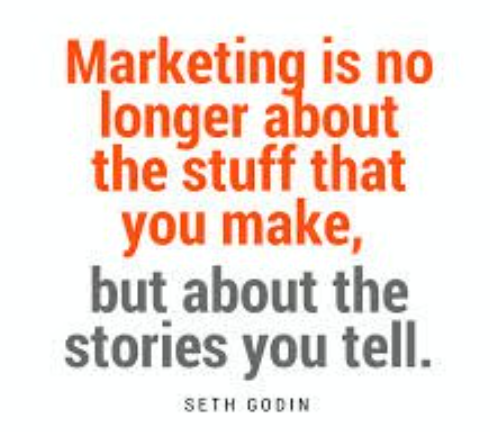
Storytelling is an essential leadership skill. Stories help us make connections, build meaningful relationships with others & retain information. We're 7x more likely to remember a fact when it's wrapped in a story. As leaders we should build skills in telling five kinds of stories:
1) Vision stories which inspire a shared one.
2) Values stories that model the way.
3) Action stories that spark change & progress.
4) Teaching stories that transmit knowledge & skills to others
5) Trust stories that help people understand, connect with & believe in us.
https://t.co/tBgkVWyelw By @NickWestergaard in @HarvardBiz. Graphics: @pearltrees
@AdamMGrant@bymariandrew The best lesson I learned was taking a job with the focus through the interview being “I hope they pick me”. I left that role after 2 years. Now my question is “do I want them/this role?? Interviews are a 2 way conversation. I know my worth.
When we're setting goals for a change/improvement project, the standard advice is to think "SMART" (specific, measurable, achievable, relevant, time-based). @artpetty says it's time to move on from SMART goals: we need goals that are 1) learning-orientated (we can only achieve our improvement goals through learning) and 2) impactful (for people who use our services, for our organisations and for our population): https://t.co/crcbeBvHLM
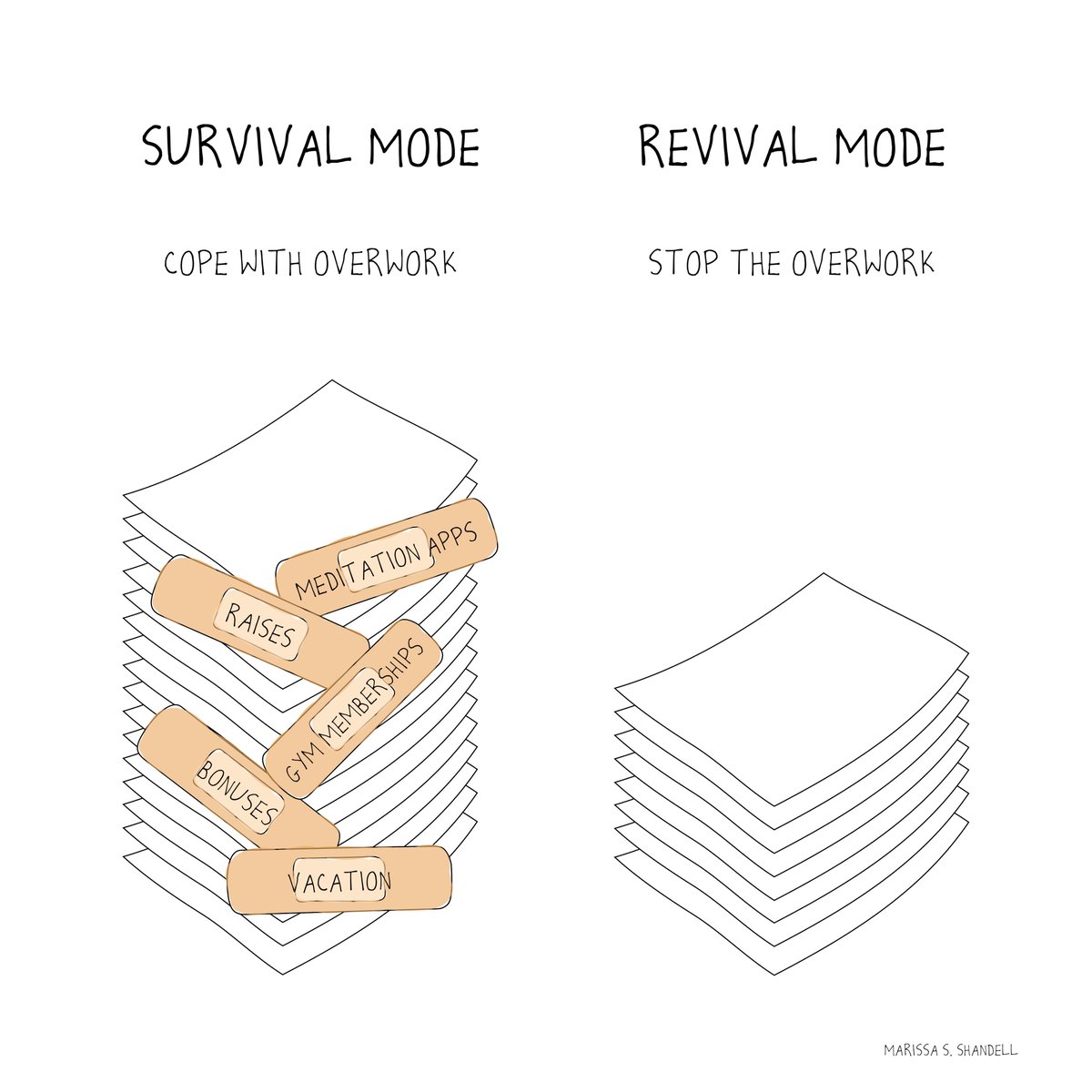
When you burn people out, you push them out. Stars are the first to leave—they have the most opportunities.
The solution is not to pile on the perks. It’s to pinpoint the root causes of overload and design more manageable jobs.
If you want to keep people, stop exhausting them.
@RogueNerdOne The world is just gentler and better when we show up and help where we are able. We do belong to each other and this is a lovely story of the goodness in the world. On both sides of the story. Thanks for sharing. Let’s all remember to help where we can.
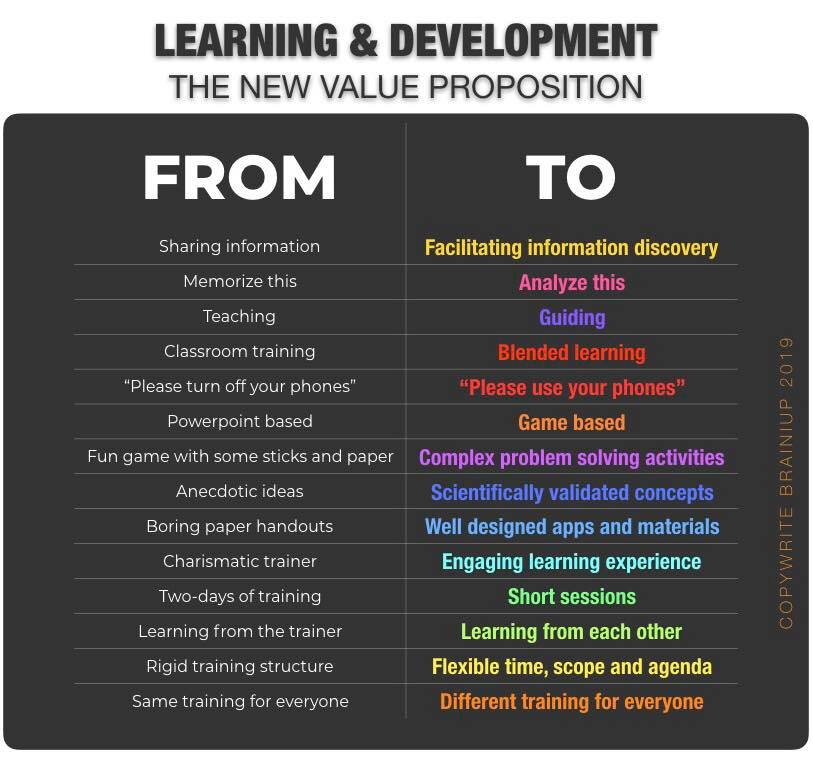
Our world is changing so quickly. It is a challenge for learning & development systems to keep up. All learning processes are having to change, from formal education, to workplace learning, to the way we organise big conferences & seminars. Here's a good overview of some of the key trends from @brainiup_play. Thanks @WiemanEmile.
@nursekelsey Mentoring is really the long game and it’s exhausting and essential. I imagine the fantastic energy with collective expertise on the unit you work on and am envious of that. And days like these can make a difference for everyone. ❤️
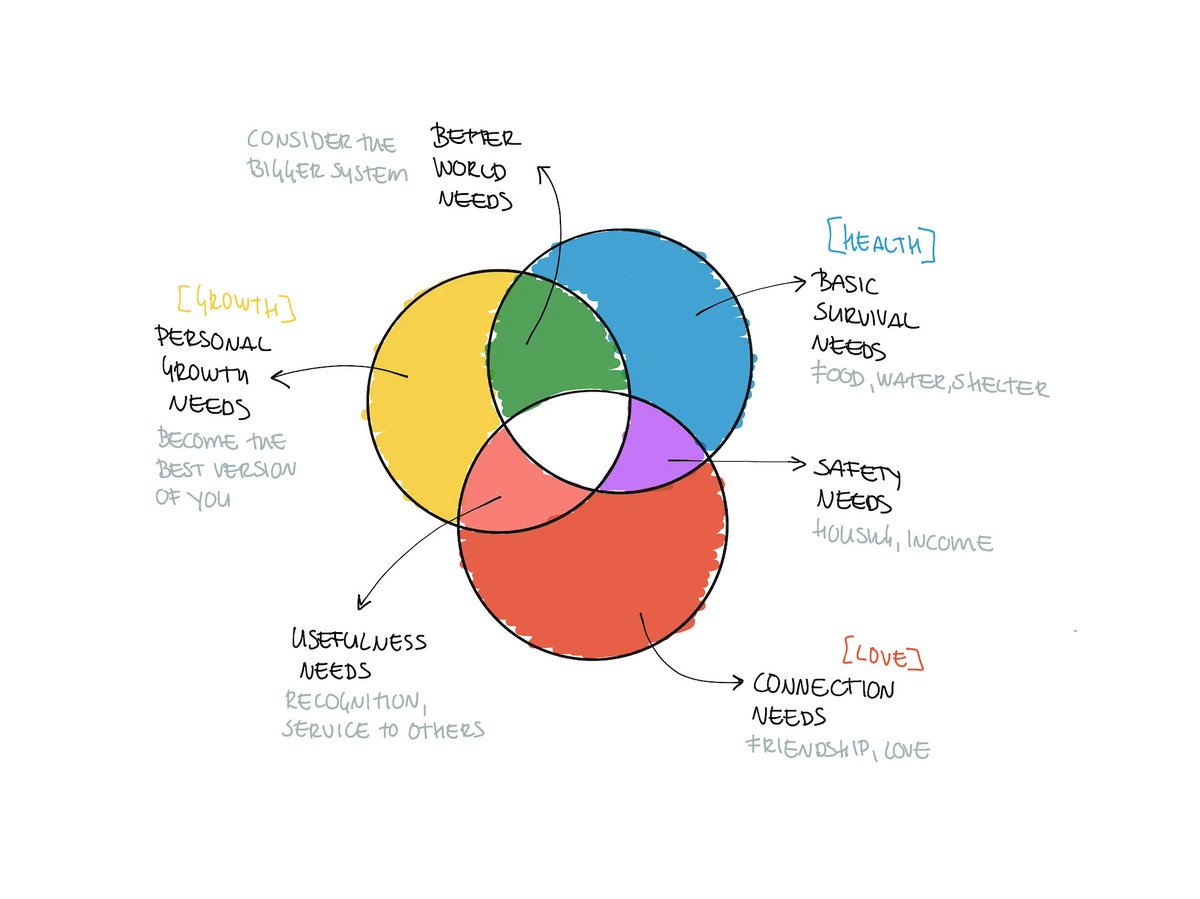
Maslow's hierarchy of needs is one of our best known/best loved models in leadership. Yet Maslow never presented it as a pyramid or hierarchy. @dhambeukers has redrawn it as circles. I like the addition of a 6th component: our need to be part of & protect the bigger system, whether it's our community or the planet https://t.co/4kkdBuoiMZ
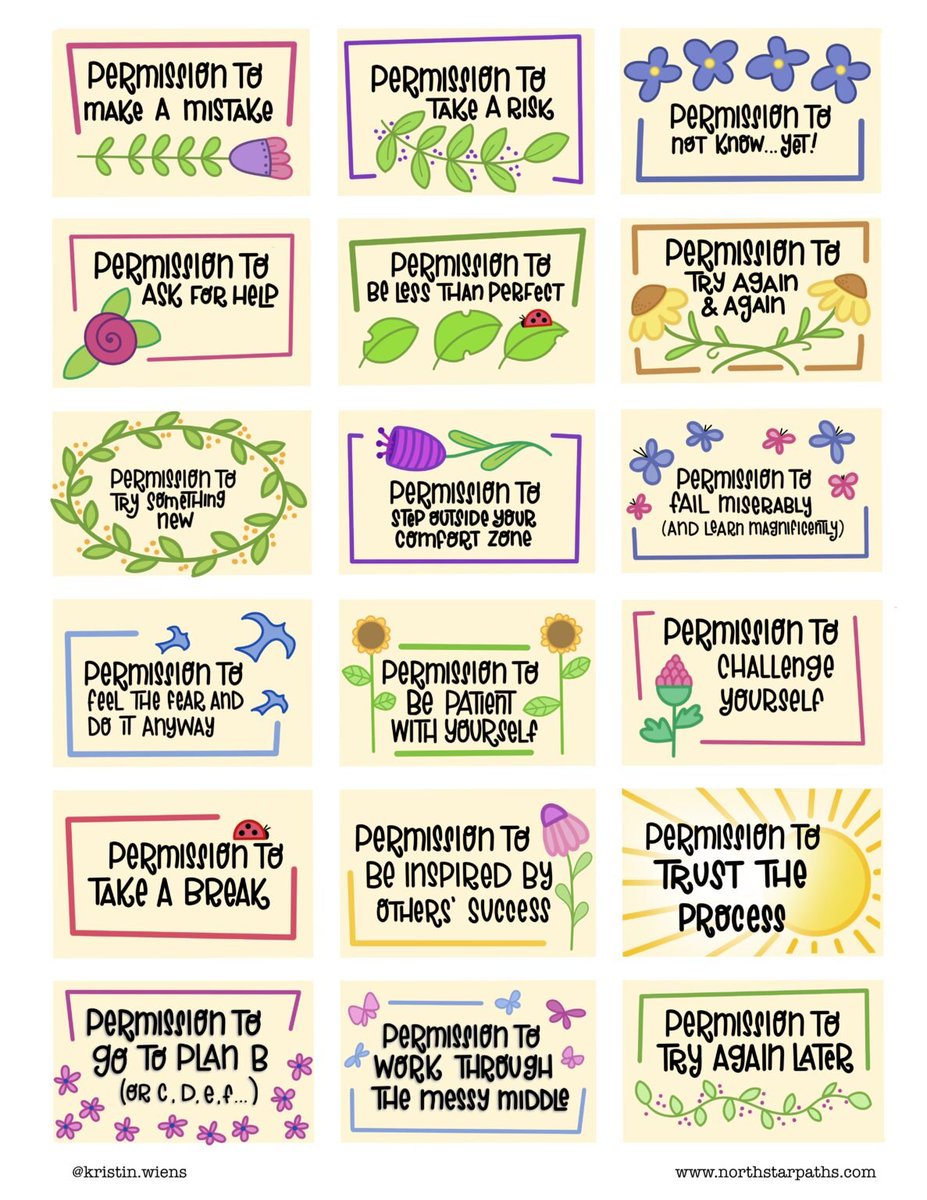
Look no further than these permission slips. Creating safe spaces to learn and grow and innovate means that we really do need to acknowledge that failure will happen and that is part of the process. Which one would you choose??
Often, we frame our change activities in a challenging way: "break the rules", "confront the status quo", "daring to fail & learn" etc. Why don't we flip this & just give ourselves permission to do things? I'm inspired by these "permission slips" from @kwiens. What do you give yourself permission to do, individually & as a team? Download the slips for free at https://t.co/PpmKpASqZW
I’m not sure what I am going to do when this show ends, but for now I’m just going to be grateful that the writers on this show are simply some of the best.
So grateful for these two scientists on this last weekend before the CDE exam next weekend. I am the diabetes educator I am because of them, and someday hope for a cure. Until then?? We educate and support and help make this disease manageable.
When Fredrick Banting and Charles Best discovered insulin in Toronto, they received a US patent for it.
Instead of making millions, they sold it to the University of Toronto for one dollar.
When asked why, Banting said: “Insulin does not belong to me, it belongs to the world.”