🇺🇸 New York City got a once-in-a-lifetime sunset, right after a severe storm swept through.
America turned 250 and New York really dressed for the occasion.
Writer: Monica
All of Taylor Swift’s #1 hits on the Hot 100:
We Are Never Ever Getting Back Together
Shake It Off
Blank Space
Bad Blood
Look What You Made Me Do
cardigan
willow
All Too Well (Taylor’s Version/10 Minute)
Anti-Hero
Cruel Summer
Is It Over Now?
Fortnight
The Fate of Ophelia
Opalite
I Knew It, I Knew You
The most for any artist in the 21st century.
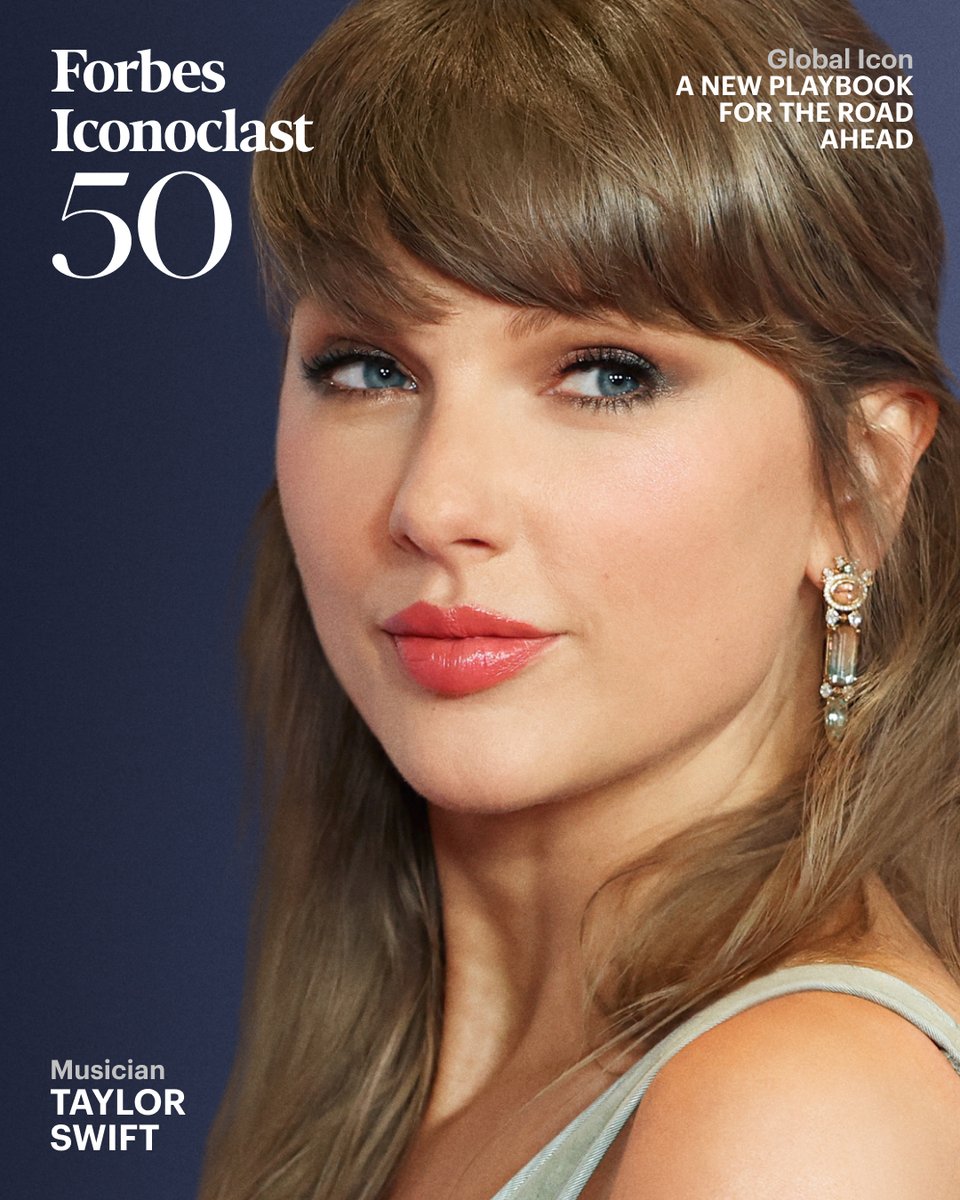
Taylor Swift didn't just break records—she took ownership of them. The Forbes Iconoclast List member leveraged her star power to buy back her original masters for $360 million, doubling her net worth to $2 billion by March 2026. She is officially the richest female musician in history.
See how she and others made the #ForbesIconoclast50 list here: https://t.co/npegh7oECw Presented by Corient
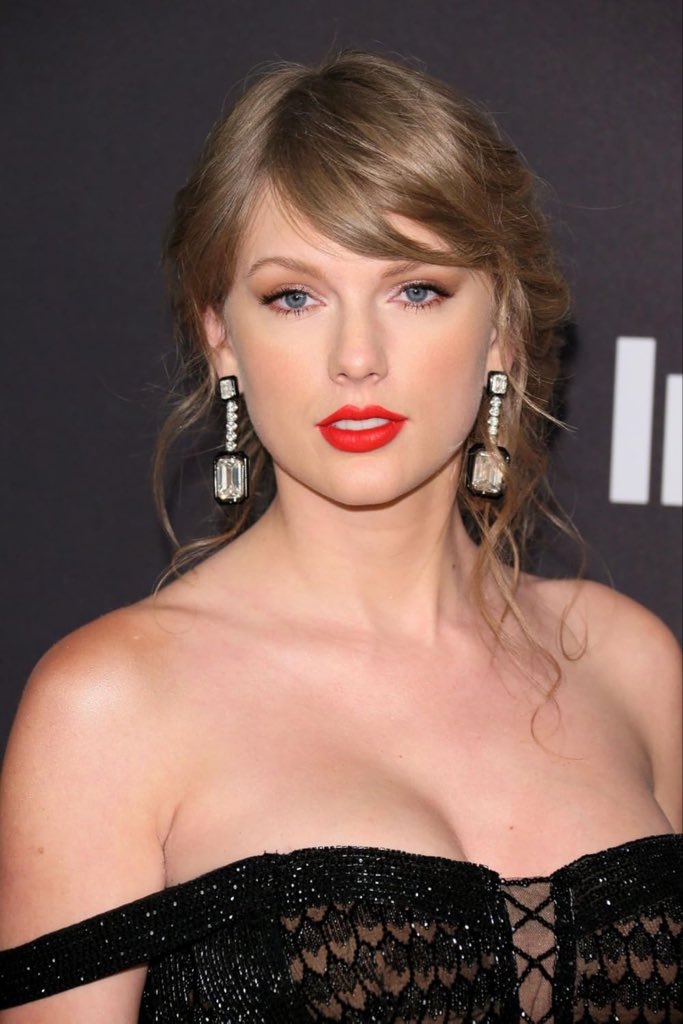
Photo: Frazer Harrison via Getty Images
@pitchfork Making music takes talent, passion, time, and sacrifice. Giving low scores and tearing artists down from behind a screen is the easy part. Creating art is hard. Discrediting it is easy as a piece of cake.
Universal Music is selling $1.4 billion in Spotify shares. It paid nothing for them. Spotify handed the shares over in 2008 just for letting Spotify play music, and the deal was set up so almost none of that money would ever reach the artists who made the music. Taylor Swift's 2018 contract changed that.
Back in 2008, Spotify was a small Swedish startup that needed songs to play. The big record labels had the songs. They had no reason to hand them over cheap, so the two sides cut a deal. Spotify gave them shares. The labels gave Spotify the right to play their music. Universal walked away with 5%. That stake later grew to 7% when Universal bought EMI and rolled EMI's 2% into its own. Then it drifted back to 3% as Spotify took on more investors and shrank everyone's slice. At today's prices, 3% of Spotify is worth about $2.7 billion. Universal sat on those shares for 18 years and never sold a single one. Until yesterday.
Most artists never see royalty money. When a label signs you, it pays you an advance to live on while you make the album. It also covers your studio time, your music videos, your marketing, your tour. All of those costs go on a tab. The label keeps every dollar your music earns until you clear that tab. Berklee, the music school in Boston, says as many as 96% of major-label artists never earn enough to clear it. They stay in the red their entire careers.
Sony moved first in 2018. It sold half its Spotify shares for $768 million and paid $250 million directly to its artists in cash, no matter how much each one still owed. Warner followed a few months later. It sold all of its Spotify shares for $504 million and said $126 million would go to its artists too. Warner played it differently. Most of that money went to pay down what those artists already owed, instead of putting fresh cash in their pockets.
Taylor Swift was negotiating her own deal with Universal that same year. She refused to sign unless Universal put the Sony version of the rule in her contract. Cash to artists, no matter what they owed. She wrote at the time that the clause "meant more to me than any other deal point." Universal had said publicly in March 2018 it would share Spotify money with artists. But it had not put the cash-not-credit rule in writing. Swift's contract, signed eight months later, did.
Universal is finally selling. Hundreds of millions of dollars in cash are about to land in artists' bank accounts, including artists who have spent years or decades in the red and would otherwise get nothing from a sale like this.
Most of those artists have never met Taylor Swift. All of them benefit from a single line she insisted on eight years ago.
In 2015, Taylor Swift made Apple Music change its policy in under 24hrs. After revealing artists wouldn’t be paid during the 3-month free trial
She withheld 1989 from the platform, refusing to let it be free, and posted an open letter.
Apple reversed and agreed to pay artists.
In 2014, Taylor Swift removed her music from Spotify over low pay, staying off for 3 years until 2017, she said
“I’m not willing to contribute my life’s work to an experiment that doesn’t fairly compensate artists.”
Fast forward to 2026, she’s its most-streamed artist ever.