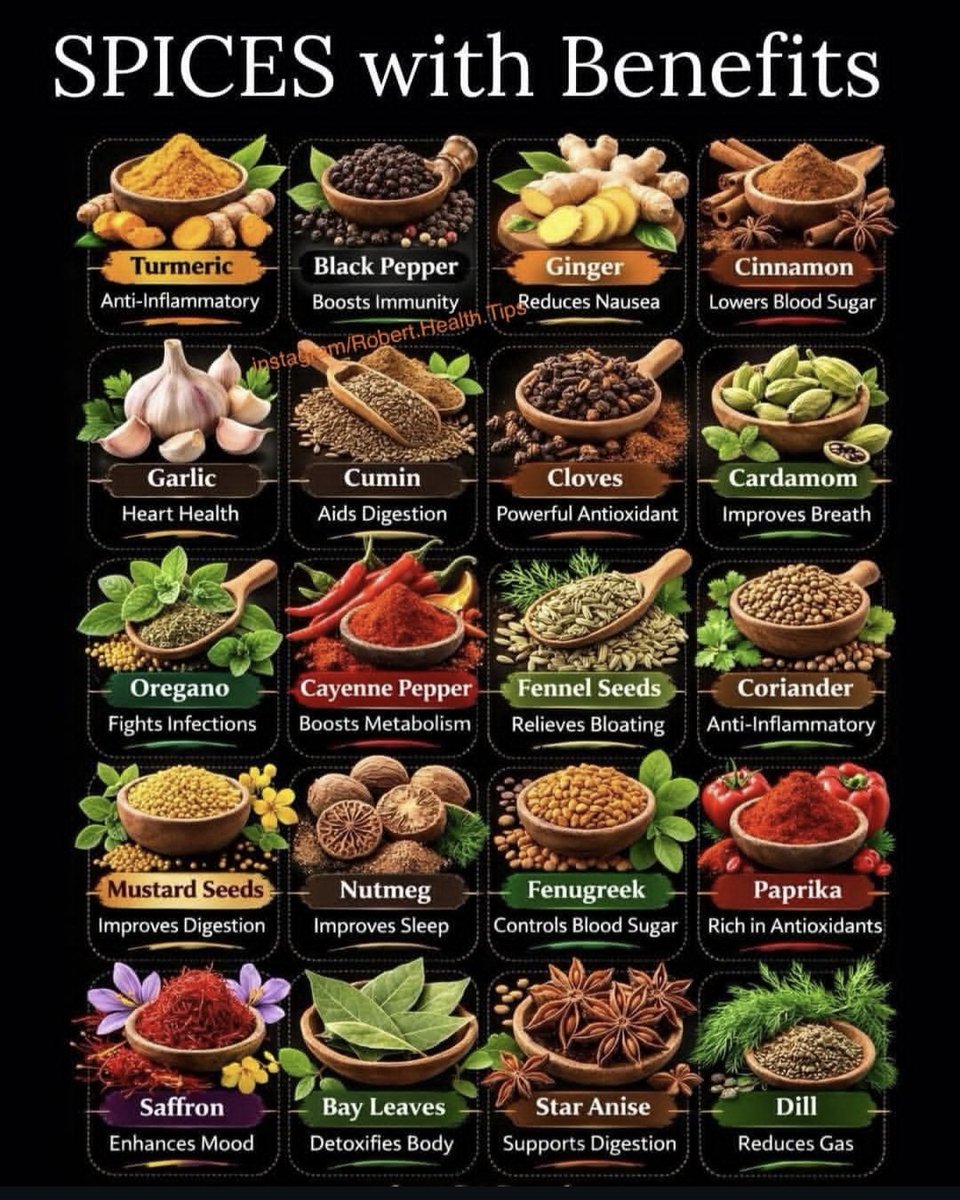
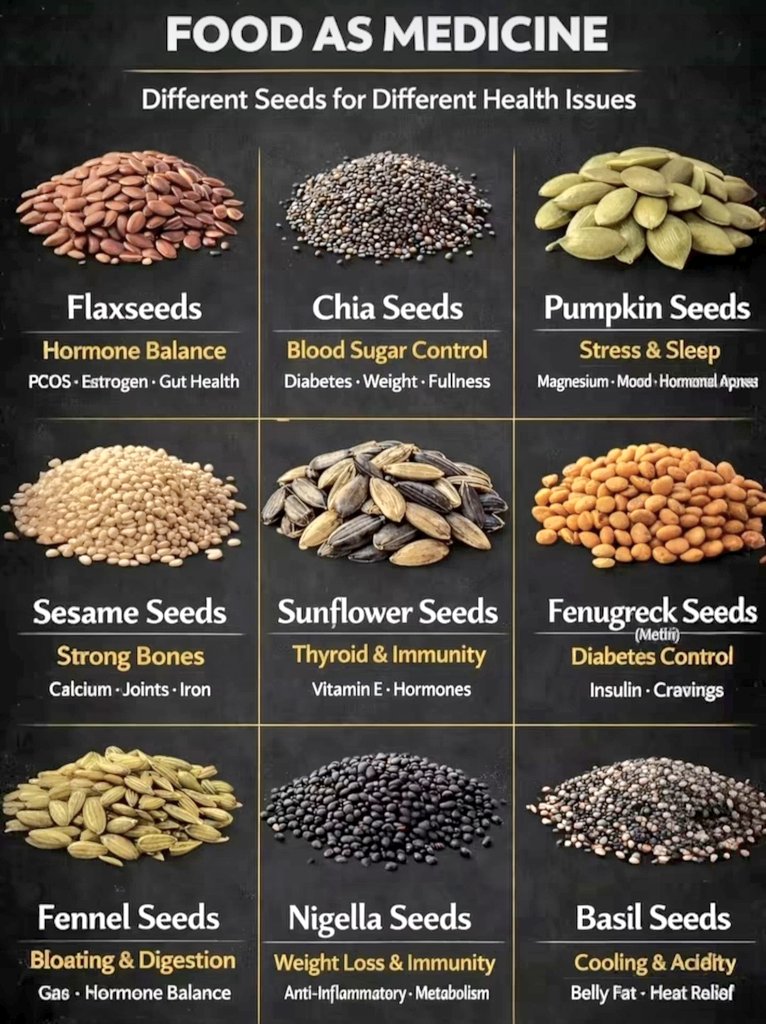
There’s a reason simple kitchen remedies keep getting passed down.
Sometimes the most interesting wellness ideas are hiding in ingredients you already have at home.
All Paid Courses (Free for First 4500 People)
𝗣𝗮𝗶𝗱 𝗖𝗼𝘂𝗿𝘀𝗲 𝗙𝗥𝗘𝗘 (PART - 1)
1. Artificial Intelligence
2. Machine Learning
3. Prompt Engineering
4. Claude,Chatgpt,Grok
5. Data Analytics
6. AWS Certified
7. Data Science
8. BIG DATA
9. Python
10. Ethical Hacking
(72 Hours only )
Like + RT + comment ' Drive '
Must Follow me so I can DM you.
Gmail has 4.2 billion active users.
But only a few know how to use it well.
Here are 10 Gmail hacks to help you make $20,000 a month.
It is FREE only for 24 hours.
To get it,
1. Like & Repost
2. Comment '"Learn"
3. You must be following me or I can't DM it.
Indonesia sekat remaja bawah 16 tahun akses media sosial berisiko tinggi bermula 28 Mac
#SHGlobal Akaun media sosial milik kanak-kanak bawah 16 tahun di platform seperti YouTube, TikTok, Facebook, Instagram, Thread, X, Bigolive, dan Roblox akan dinyahaktifkan.
#SinarHarian #sekatan #mediasosial #Indonesia
https://t.co/q8CywZy3RL
Every vitamin has a job.
Every deficiency has a consequence.
Every food choice moves the needle.
A quick breakdown:
🔵 Vitamin D
Bone strength and calcium absorption.
Low levels raise the risk of weak bones and fatigue.
🟣 Vitamin B12
Builds DNA and protects nerves.
Low B12 can mean anemia, tingling, and brain fog.
🟡 Vitamin A
Vision, immunity, and tissue growth.
Deficiency can lead to night blindness.
🟢 Vitamin K
Clots your blood when you’re injured.
Deficiency increases bleeding risk.
🟠 Vitamin C
Major antioxidant and collagen builder.
Low C = weak immunity and poor wound healing.
🔴 Vitamin B6, B7, B9, B1, B2, B3
These B-vitamins run your metabolism, fuel your brain, make neurotransmitters, support pregnancy, stabilize energy, and protect your nerves.
Each one solves a different problem in your biochemistry.
What this all means:
• Vitamins aren’t optional
• You feel them long before you see them
• Deficiency symptoms often look like “stress” or “low energy”
• Small improvements in diet can fix problems people chase with supplements for years
Nutrition is chemistry you can control.
Your cells are listening to what you feed them every day.
How the brain talks to the immune system
This diagram shows the inflammatory reflex - a neural circuit where the brain regulates inflammation through the vagus nerve. It’s how psychological stress, inflammation, and immune activity stay linked.
1️⃣ The signal starts in the brain
The vagus nerve carries electrical impulses from the brainstem to the spleen, the body’s blood-filtering and immune-coordinating organ.
🟢 Example: Deep breathing and meditation can activate the vagus nerve, lowering heart rate and reducing circulating inflammatory markers like CRP and IL-6.
2️⃣ The spleen acts as a relay
When the vagus nerve is stimulated, it triggers the splenic nerve to release noradrenaline, which activates immune T cells to release acetylcholine.
🟢 Example: In animal models, vagus nerve stimulation increased noradrenaline in the spleen within minutes, showing how fast the nervous system can modulate immunity.
3️⃣ Acetylcholine calms inflammation
This neurotransmitter binds to receptors on macrophages, reducing the release of tumor necrosis factor-α (TNF-α), an inflammatory cytokine involved in chronic disease.
🟢 Example: Clinical studies using implanted vagus nerve stimulators in rheumatoid arthritis patients lowered TNF-α levels and improved joint pain without immunosuppressive drugs.
The inflammatory reflex shows that inflammation isn’t just chemical, it’s electrical. The brain can literally tell the immune system when to stand down.
Mitochondria are not just power plants.
They are decision-makers.
They regulate inflammation, aging, and disease.
A quick breakdown:
🔵 Energy signaling, not just energy production
Mitochondria don’t just make energy.
They decide how energy is produced, where it’s used, and when cells change their behavior.
Energy itself acts as a signal that tells cells what to do.
🟣 Inflammation control
When mitochondria are damaged, they release internal components into the cell.
The immune system interprets these as danger signals and turns inflammation on, even without infection.
🟡 Aging regulation
As we age, cells become worse at clearing damaged mitochondria.
These dysfunctional mitochondria build up, increasing oxidative damage and low-grade inflammation that drives aging.
🟢 Why many diseases look different but share the same root
Neurodegenerative disease, heart disease, diabetes, obesity, autoimmune disease, sepsis, and cancer all involve failure of mitochondrial function.
Different organs. Same underlying problem.
🟠 Why “antioxidants” alone miss the point
The problem isn’t just damage.
It’s where the damage happens, why it happens, and whether the cell can remove the broken machinery afterward.
🔴 Why this changes how we think about health
You don’t treat dozens of unrelated diseases separately.
You support mitochondrial health—and multiple systems improve together.
What this all means:
• Mitochondria are control centers, not batteries
• Inflammation often starts as an energy problem
• Aging reflects declining cellular maintenance
• Many diseases are the same biology showing up in different tissues
Health isn’t just chemistry.
It’s how cells manage energy.
And mitochondria sit at the center of the system.
Doi:10.1038/s41392-025-02253-4
Your body has a master clock hidden deep in the brain, and it quietly controls almost everything you feel during the day.
This chart shows what that clock is actually doing, and why your sleep, hunger, hormones, energy, and mood follow the same 24-hour rhythm every single day.
Here’s the simple breakdown:
⏰ The “master clock” lives in the "SCN" (as its abbreviated)
Located in the hypothalamus, it takes in light from your eyes and uses it to reset your entire system.
• Light in the morning tells your brain: wake up, raise cortisol, increase alertness.
• Darkness at night flips the switch: make melatonin, lower body temperature, prepare for sleep.
🌙 Melatonin rises only when the SCN says it’s dark
The pineal gland releases melatonin to start the sleep process.
If light hits your eyes at night (phones, TVs, bright LEDs), that signal can shut off or slow down.
😴 Serotonin and melatonin are linked
During the day, serotonin helps regulate mood and alertness.
At night, the system converts part of that serotonin into melatonin to drive sleep timing.
🧠 Your organs follow the brain’s schedule
Every major organ has its own “clock genes,” and they all sync to the SCN.
That’s why timing matters:
Daytime:
• Muscle: glycolytic metabolism and strength performance peak
• Liver: glycogen and cholesterol synthesis
• Pancreas: insulin secretion
• Fat: lipogenesis and adiponectin production
Nighttime:
• Muscle: oxidative metabolism and repair
• Liver: gluconeogenesis and mitochondrial biogenesis
• Pancreas: glucagon secretion
• Fat: lipid breakdown and leptin release (signals satiety)
In other words:
Your biology isn’t the same at 8 AM as it is at 8 PM.
🍽️ Food and activity act as “secondary clocks”
Eating late, irregular sleep, shift work, or inconsistent light exposure can confuse these clocks and throw off hormones, metabolism, and mood.
This is why:
• Morning light improves sleep
• Regular mealtimes stabilize metabolism
• Late-night eating increases glucose spikes
• Consistent sleep strengthens hormone rhythms
• Exercise timing can shift circadian signals
Your circadian rhythm isn’t just about sleep.
It’s a full-body timing system coordinating hormones, temperature, digestion, metabolism, and repair.
Get your light, food, and sleep aligned…
And the rest of your biology starts working with you instead of against you.
Graphic citation: Unknown
Research citation: PMID: 11584554
Our brain isn’t just made of neurons. It runs on a whole neighborhood of cells that can either protect your mind or quietly push it toward inflammation.
This diagram reveals how astrocytes, microglia, neurons and oligodendrocytes talk to each other during stress, illness, and injury. Their conversations shape memory, mood, cognition, and long-term brain resilience.
Here is what this graphic shows in plain language:
🧠 Astrocytes act as the central switchboard
They decide whether the brain environment becomes supportive or inflammatory. When they sense danger signals, they activate NF kappa B and release molecules that influence the other cells around them. When conditions are safe, they release factors that help neurons grow and help new oligodendrocytes mature.
🔥 Microglia can protect or damage depending on the signals they receive
They can release IL 1 beta, GM CSF, and other proinflammatory signals, or they can shift to a more supportive state depending on what they detect from astrocytes and neurons.
⚡ Neurons suffer when inflammation rises
Oxidative stress, nitric oxide, and loss of metabolic support weaken them. Glutamate handling becomes impaired, which increases excitotoxic stress.
🧩 Oligodendrocytes and their precursor cells respond to what the environment tells them
Inflammatory signals slow their support for neurons, while regenerative signals encourage new myelin formation and better neuron stability.
The health of your brain depends on how these cells interact, not just on neurons alone.
doi: 10.1126/scitranslmed.adi7828
Chemistry writes the story of life.
Every cell, every second, it tells it again - powered by molecular design.
At the core of this process lies the citric acid cycle, the central hub of metabolism.
Here, acetyl-CoA derived from carbohydrates, fats, or proteins enters a precise series of reactions that convert fuel into energy.
Each step transfers electrons, drives ATP synthesis, and sustains the continuous renewal of life at the cellular level.
What may seem invisible is, in fact, the most constant motion in existence; the quiet rhythm of biochemistry that powers everything we do.
Amino acids are quite literally the alphabet of life
Proteins are the body’s vocabulary. Every enzyme, hormone, receptor, and muscle fiber is a “word.” But the alphabet they’re written in is made of a common 20 amino acids. This chart is your dictionary key:
1️⃣ The Basics
Each amino acid has:
A chemical structure (the side chain makes each unique).
A 3-letter code (e.g., Ala for alanine).
A 1-letter code (A for alanine) — the “shorthand” your DNA uses.
🟢 Example: Hemoglobin’s sequence is written in this one-letter code, like a long word spelling out life.
2️⃣ Chemical Classes (Color-Coded Here)
Aliphatic (red): Alanine, glycine, valine, leucine, isoleucine → hydrophobic, important for protein cores.
Aromatic (green): Phenylalanine, tryptophan, tyrosine → absorb UV light, help fold proteins.
Acidic (orange): Aspartic acid, glutamic acid → negatively charged, used in enzyme active sites.
Basic (blue): Lysine, arginine, histidine → positively charged, often bind DNA or other molecules.
Hydroxyl-containing (pink): Serine, threonine → sites for phosphorylation (cell signaling).
Sulfur-containing (yellow): Cysteine, methionine → cysteine makes disulfide bridges, methionine often starts protein synthesis.
Amidic (dark blue): Asparagine, glutamine → neutral but polar, good at hydrogen bonding.
🟢 Example: Cysteine (yellow) is like “Velcro” — it can link different parts of a protein together.
3️⃣ Essential vs. Non-Essential (Dashed vs. Solid Circles)
Essential (dashed): Must come from food (e.g., leucine, lysine, tryptophan).
Non-essential (solid): Body can synthesize (e.g., alanine, glutamate).
🟢 Example: Tryptophan is essential because you need it to make serotonin — but you can’t make it yourself.
4️⃣ Why This Matters
Protein folding: Side chains dictate 3D structure.
Enzyme activity: Active sites are built from specific side chain chemistries.
Signaling: Phosphorylation often happens on serine, threonine, tyrosine.
Stability: Sulfur bonds (cysteine) keep proteins locked in place.
🟢 Example: A single amino acid swap in hemoglobin (glutamic acid → valine) causes sickle cell disease.
With just 20 letters, nature writes the language of life. Each amino acid has its own “accent” - i.e., acidic, basic, aromatic, or sulfur-linked; and together they form the entire vocabulary of proteins that keep you alive
Minerals and the brain: how micronutrients shape neurological function
Minerals are often overlooked in discussions of brain health, yet they are fundamental to how neurons fire, communicate, and recover from stress. Each mineral plays a distinct biochemical role in neurotransmission, neuroplasticity, and antioxidant defense. Even mild deficiencies can alter mood, cognition, and mental resilience.
1️⃣ Chromium
Chromium helps restore insulin sensitivity in the brain through GLUT-4 transporters and supports amino acid delivery for neurotransmitter synthesis. It also modulates serotonin receptor sensitivity, influencing appetite and mood regulation.
🟢 Example: Chromium picolinate has been studied for improving carbohydrate cravings and mood balance in individuals with atypical depression.
2️⃣ Copper
Copper works with zinc to regulate synaptic signaling and enzyme activity. It influences the excitatory and inhibitory balance in the brain by modulating GABA function.
🟢 Example: Both copper excess and deficiency have been linked to anxiety and learning difficulties due to altered neurotransmitter regulation.
3️⃣ Iodine
Iodine supports the synthesis and activation of thyroid hormones, which control energy metabolism and brain development.
🟢 Example: Inadequate iodine intake during pregnancy remains one of the leading preventable causes of cognitive impairment worldwide.
4️⃣ Iron
Iron is required for dopamine and serotonin synthesis, brain myelination, and GABA balance.
🟢 Example: Low ferritin levels are associated with fatigue, poor concentration, and restless legs syndrome, all of which often improve once iron is replenished.
5️⃣ Lithium
Lithium promotes neuroplasticity by stimulating the release of brain-derived neurotrophic factor (BDNF) and stabilizing neuronal signaling. It modulates multiple neurotransmitter systems and intracellular pathways that support mood regulation.
🟢 Example: Trace lithium exposure in drinking water has been associated with lower rates of mood disorders and cognitive decline in population studies.
6️⃣ Magnesium
Magnesium regulates neuronal excitability by blocking NMDA receptors and mediates the body’s stress response through the HPA axis.
🟢 Example: Magnesium supplementation has been shown to reduce anxiety, improve sleep quality, and enhance recovery from chronic stress.
7️⃣ Selenium
Selenium is a key component of antioxidant enzymes such as glutathione peroxidase and helps regulate inflammation and immune balance in the brain.
🟢 Example: Low selenium status is linked with higher rates of depression and cognitive decline, likely due to impaired antioxidant defense.
8️⃣ Zinc
Zinc enhances BDNF gene expression, supports immune-neural communication, and modulates GABA receptor activity.
🟢 Example: Zinc deficiency is common in depression, and supplementation has been shown to improve treatment outcomes when combined with antidepressant therapy.
Minerals act as the brain’s chemical regulators, coordinating energy metabolism, neurotransmitter balance, and resilience to oxidative and emotional stress. Optimal levels of elements such as iron, zinc, magnesium, selenium, and chromium help sustain the brain’s electrical and metabolic stability, keeping it alert, adaptive, and protected