Choosing Life, Together 🪻💜
We live in a fast-paced world that often demands quick fixes, easy answers, and forced smiles. But true humanity lies in our willingness to sit quietly in the dark with each other, without demanding that the light turn on immediately. 🌷🩷
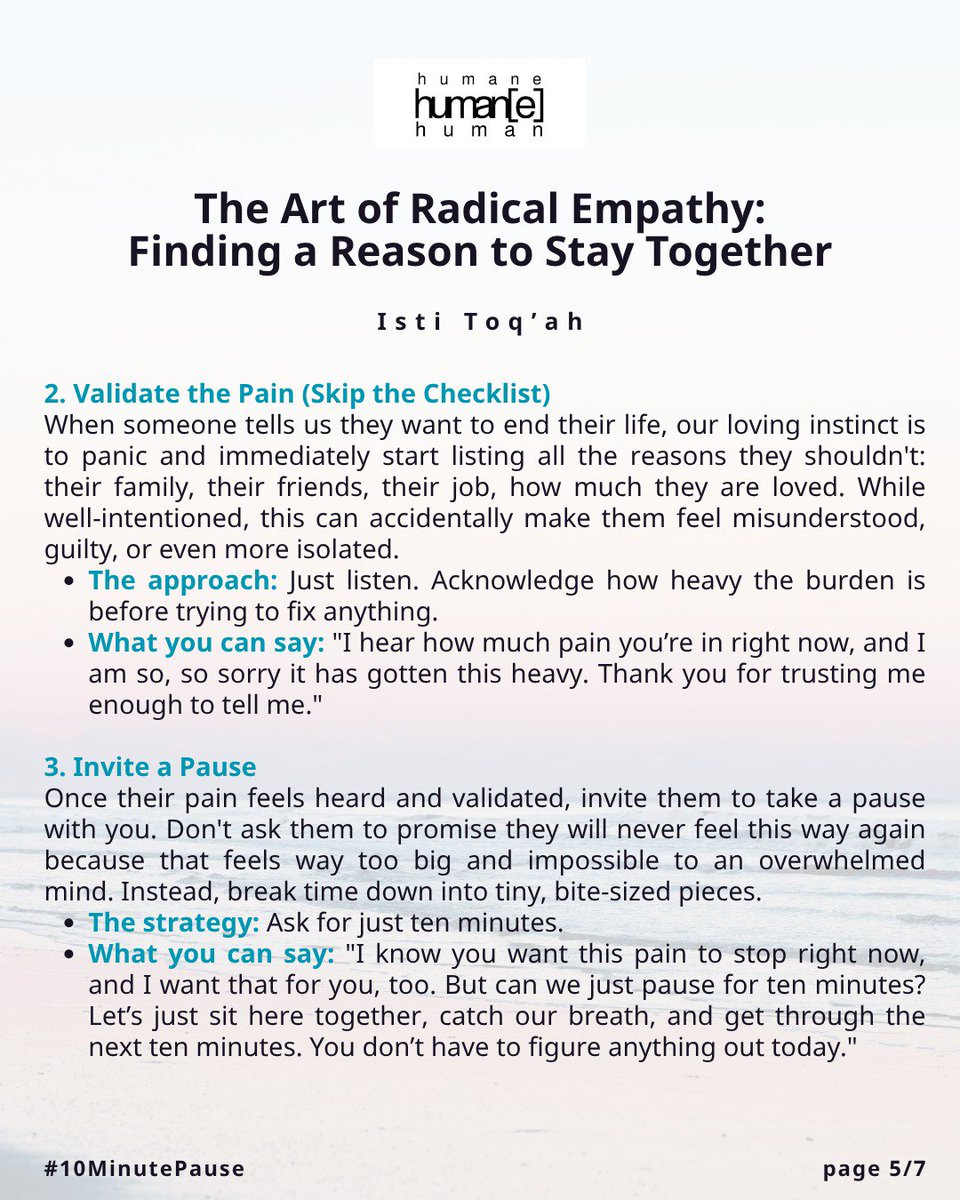
If you are reading this right now and you are currently looking for a way out, please take a ten-minute pause. Let the world wait. Reach out to a friend, a helpline, or someone you trust. You don't have to carry this alone, and you don't have to leap. Nangilima can wait.
It is the longest conversation you will ever have in your life.
My latest journaling dives into why we do it. The fascinating science of "instructional self-talk" and "distanced self-talk" remind us to stop apologizing for speaking your thoughts into existence.
We treat it like a design flaw or a slip in sanity.
But decades of psychological research show the exact opposite.
Your inner narrator isn't a glitch, it’s an essential partner in how you regulate emotions, focus on complex tasks, and navigate stress.
Ever caught yourself having a full, animated conversation with an empty room? 🤫
For a long time, society handed us a quiet, persistent stigma: the moment you start talking to yourself, especially out loud, you’ve crossed an invisible line into losing your mind.
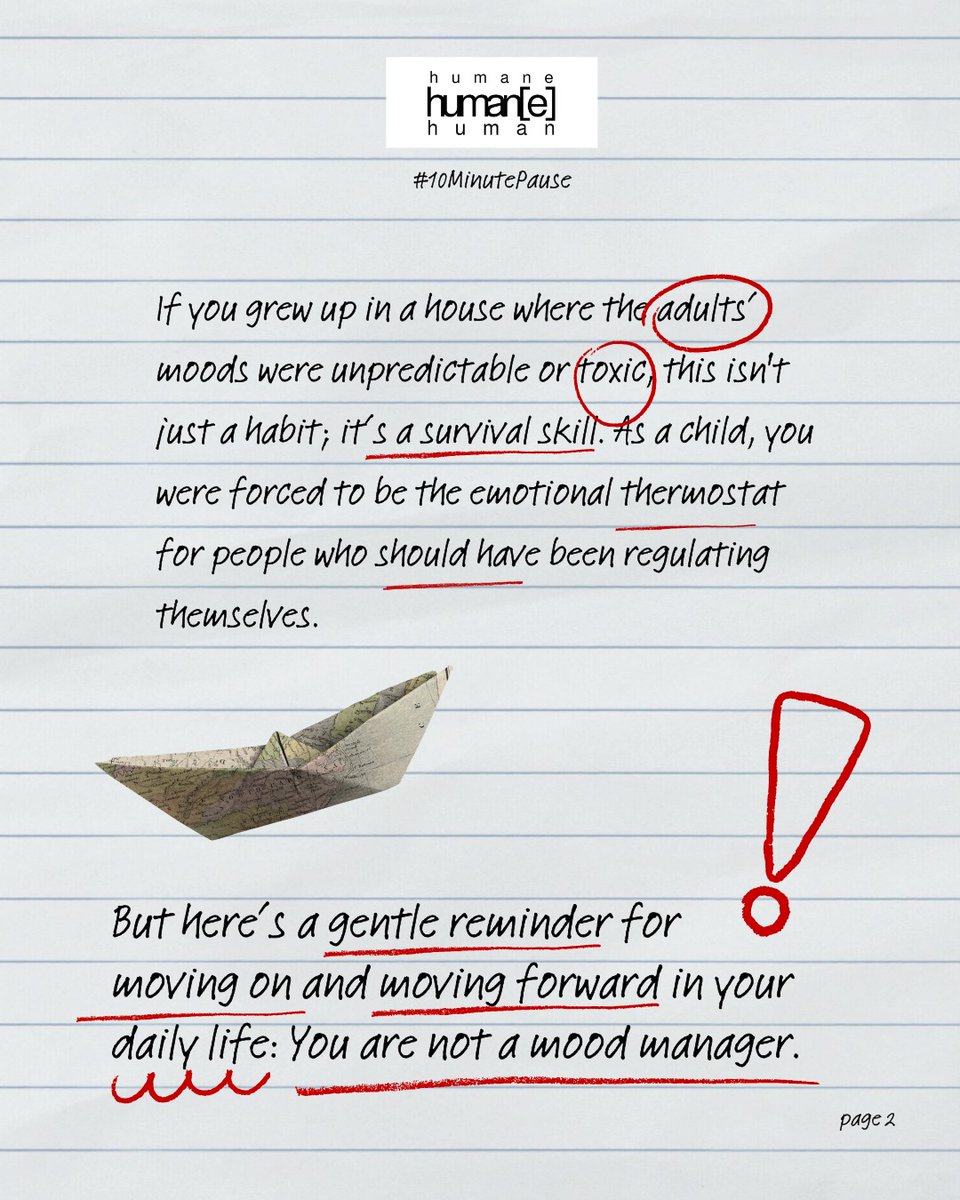
As a child, you were taught to be an emotional architect, carefully building your behavior to keep the adults around you from collapsing. You learned to read silence like a map and sighs like a warning. You were told, without words, that their peace was your responsibility.
You are worthy of happiness even when someone else chooses anger. You are worthy of calm even when the room is loud. You are worthy, simply because you exist, not because of how well you fix the people around you.
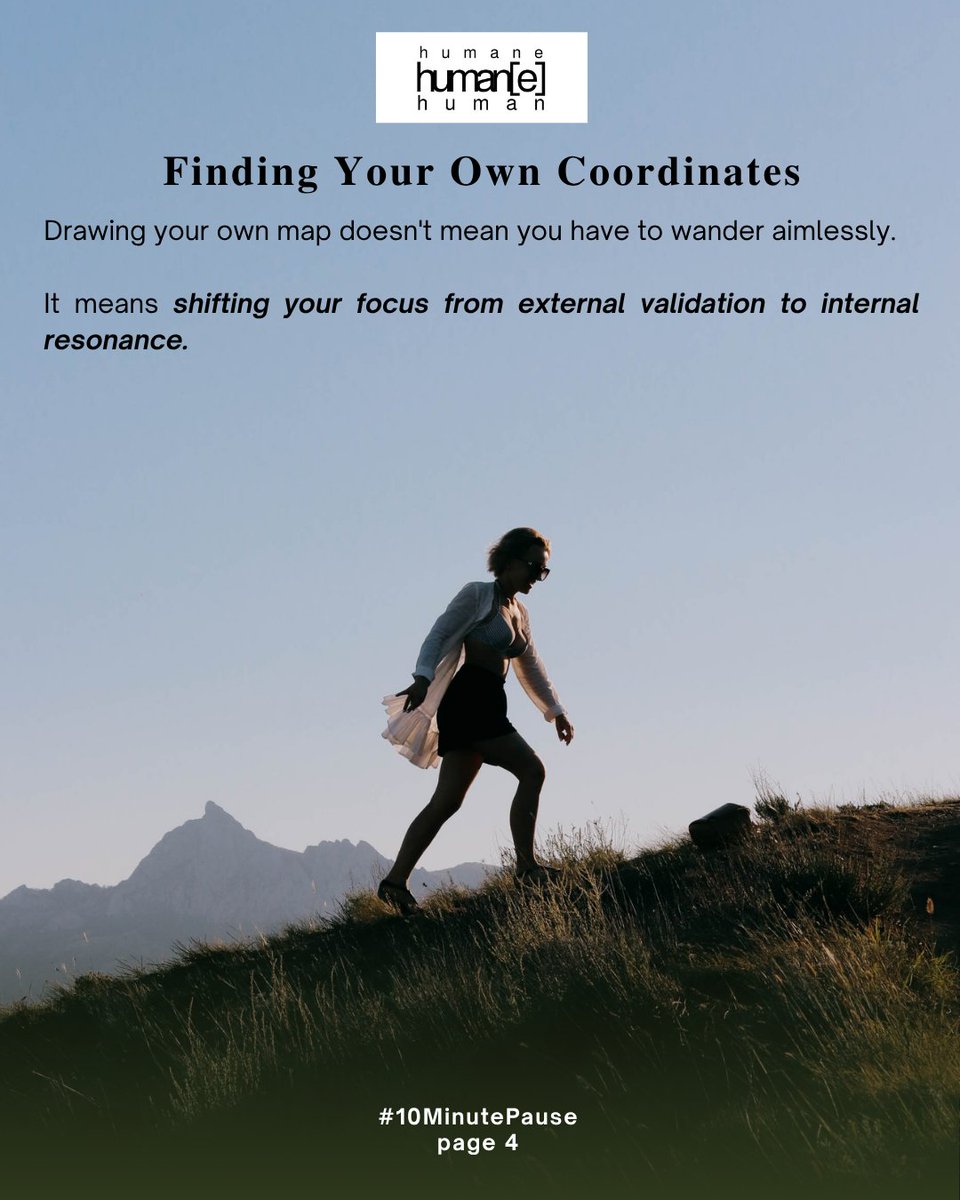
"You cannot use someone else’s map to find yourself." 🗺️🧭
This week for #10minutepause, we are exploring the beauty of the unmapped life. 👣
Are you following a path because it’s yours, or because it’s what you were told "success" looks like? 🛣️
The Waterline of the Heart 🌊
We often judge people by the 10% we see—the "disruptive" behavior, the missed deadline, or the constant need for attention.
But the Iceberg Theory reminds us that the most significant part of a person is what lies beneath the surface.
The "shortcuts" weren't about laziness; they were the actions of someone whose emotional tank was running on empty.
Her "attention-seeking" was simply a search for the validation she wasn't getting elsewhere.
Is your gratitude a choice or just a mood? 💡
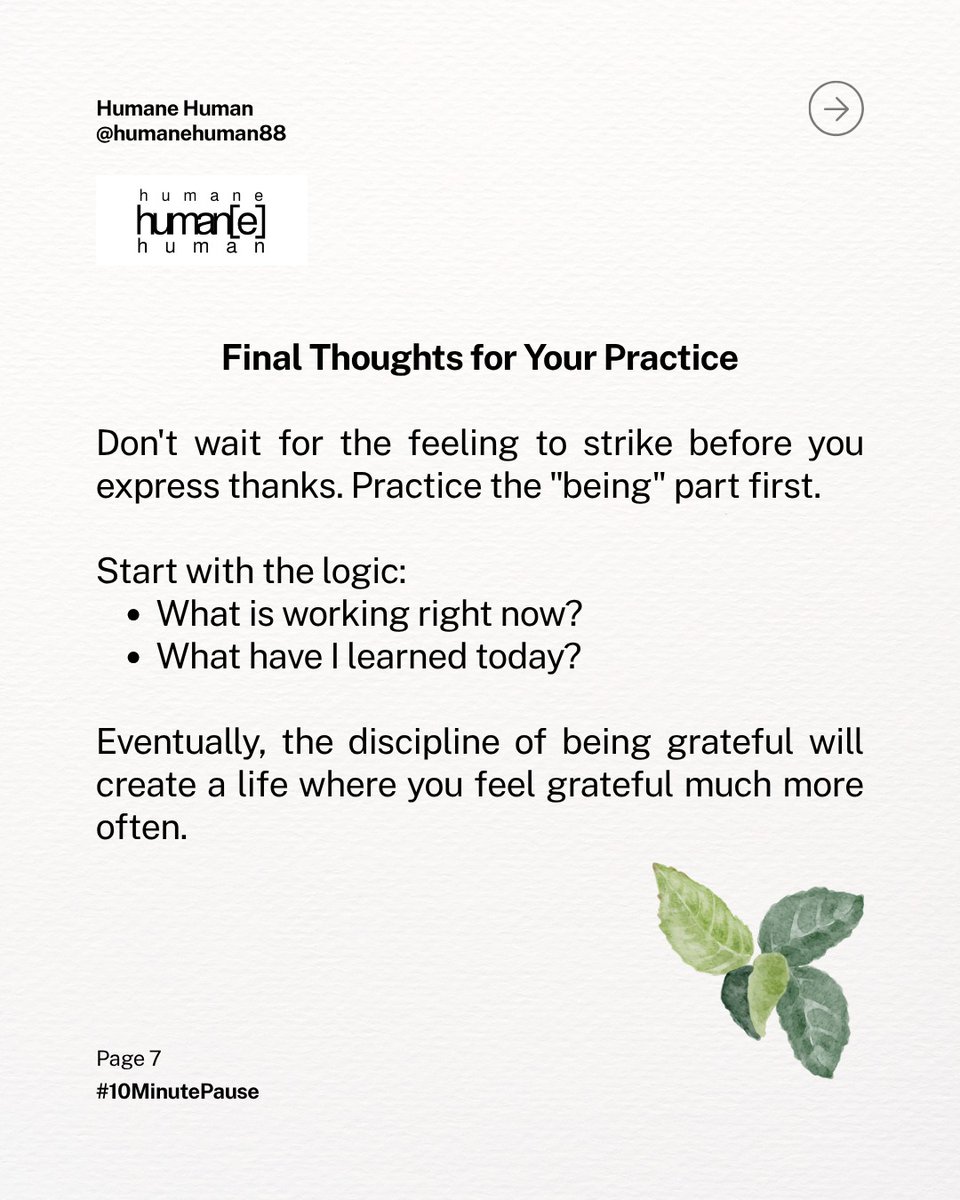
Most of us wait for something "good" to happen before we feel thankful. That’s feeling grateful—it’s a reactive emotion that comes and goes with our circumstances.
But there’s a deeper level: Being grateful. ⚓
Being grateful is a discipline. It’s the choice to acknowledge what is enough, even when things feel chaotic. One is a response to your day; the other is a way of seeing the world.