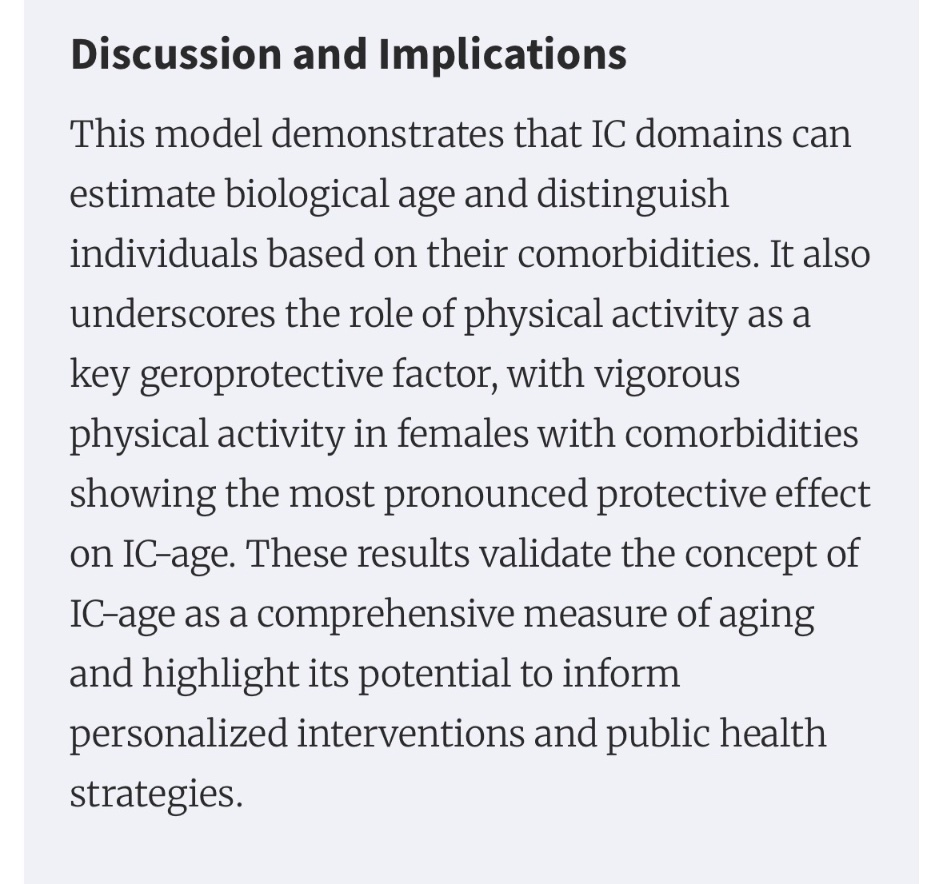
A Machine Learning Approach for Estimating Intrinsic Capacity Age and Its Associations with Multimorbidity and Geroprotective Agents
https://t.co/OBnoh1Rjbc
A Machine Learning Approach for Estimating Intrinsic Capacity Age and Its Associations with Multimorbidity and Geroprotective Agents
https://t.co/BXpe181ueU
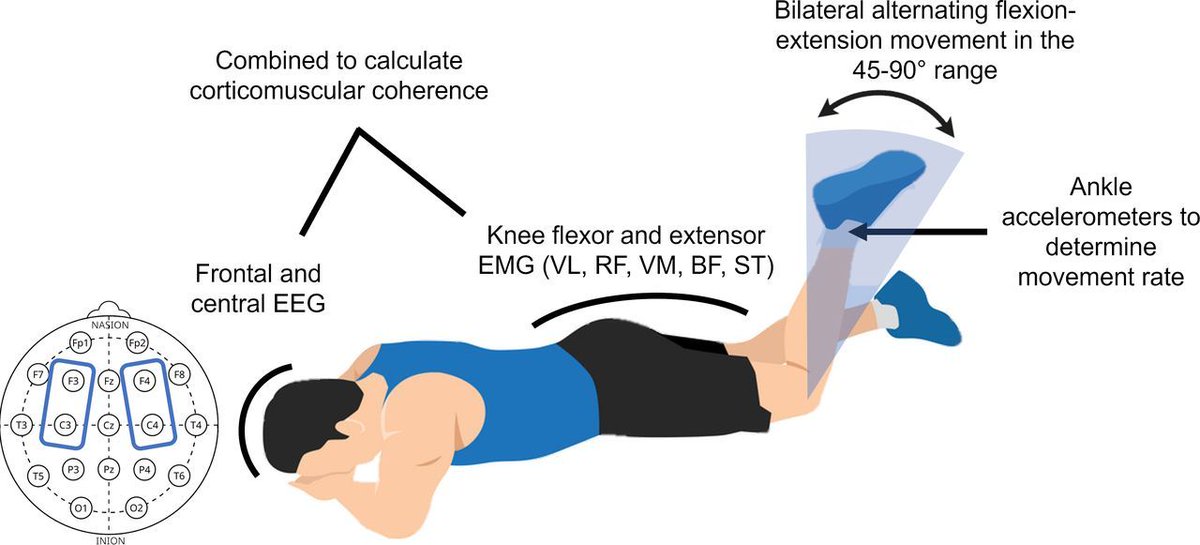
⚠️ Role of movement rate and brain-muscle coupling during high-speed knee movement in hamstring injuries in football ⚽️
NEW #PhDAcademyAward 🏆
Article ➡️ https://t.co/pNJoFzg1yH
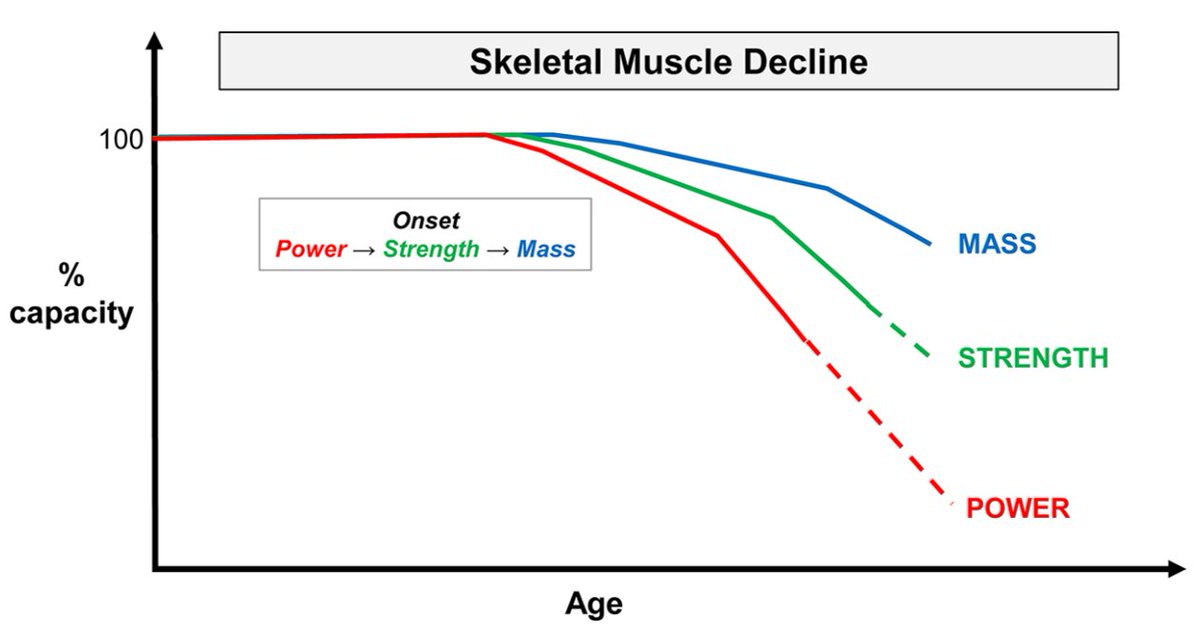
Powerpenia: moving towards the detection of meaningful human ‘skeletal muscle’ power loss 💪
NEW #Editorial in the BJSM ✅📄
It is crucial to identify the most meaningful motor tests and power-related outcome measures related to health. How can we focus our future research efforts?
READ 👉 https://t.co/fcd5G3tvgs
🔍 New Research Alert! 🔍
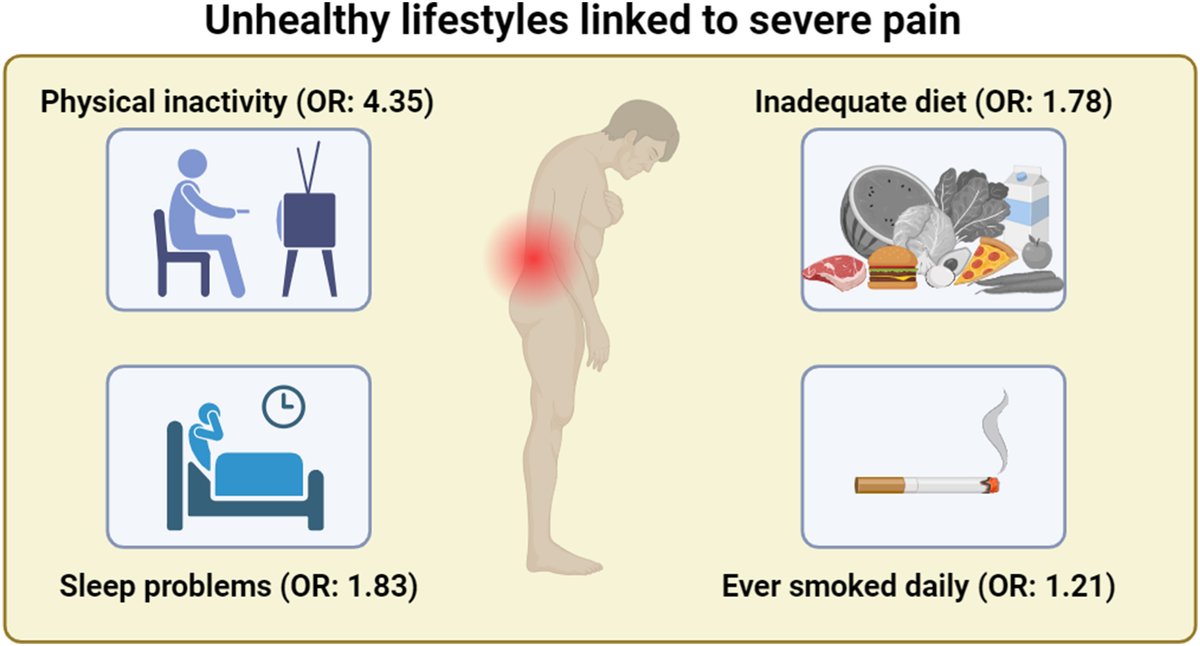
📢 Key Finding: Physically inactive older adults are more likely to experience severe pain, while other lifestyle factors play a weaker role.
✨ Why it matters?
Since these lifestyle factors are modifiable, this research can help guide preventive strategies to reduce pain and promote healthy ageing. 🏃♂️💙
🔗 https://t.co/xrMJe6um2u
#HealthyAging #PainPrevention #ActiveLifestyle #PhysicalActivity
@jcalatayud_
💥 New #Review
Velocity-based training in mid- and late-stage rehabilitation #ACL reconstruction" by Florian Forelli et al.
Full text 👉 https://t.co/KlKJMuZtTP
#WeAreBOSEM
#Muscle power more influential than muscle strength & mass in enhancing physical function & reducing falls
🔸Dynapenia ▶️strength loss
🔸#Sarcopenia ▶️muscle mass loss
🔸Powerpenia ▶️power loss
👉🏽https://t.co/8lYxYAqeJc
by @sandro10freitas et al @SportsMedicineJ
Dual-task resistance training improves strength and reduces pain more than resistance exercise alone in elbow fracture rehabilitation. https://t.co/CBSSnud8hD
@DerekGriffin86 Who assumes this? Certainly not the authors. Quote: "Finally, the cross-sectional design does not allow us to establish a cause-effect relationship between the variables studied, thus future prospective studies are needed to confirm these findings."
Physical inactivity is the most important unhealthy lifestyle factor for pain severity in older adults with pain: A SHARE-based analysis of 27,528 cases from 28 countries.
👇👇👇
https://t.co/tODsK7dz6y
Shirley Ryan AbilityLab's Dr. Driver & @abkessler recently appeared on @daytimechicago to discuss the conditions & patients we serve — & how we integrate research and clinical care to help patients achieve their best outcomes. https://t.co/SD5cJkmbV2
Humans (and other animals) have long Achilles tendons. They do amplify muscle power, but it’s believed evolution endowed us with them largely because they reduce the energetic cost of walking and running. In our Biol Rev article, we challenge this belief https://t.co/CEeW6CXPCl
This one took us a while to get done @AndreAndrade23, but it is now available for those interested in the topic of asymmetries. Hope the community enjoys it!
"A new approach to quantify asymmetry in human movement" https://t.co/WJLgRmC9WL
accepted version online in @JBiomech
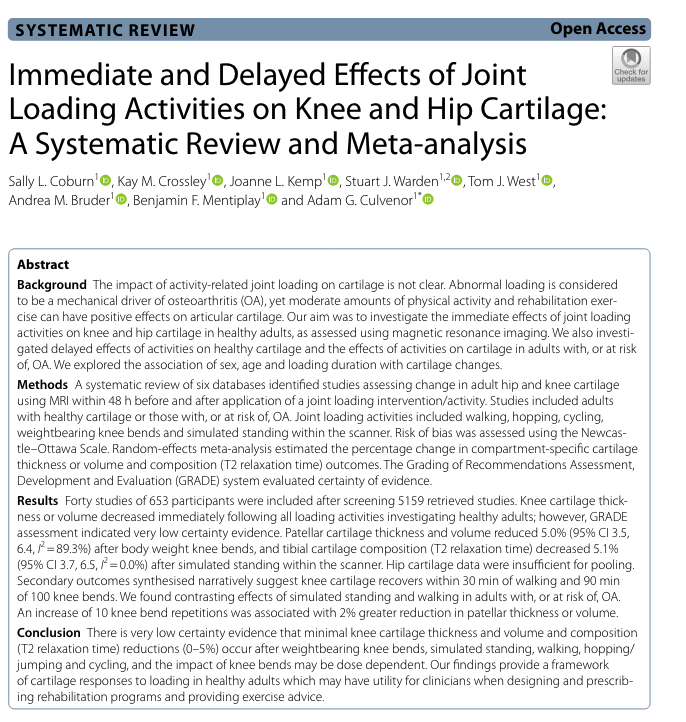
What happens inside the knee joint when we stand, walk, hop/jump, and cycle?
Spoiler: After different activities, knee cartilage thickness, volume, and composition immediately decrease, but the changes are minimal and return to baseline levels after some rest.
🧵
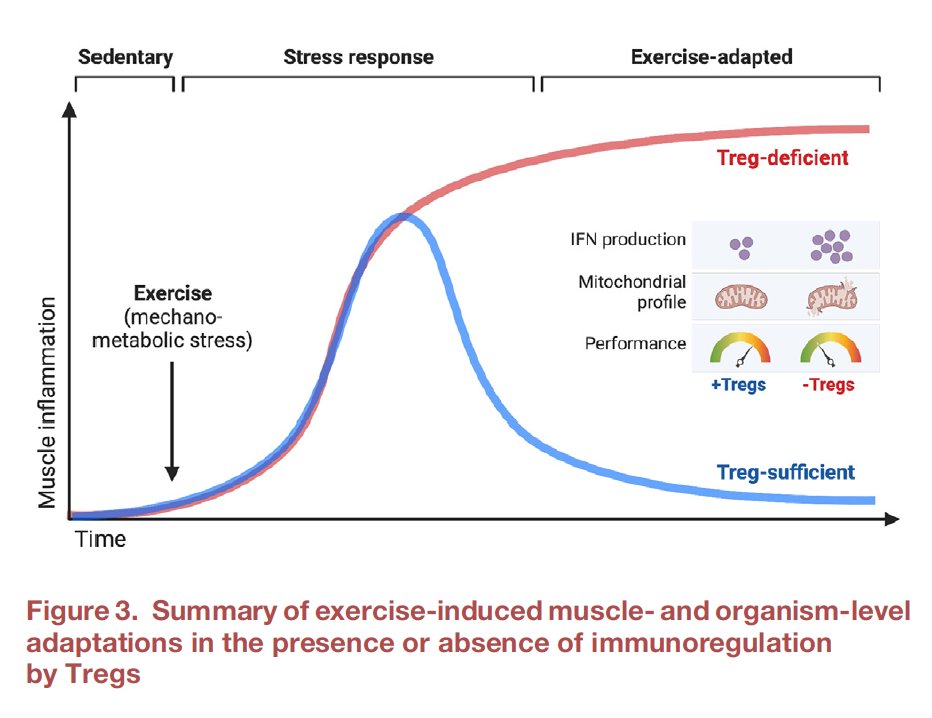
La inflamación parece ser un regulador importante en la adaptación al #ejercicio
¿Cómo la inmunología del ejercicio se integra con la fisiología, biología muscular y la inmunología celular? 🏋️♂️💪🔬🩺
https://t.co/TEbRiQny0T
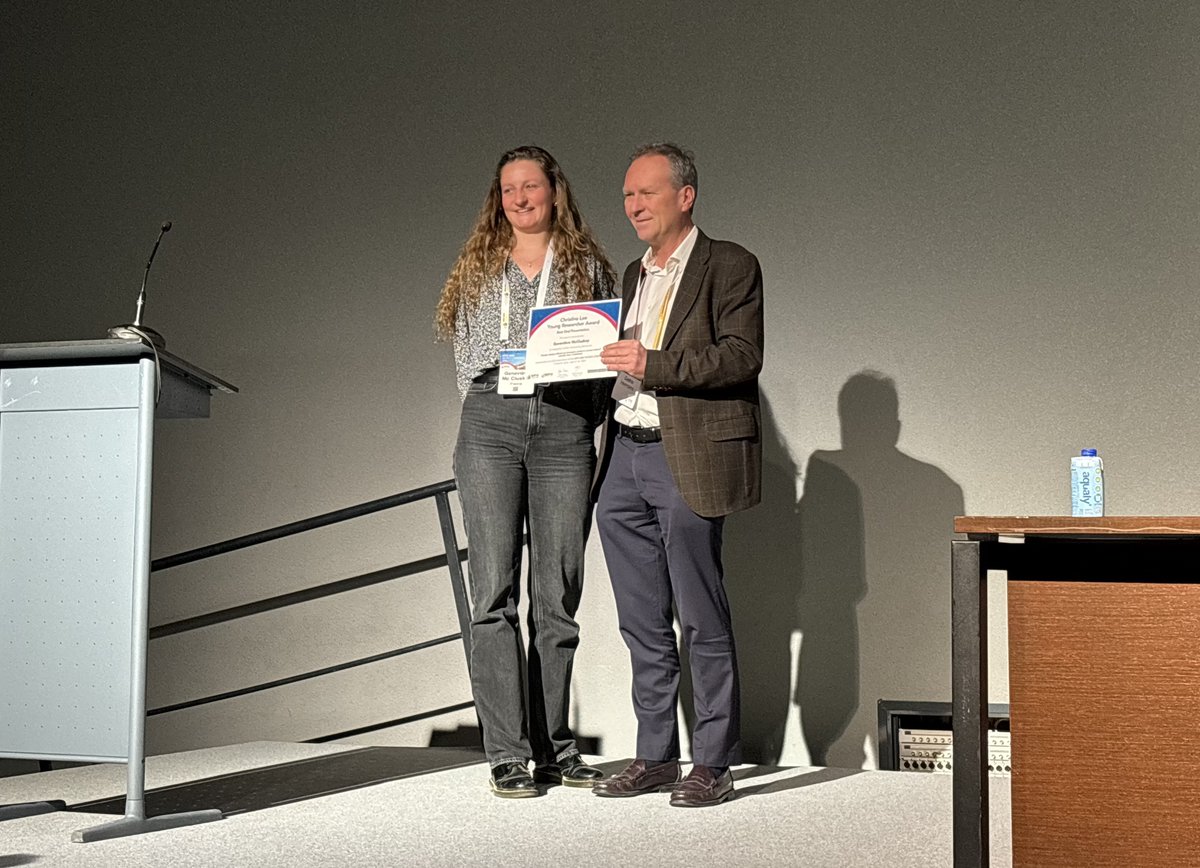
Congratulations to Geneviève McCluskey and Rodrigo Núñez-Cortés for winning the Christine Lee Young Researcher Award best oral and best poster respectively! #WFHCongress2024
Amigas y amigos! 🚨 Les compartimos un nuevo artículo: Powerpenia Should be Considered a Biomarker of Healthy Aging” publicado en la revista “Sports Medicine - Open”.
https://t.co/PhgEaDUYoO