Hunza Art started as a little gift shop in the heart of Karimabad in the spring of 1994. In the past 31 years, we have shared the heritage of Hunza with hundreds of thousands of customer from all over the world. This makes us proud and this is also our lore.
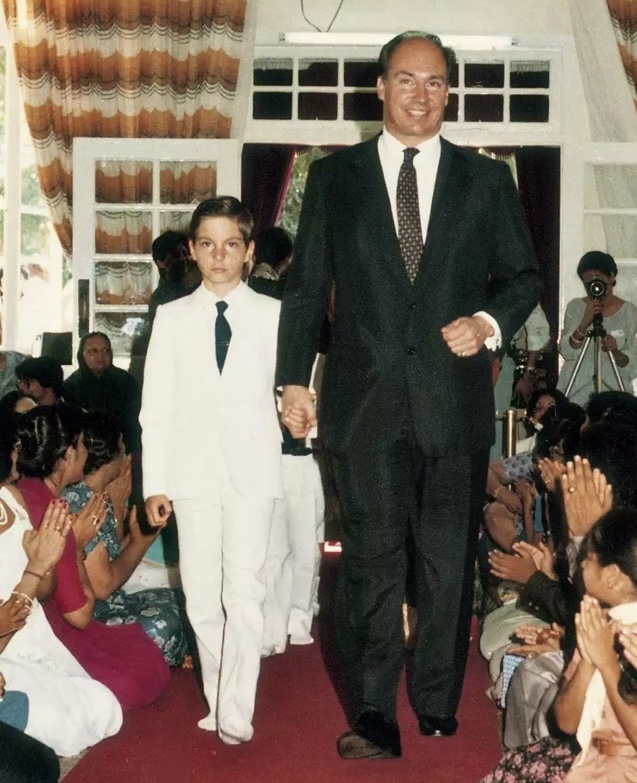
This robe is called a Shuqa and that is the traditional Hunzai Farxin adorned with a Gamburi. Shuqa features intricate Qalami embroidery and Farxin is white which is what's worn on formal occasions.
In Hunza, "fast" is a dirty word. Our artisans don't follow a manual; they follow the rhythm of the seasons. When you hold a piece of Hunza Art, you aren't holding a product. You are holding the cold mountain air, the heat of the forge, and three thousand years of stubborn survival.
Job Alert: We're seeking a graphic designer to work on brand visuals and creative projects that reflect our values and what we stand for.
This is a remote, project-based role with compensation paid per project.
To Apply: Share your portfolio or C.V.
Last date: 9 Feb, 2026
You will rarely see us shouting offers or running loud sales.
That is intentional.
Hunza teaches restraint. You take what you need, when you need it.
Our products are made with the same thinking.
If you are restocking or trying something new, this is where it lives
👇
https://t.co/MIJ1KZpIaa
At Hunza Art, we are proudly reviving the art of Shuqa making.
This ancient art was on the brink of extinction, but we are bringing it back. It has been a journey filled with challenges, constant learning, and failure.
We have invested our own time and money to ensure the artisans who make these earn a profit. This is the only way they can continue to practice and protect this art.
At a glance, a Shuqa is just a cloak. But if you look at the details, it is an astonishingly meaningful and purposeful piece of art. The Qalami embroidery, the Parvez piping, and the fabric we use are all deeply connected to thousands of years of our people's history.
We represent this history with pride. Many of our native handicrafts have already gone extinct. We will make sure the Shuqa survives.
Bozlanj grows naturally, it is not farmed or cultivated. We travel to these remote areas during the summer when the snow begins to melt and hand-harvest the Bozlanj leaves. The herbs are then air-dried and packed without any processing or additives.
https://t.co/wKph7m8i9o