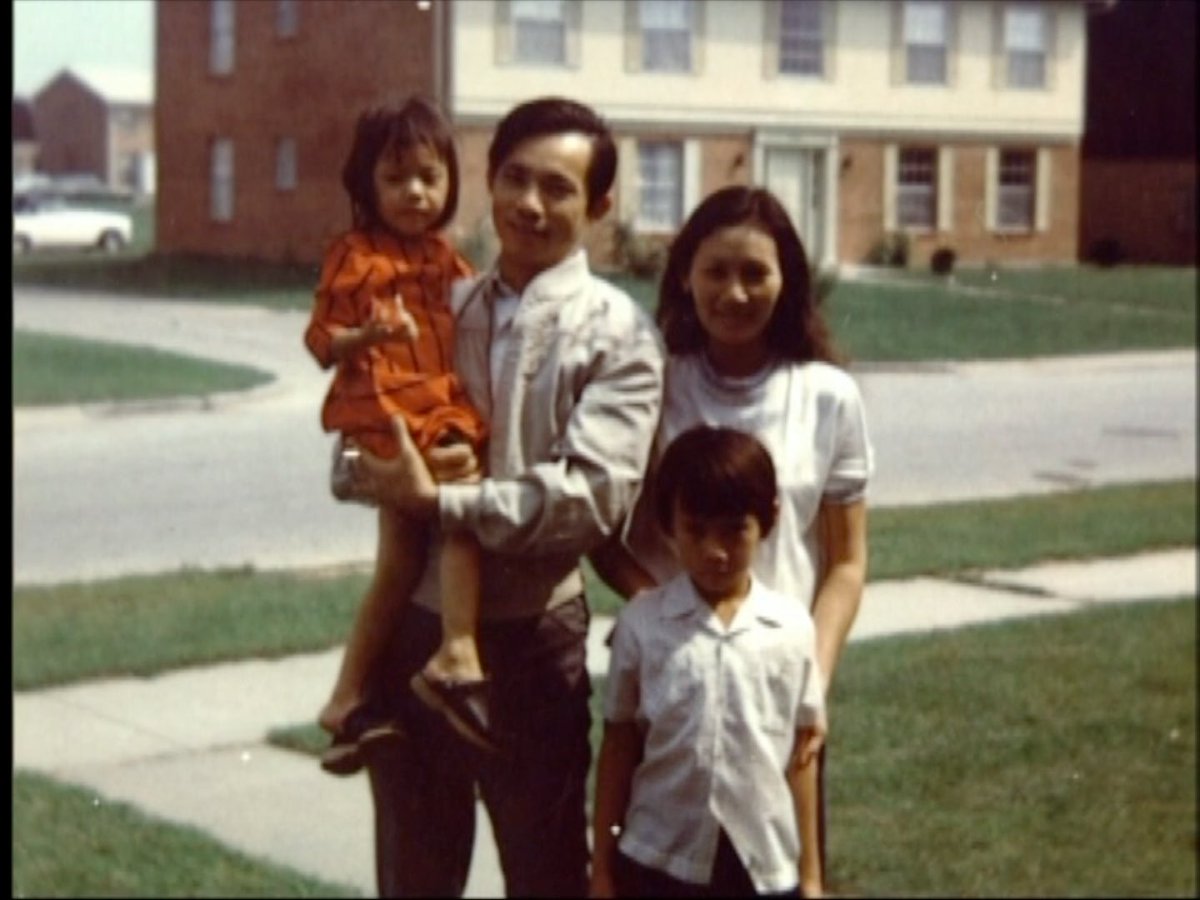
And then there’s Rea Tajiri’s masterful Wisdom Gone Wild, a geographic, historical, and spiritual journey. Music, play, photographs, and memories half-remembered connect Rea and her mother who has dementia, in a non-linear duet from LA to Philly to the incarceration camps.
@Lasermanriki@criterionchannl Oh interesting, I had not heard of it. As somebody who had been working on something similar, my first thought is copyright and how to make sure filmmakers are compensated. But certainly access to earlier work, and even just the acknowledgement of these titles, is so critical.
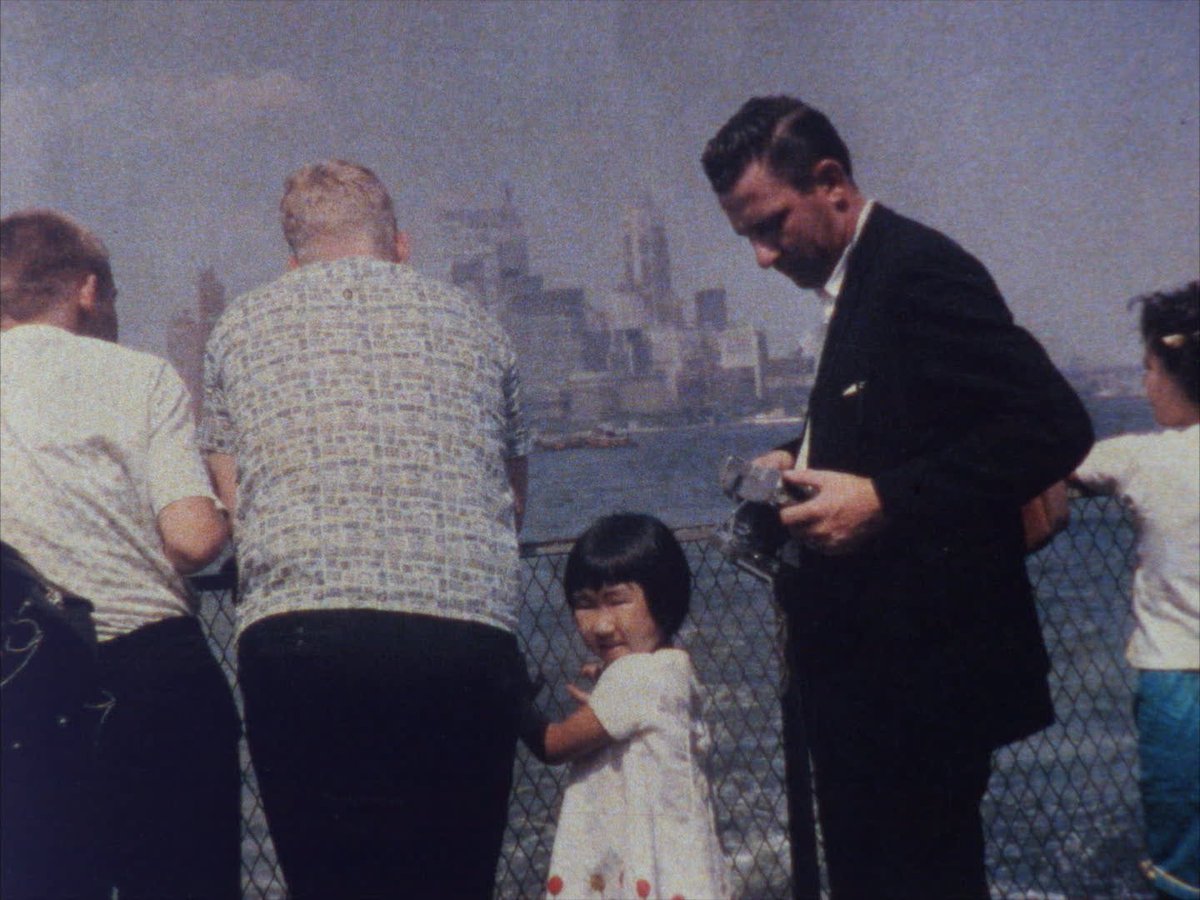
Asian Americans built the railroads that spanned a continent. Through the eyes of generations that followed, we remap America. Stories that reanimate places and spaces. Characters that challenge manifest destiny and imperialist fantasies usually associated with cinematic travel.
There are returns home and visits with family. Kimi Takesue's heartfelt 95 and 6 to Go brings her to grandparents in Hawaii. Janice Tanaka finds her estranged father on LA’s Skid Row in Who’s Going to Pay for these Donuts Anyway?
Doan Hoang’s Oh, Saigon is the tragic version of that what-if tale. What if my parents didn’t flee Vietnam after the Fall of Saigon? For Doan, traveling to Vietnam is visiting a version of herself and family that, for political and perhaps personal reasons, was forbidden at home.
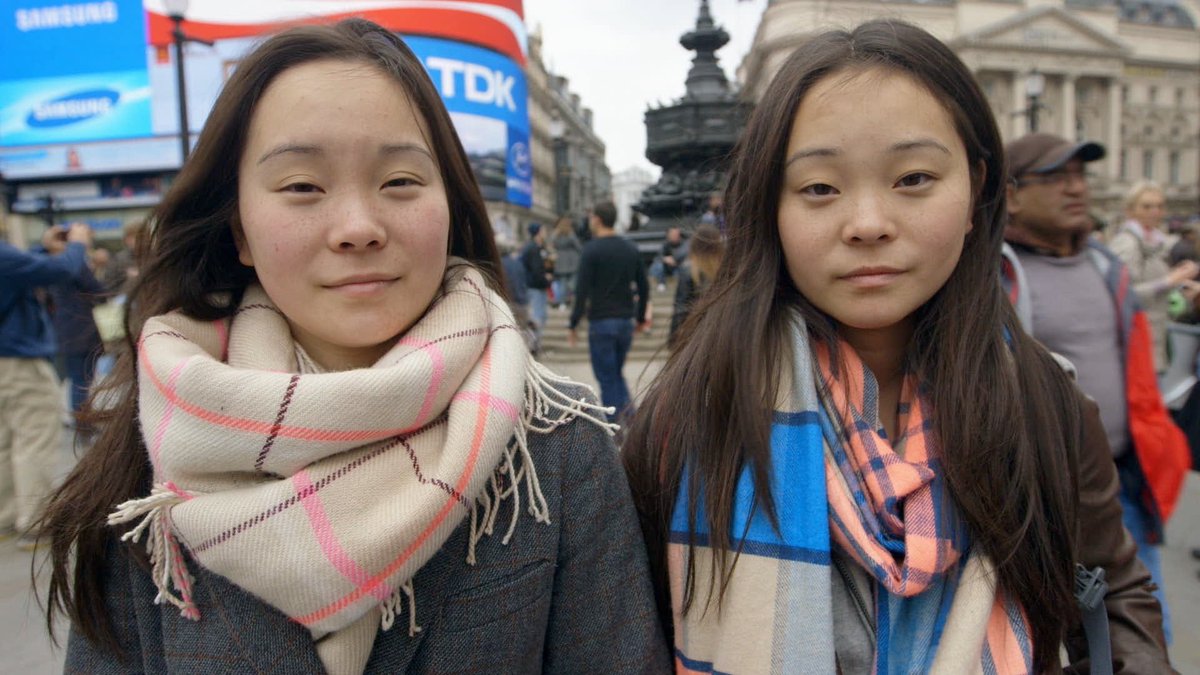
Or films like First Person Plural and Twinsters told by Korean adoptees returning to the country of their birth. I’ve always found adoptee reunions akin to speculative fiction. What if I had another family in another world? What if I had a long-lost twin??
Consider two very different cross-country travelogues. Renee Tajima-Peña's My America is a lively, eclectic portrait of Asian Americans on white roads and towns, in search of belonging. Miko Revereza's No Data Plan is a train ride through the eyes of an undocumented immigrant.
If you haven't had a chance to check out the "First Person Asian American" series on the Criterion Channel, I hope you will! The films are still streaming. I had the pleasure of curating the 11 features.
https://t.co/spX6xUxuyh
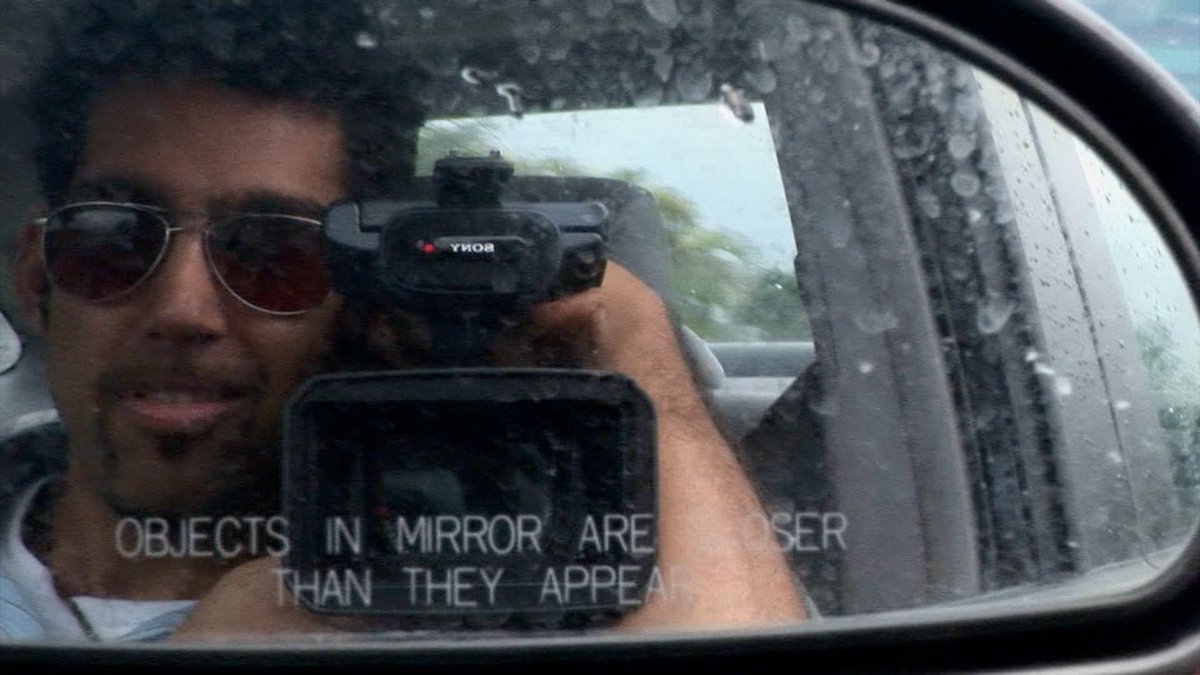
The first-person documentary might seem like an insular genre, especially in an age of vlogs and TikTok, where the camera is a mirror and self-broadcasting device. But many Asian American documentaries, even those told in the first person, aim their cameras outward.
@TonyzyYang@FilmQuarterly Looks like you are a student at UCL? I see that they have an online subscription to Film Quarterly, so you can access it from there!
Minari, Past Lives, The Farewell, Everything Everywhere all At Once. Is it a coincidence that this wave of award-winning Asian American cinema is all distributed by A24? That question led to other ones, culminating in this article, now in @FilmQuarterly https://t.co/YzZSSw1vu6
FIRST-PERSON ASIAN AMERICAN: 11 DOCUMENTARIES
https://t.co/NLiqwhes7B
As independent Asian American filmmakers took the matter of self-representation into their own hands, many turned inward: to their own families, personal histories, and private musings.
Peppermint Candy is one of the films that made me fall in love with South Korean Cinema. Tonight you can see it at MOPA thx to @husbrian & @PacArtsMovement . It's brilliant and heartbreaking
https://t.co/2YJZnQoEPI