Also worth flagging Fazl Barez's keynote on continuous interpretability. He walked through four candidate definitions of what it means to understand a model: being able to explain it, knowing its mechanisms, being able to control it, and maintaining understanding over time. The first three are necessary but not sufficient. Chain-of-thought explanations often don't reflect actual computation. Mechanism localization breaks down in real models because features superpose. And control fails because models are neuroplastic.
His closing question: in a world where AI changes lives and decisions across every domain, what kind of understanding do we want to live with?
Presented our work on stated vs revealed preferences in language models at @tais_2026 yesterday.
Some good news alongside it: the paper was accepted to the EvalEval workshop at ACL.
Read more below
New on the Anthropic Engineering blog: how we built Claude’s research capabilities using multiple agents working in parallel.
We share what worked, what didn't, and the engineering challenges along the way.
https://t.co/k3Gzd4HkLg
In a new paper showing that AI comes up with more effective prompts for other AIs than humans do, there is this gem that shows how weird AIs are...
The single most effective prompt was to start by telling the AI "Take a deep breath and work step-by-step!" https://t.co/0dGFc3kya5
I think people don't appreciate the "model" part of "language models" enough.
Deep learning is cool, but everything we have now is downstream of work done in the 1980s by George Armitage Miller and Christiane Fellbaum - pyschology and linguistics professors, not computer science. All they were doing was just trying to model language - not generate it, not to run it on MIT exams, not to write code and build agents.
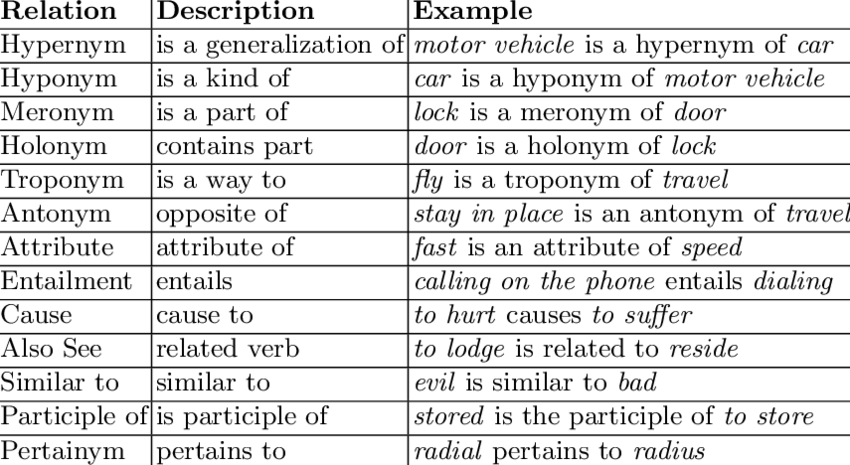
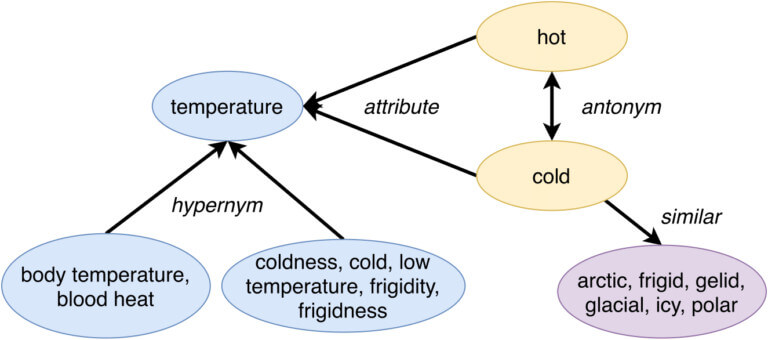
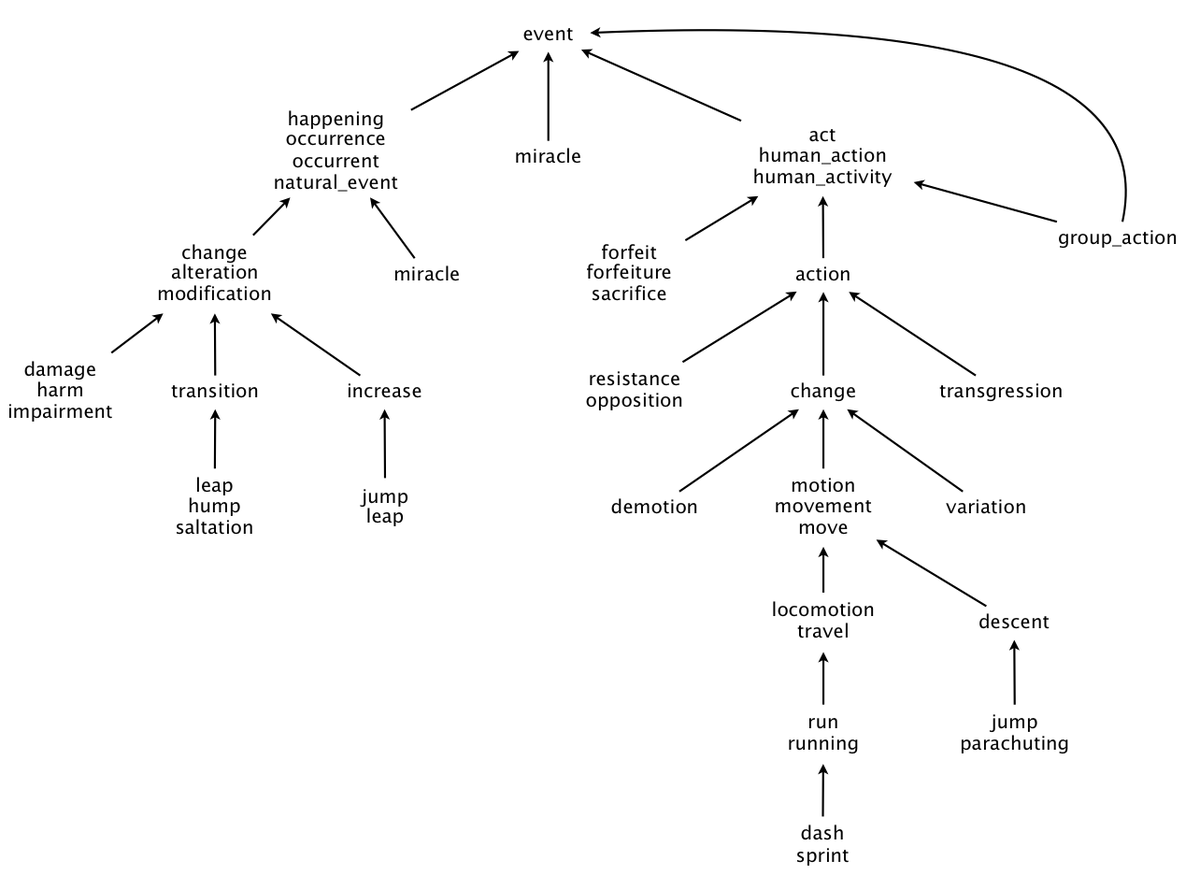
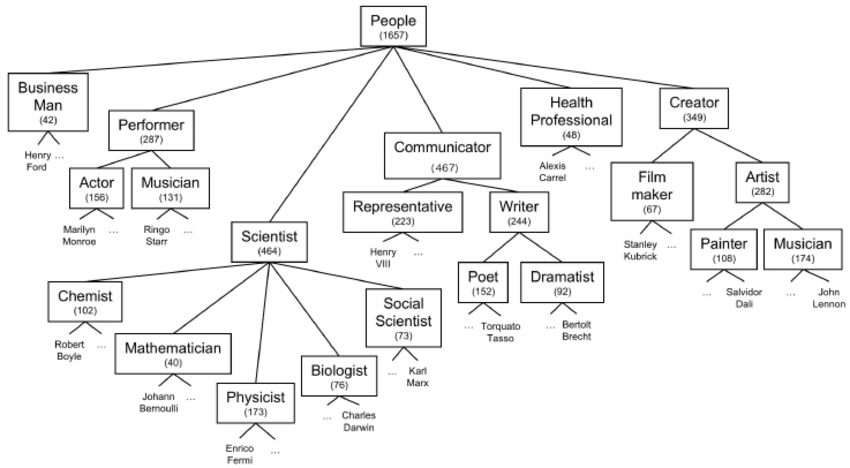
Their team of absolute madlads manually (heh, like there was any other choice) cataloged the semantic relationships between 155,327 words - hypernyms, holonyms, troponyms, and (my fave) entailment. From here you can evaluate algorithms AND train them.
Who would have known that these would the building blocks of AGI 40 years later?
This work could only have come out of doing stuff for stuff's sake. This is why "basic science" needs to be funded — so that we plant trees under whose shade only our children's children will sit.